Turn your visit into a mindful experience with this Sensory Guide to Topkapi Palace. Instead of rushing through rooms to tick boxes, you’ll learn to slow down and register the palace’s textures, echoes and aromas—elements that bring Ottoman history to life. Use these tactics whether you have an hour or a half day; the focus is on quality of attention as much as quantity of time.
Why a sensory visit to Topkapi Palace works
Most visitors concentrate on objects and labels, but a sensory approach reconnects you to how spaces were actually used. Topkapi Palace was lived in: footsteps on stone, the weight of carved wood, the scent of citrus from courtyards and spices from palace kitchens. When you deliberately engage sight, sound and smell, details that usually slip by become anchors for memory.
That stronger memory matters: it turns names and dates into scenes you can revisit later. You’ll notice how light plays on Iznik tiles in the morning, or how door hinges hum differently in quieter rooms. These small observations deepen your understanding of the palace’s daily rhythms and the people who inhabited it.
What to look for: sights, sounds, and scents
Sight — noticing materials and light
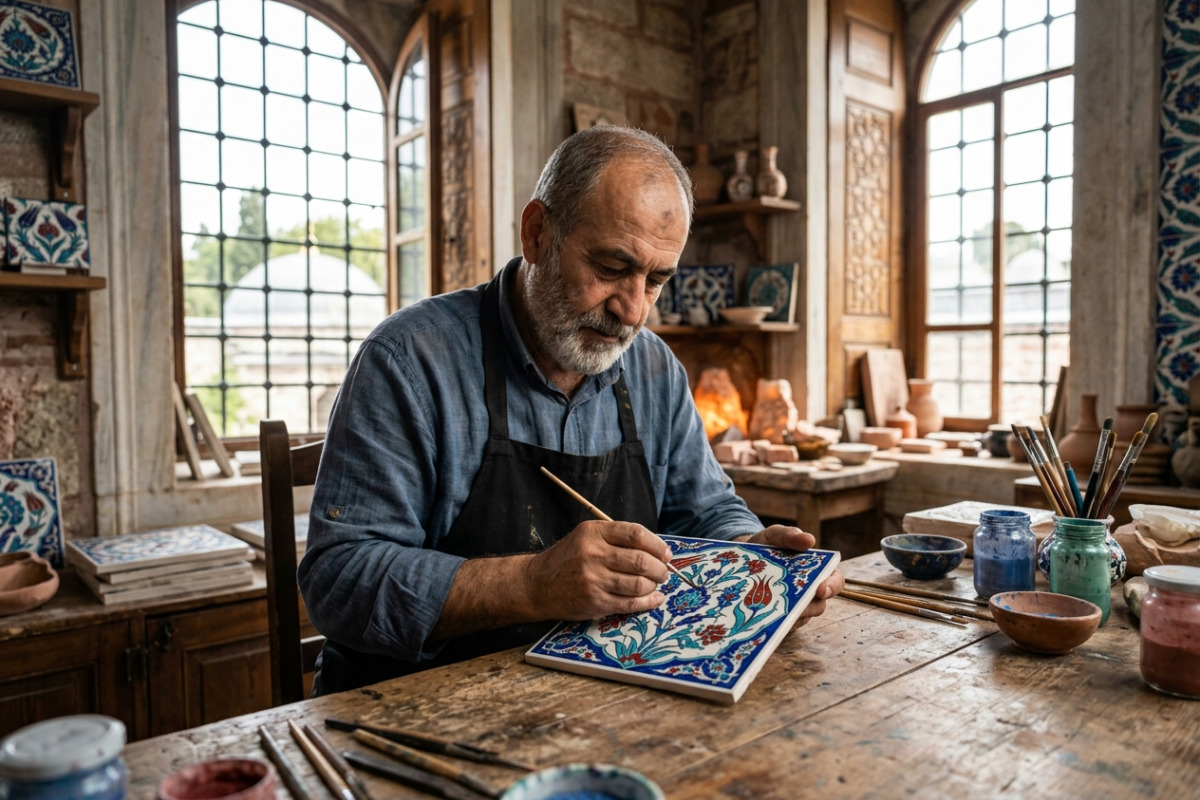
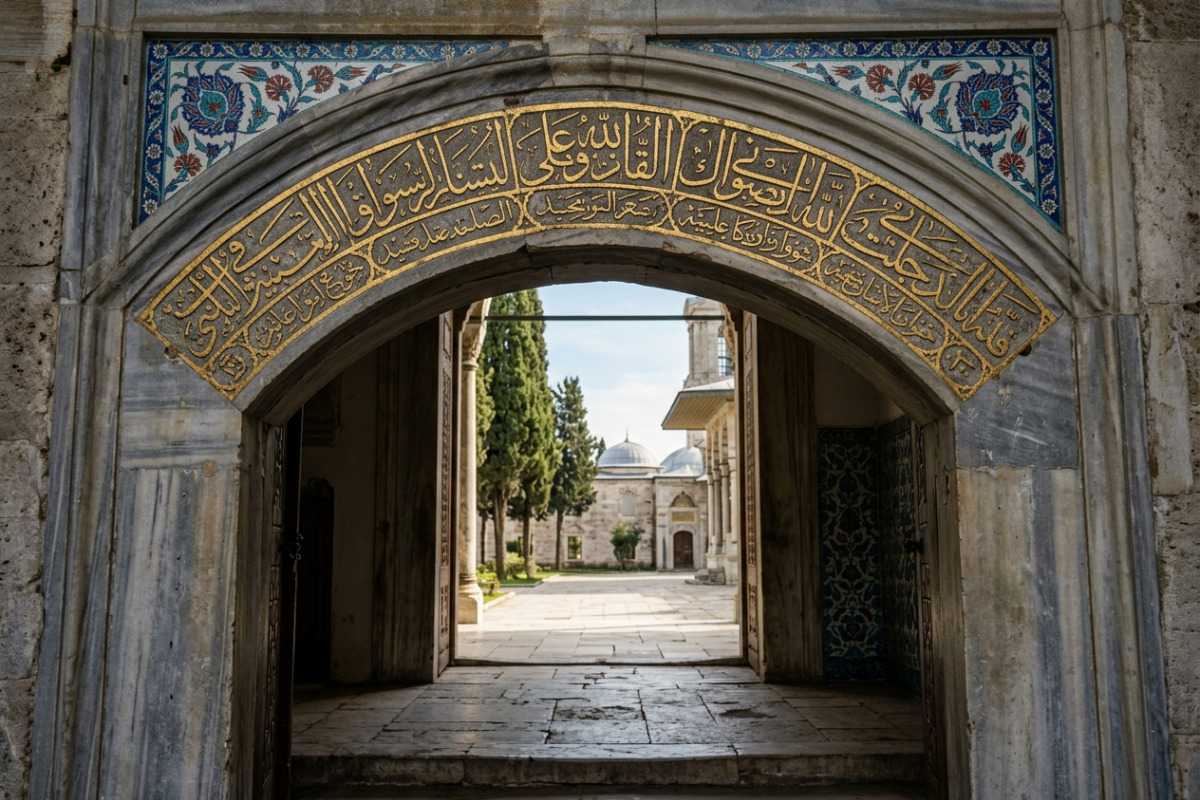
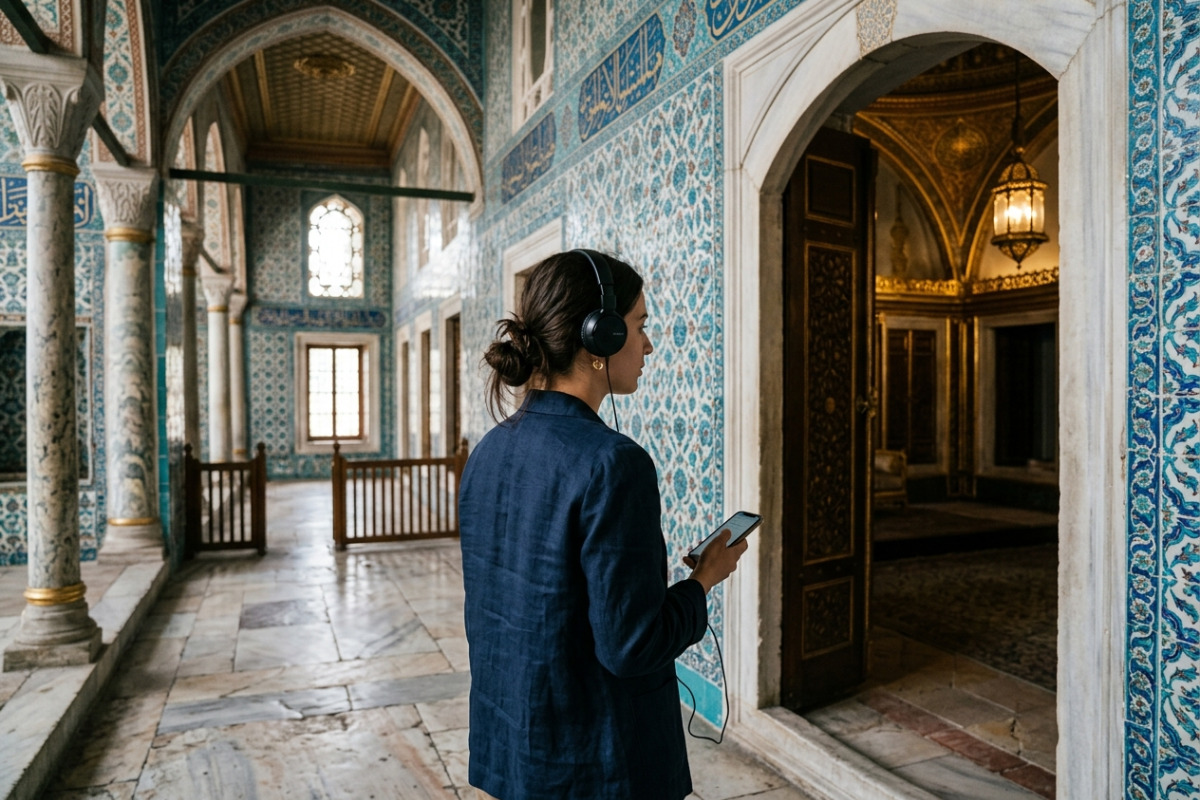
Bring attention to materials before labels: tile patterns, wood grain, the sheen on metalwork and the way textiles catch light. In heavily decorated rooms, pick a small area to inspect for five minutes rather than skimming many rooms fast. That sustained gaze reveals craftsmanship techniques and meaningful motifs that explain social status and imperial taste.
Sound & silence — the palace’s acoustic fingerprint
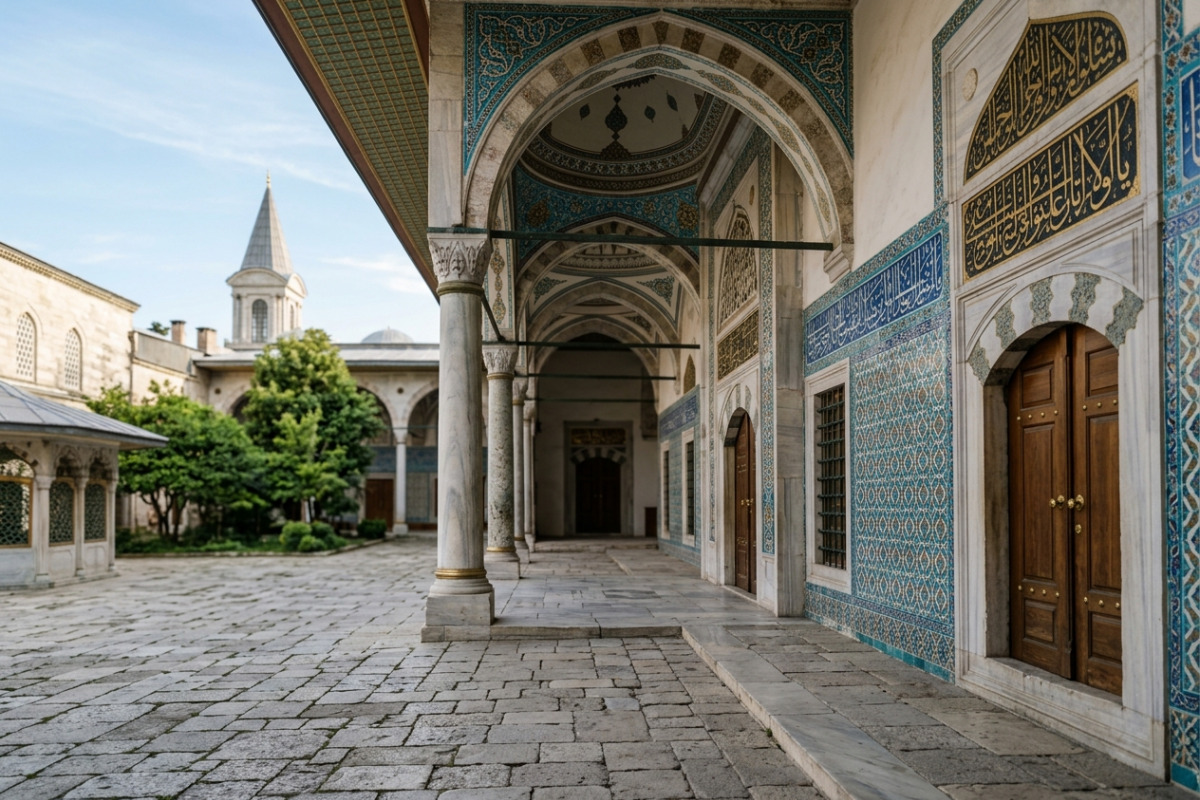
Listen for echoes, footsteps and the soft murmur of other visitors; these sounds tell you about a room’s scale and function. Courtyards have different acoustics than private chambers—use a moment of quiet to imagine council meetings in the Divan or whispered conversations in inner suites. If you want fewer distractions, arrive early and note how sound changes as the site fills.
Smell & memory — why scent matters
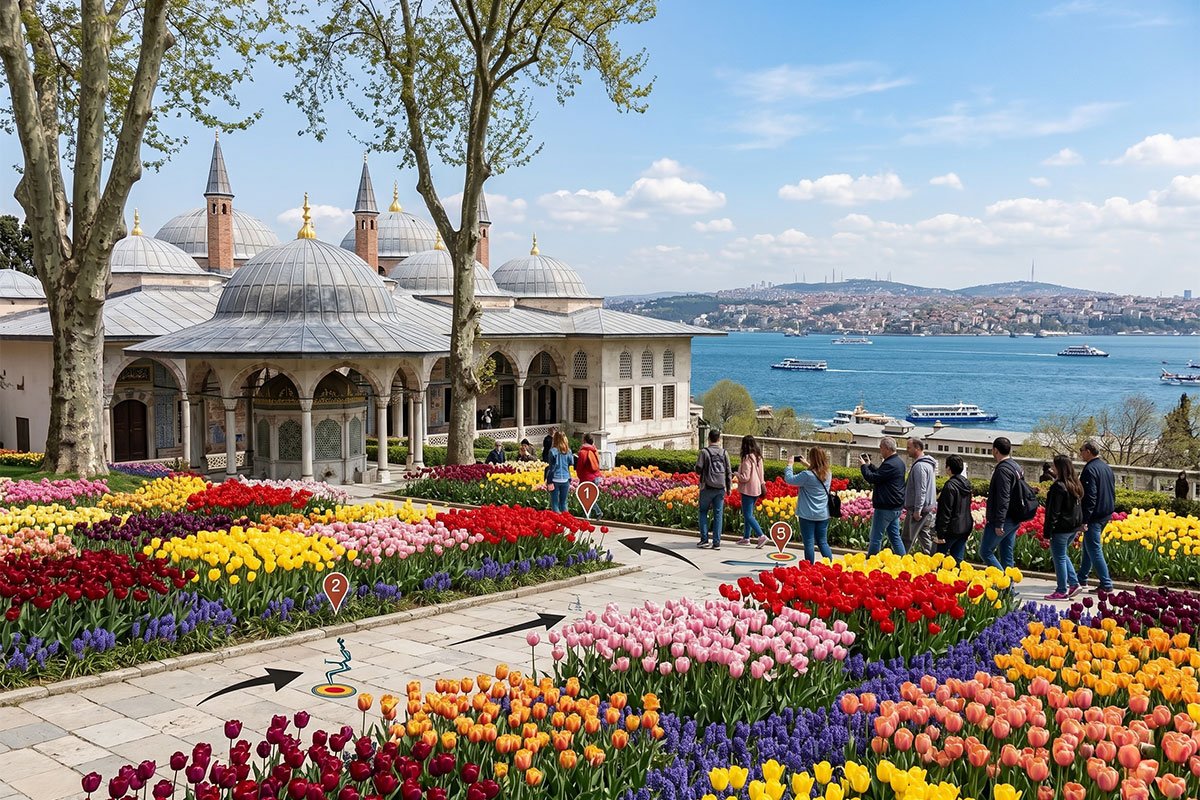
Scents unlock memory faster than visuals alone: citrus groves in the Gardens, wood polish in pavilions, or the lingering trace of herbs near the historic Kitchen. Pause near planting beds or beneath cypress canopies and inhale deliberately for five breaths—this anchors the memory to a visceral impression, especially useful for returning visitors or guided groups.
Practical tips to plan your sensory visit
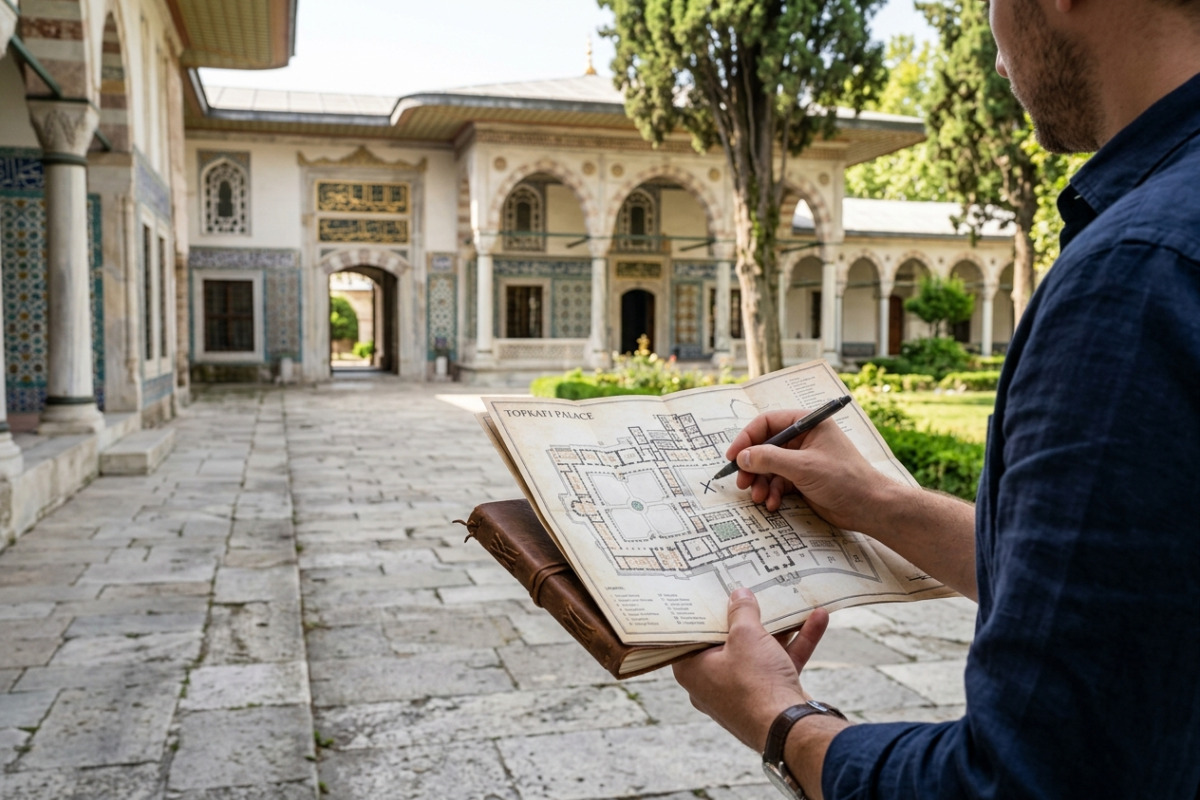
Prepare physically and mentally. Wear comfortable shoes because you'll stand still to look closely; bring a small notebook or use your phone’s voice memo to capture quick impressions. A lightweight scarf can help when you want to close your eyes and focus on sound without bright light distracting you.
Time your visit strategically: early morning offers softer light and fewer crowds, while late afternoon highlights warm tones on tiles and metalwork. If you need essential logistics—opening hours, accessibility notes or photography rules—check the official Visiting Information before you go. And to secure your entry and remove one logistical worry, reserve your tickets in advance.
- Pack: small notebook, water, light layers, and noise-reducing earbuds if you prefer quieter moments.
- Do: pause at doorways, place your palm near (but not touching) carved wood to observe texture, and close your eyes briefly to isolate non-visual cues.
- Don’t: rush rooms or only photograph artifacts—photos are fine, but take time to experience before framing a shot.
Two short sensory itineraries for different visit lengths
60-minute focused route
If you only have an hour, pick a tight sequence that contrasts spaces. Start at a quiet courtyard to attune your hearing and breath, then move to an ornate chamber where you’ll focus on tiles and textiles for twenty minutes. Finish with a five- to ten-minute walk through the Treasury to experience scale, weight and reflection on metalwork—notice how light bounces differently on jewels and gilt surfaces.
Half-day immersive route (3–4 hours)
With more time, alternate close-looking with slow movement. Begin in the Gardens to use scent as an anchor, then spend time in the private rooms—compare the Divan’s public geometry with the intimacy of the Harem alcoves. Include a longer stop in the Kitchen area to imagine culinary smells and the logistics of feeding a court. Use breaks on benches to write two or three lines about what you heard, smelled or felt—these notes crystallize your sensory impressions.
Wrap-up & book your visit
A sensory visit to Topkapi Palace reshapes your memories and reveals hidden layers that standard checklist touring misses. By intentionally shifting attention to materials, acoustics and aromas, you’ll connect emotionally to the palace’s history and return with richer stories to share. Ready to try this approach? Secure your timing and avoid onsite lines by reserving your Topkapi Palace tickets now, and consult the FAQ or Audio Guide options for structured prompts to guide your senses during the visit.
Tip: Give yourself permission to linger. Five extra minutes with a tile or fountain can turn facts into an experience you’ll remember for years.