The Artisans of Topkapi Palace created the visual and material backbone of Ottoman court life: ceramics, textiles, metalwork, book arts, and more. If you want to understand how a palace functioned beyond the sultan and ceremonies, begin with the craftsmen—organized under the Ehl-i Hiref (Community of the Talented)—whose daily labor turned imperial taste into objects that lasted centuries. These were not merely laborers; they were the elite designers who defined the aesthetic identity of an empire spanning three continents.
The Ehl-i Hiref: The Heart of Imperial Creativity
The Ehl-i Hiref was the institutional framework that governed all artistic production within the palace. Established in the 15th century, this organization acted as a centralized guild for the most talented individuals in the empire. Unlike the public guilds in the Grand Bazaar, the palace artisans were directly answerable to the Sultan and the palace bureaucracy. This proximity to power meant they had access to the finest materials—gold from Egypt, lapis lazuli from Afghanistan, and silk from Bursa—and were tasked with creating objects that reflected the absolute majesty of the Ottoman house.
The membership of the Ehl-i Hiref was diverse and meritocratic. It included masters from across the Ottoman territories, including Greeks, Armenians, Persians, and Balkan craftsmen, alongside those trained through the devshirme system. By bringing these disparate traditions under one roof at Topkapi, the palace fostered a unique "International Ottoman Style" that blended varied cultural influences into a cohesive imperial brand.
Who were the artisans of Topkapi Palace?
The palace workshops employed a mix of imperial servants, hired specialist masters, and apprentices. These craftsmen—known by occupational titles like usta (master), kalfa (journeyman), and çırak (apprentice)—worked in organized ateliers responsible for specific outputs. The hierarchy was strict, and promotion was based on years of service and technical breakthroughs. A master artisan held a position of significant social prestige, often receiving higher wages than many military officers.
While the formal guild structure was predominantly male, the Harem was also a site of prolific artistic production. Women within the Harem were highly skilled in embroidery and textile arts, producing the delicate handkerchiefs, prayer rugs, and ornate garments used by the Sultan’s family. These pieces often featured the same motifs found in the official palace workshops, suggesting a deep level of artistic exchange between the Harem and the external ateliers.
Daily Workflows: How Palace Workshops Operated
Palace production followed a clear sequence: design, material procurement, execution, and quality control. The process almost always began in the Nakkaşhane (the imperial painting and design atelier). This was the "brain" of the palace's creative output. Here, master artists created the saz style leaves, hatayi blossoms, and the iconic tulip patterns that would be distributed to other workshops. This centralized design system ensured that a motif on a ceramic plate would perfectly match the embroidery on a royal kaftan or the tiles on a pavilion wall.
Materials were sourced through a vast logistical network. The palace maintained strict inventory systems to track the use of precious metals and gemstones. Administrators, known as emin, recorded every gram of gold issued to the jewelers and every yard of silk given to the tailors. This meticulous record-keeping provides modern historians with a clear window into the scale of production; for instance, registers show that during the reign of Suleiman the Magnificent, the Ehl-i Hiref grew to include over 600 members across 30 different specialized crafts.
The Life of an Artisan: Wages and Social Status
Artisans were compensated through a system called mevacib, a quarterly salary paid by the imperial treasury. Beyond their base pay, they received rations of meat, bread, and oil, as well as seasonal clothing allowances. For exceptional work—such as the completion of a particularly beautiful manuscript or a jeweled sword for a victory celebration—artisans received in’am (rewards), which could include cash bonuses or robes of honor. This financial security allowed the craftsmen to focus entirely on the perfection of their craft, pushing the boundaries of what was technically possible at the time.
Techniques and Materials: What Made Their Work Exceptional
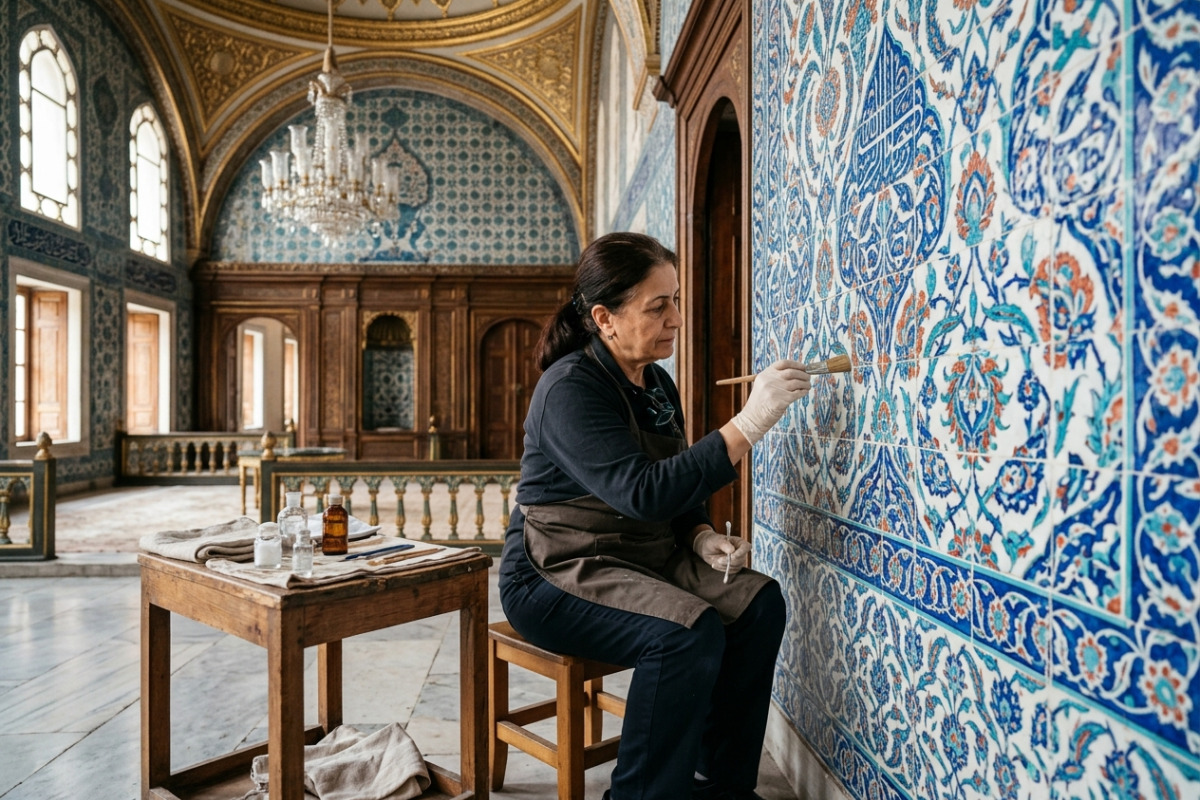
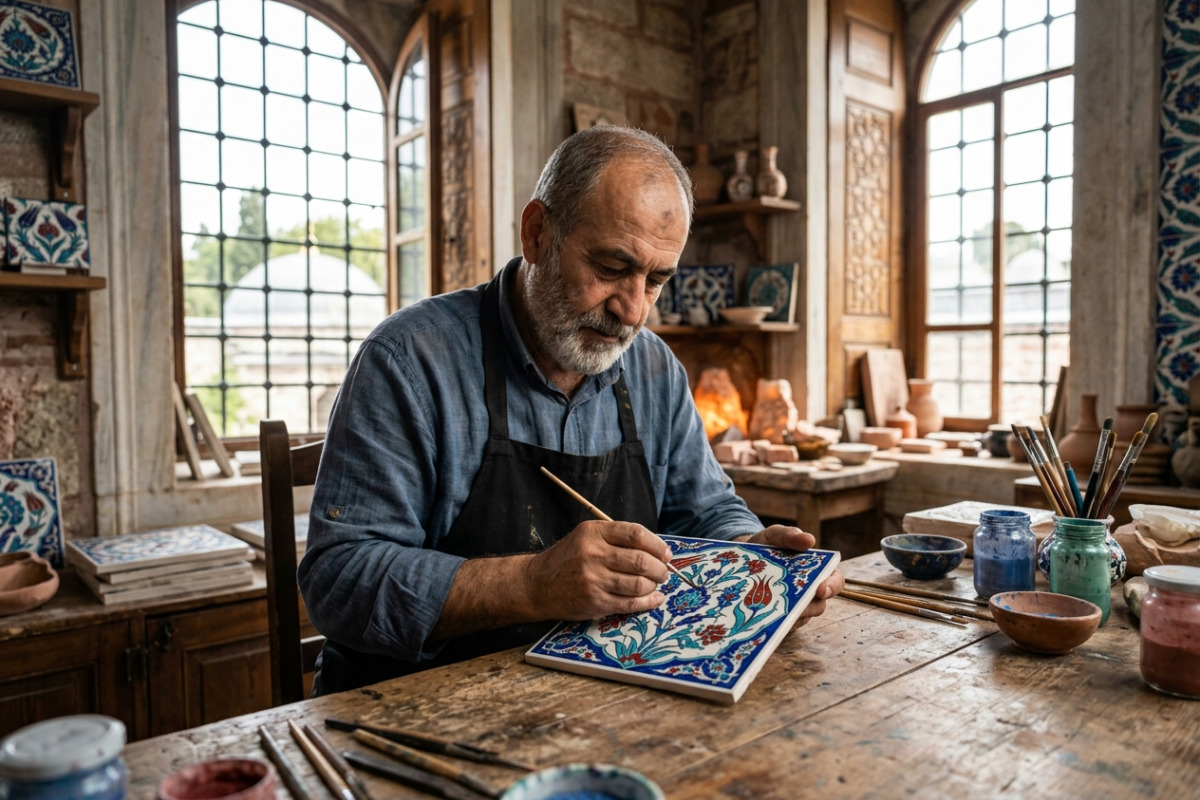
The variety of techniques used inside Topkapi Palace highlights the breadth of imperial taste. The artisans didn't just follow tradition; they innovated. In the field of Ceramics, the masters of Iznik developed a unique underglaze technique that allowed for the vibrant "tomato red" and deep cobalt blues that remain bright even five centuries later. These were not just functional items but masterpieces of chemistry and kiln control.
Metalworkers (Zergiran) executed delicate filigree, niello, and incrustation. They were masters of murassa, the art of encrusting objects with precious stones. Whether it was a dagger handle or a ceremonial water flask, the goal was to leave no surface undecorated, symbolizing the infinite wealth and bounty of the Sultan. Textile workshops wove kemha (brocade) and seraser (cloth of gold), using real silver and gold threads that made the garments heavy, stiff, and brilliantly reflective during court ceremonies.
The Sultan as an Artisan
It is a unique feature of Ottoman history that many Sultans were themselves trained artisans. As part of their education, they were required to master a craft to ground them in the value of labor and patience. Sultan Suleiman the Magnificent was a trained goldsmith, while Abdulhamid II was a master carpenter. This personal connection to craftsmanship meant that the imperial patronage was not just a matter of funding, but of genuine connoisseurship. The Sultan knew the difficulty of a specific weld or the rarity of a pigment, fostering a culture of excellence that trickled down through every level of the Ehl-i Hiref.
Where to See the Craftsmen's Legacy Today
When you visit Topkapi Palace, look past the gold and jewels to see the "hand" of the maker. Several rooms and collections highlight the specific technical achievements of these artisans:
- The Treasury: This is where the Zergiran (goldsmiths) shine. Examine the Topkapi Dagger or the Spoonmaker’s Diamond setting. Look for the minute filigree and the way stones are set to catch the light. These pieces showcase the pinnacle of Ottoman jewelry techniques.
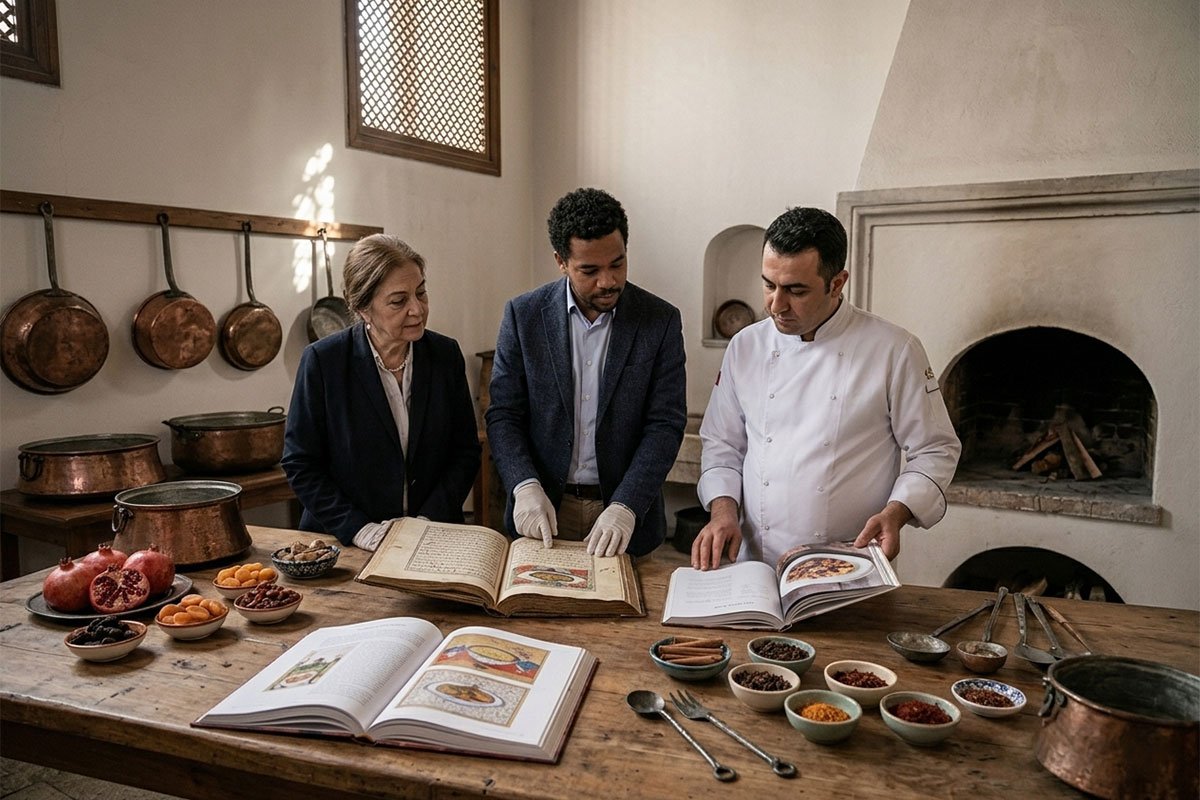
- The Palace Kitchens: Beyond the massive cauldrons, this area houses the world’s most significant collection of Chinese porcelain and Iznik ceramics. Compare the Chinese blue-and-white pieces with the Ottoman Iznik versions to see how palace artisans adapted foreign influences into a local style.
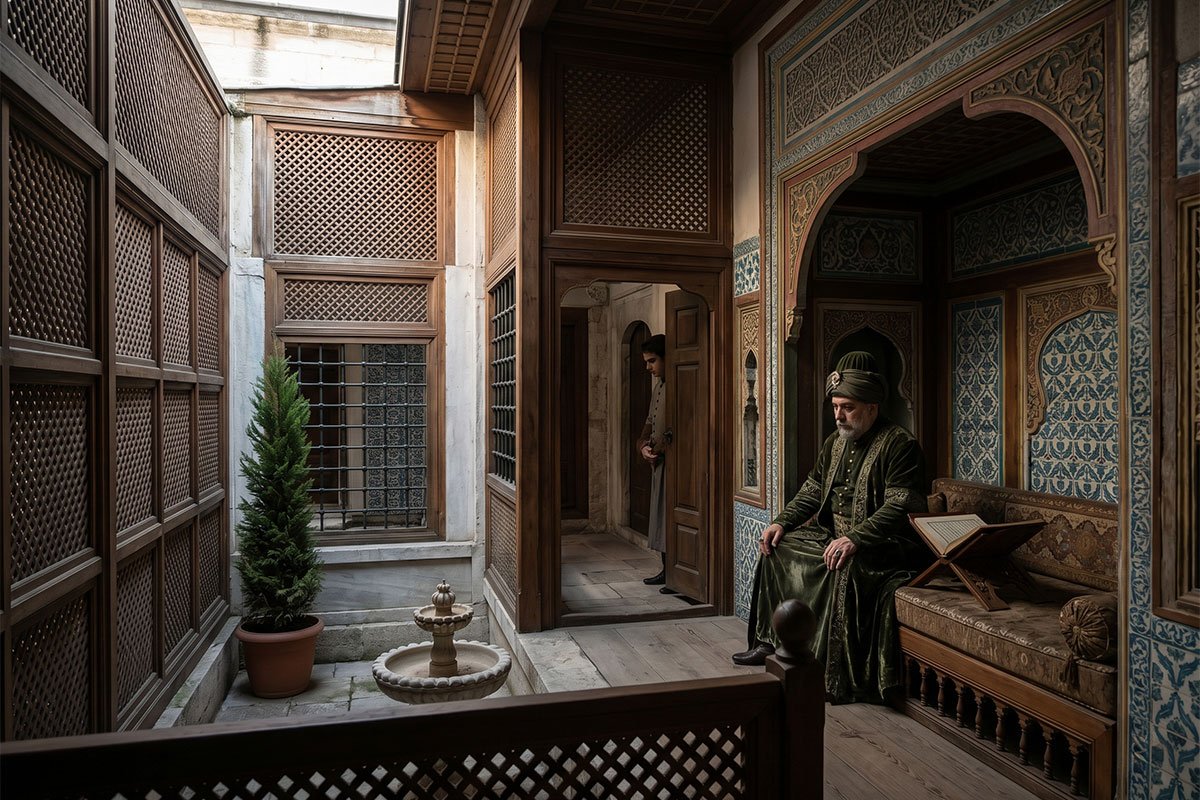
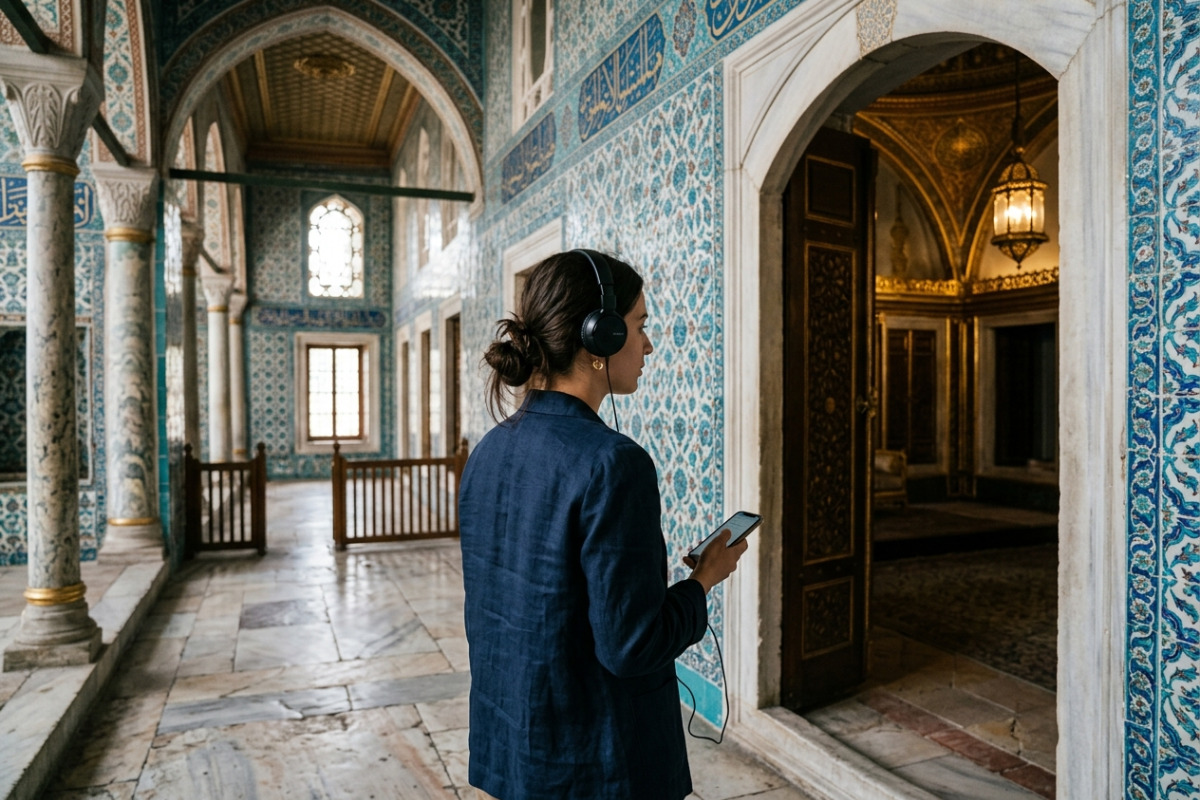
- The Harem: The walls here are a living gallery of the tile-maker’s art. The Fruit Room and the Twin Kiosks feature some of the most intricate tile work in the world, where the transition between patterns is so seamless it appears painted on a single surface.
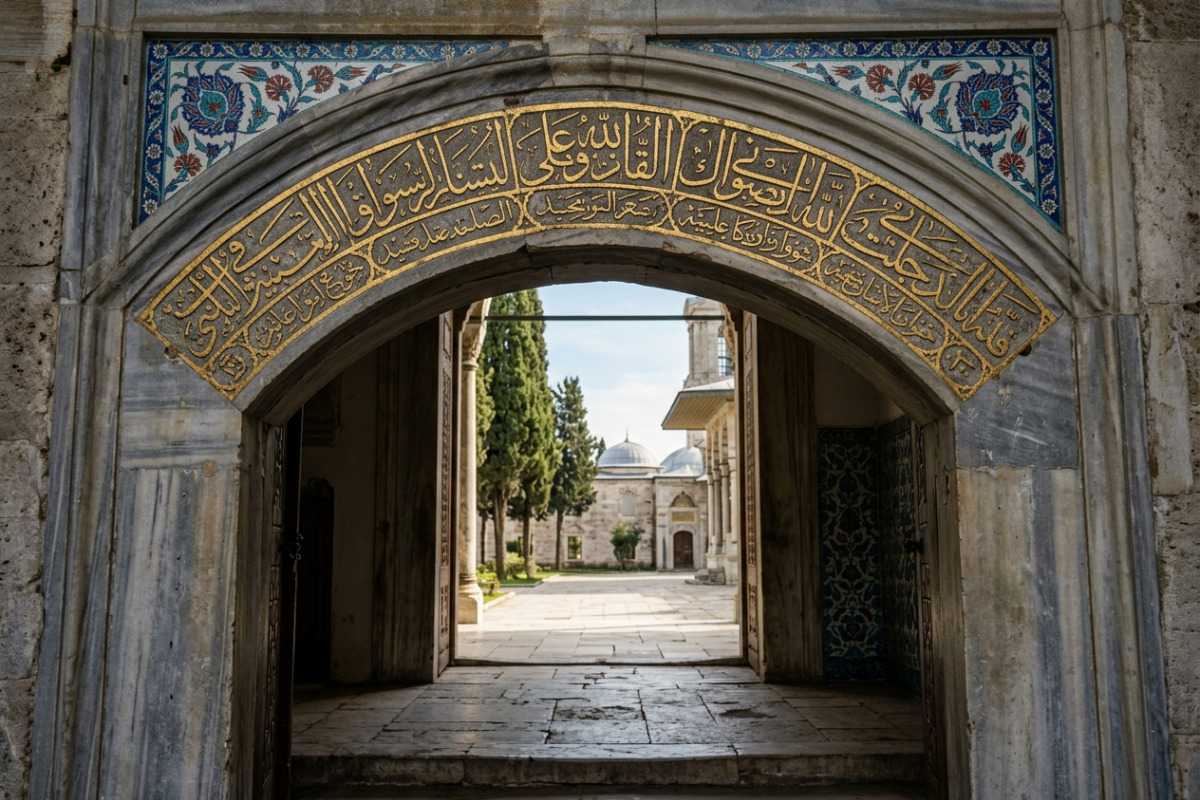
- The Sacred Relics: Here you can see the work of calligraphers and bookbinders. The ornate boxes and silk covers for the relics represent the most respectful and high-quality craftsmanship the palace could produce.
Tips for Deeper Engagement
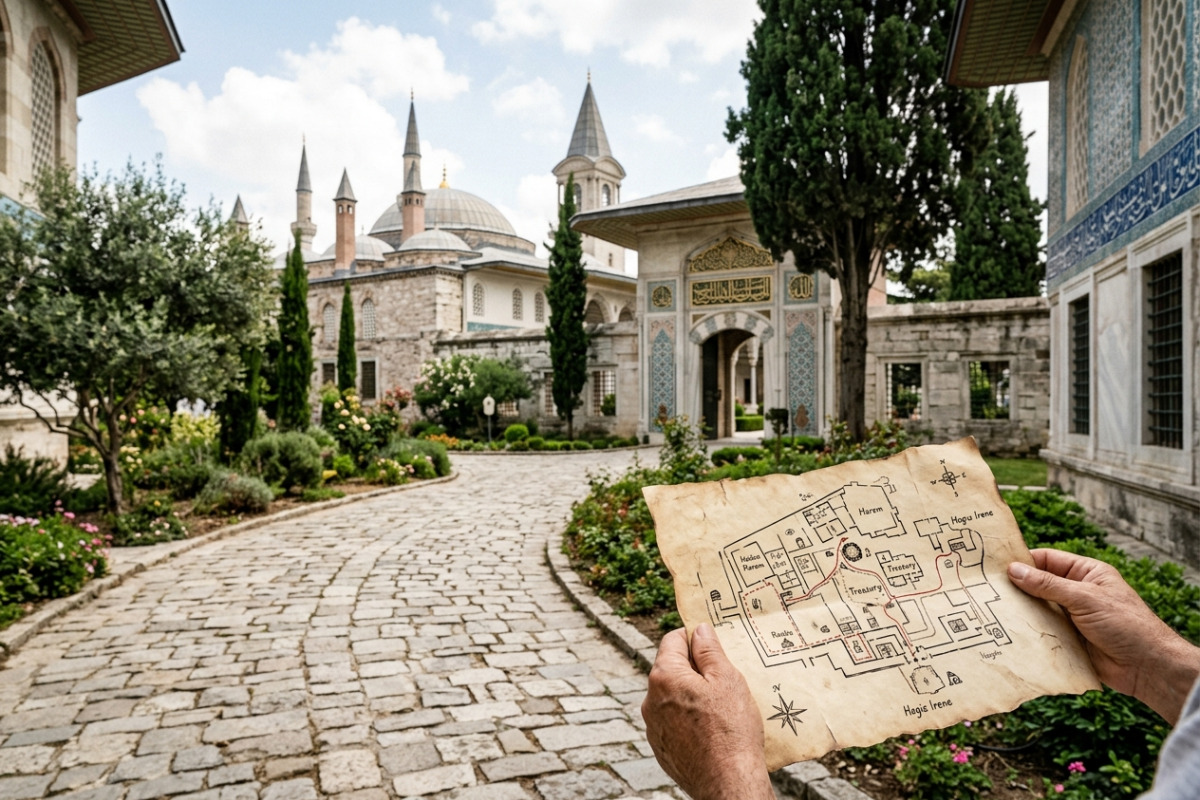
To get the most from your visit, plan a route that focuses on material categories. Start with the architectural tilework in the Harem, then move to the metalwork in the Treasury, and finally to the ceramics in the Kitchens. Allow time to read the labels—many objects include manufacturing details and provenance that illuminate how and where they were made.
Before you go, check Visiting Information for opening hours and seasonal changes. To secure your day, buy tickets in advance—this avoids queues and gives you more time to study details at leisure. For specialized questions—like conservation history or curatorial notes—refer to the palace’s exhibit captions or check the FAQ section online.
Summary: The Living Tradition
The Artisans of Topkapi Palace left a material record that helps us understand how empire, taste, and technique intertwined. These objects are not just relics of a dead empire; they are the result of thousands of hours of human focus, failed experiments, and ultimate triumphs. By examining the tool marks on a silver bowl or the slight irregularities in a hand-woven rug, you connect with the individuals who lived and worked within these walls.
Ready to see these crafts in person? Reserve your visit and skip the lines by purchasing tickets in advance. Whether you focus on tiles, jewels, or textiles, a conscious look at the makers’ marks will transform your visit into a detective journey through the heart of Ottoman artisanship.