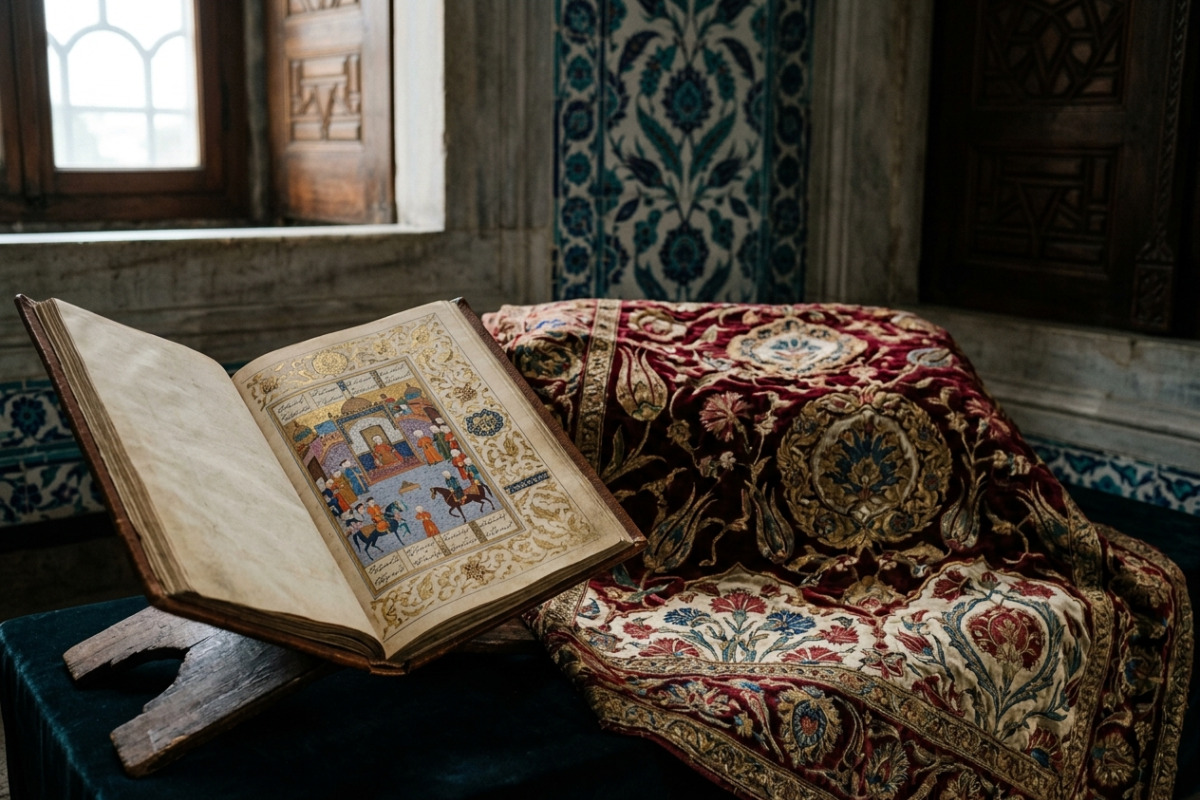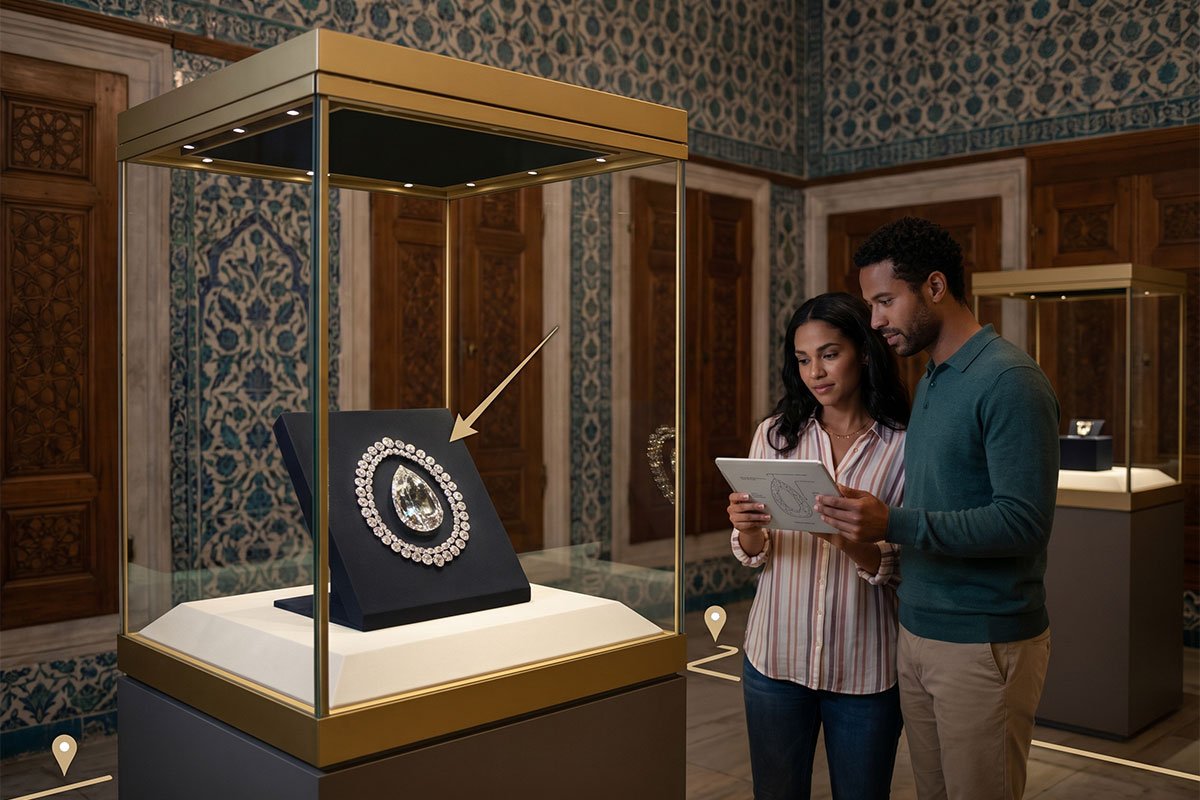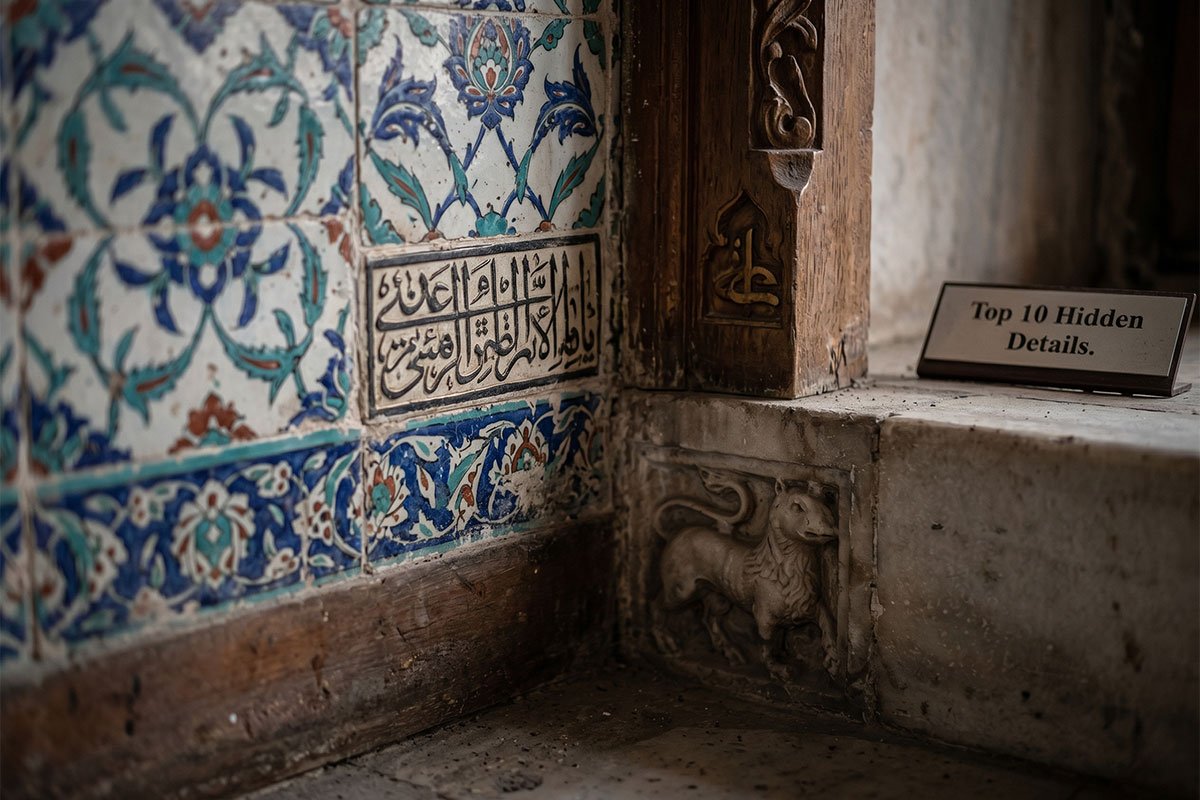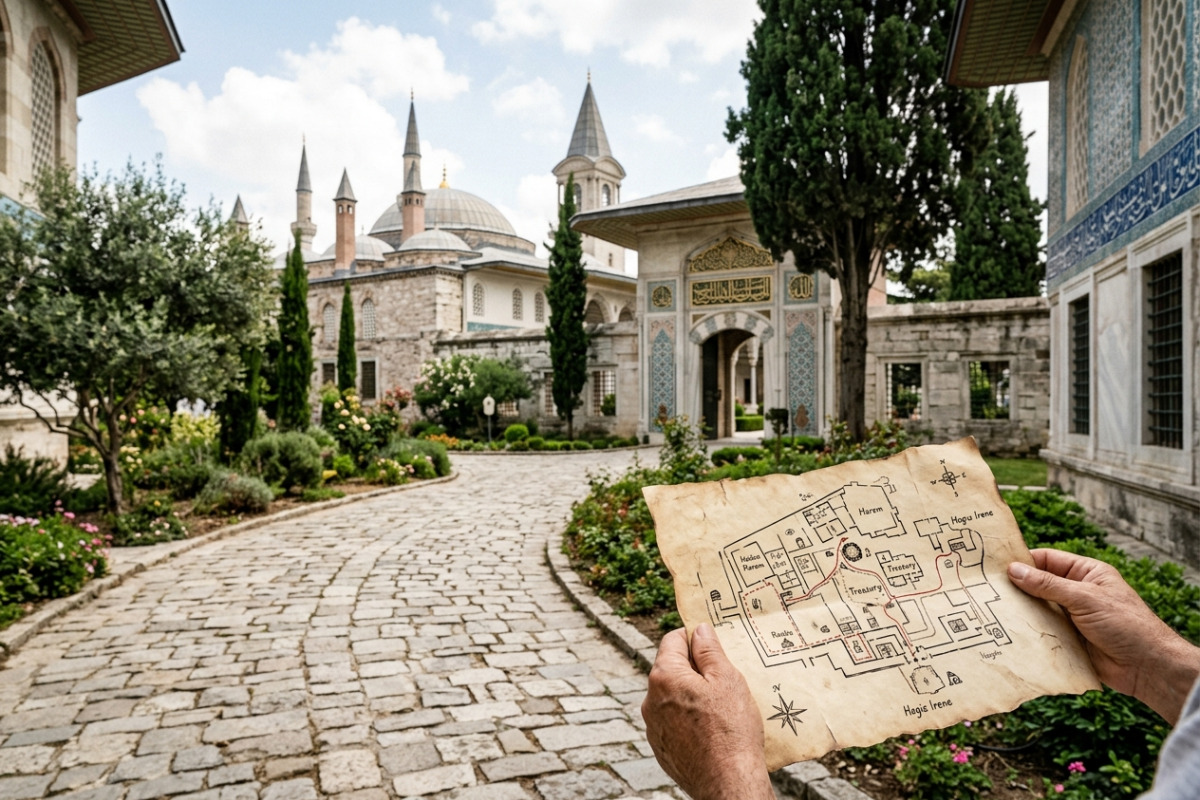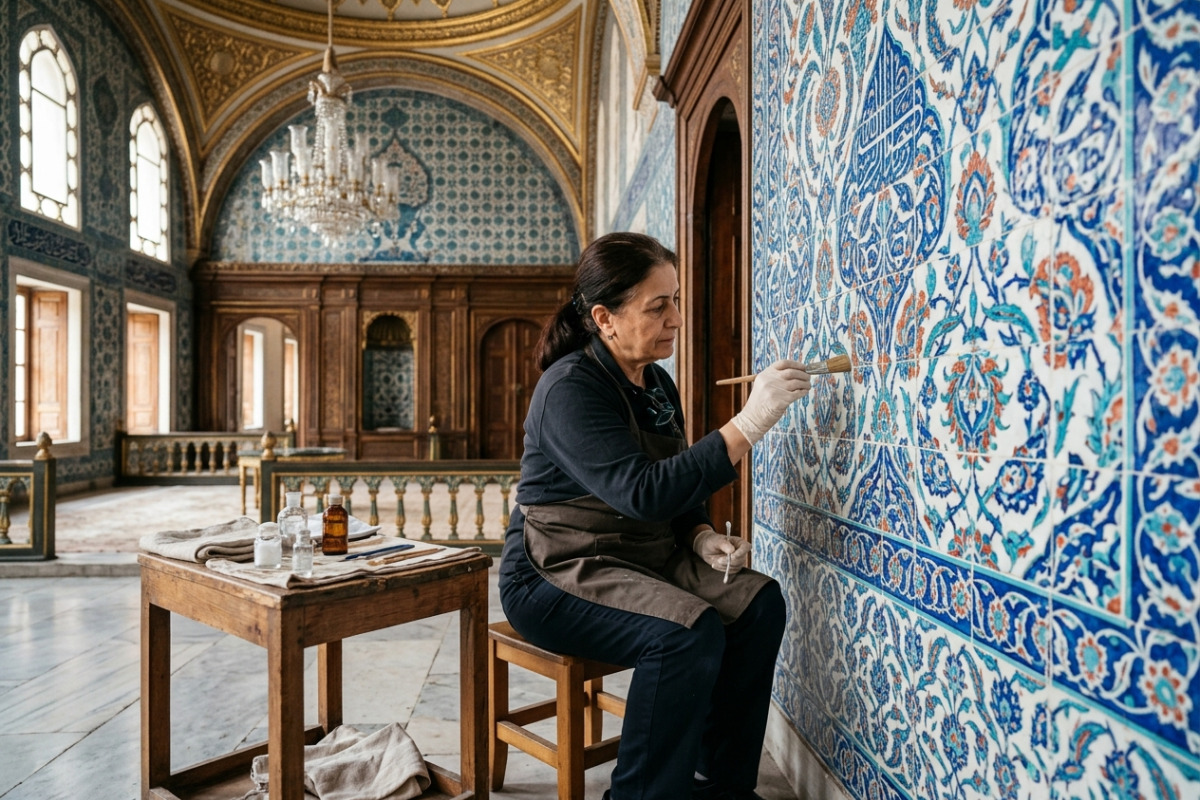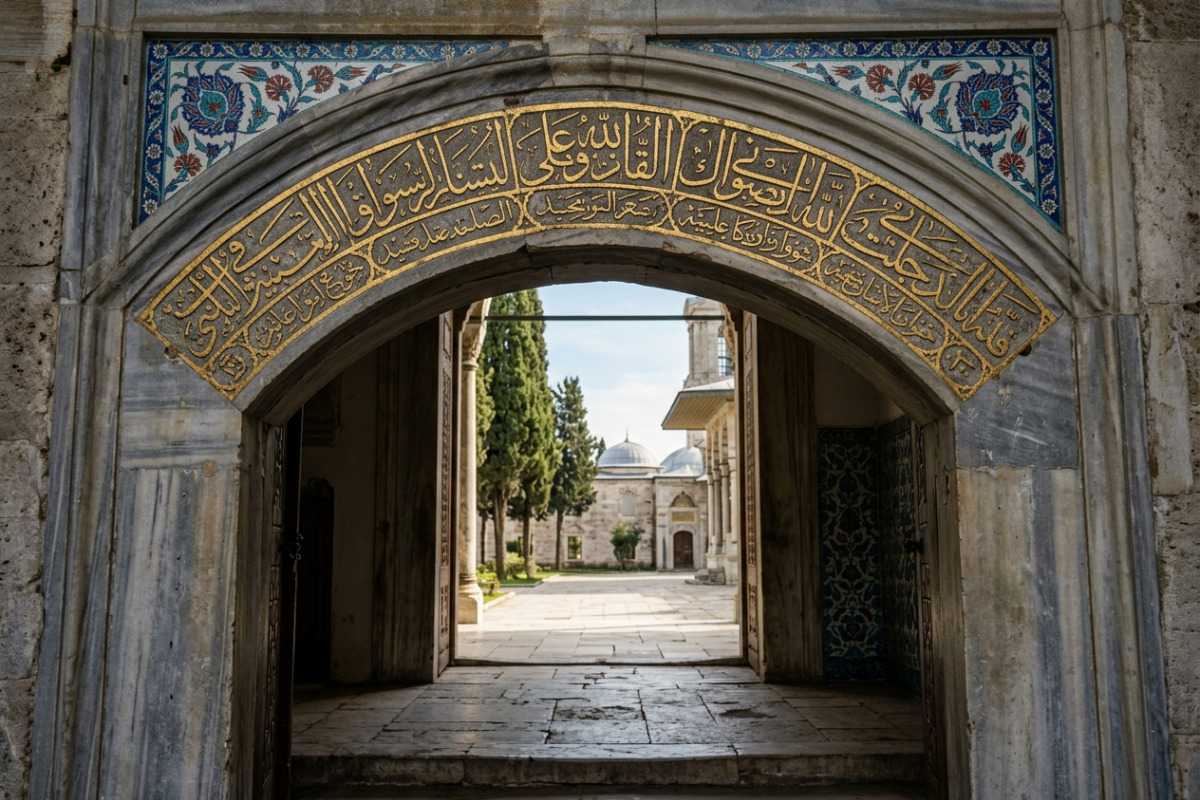
Walking through Topkapi Palace, you will notice stone panels, tiles, weapons and ceremonial objects decorated with flowing scripts and compact signatures. Topkapi Palace inscriptions are keys to the palace’s history: they name patrons, record dates, and encode religious or administrative meanings you can decipher with a few practical techniques. This guide helps you spot, interpret and photograph inscriptions so your visit becomes a reading experience as well as a visual one.
Why Topkapi Palace inscriptions matter
Inscriptions at Topkapi do more than decorate: they communicate authority, piety and provenance. Ottomans used inscriptions on gates, fountains, pavilions and objects to record who commissioned work, when it was made, and sometimes why. For a visitor, recognizing the purpose behind a text turns an aesthetic detail into a historical clue.
Many inscriptions also reflect the multicultural, administrative nature of the empire. While the script is Arabic-based, the language may be Arabic (for Quranic verses), Ottoman Turkish, or Persian (for poetry). You’ll find verses that underline religious legitimacy, sultanic names that mark ownership, and calligraphers’ signatures. Reading these layers will deepen your understanding of spaces such as the Divan, the Harem, and the Treasury, where inscriptions frequently accompany high-status objects.
Common scripts and what they tell you
Ottoman inscriptions use several distinct styles. Learning to distinguish basic scripts—such as Thuluth, Naskh, and the poetic Nasta'liq—helps you read the intent behind a plaque or a tile panel.
Below is a simple reference table to help you identify scripts at a glance.
| Script | Visual clue | Common uses |
|---|---|---|
| Kufic | Angular, geometric | Early religious panels, decorative borders |
| Thuluth | Large, flowing, decorative | Monumental headings, major gates, tile panels |
| Naskh | Compact, legible | Manuscripts, administrative labels, small objects |
| Nasta'liq | Slanted, "hanging" style | Poetic inscriptions, literary texts in the Harem |
| Tughra | Stylized sultan’s signature | Imperial ownership marks, coins, documents |
Thuluth and the monumental voice
Thuluth is the dramatic, sweeping script you’ll often see on entrance panels and major tiles. It was chosen where visibility and formality mattered. When you spot Thuluth, expect a phrase of blessing, the name of a patron, or an elevated Quranic line meant to be read from a distance.
Naskh and functional labels
Naskh appears in areas requiring legibility: inventory marks or explanatory dedications. If you find a small, neat line of Naskh near an object in the Kitchen or Treasury, it might give you the name of the craftsman, the object’s date, or an inventory number used by the palace administration.
Decoding dates, phrases and imperial marks
Dates in Ottoman inscriptions are usually expressed in the Hijri (AH) calendar and may appear as stylized numerals. Look for the word "سنة" (year) or for clustered numerals that follow formulas. Identifying it as a Hijri date tells you you’re reading a primary, contemporary record.
Certain phrases recur: Bismillah ("In the name of God") often opens dedications; Quranic verses may express protection; and the sultan’s name frequently appears within or beside a tughra, the imperial cipher. Spotting a tughra — with its looped and sweeping elements — immediately signals imperial endorsement.
- How to spot a date: look for numerals grouped together or the word "Hicri"/"سنة".
- How to spot a tughra: search for a dense, emblem-like mark often found on coins, doors, or sultanic gifts.
- Common short inscriptions: patron name + date; Quranic verse; maker’s signature + workshop.
Practical tips for visitors
When you approach an inscription, pause and take in the context. Is it near a doorway, fountain or throne room? Context often reveals whether a text is dedicatory, devotional, or administrative. For useful background on visiting logistics, consult the Visiting Information.
Use these practical rules on-site: work from distance to close-up, respect museum barriers, and avoid flash on delicate tiles. If you photograph an inscription, include a few contextual shots so you can relate location to text later. Many visitors find that pairing photos with notes about which courtyard or room (like the Gardens or pavilions) they’re in makes later interpretation far easier.
Quick field guide
- Scan for script style to estimate function (see table above).
- Look for keywords: "Bismillah", "vakıf" (endowment), or a sultan’s name.
- Record location—this helps identify administrative vs. devotional texts.
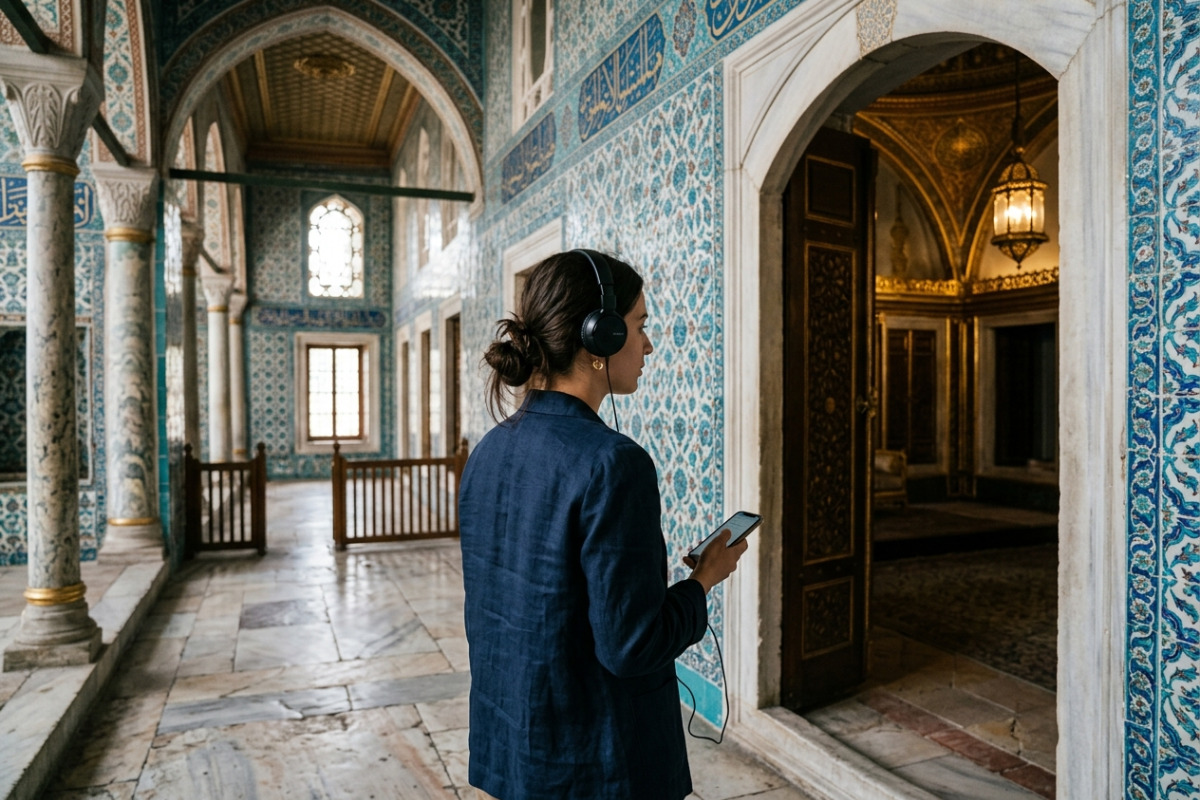
- If you want an audio explanation, consider the Audio Guide for curated commentary.
Summary and plan your visit
Reading Topkapi Palace inscriptions changes your visit from passive viewing to active inquiry. By recognizing scripts and noting context, you can unlock stories about the palace’s administrative and spiritual life. For more practical details, check our FAQ.
Ready to read history in situ? Buy your entry in advance via Tickets and consult Visiting Information to plan your time. With a little practice, the palace’s inscriptions will reward you with insights that enrich every courtyard and chamber.