Topkapi Palace, a sprawling complex overlooking the Bosphorus, isn't just a stunning architectural marvel; it's a living testament to the Ottoman Empire's power, intrigue, and cultural richness. For history buffs, a visit to Topkapi is more than just sightseeing; it's an immersion into centuries of captivating stories. This guide delves into the key events and influential figures that shaped the palace's history and, by extension, the course of the Ottoman Empire.
A Seat of Power: From Mehmed the Conqueror to the Last Sultans
Construction of Topkapi Palace began in 1459, just six years after Mehmed the Conqueror seized Constantinople (now Istanbul), marking the end of the Byzantine Empire and the beginning of a new era. For nearly four centuries, it served as the primary residence and administrative center of the Ottoman sultans. Imagine the sheer scale of decision-making that occurred within these walls – from military campaigns and diplomatic negotiations to artistic patronage and religious decrees. The palace evolved over time, reflecting the tastes and priorities of successive rulers.
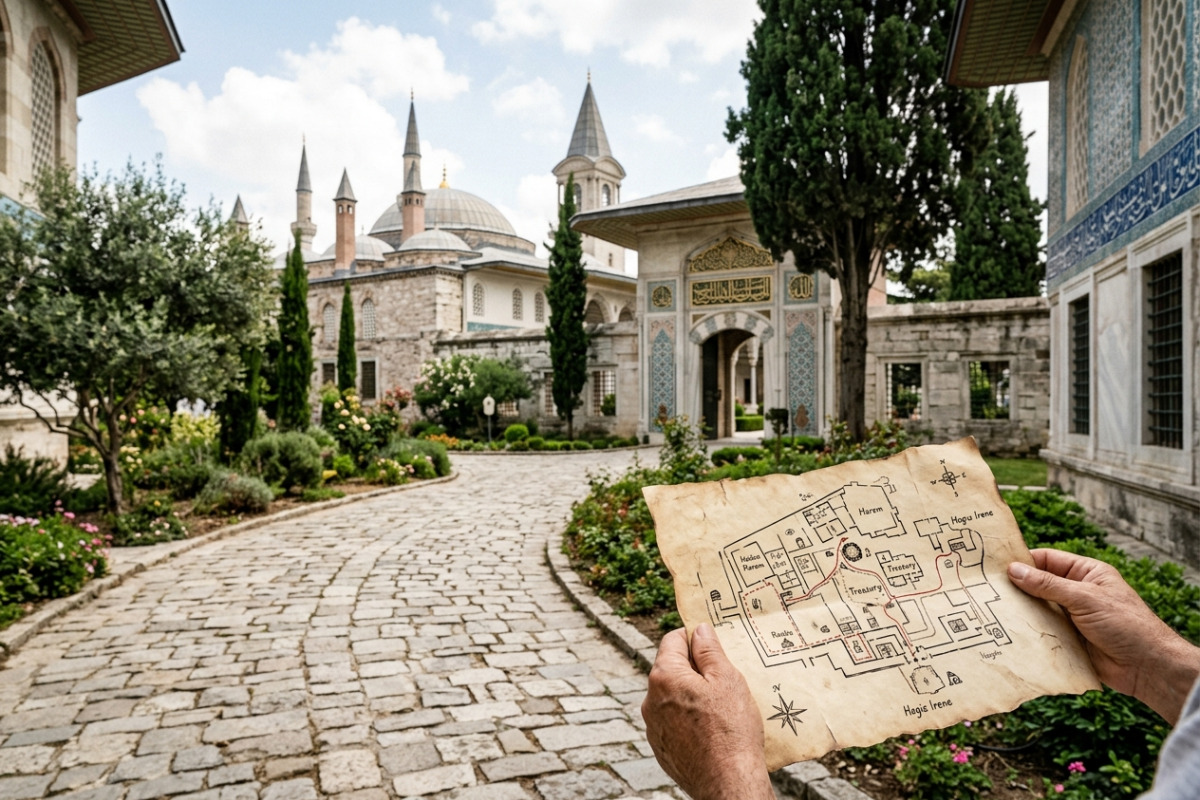
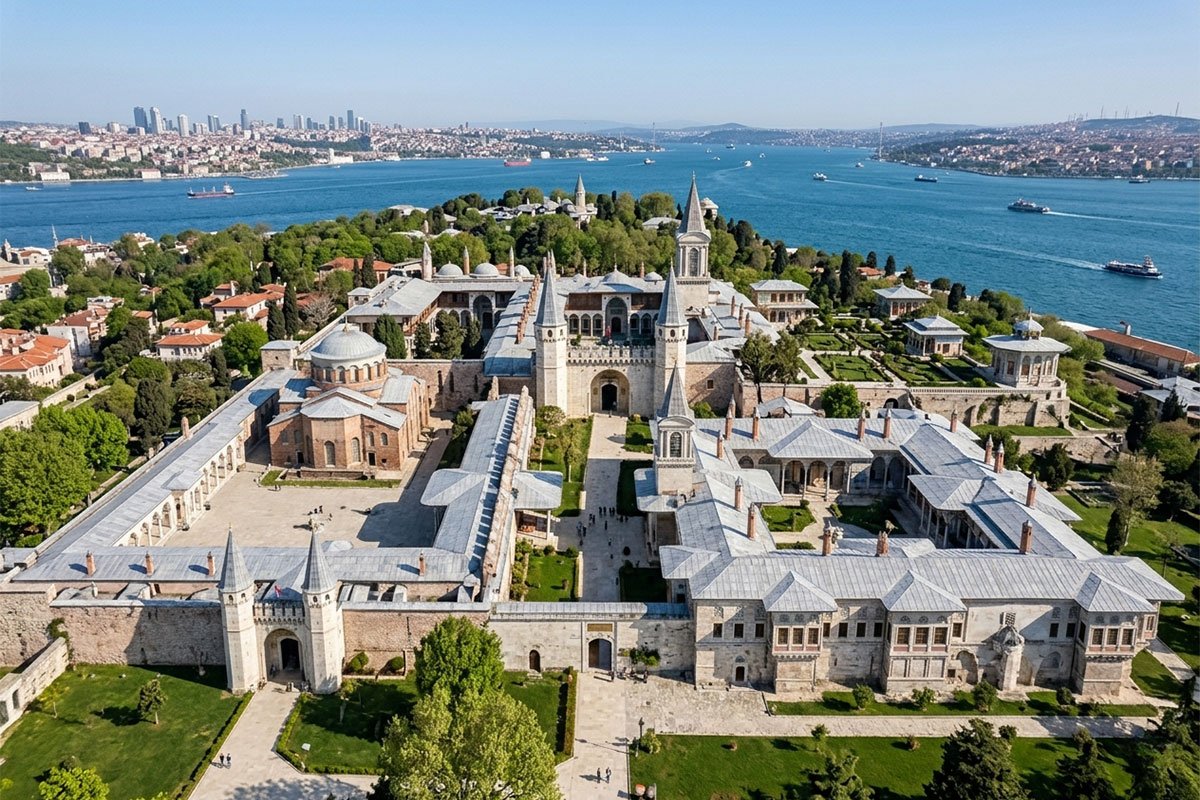
Unlike European palaces, Topkapi is not a single imposing structure but rather a collection of courtyards, pavilions, and gardens. Each section served a specific purpose, from the public Audience Chamber where the sultan received dignitaries to the private Harem, the living quarters of the sultan's family and concubines. This layout reflects the Ottoman emphasis on both public display of power and private, secluded life.
Key Events That Shaped the Palace and the Empire
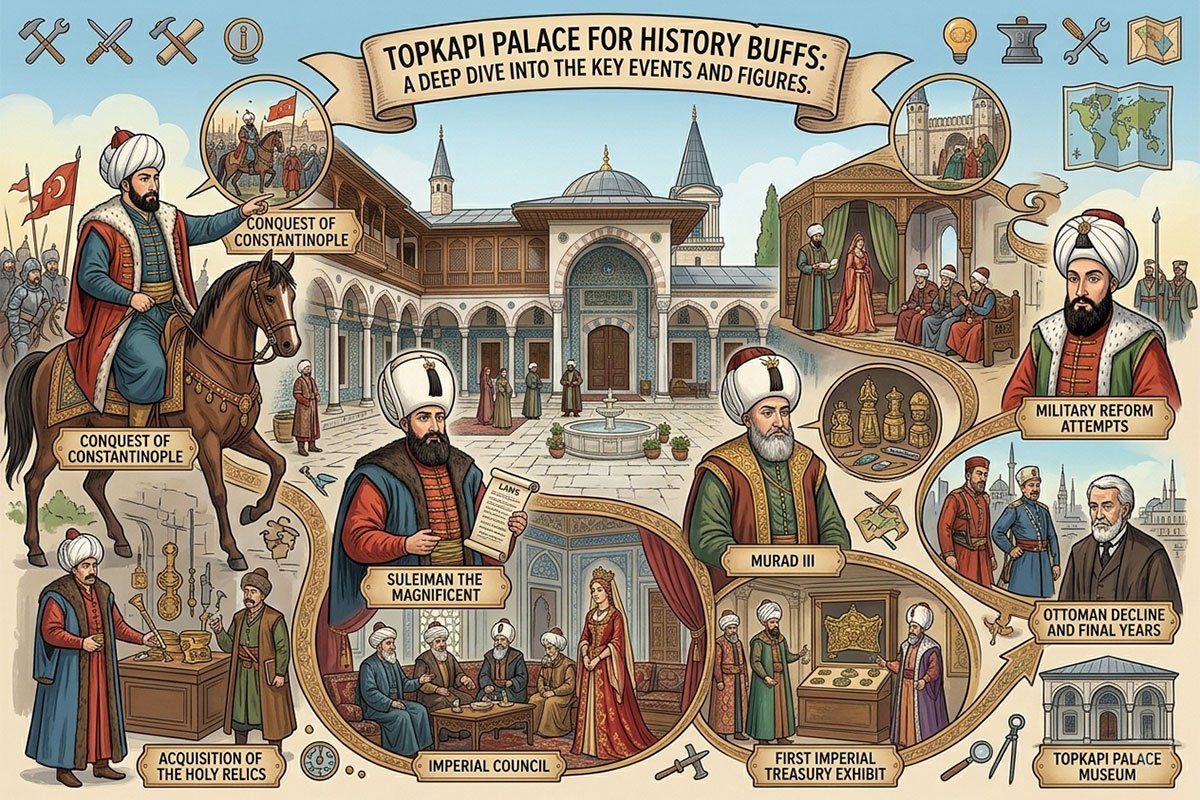
Numerous significant events unfolded within Topkapi Palace, leaving an indelible mark on Ottoman history. Here are a few examples:
- The Reign of Suleiman the Magnificent (1520-1566): Often considered the golden age of the Ottoman Empire, Suleiman's reign saw significant expansion, legal reforms, and artistic flourishing. His influence is evident throughout the palace, particularly in the opulent Harem and the expansion of the palace grounds.
- The Harem Intrigues: The Harem, often shrouded in mystery and misconception, was a complex social and political space. Powerful women, including the Valide Sultan (the sultan's mother) and influential concubines, wielded considerable influence, often shaping imperial policy through their relationships with the sultan.
- The Tulip Era (1718-1730): This period, marked by a fascination with European culture and a flourishing of the arts, saw the introduction of new architectural styles and garden designs within the palace. The Topkapi Palace Gardens themselves are a testament to this era.
- The Tanzimat Reforms (1839-1876): These reforms, aimed at modernizing the Ottoman Empire, gradually shifted power away from the sultan and towards a more centralized government. While Topkapi remained a symbol of imperial authority, its role as the primary seat of power diminished as the sultans increasingly favored other palaces like Dolmabahçe.
- The Deposition of Sultan Abdülaziz (1876): A turbulent period in Ottoman history, the deposition of Sultan Abdülaziz within the palace walls highlighted the growing internal struggles and the weakening of the Sultanate. This event paved the way for further reforms and ultimately contributed to the decline of the Empire.
Influential Figures: Sultans, Viziers, and Beyond
Topkapi Palace was home to a diverse cast of characters, each playing a role in shaping the empire's destiny. Some of the most influential figures include:
- Mehmed the Conqueror: The founder of the palace and the architect of Ottoman expansion. His vision transformed Constantinople into a thriving imperial capital.
- Suleiman the Magnificent: A visionary ruler who oversaw a period of unprecedented prosperity and cultural achievement. His reign is synonymous with the height of Ottoman power.
- Roxelana (Hürrem Sultan): Suleiman's wife, a former slave who rose to become one of the most powerful women in Ottoman history. Her influence on Suleiman and Ottoman politics was profound.
- The Grand Viziers: The chief ministers of the Ottoman Empire, who played a crucial role in advising the sultan and managing the day-to-day affairs of the state. The Imperial Council (Divan) was where they met to discuss important matters.
- The Janissaries: An elite corps of soldiers who served as the sultan's personal guard and a key component of the Ottoman army. Their loyalty and discipline were essential to the empire's military success.
- Kösem Sultan: Another powerful woman in the Harem, Kösem Sultan served as Valide Sultan and regent for her young sons, wielding immense political influence during a period of instability. Her story is one of ambition, intrigue, and the complex dynamics of the Ottoman court.
Exploring the Palace's Treasures: Relics, Artifacts, and Architectural Wonders
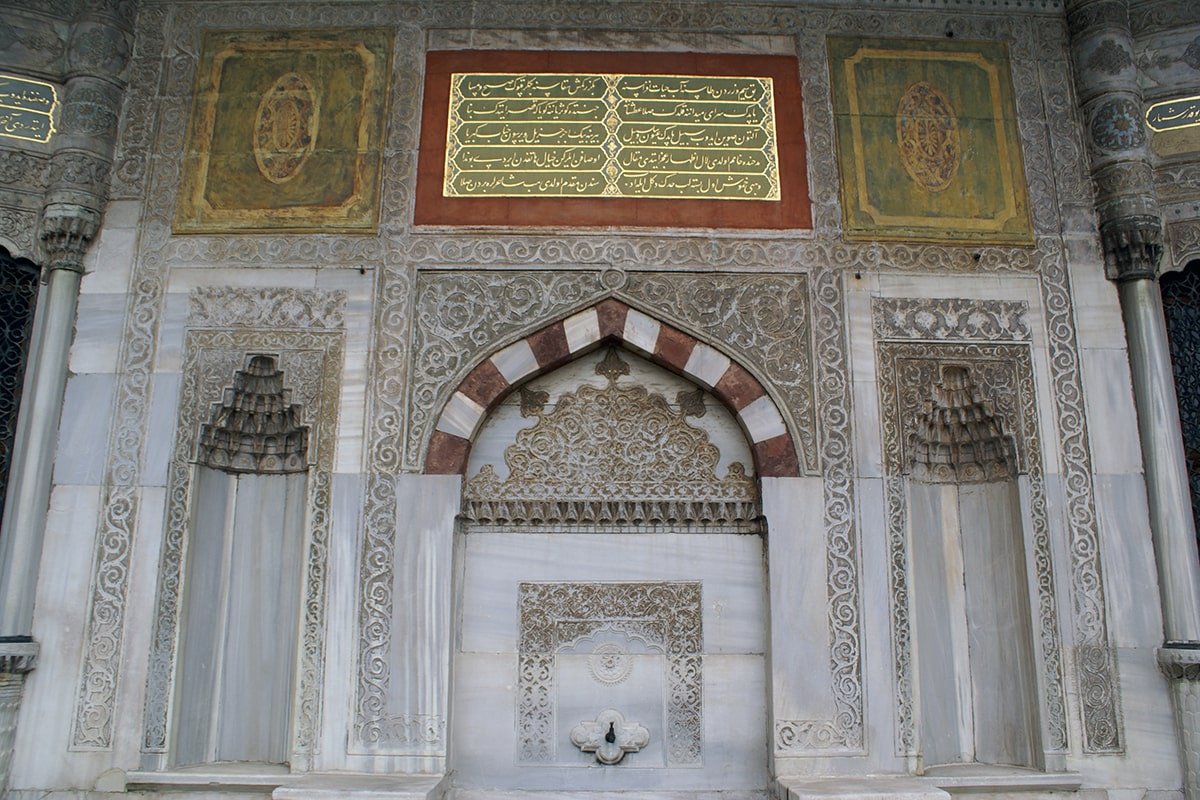
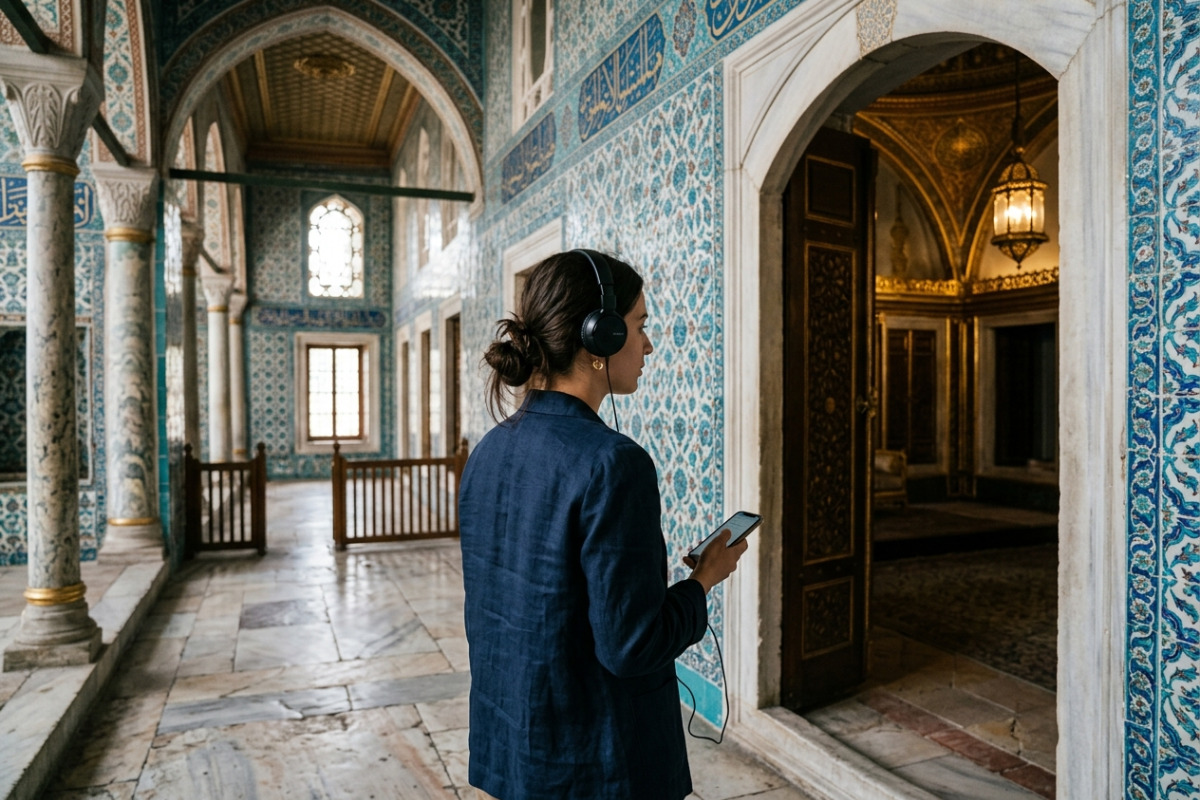
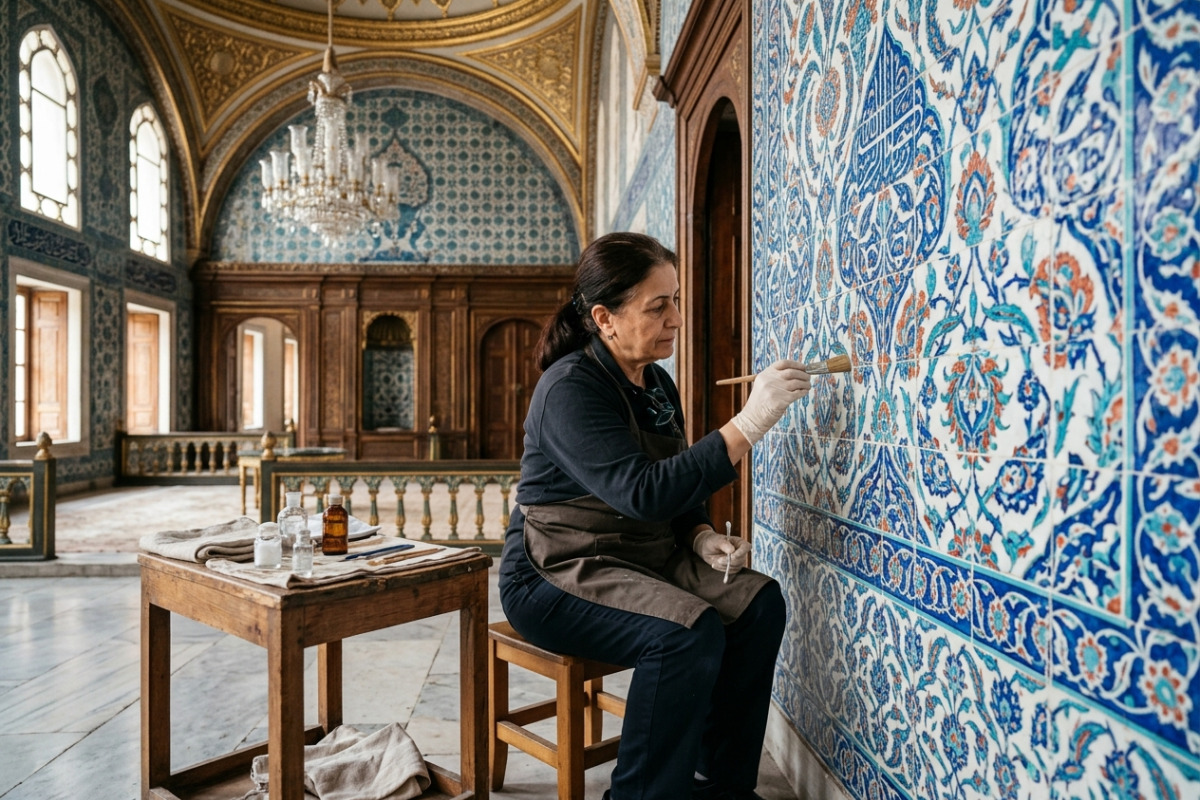
Beyond its historical significance, Topkapi Palace is also home to an extraordinary collection of artifacts and treasures. The Sacred Relics & Treasury houses priceless Islamic artifacts, including the Prophet Muhammad's cloak and sword. The imperial treasury displays a dazzling array of jewels, gold, and weapons, showcasing the wealth and power of the Ottoman sultans. Don't miss the stunning Iznik tiles that adorn many of the palace's walls, showcasing the exquisite craftsmanship of Ottoman artisans. The Topkapi Palace Kitchen is another must see, offering a glimpse into the culinary traditions of the Ottoman court.
Planning Your Visit: Tips for History Enthusiasts
To make the most of your visit to Topkapi Palace, consider these tips:
- Allow ample time: Topkapi is a vast complex, and you'll need at least half a day to explore it thoroughly.
- Hire a guide: A knowledgeable guide can provide invaluable insights into the palace's history and architecture.
- Visit early in the morning: To avoid the crowds and the heat, arrive early in the day.
- Wear comfortable shoes: You'll be doing a lot of walking!
- Consider purchasing Skip-the-Line Tickets: This can save you valuable time, especially during peak season.
- Check the FAQ for common questions: Ensure you have all the information you need before your visit.
A Legacy of Power and Intrigue
Topkapi Palace stands as a powerful reminder of the Ottoman Empire's enduring legacy. Its walls echo with the voices of sultans, viziers, and courtiers, recounting tales of conquest, diplomacy, and cultural exchange. For history buffs, a visit to Topkapi is an unforgettable journey into the heart of one of history's most fascinating empires. By exploring its courtyards, pavilions, and treasures, you'll gain a deeper understanding of the events and figures that shaped not only the Ottoman Empire but also the world.