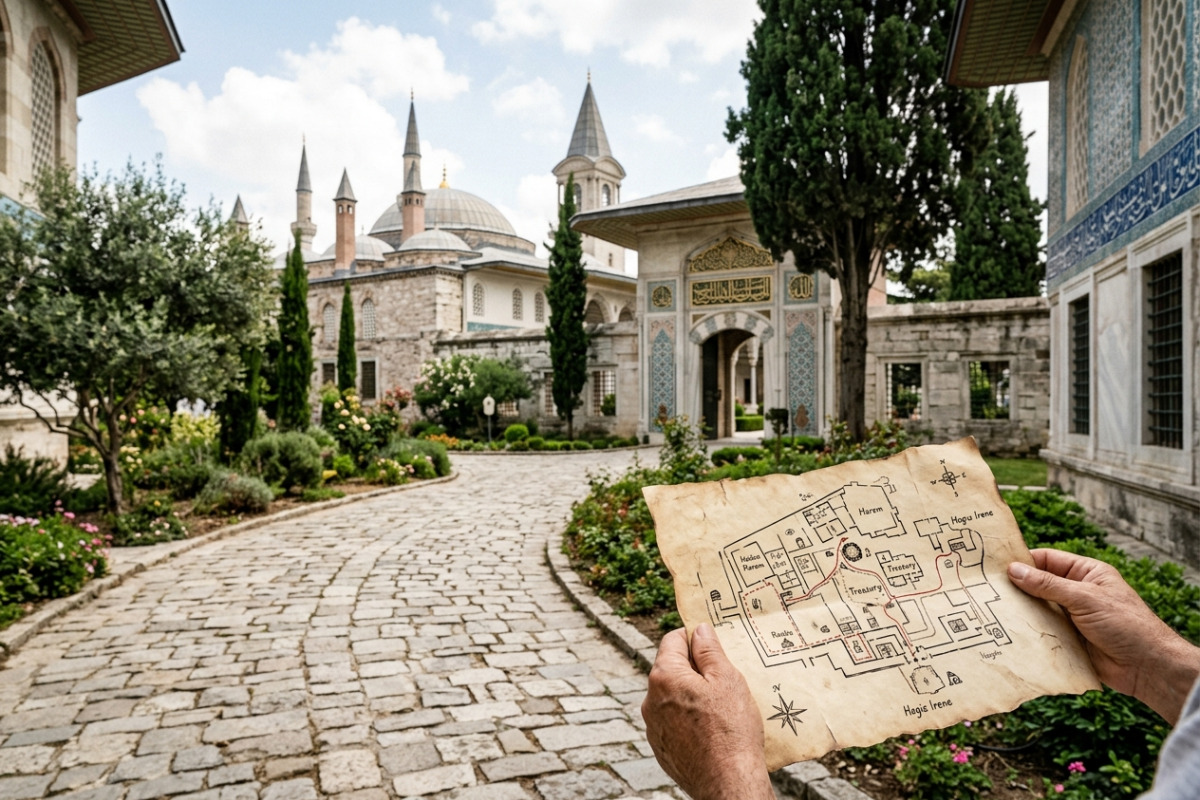
Stepping into the Harem of Topkapi Palace is like entering another world, a labyrinth of opulent chambers and hidden stories. Many visitors, armed with their Harem ticket, find themselves overwhelmed by the sheer scale and intricate layout. This self-guided walkthrough aims to demystify the Harem, highlighting the most important rooms and revealing the significance of each space, ensuring you make the most of your visit.
Forget wandering aimlessly; we'll guide you through the key areas, explaining their historical context and the roles of the individuals who once inhabited them. From the eunuchs who guarded the Harem's secrets to the powerful Valide Sultan, each room holds a piece of the Ottoman Empire's captivating history. So, grab your Harem ticket, and let's begin our journey through this fascinating part of Topkapi Palace.
Starting Your Topkapi Palace Harem Self-Guided Tour
Before diving into the rooms, it's helpful to understand the Harem's basic structure. Think of it as a series of interconnected apartments and courtyards, each serving a specific purpose. The Harem was home to the Sultan's mother (Valide Sultan), consorts, concubines, children, and servants, all under the watchful eyes of the eunuchs.
The Courtyard of the Eunuchs: The First Encounter
Your journey begins in the Courtyard of the Eunuchs, the first space you encounter after entering the Harem. This area served as the eunuchs' living quarters and administrative center. Observe the simple architecture compared to the later, more lavish rooms. The relatively plain design reflects the eunuchs' role as servants, despite their position of power and influence within the Harem.
- Notice the small rooms lining the courtyard, these were the eunuchs' individual chambers.
- Consider the strategic location of this courtyard, it controls access to the rest of the Harem.
The Main Gate and the Chief Black Eunuch's Apartment
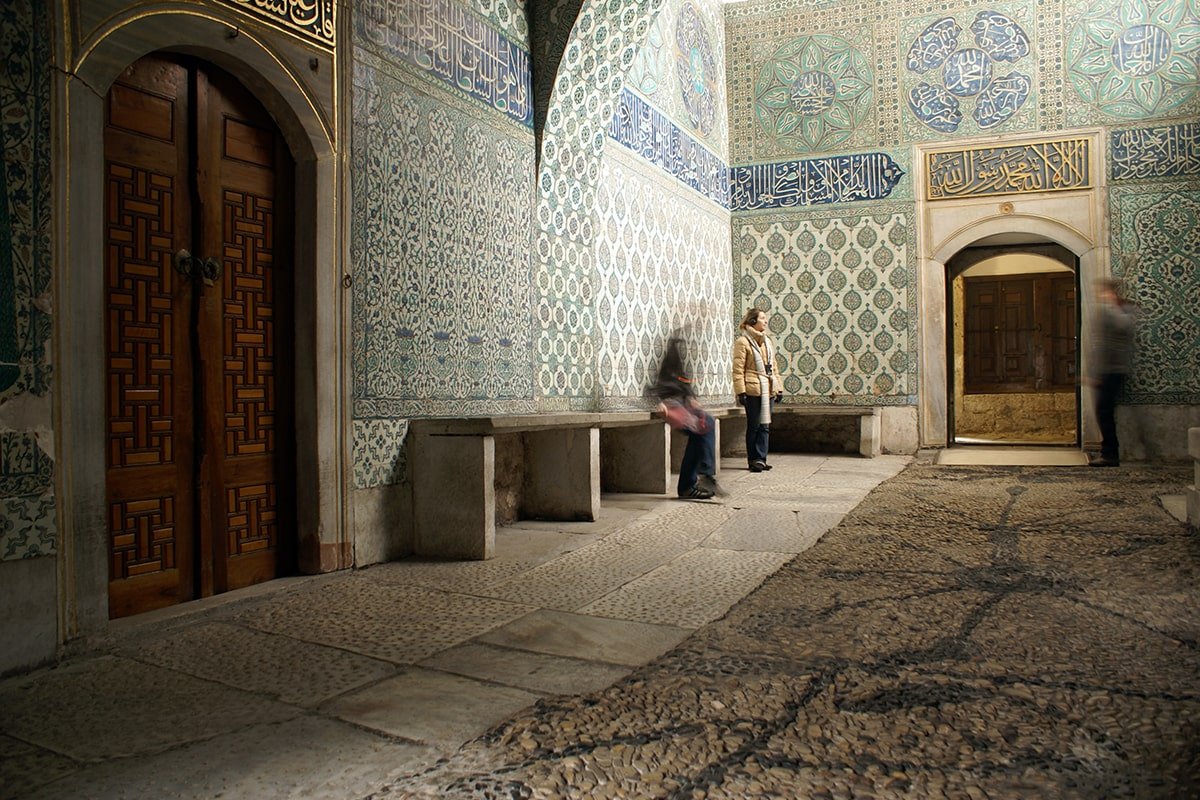
Passing through the Main Gate, you'll find yourself in a more decorated area. Here lies the apartment of the Chief Black Eunuch, the most powerful eunuch in the Harem. The intricate tilework and slightly larger rooms indicate his elevated status. He was the gatekeeper, responsible for maintaining order and security within the Harem.
The Harem Treasury
A small chamber off the Courtyard of the Eunuchs served as the Harem Treasury. This is where valuable items, including jewels and money, belonging to the women of the Harem were stored. It highlights the wealth and influence these women possessed.
The Apartments of the Valide Sultan: The Heart of Power
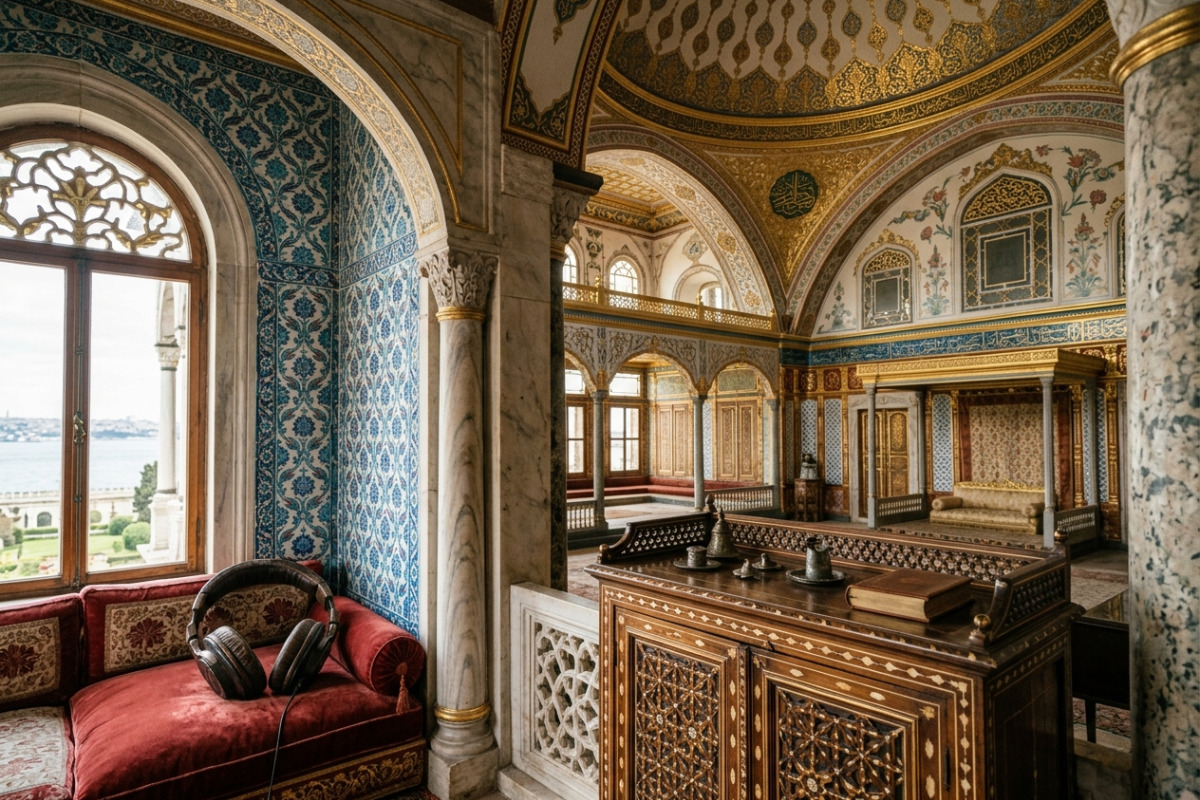
Next, you'll ascend to the Apartments of the Valide Sultan, the Sultan's mother. This is arguably the most important area within the Harem. The Valide Sultan wielded considerable power and influence, often playing a significant role in political affairs. Her apartments reflect her status, boasting lavish decorations, intricate tilework, and stunning views. The opulence here is truly breathtaking.
- Pay close attention to the fireplace, often adorned with intricate designs.
- Admire the views from the windows, offering glimpses of the city and the Bosphorus.
- Imagine the political intrigues and power struggles that unfolded within these walls.
The Sultan's Apartments: A Glimpse into Royal Life
The Sultan's Apartments, connected to the Valide Sultan's, offer a glimpse into the Sultan's personal life. These rooms, used for relaxation and entertainment, are equally opulent, showcasing the wealth and extravagance of the Ottoman court. Note the differences in style and decoration compared to the Valide Sultan's apartments, reflecting the Sultan's personal tastes.
The Imperial Hall (Hall with Fireplace)
The Imperial Hall, also known as the Hall with Fireplace, is a large reception hall used for official ceremonies and entertainment. This impressive space showcases a blend of Ottoman and European architectural styles. The elaborate decorations, including intricate tilework, gilded details, and a large fireplace, are designed to impress.
The Baths (Hamams): Ritual and Relaxation
The Harem also includes several baths, or hamams, used for ritual cleansing and relaxation. These baths, often adorned with marble and intricate tilework, provide insight into the daily lives of the women of the Harem. Notice the different sections for hot, warm, and cold bathing.
The Fruit Room
The Fruit Room, decorated with exquisite fruit and flower motifs, served as a dining area for the Sultan. The vibrant colors and detailed artwork create a cheerful and inviting atmosphere. It is a beautiful example of Ottoman artistry.
The Concluding Rooms
As you continue your Topkapi Palace Harem self-guided tour, you'll encounter various other rooms, including those belonging to the Sultan's consorts and children. While each room has its own unique charm, remember to focus on the key areas highlighted above to gain a comprehensive understanding of the Harem's history and significance. Take your time to soak in the atmosphere and imagine the lives of those who once inhabited these spaces.
Tips for Your Topkapi Palace Harem Visit
- Purchase your Harem ticket in advance: This will save you time and allow you to skip the ticket line.
- Visit early in the morning: The Harem can get crowded, especially during peak season. Arriving early will allow you to explore the rooms in relative peace.
- Allow ample time: The Harem is a large and complex area. Plan to spend at least 2-3 hours exploring its various rooms and courtyards.
- Wear comfortable shoes: You'll be doing a lot of walking, so comfortable shoes are essential.
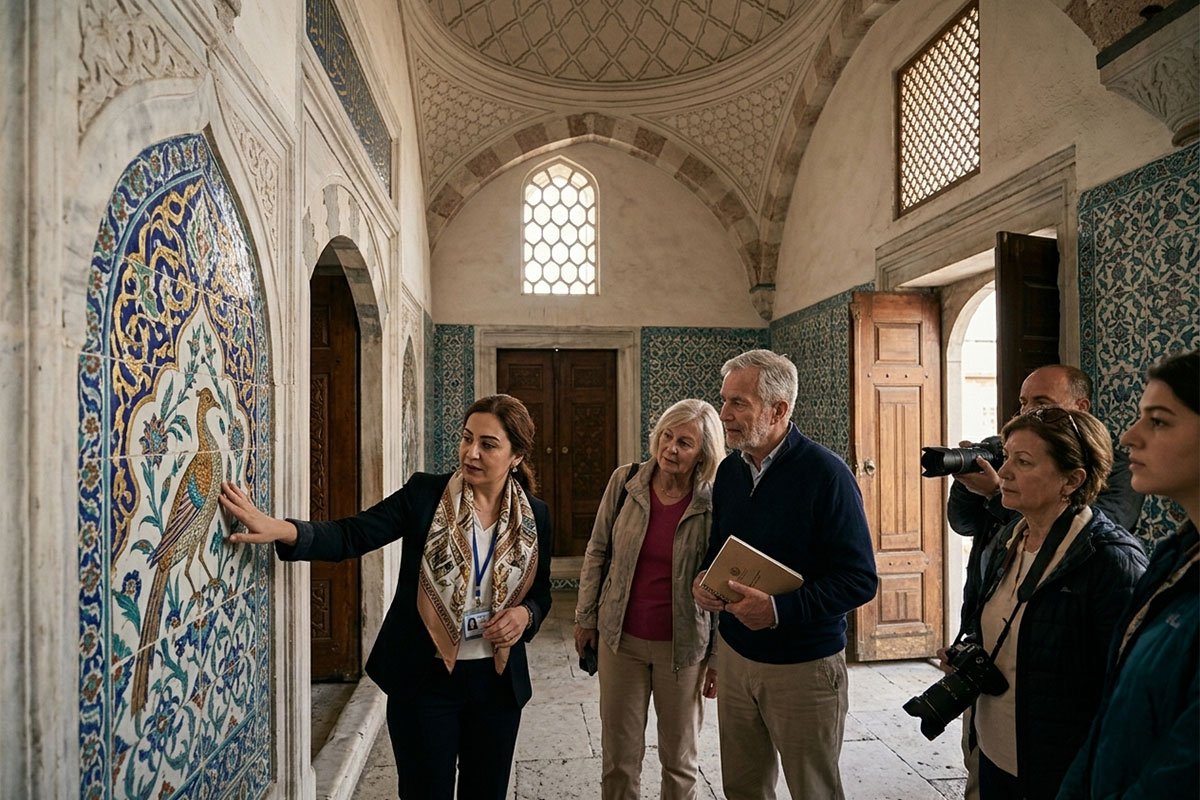
- Consider a guided tour: While this self-guided tour provides a comprehensive overview, a guided tour can offer even more in-depth information and insights. However, if you prefer exploring at your own pace, this guide offers the perfect alternative for your Topkapi Palace Harem self-guided experience.
By following this self-guided walkthrough, you'll gain a deeper appreciation for the history and significance of the Topkapi Palace Harem. You'll discover the key rooms, understand the roles of the individuals who lived there, and leave with a lasting impression of this fascinating part of Ottoman history. Enjoy your journey!