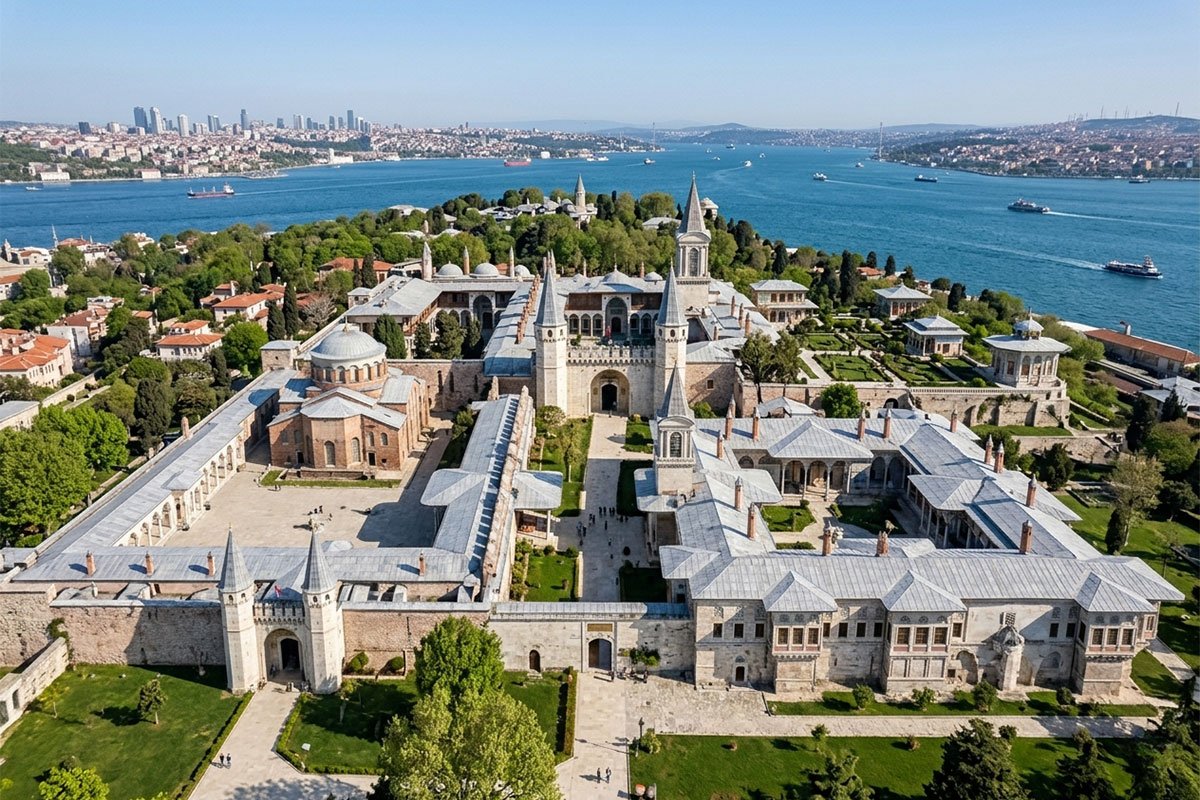
Imagine stepping through the grand gates of Topkapi Palace, not as a modern-day tourist, but as a member of the Ottoman court. Feel the weight of history beneath your feet as you traverse the courtyards where sultans once held audiences, and explore the opulent chambers where political strategies were forged. Topkapi Palace, a sprawling complex overlooking the Golden Horn, wasn't just a residence; it was the heart of the Ottoman Empire, a place where power, tradition, and daily life intertwined.
Daily Life in the Palace
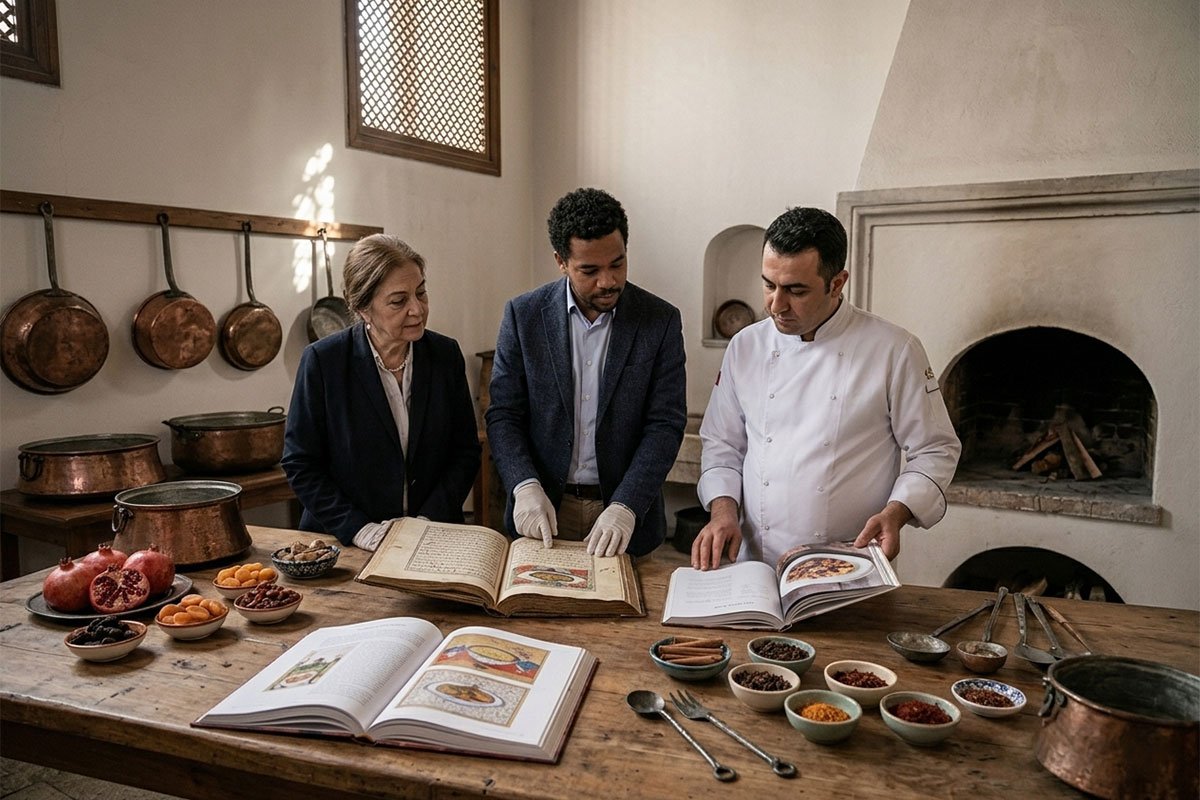
Life within Topkapi Palace was a carefully orchestrated dance of power, ritual, and routine. The Sultan, at the apex of the hierarchy, resided in the innermost quarters, accessible only to a select few. The palace buzzed with activity from dawn till dusk, with hundreds of servants, officials, and members of the royal family carrying out their duties. From the preparation of elaborate meals in the Topkapi Palace Kitchen to the meticulous upkeep of the palace gardens, every aspect of life was meticulously managed.
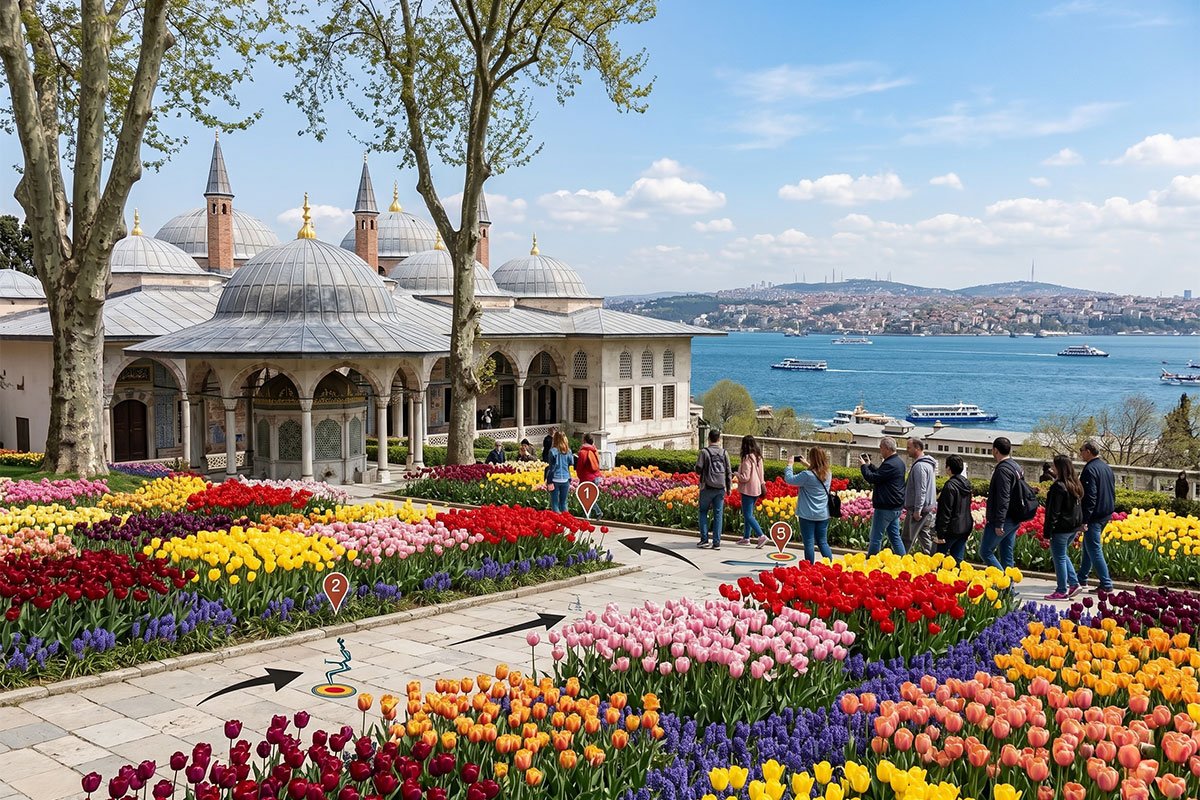
The daily routine of the Sultan was a blend of official duties and personal pursuits. He would receive dignitaries, preside over council meetings, and attend religious ceremonies. In his leisure time, he might indulge in calligraphy, poetry, or simply enjoy the tranquility of the palace gardens. The vibrant Topkapi Palace Gardens offered respite from the intense political atmosphere, providing a space for reflection and recreation.
The Harem: Beyond the Myths
Perhaps the most enigmatic part of Topkapi Palace is the Harem. Often shrouded in mystery and misconception, the Harem was far more than just a collection of concubines. It was a complex social institution where the Sultan's mother, wives, and female relatives resided, along with numerous servants and educators. The women of the Harem wielded considerable influence, often playing significant roles in palace politics and cultural patronage. Learning more about the Harem offers a deeper understanding of Ottoman society and the role of women within it.
The Imperial Council (Divan): The Seat of Power
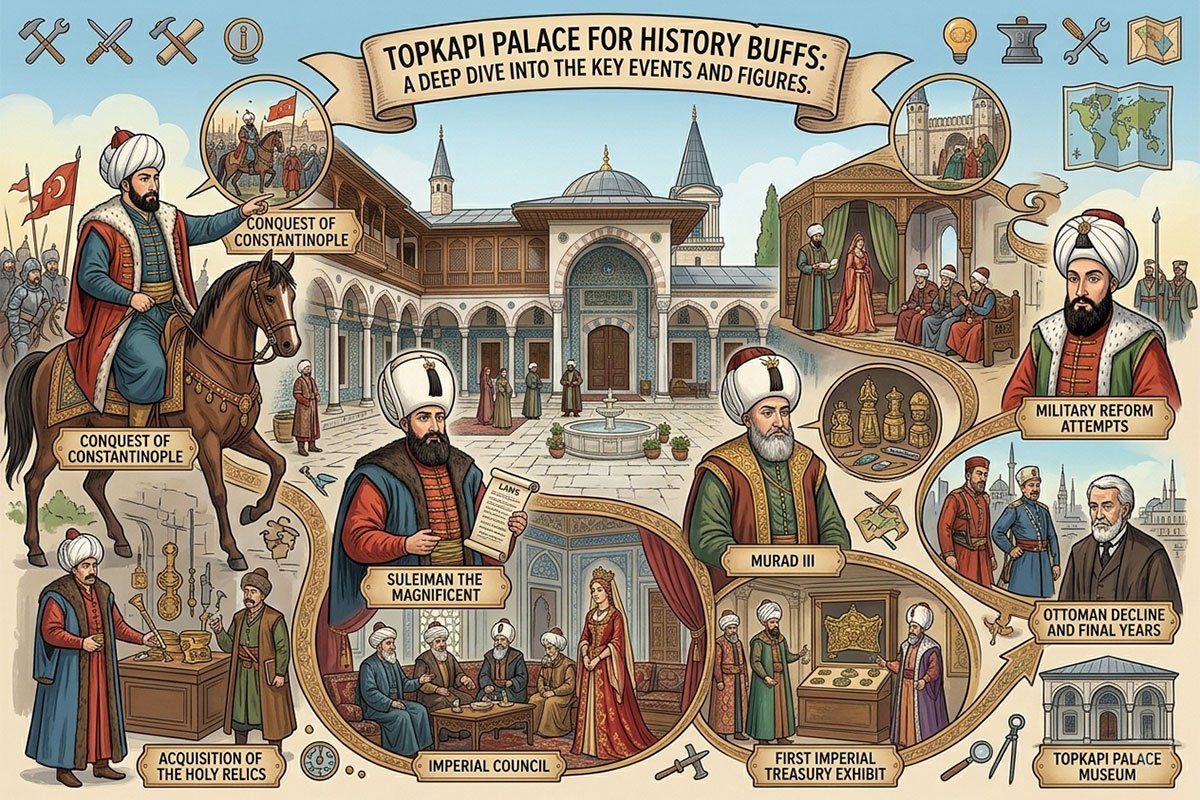
The Imperial Council (Divan) was the center of Ottoman governance. Here, the Grand Vizier and other high-ranking officials met regularly to discuss matters of state, formulate policies, and administer justice. The Sultan would often observe these proceedings from behind a screened window, ensuring his ultimate authority while allowing for open debate and discussion. The Divan offers a fascinating glimpse into the inner workings of the Ottoman Empire and the complex decision-making processes that shaped its history.
Sacred Relics & Treasury: A Display of Power and Piety
The Sacred Relics & Treasury of Topkapi Palace is a testament to the wealth and power of the Ottoman Empire, as well as its deep religious devotion. The treasury houses a dazzling collection of jewels, gold artifacts, and precious stones, showcasing the empire's vast resources and artistic prowess. The Sacred Relics, including items believed to have belonged to the Prophet Muhammad, hold immense religious significance and attract pilgrims from across the Muslim world.
Some of the highlights include:
- The Spoonmaker's Diamond: One of the largest and most exquisite diamonds in the world.
- The Topkapi Dagger: A masterpiece of craftsmanship adorned with emeralds and diamonds.
- Relics of Prophet Muhammad: Including his cloak, sword, and footprint.
Planning Your Visit to Topkapi Palace
A visit to Topkapi Palace is a journey through time, offering a unique perspective on Ottoman history and culture. To make the most of your experience, consider these tips:
- Plan Ahead: Topkapi Palace is a popular destination, so it's advisable to purchase Skip-the-Line Tickets in advance to avoid long queues.
- Allow Ample Time: The palace complex is vast, and there's much to see. Allocate at least half a day to explore the main sections.
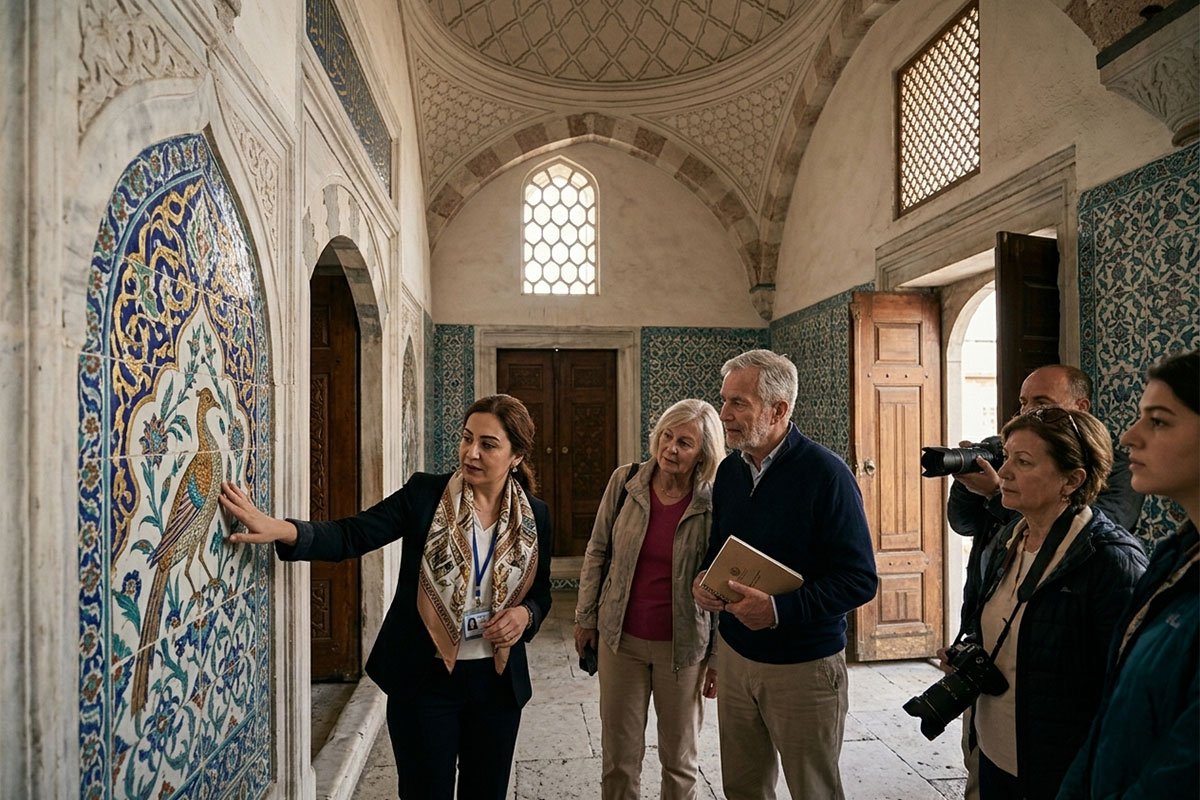
- Consider a Guided Tour: A guided tour can provide valuable insights and context, enhancing your understanding of the palace's history and significance.
- Check the FAQ: Before your visit, check the frequently asked questions to be prepared.
- Dress Respectfully: As a historical and religious site, it's important to dress respectfully, covering shoulders and knees.
Topkapi Palace offers a mesmerizing glimpse into the lives of the Ottoman Sultans and their court. By exploring its courtyards, chambers, and gardens, you can gain a deeper appreciation for the rich history and cultural legacy of this magnificent palace. Don't just be a tourist; become a time traveler and experience Topkapi Palace through the eyes of the Ottomans.
Secure your entry and delve deeper into the palace's history. Book your Topkapi Palace tickets now and skip the line!
Visiting Information
Before your visit, make sure to check the Visiting Information page for the most up-to-date details on opening hours, accessibility, and any special events that may be taking place.
| Section | Description |
| Harem | The private residence of the Sultan and his family. |
| Imperial Council (Divan) | The meeting place for high-ranking Ottoman officials. |
| Sacred Relics & Treasury | Home to priceless artifacts and religious relics. |
| Topkapi Palace Gardens | Beautifully landscaped gardens offering stunning views. |
| Topkapi Palace Kitchen | Where elaborate meals were prepared for the Sultan and his court. |