When you walk through Topkapi Palace, you see centuries of Ottoman material culture: textiles, armor, manuscripts and small objects that survived wars, humidity and steady crowds. The phrase "Topkapi Palace" names not only a landmark but an ongoing conservation challenge — keeping fragile items accessible to you while protecting them for future generations.
Why conservation matters at Topkapi Palace
Conservation goes beyond occasional repairs; it is a continuous program of care that balances display, research and preventive measures. Many collections at Topkapi are unique: hand-stitched garments, illuminated manuscripts and metalwork with complex inlays. Each category ages differently, so conservators tailor strategies to material, provenance and historical value.
For you as a visitor, conservation preserves authenticity and storytelling. When conservators stabilize a textile or consolidate pigment in a manuscript, they maintain the visual cues historians and curators use to interpret life in the Ottoman court. That process keeps objects meaningful rather than merely ornamental.
Inside the conservation workflow
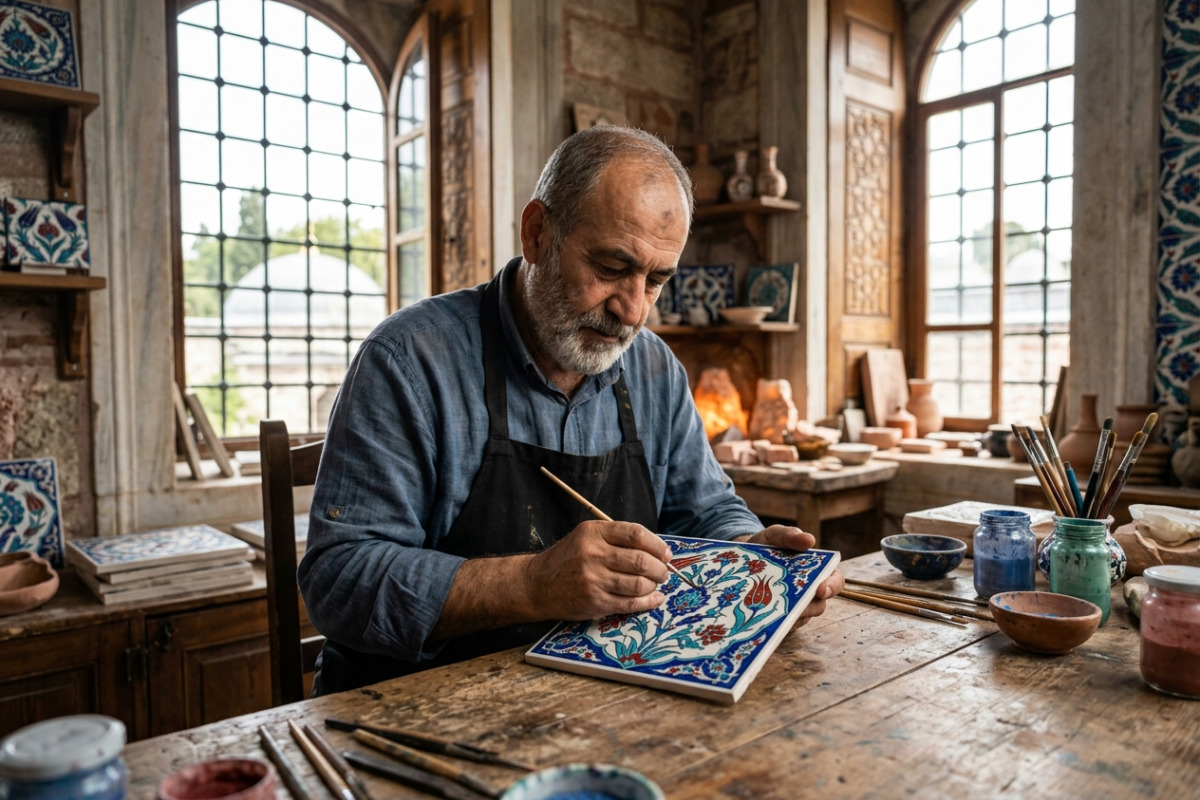
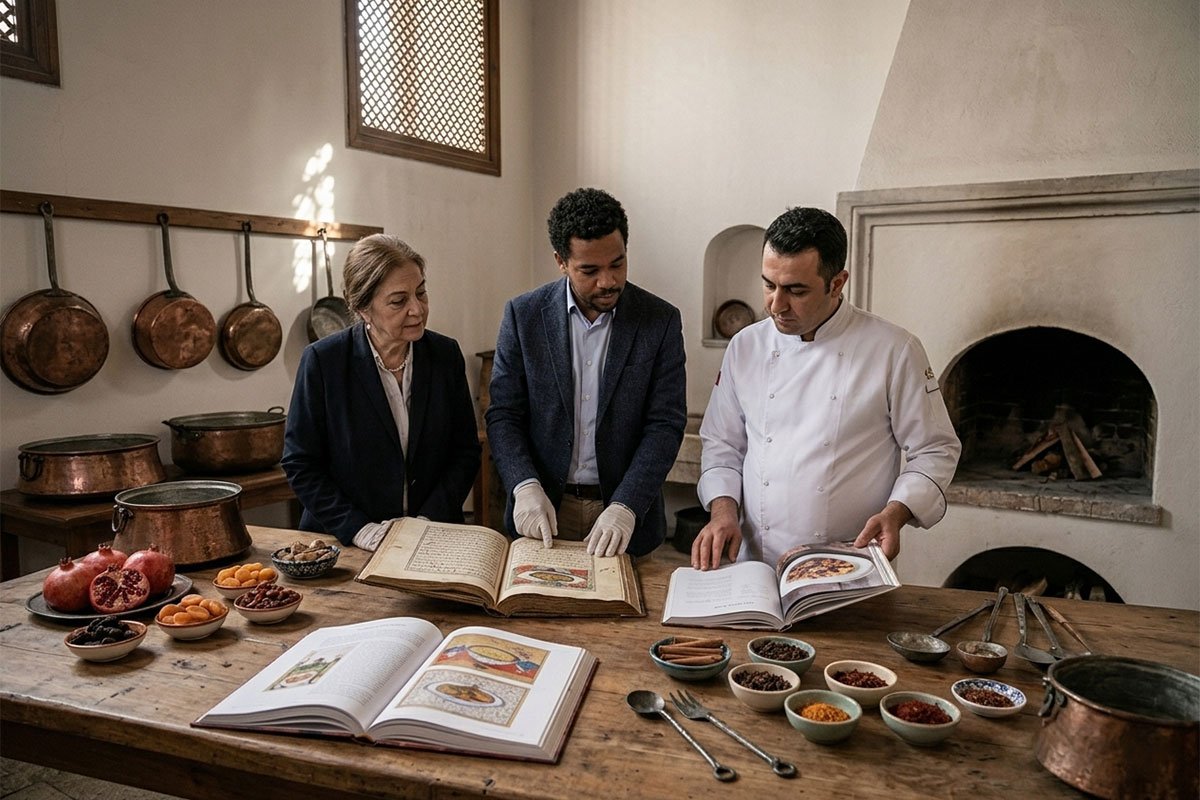
Conservation at Topkapi typically follows three interlinked stages: assessment, stabilization and documentation. During assessment, specialists examine an item's condition under magnification and with non-invasive analytical tools. That inspection determines the risks — such as salts in ceramic glazes in the Kitchen collections, fading dyes, or metal corrosion — and guides intervention choices.
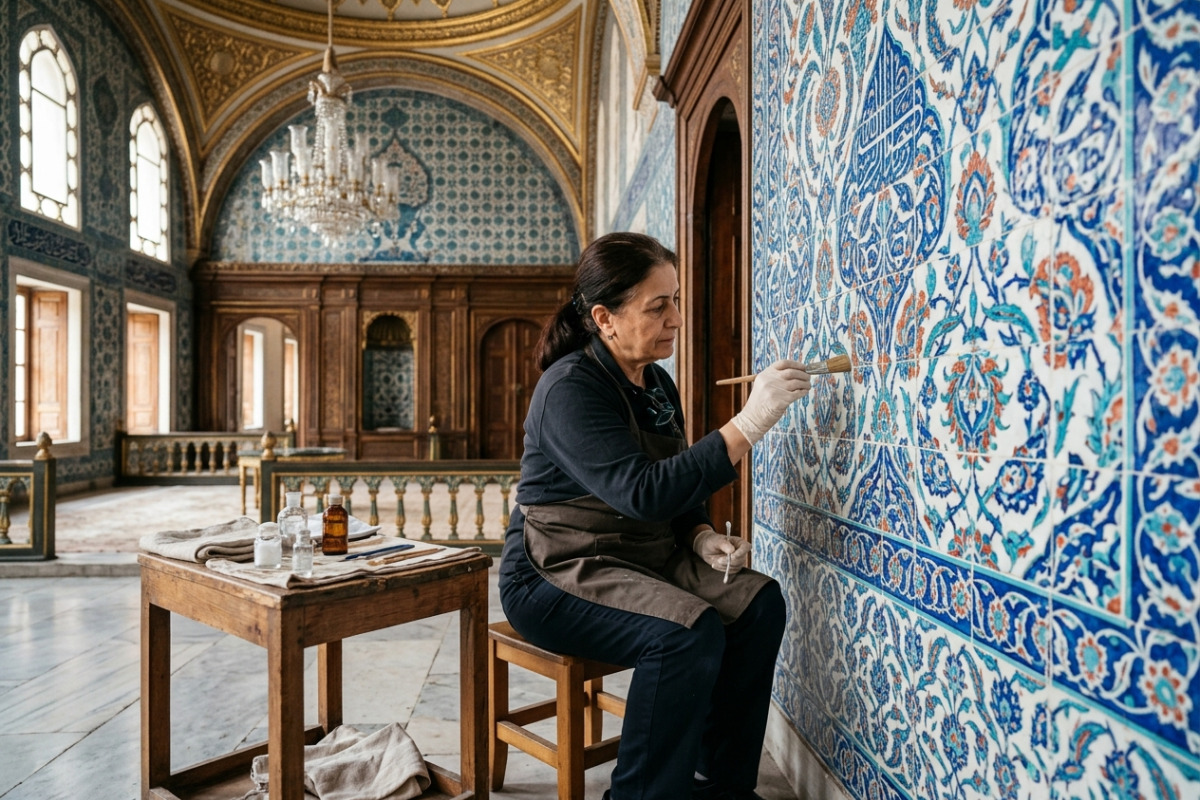
Stabilization aims to halt deterioration without erasing the object's history. Conservators often remove harmful old repairs, apply reversible adhesives, or reconstruct missing mounts so an item can be displayed safely. Documentation records every decision, using photographs and notes so future conservators understand past treatments and can build upon them responsibly.
Specialized labs and equipment
Topkapi's conservation teams use tailored lab spaces for textiles, paper, metals and ceramics. Climate-controlled cabinets, fume hoods for safe solvent use, and microscopes help conservators perform delicate tasks. Non-destructive analysis such as X-ray fluorescence (XRF) can identify pigments and alloys without sampling, which is essential for high-value museum pieces found in the Treasury.
Preventive conservation: the invisible work
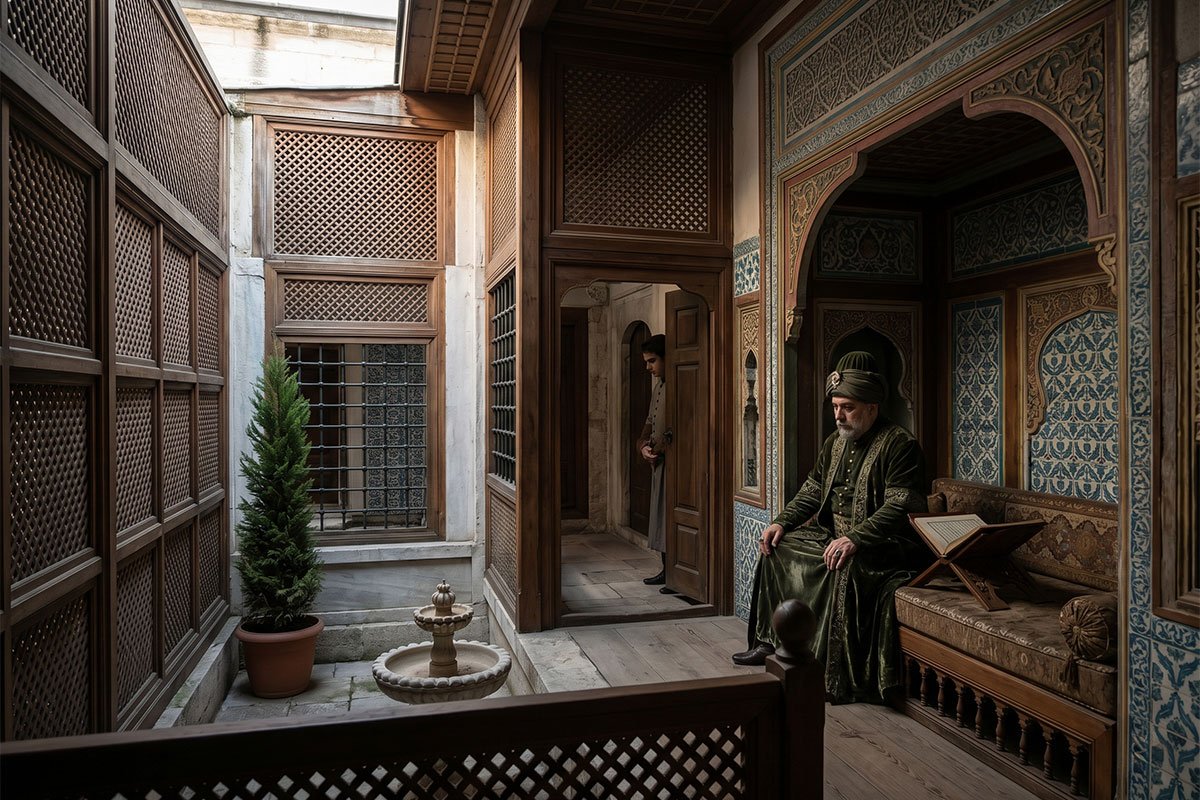
Often the most effective conservation is preventive: controlling the environment, limiting light exposure, and managing visitor flow. Temperature and relative humidity affect materials differently — wood warps in the Harem's intricate rooms, metal corrodes in the Divan displays, and adhesives can soften — so galleries adopt stable microclimates to extend object lifespans.
Lighting is another invisible but powerful factor. Bright or UV-rich light accelerates fading in textiles and inks. To reduce harm, curators set luminance limits, use filters and rotate sensitive objects out of display. You may notice dimmer cases or short-term exhibits; these are deliberate choices to protect items.
How you can help preserve Topkapi Palace collections
Your behavior during a visit directly influences conservation outcomes. Simple actions—staying behind barriers, not touching exhibits, and following signage—prevent oils from your skin and accidental abrasion. Photography with flash can harm pigments over time, so adhere to the museum's imaging rules as posted.
- Buy a timed ticket in advance to avoid overcrowding and reduce stress on galleries: purchase tickets.
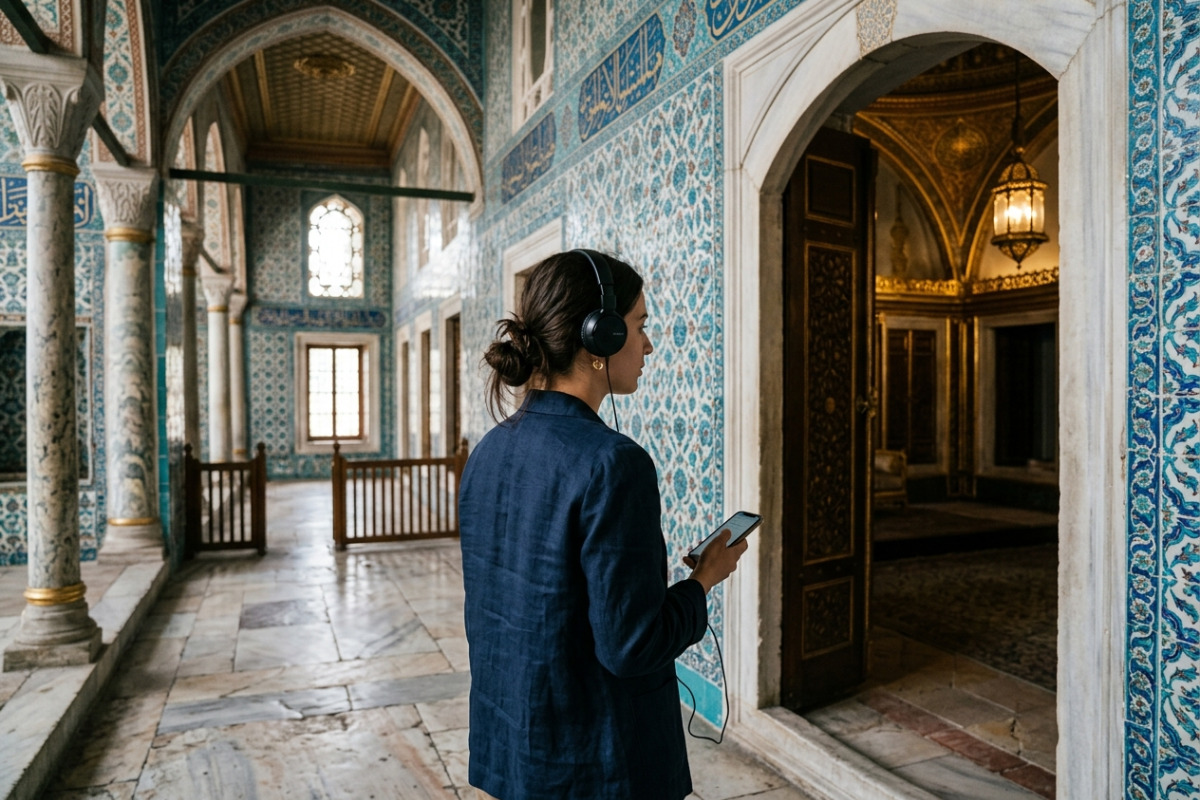
- Use an audio guide to learn about the artifacts without needing to lean too close to delicate display cases.
- Keep a safe distance from display cases and supervised interactives to limit vibration and accidental contact.
- If you see a spill, loose object or damaged case, notify staff rather than attempting to move anything yourself.
These small steps make a measurable difference in preserving delicate textiles and manuscripts you came to see.
Examples of recent conservation projects
Recent work at Topkapi has ranged from textile re-support to stabilization of bound manuscripts. For instance, conservators have reinforced embroidered garments with fine supports that match historic sewing techniques, allowing clothing to be exhibited without stress. Similarly, manuscript stabilization often involves humidification to relax distorted pages followed by careful backing with archival materials.
Treasury objects, such as metalwork with inlays and stone settings, require corrosion treatment and controlled display mounts to prevent movement and contact wear. You can learn more about the palace's display sections and collections through the museum's official pages — for instance the Treasury section explains how jewelry and metal objects are presented to the public.
"Good conservation preserves both the object and its story — interventions should be minimal, reversible where possible, and fully documented."
Planning a visit with conservation in mind
When you plan your visit, consult the museum's practical guidance so you arrive prepared and aware. The visiting information page details opening hours, permitted items and rules that help protect the museum's collections. If you have specific questions about what is allowed, check the FAQ page before your arrival.
Consider a slower visit: spend time reading case labels and watching how light falls on artifacts rather than rushing from room to room. Slower visitation reduces crowd pressure on cases and gives you a richer experience of the objects conservators strive to preserve.
Summary and how to support conservation at Topkapi Palace
Conservation at Topkapi Palace is a careful balance of science, craft and public access. By understanding the behind-the-scenes work — laboratories, preventive measures and ethical choices — you can appreciate both the artifacts and the care that keeps them visible. Your responsible behavior during visits and your support through advance ticket purchases contribute directly to ongoing preservation efforts.
If you value these treasures, plan your visit thoughtfully, follow site guidelines, and consider sharing this perspective with fellow visitors so the palace's collections endure for generations to come.