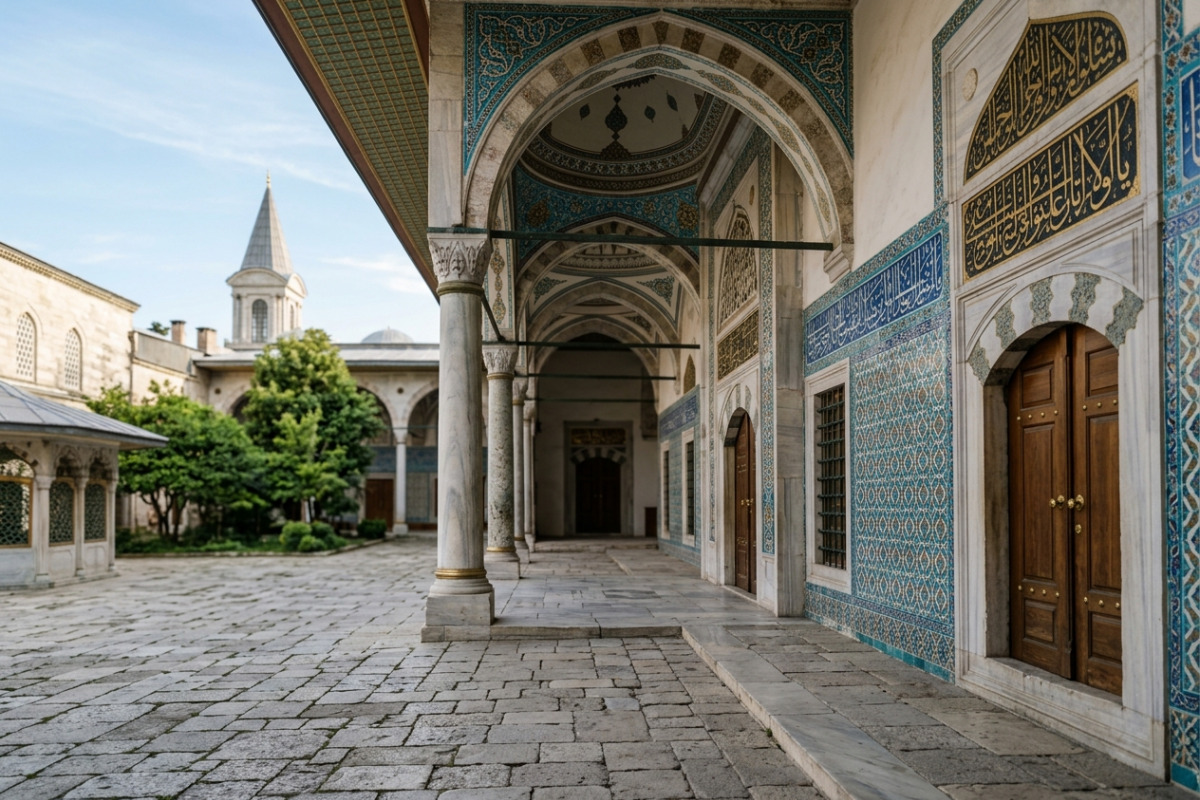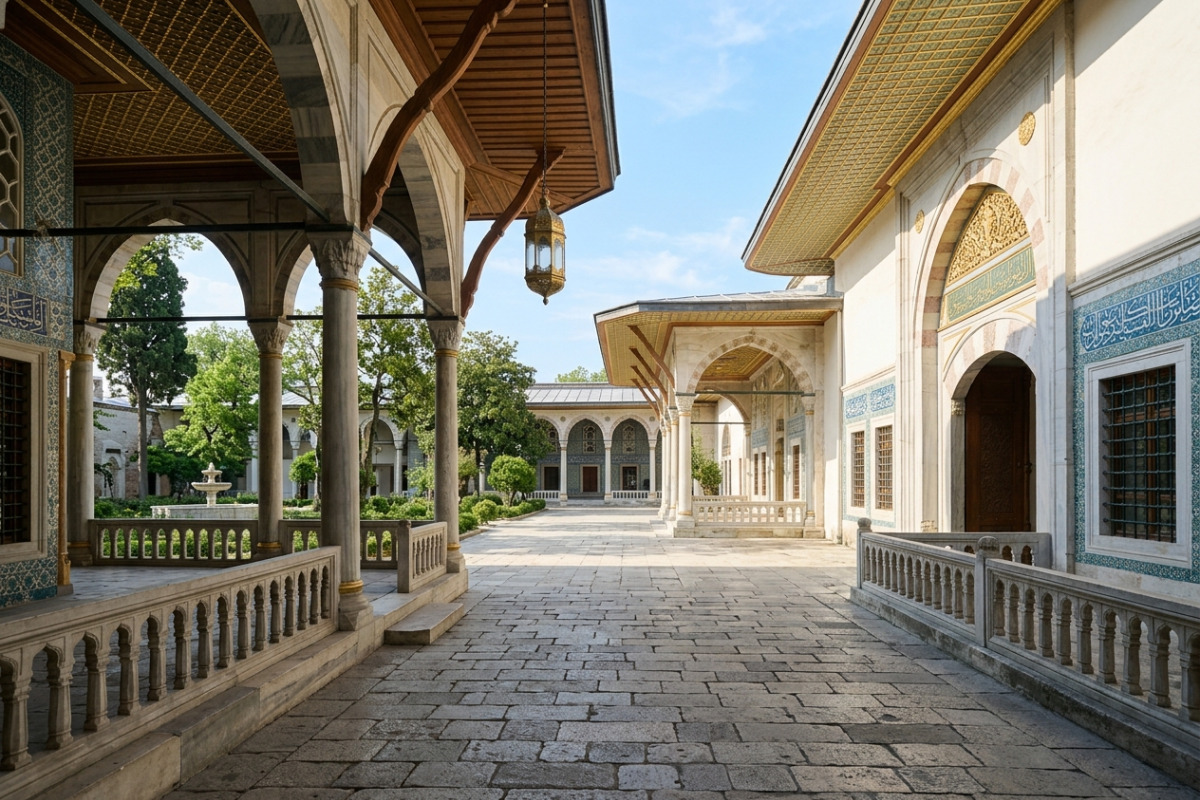
Topkapi Palace is not merely a museum; it is a sprawling administrative and residential complex that served as the heart of the Ottoman Empire for nearly four centuries. Spanning over 700,000 square meters, its courtyards, chambers, and treasury hold secrets that can easily overwhelm an unprepared visitor. To truly appreciate the architectural transition from the medieval to the modern era and to navigate the logistical hurdles of one of Istanbul’s most visited sites, a strategic approach is mandatory. This guide delves into the essential steps you must take before stepping foot onto the palace grounds to ensure your journey through Ottoman history is seamless and profound.
1. Master the Ticketing Strategy
One of the most common mistakes visitors make is arriving at the gate without a clear understanding of the ticketing system. Topkapi Palace operates with a multi-tiered entry structure. As of recent updates, the basic entry ticket often includes the main palace grounds and the Hagia Irene, but the Harem section—perhaps the most intriguing part of the complex—requires a separate or combined ticket.
The Museum Pass Istanbul
Before you arrive, decide if the Museum Pass Istanbul is right for you. If you plan on visiting the Hagia Sophia (if applicable to your status), the Archaeological Museums, and the Galata Tower within five days, the pass is an invaluable tool. It allows you to bypass the main ticket lines, which can stretch for over an hour during peak season. However, remember that even with a pass, you must still go through security checkpoints, which are mandatory for all visitors.
Online Booking and Timing
If you choose not to get a pass, purchasing your tickets online through the official government website is highly recommended. This ensures you have a QR code ready on your phone. Before booking, check the palace schedule; Topkapi is traditionally closed on Tuesdays. Planning your visit for a Wednesday or Thursday morning, right as the gates open at 9:00 AM, is the best way to stay ahead of the massive tour groups that arrive via cruise ships and buses by mid-morning.
2. Understand the Four Courtyards Layout
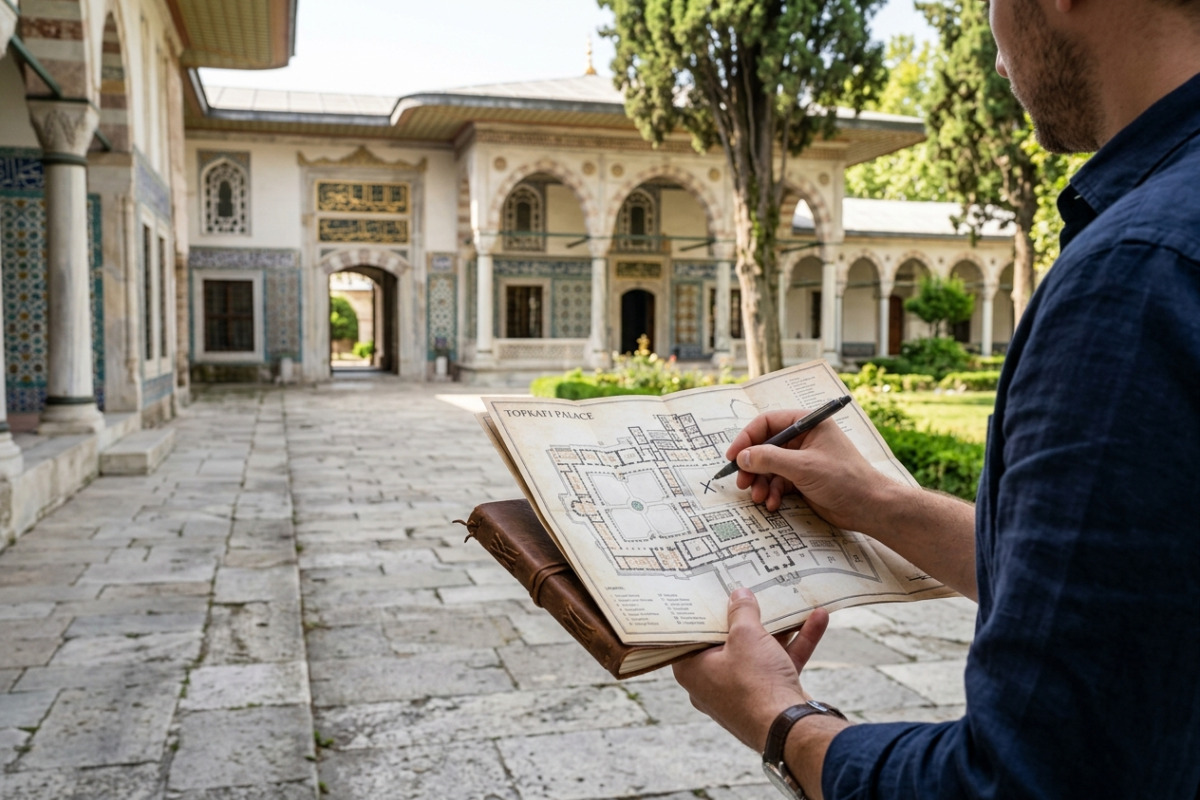
Topkapi is designed as a series of four sequential courtyards, each becoming progressively more private. Understanding this hierarchy before you go will help you pace your energy and time.
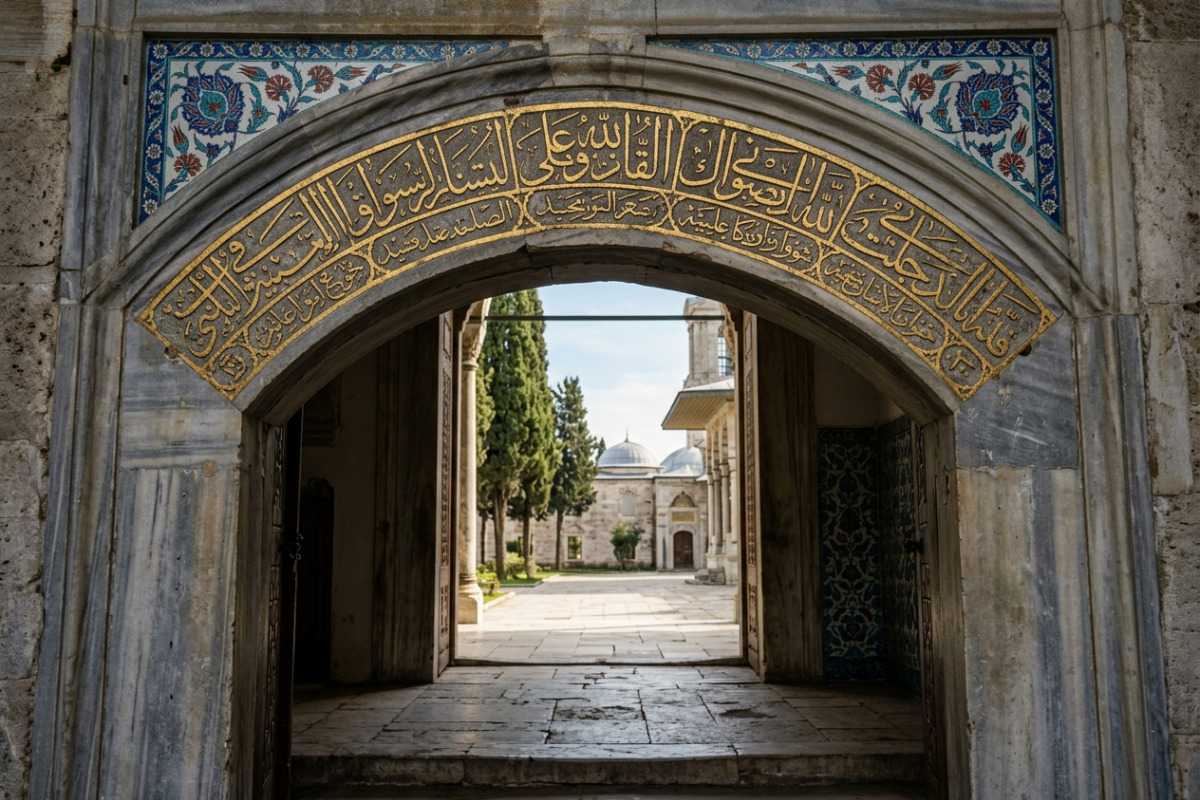
- The First Courtyard (Court of the Janissaries): This is a public space where the Hagia Irene is located. You don’t need a ticket to enter this area, but it serves as the staging ground for the main entrance (The Gate of Salutation).
- The Second Courtyard (Divan Square): This was the administrative center. Here, you will find the Imperial Council (Divan) and the massive palace kitchens. This is where you should start your historical contextualization.
- The Third Courtyard (Felicity Gate): This was the Sultan’s private domain. It houses the Audience Chamber, the Library of Ahmed III, and the highly popular Sacred Relics and Imperial Treasury.
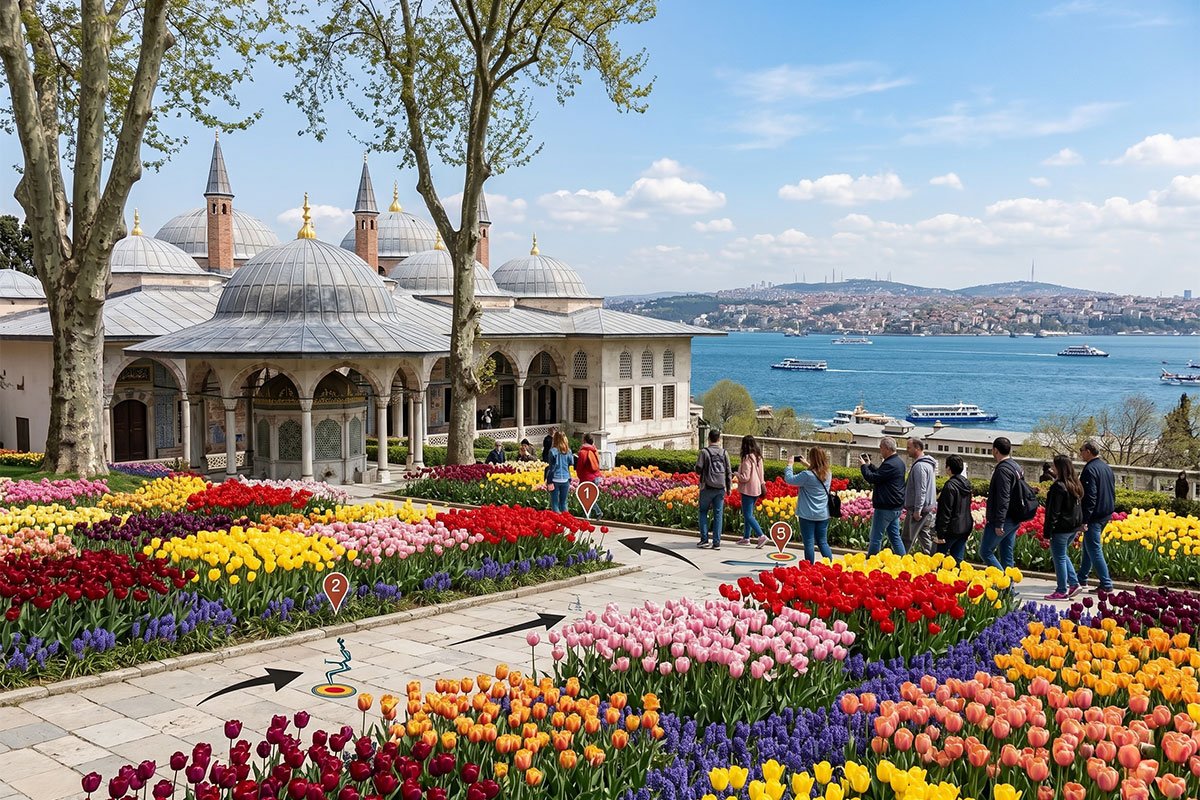
- The Fourth Courtyard: This area consists of beautiful marble terraces and pavilions (kiosks) overlooking the Bosphorus and the Golden Horn. It’s the best spot for photography and a brief rest.
3. Prepare for the Harem: A Separate World
The Harem is often the highlight of the visit, but it requires a different mindset. It was the living quarters of the Sultan’s family, concubines, and the Queen Mother (Valide Sultan). Before visiting, it is helpful to shed the Hollywood-style myths of the Harem and research its actual political function. It was a school of etiquette and a site of significant political power.
Because the Harem has a separate entrance inside the Second Courtyard and requires its own ticket, ensure your combined ticket covers it. The pathways inside the Harem are narrower and more labyrinthine than the rest of the palace. If you are claustrophobic or traveling with very young children, be prepared for some tight spaces and uphill walking on ancient stone floors.
4. Dress Code and Respectful Conduct
While Topkapi Palace is a museum, it houses the Chamber of Holy Relics, which contains items attributed to the Prophet Muhammad and other religious figures. This section is treated with the sanctity of a mosque. Before you go, ensure your attire is respectful.
- Shoulders and Knees: Both men and women should ensure their shoulders and knees are covered. While the staff may provide temporary wraps, having your own modest clothing or a light scarf in your bag is more convenient.
- Footwear: You will be walking on uneven cobblestones and marble for several hours. High heels or flip-flops are strongly discouraged. Opt for sturdy walking shoes with good grip.
- Photography Rules: Be aware that photography is strictly prohibited in the Treasury and the Sacred Relics sections to protect the artifacts and maintain the solemnity of the space. Ensure your camera or phone is tucked away in these areas to avoid confrontation with security.
5. Digital and Educational Preparation
To truly appreciate what you are looking at, some pre-reading or digital setup is essential. The signage inside the palace is informative but can be brief given the depth of history involved.
Download the Audio Guide
While physical audio guides are available for rent at the entrance, they often require leaving an ID or a cash deposit. Many visitors find it easier to download official or reputable third-party audio guide apps onto their smartphones before arriving. Don’t forget to bring your own headphones; using a phone on speaker is generally frowned upon and difficult to hear in the echoing halls.
Historical Context
Familiarize yourself with a few key figures: Sultan Mehmed the Conqueror (who commissioned the palace), Suleiman the Magnificent (who expanded it), and Roxelana (Hürrem Sultan), whose influence moved the Harem into the main palace complex. Knowing the timeline of the transition from Topkapi to Dolmabahçe Palace in the 19th century will also help you understand the architectural shifts you see.
6. Practical Logistics: Food, Water, and Security
The physical demands of Topkapi Palace are often underestimated. Here is how to prepare for the environment:
- Security Checks: Expect an airport-style security screening at the main gate. Avoid carrying large backpacks or prohibited items like pocket knives or professional tripod equipment, as these may be confiscated or required to be left at the cloakroom.
- Hydration: There are cafes inside the palace (notably Konyalı Restaurant in the Fourth Courtyard), but prices are significantly higher than outside. Bring a reusable water bottle. Note that eating and drinking are prohibited inside the actual museum halls and exhibition rooms.
- Weather Awareness: Much of the Topkapi experience involves walking between buildings in open courtyards. In summer, the sun can be punishing; bring a hat and sunscreen. In winter, the wind from the Bosphorus can be biting, so dress in layers.
7. Setting Realistic Expectations
You cannot "see" Topkapi Palace in an hour. To do it justice, you need at least 3 to 4 hours. If you are a history buff, you might easily spend 5 or 6 hours exploring every corner of the Treasury and the Clock collection. Before you go, prioritize your "must-see" items. If the Spoonmaker’s Diamond is your priority, head to the Treasury in the Third Courtyard immediately after the gates open. If you prefer the tiles and architecture, spend more time in the Harem and the Circumcision Room.
By taking these steps—securing the right tickets, dressing appropriately, and understanding the complex layout—you transform a potentially exhausting tourist trek into a sophisticated journey through the golden age of the Ottoman Empire. Proper preparation allows you to look past the crowds and see the palace for what it truly is: a masterpiece of Eastern aesthetics and a silent witness to centuries of world-altering history.