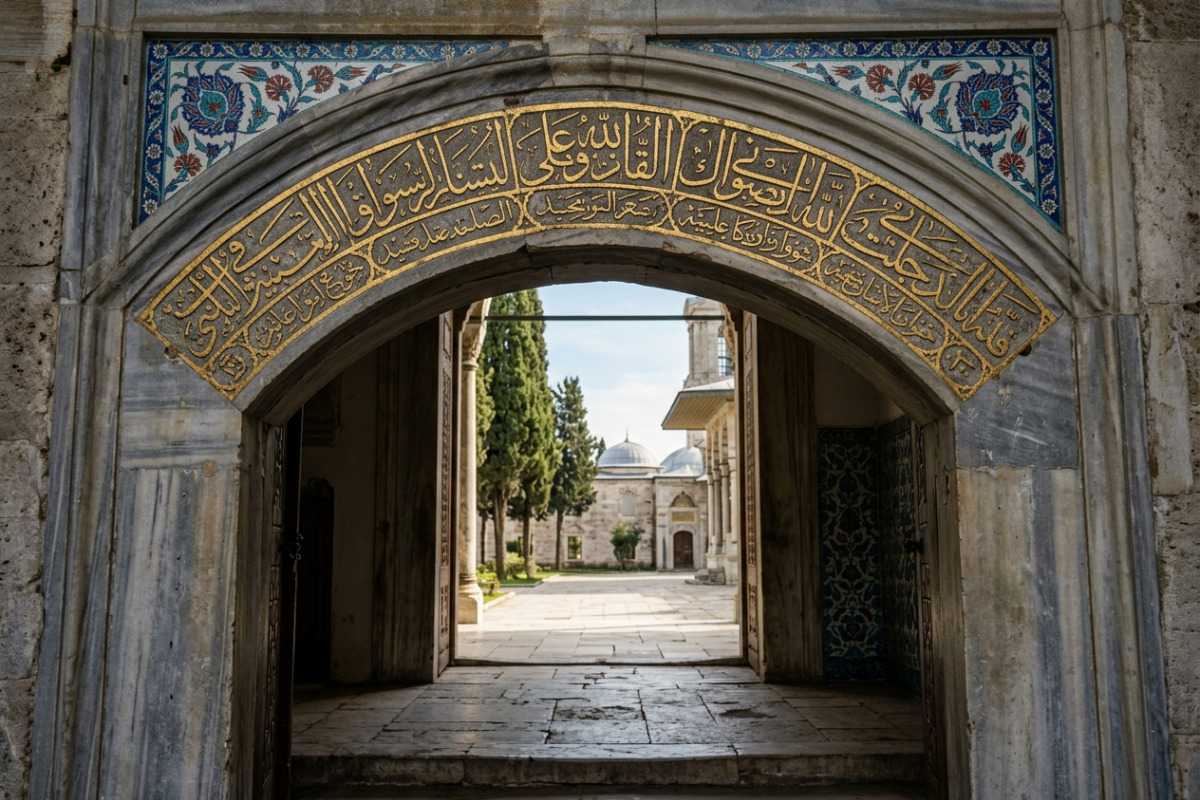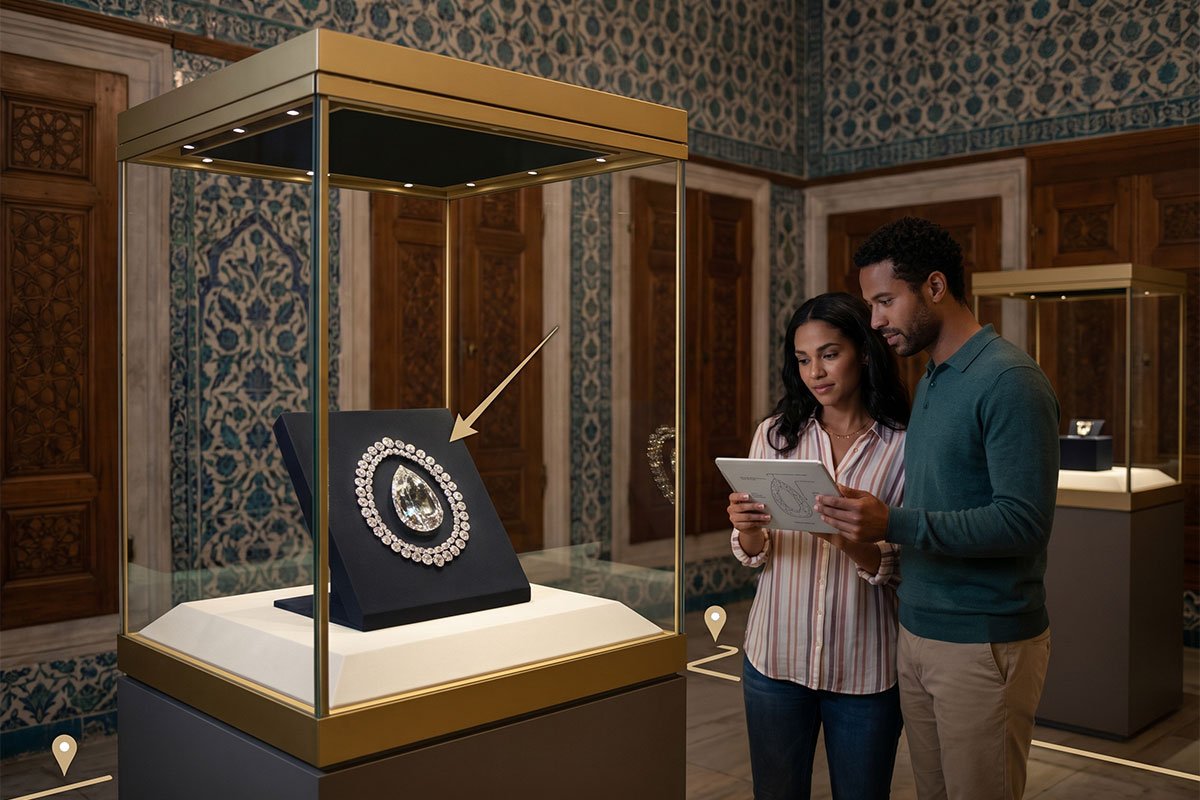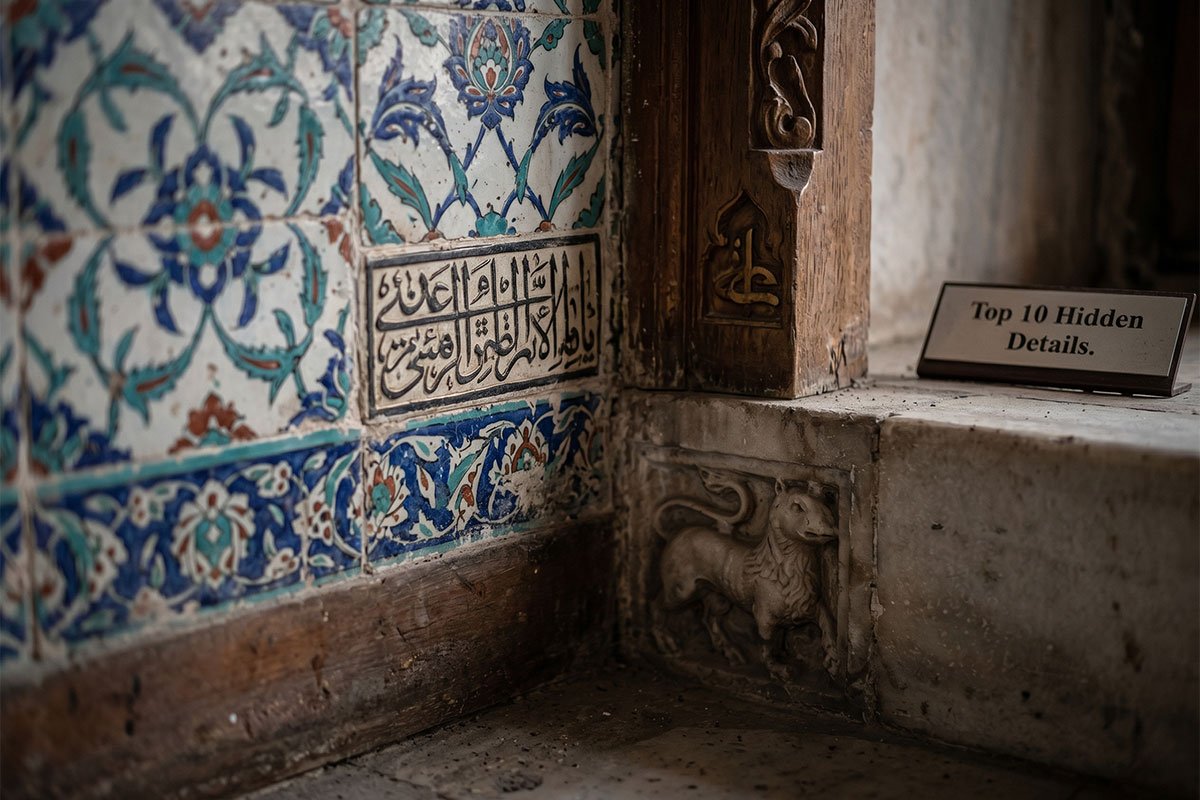
The Topkapi Palace decorative arts collection offers a window into Ottoman court life, craftsmanship and taste. If you want to move beyond the headline attractions and learn to "read" miniatures, calligraphy and royal textiles, this guide will help you spot the objects that reveal daily rituals, diplomatic exchanges and the aesthetics of power. Topkapi Palace decorative arts are everywhere in the museum, from manuscript rooms to display cabinets, and understanding a few visual cues will make your visit far richer.
Why Topkapi Palace decorative arts matter
Decorative arts — including miniatures, illuminated manuscripts, textiles, metalwork and ceramics — served practical, ceremonial and political functions at the Ottoman court. A richly embroidered kaftan or a finely illuminated prayer book did more than look beautiful: it signaled rank, conveyed religious devotion and operated as a diplomatic gift between rulers. Recognizing this context helps you appreciate objects as communicative tools rather than mere exhibits.
Visually, these objects compress stories into small spaces. A court miniature can depict a single event but also encode status through posture, color and inscriptions. As you learn to notice those layered details, your experience inside the palace rooms changes from passive viewing to active interpretation. That shift is especially rewarding when you pair observation with focused planning before your visit.
What to look for: miniatures, manuscripts, and calligraphy
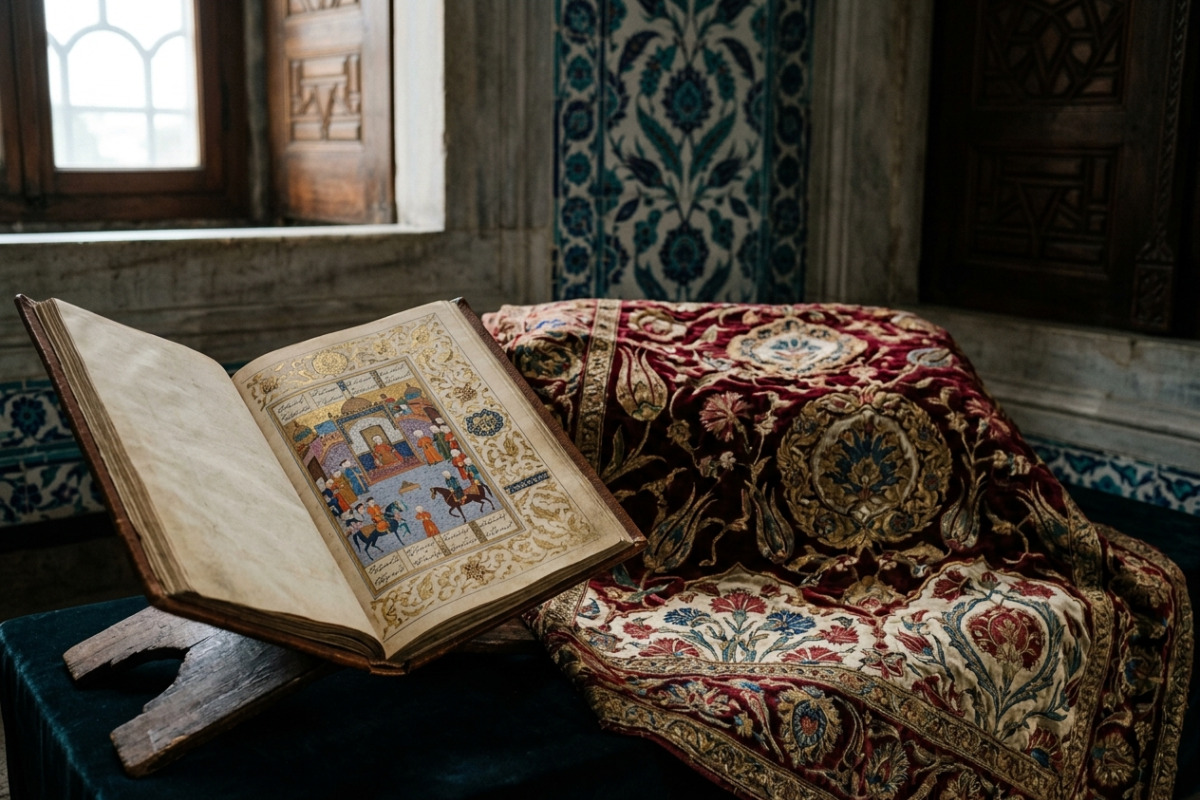
Miniatures and manuscripts are compact but detail-rich. Start by checking the margins and colophons: the artist's name, patron's dedication or workshop stamp often hides in a band of calligraphy. Note the use of gold leaf and lapis-like blues — these signal high-cost materials and imperial patronage. Compare figures' scale and placement to understand hierarchy; seated figures, elevated platforms and architectural framing usually indicate higher rank.
Court miniatures
Court miniatures often illustrate chronicles, diplomatic receptions or ceremonial events. Look beyond faces to costumes, jewelry and architectural backdrops — these elements offer clues about the season, occasion and social order. If a scene contains inscriptions, read them if translation is provided; even a single title can change your interpretation of the event depicted. Many of these works are part of the Sultan's private library collections, often displayed in rotating exhibitions for preservation.
Calligraphy and illuminated pages
Calligraphy was the principal art form of the Ottoman elite and often outshone figural imagery in spiritual or legal contexts. Styles like thuluth and naskh appear across Qur'ans and legal codices; their rhythm and spacing are part of the message. Illumination patterns — floral arabesques, rosettes, and geometric borders — indicate the manuscript’s purpose and the intended audience, whether devotional, educational, or ceremonial.
Textiles and court dress: how to "read" fabrics
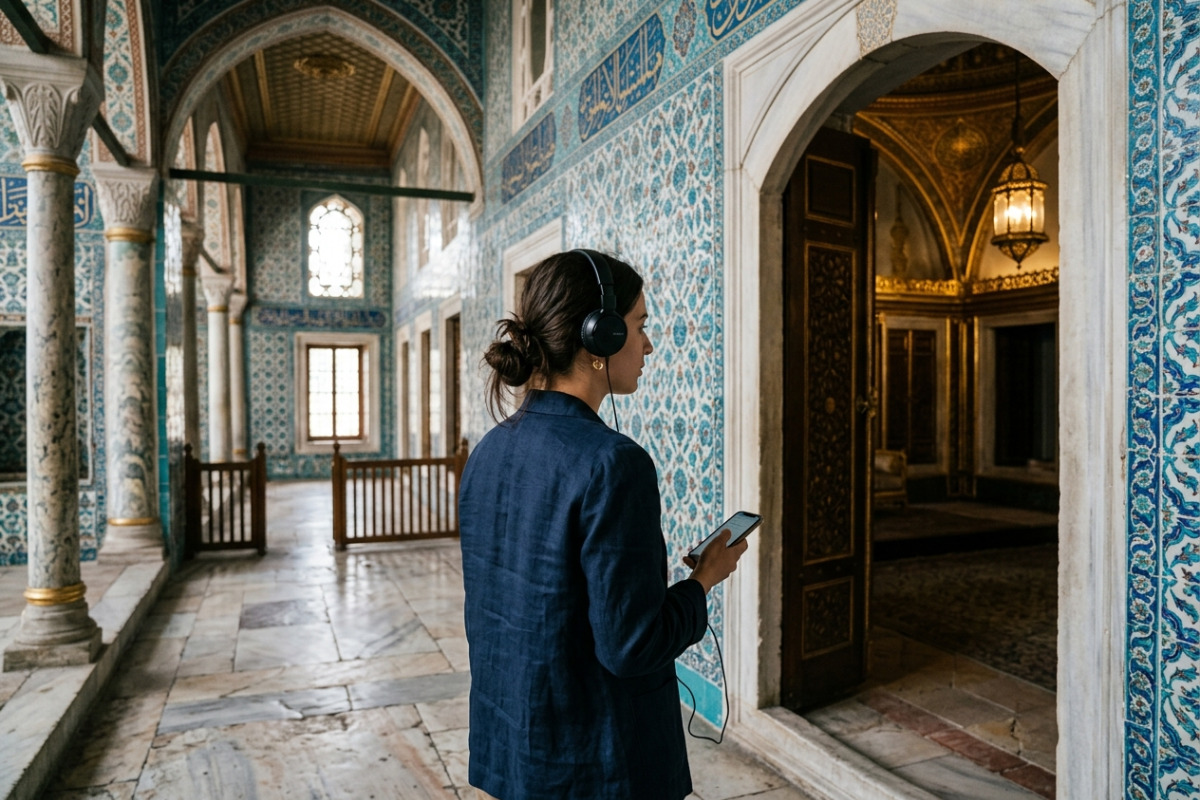
Textiles at Topkapi reveal much about taste, trade and technology. Ottoman silk, velvet and embroidered linens were crafted with imported dyes and local techniques, producing fabrics that carried both aesthetic and economic value. When you stand in front of a kaftan or robe, examine the fabric weave, the density of the stitch-work and the dye saturation to infer whether an item was everyday court wear or reserved for formal ceremonies. To see how these motifs were mirrored in the living quarters of the dynasty, ensure you visit the Harem, where tilework and fabrics often shared the same design language.
Pay attention to motifs: tulips, carnations and saz leaves signal specific fashions and periods. The placement of embroidery — cuffs, collars, chest panels — indicates whether the garment emphasized mobility, status display or modesty. Smaller textile fragments like borders and collars sometimes reveal dye recipes or repair practices that illuminate how garments were maintained over decades.
- Tip: Look for labels that mention provenance or restoration. These notes often explain whether a textile belonged to a sultan, a consort or a diplomatic gift.
- Tip: Photograph patterns from a distance (where allowed) and compare motifs to other rooms to spot recurring workshops or patrons.
Metalwork, ceramics and everyday luxury
Metalwork and ceramics show how luxury was woven into daily life at the palace. Items like inlaid daggers, silver ewers and lidded bowls demonstrate an attention to functional beauty: form supports use, and ornamentation underscores ownership. Look for maker's marks, inlays of precious metals and combinations of techniques — niello, inlay, and engraving — which reveal layers of craftsmanship and trade connections.
Iznik-style ceramics are often associated with palace display and table service. One of the world's most significant collections of Chinese and Japanese porcelain, alongside Ottoman ceramics, can be found in the Palace Kitchens. Their color palette and glazing techniques changed over time, so noticing subtle shifts in hue helps date pieces. Beyond aesthetics, think about circulation: how objects moved between the palace, the imperial workshops and foreign courts, transforming into symbols of Ottoman soft power.
Practical tips to get the most from these collections
Start with a focused route: choose one or two categories (for example, miniatures and textiles) and spend more time with fewer objects rather than rushing through every room. Use the museum labels to anchor your observations and cross-reference dates and patron names. If you want commentary, consider the Audio Guide for curated insights, or check the Visiting Information page for current opening hours and display rotations.
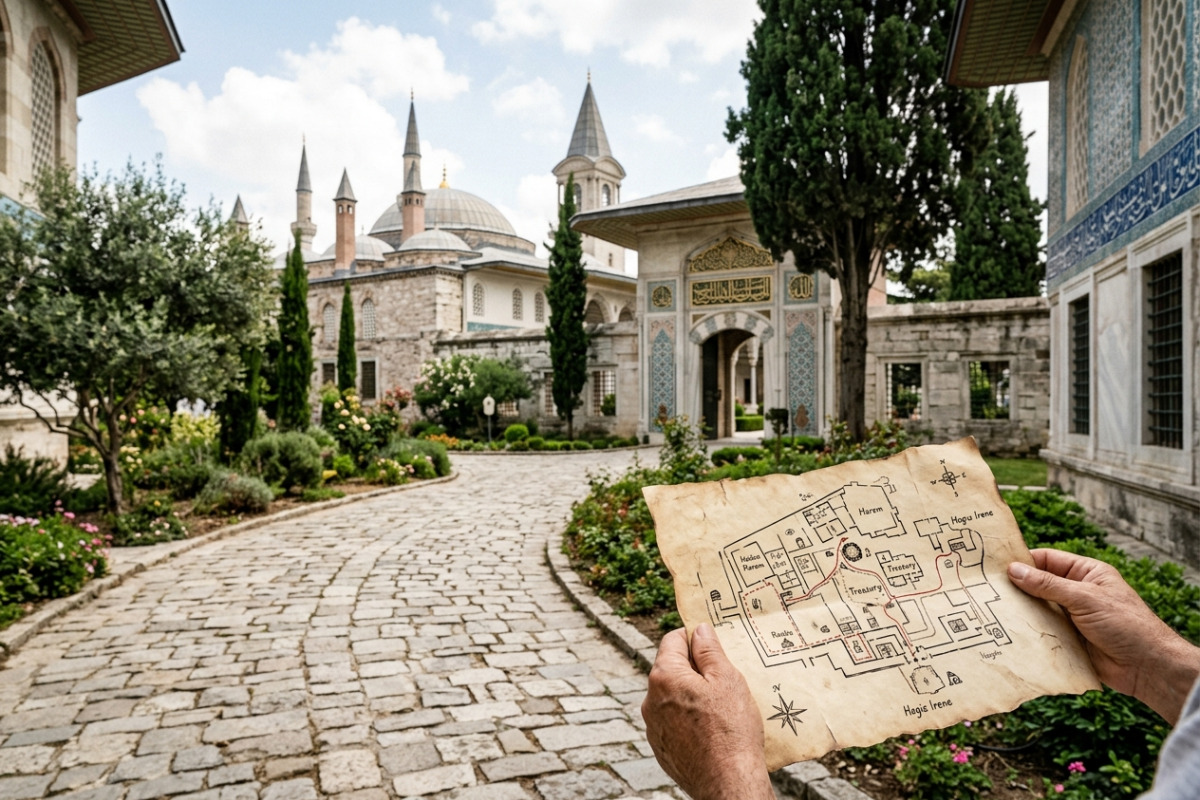
Timing matters. Visit early in the day to avoid crowds and to catch the best lighting for observing fine details. Allow at least 90 minutes to two hours if you're focusing on decorative arts, and budget extra time for the surrounding Gardens and courtyards. If you're planning a deeper study, note that some items rotate between storage and display; inquire with staff if a specific object is on view.
Plan your visit and see these treasures in person
To experience Topkapi Palace decorative arts first-hand, secure your entry in advance. Purchase your tickets online to avoid long lines and to reserve time for the collections you care about most. Combine your visit with nearby sections such as the Divan for state objects or the Treasury for metalwork highlights, depending on what you want to prioritize.
Before you go, make a short checklist: two focal categories, a list of three objects or motifs to find, comfortable shoes for the courtyards, and an appetite for detail. If you still have questions about access, displays, or audio tours, consult the FAQ or the Visiting Information. When you arrive, slow down and let the small-scale masterpieces reshape how you think about imperial life — these decorative arts are compact narratives that reward a curious eye.