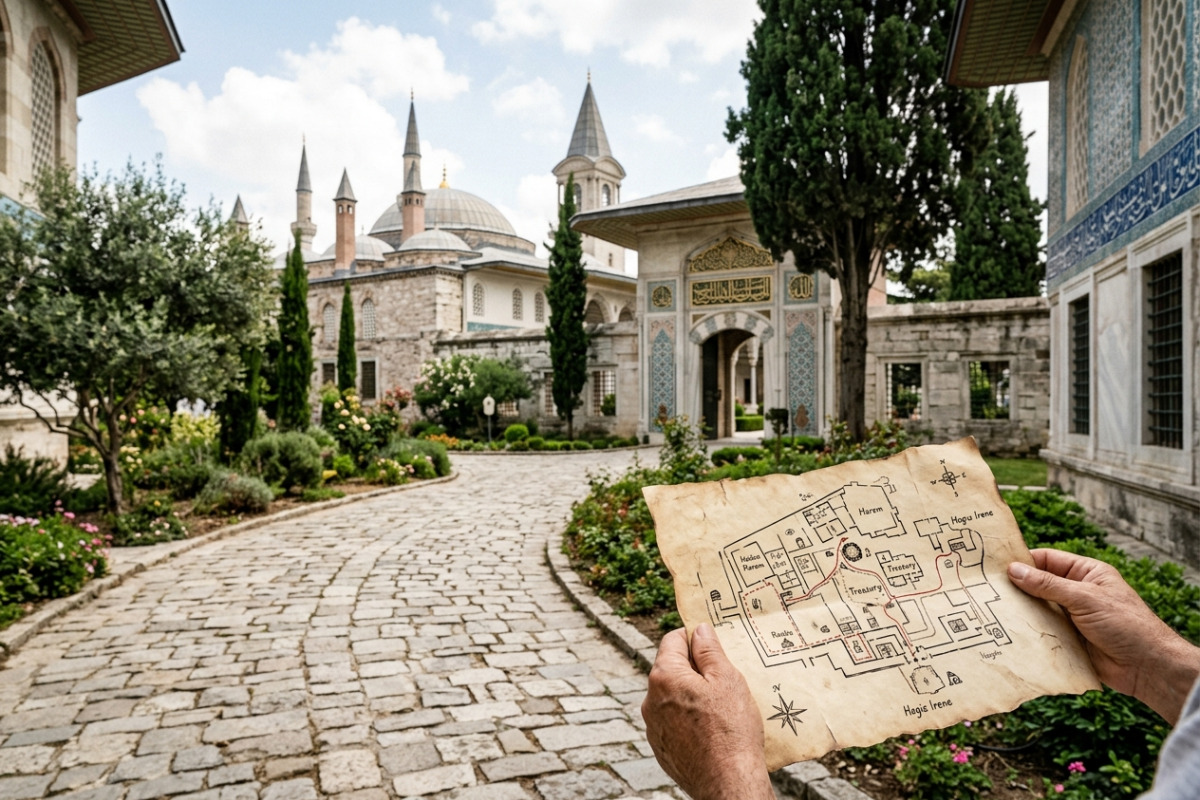
The Imperial Harem, a name that conjures images of mystery and intrigue, was far more than just a collection of women. It was the private domain of the Ottoman Sultan, a complex microcosm of Ottoman society, and a place where women wielded considerable, albeit often subtle, power. Located within the sprawling Topkapi Palace, the Harem was a world unto itself, governed by its own rules, traditions, and a rigid social order that few outsiders ever witnessed.
A Glimpse Inside: The Structure of the Harem
The Harem wasn't simply a residence for the Sultan's consorts; it was a carefully structured hierarchy that functioned like a prestigious academy and a political powerhouse. At the apex was the Valide Sultan, the Sultan's mother, who held immense authority and often exerted significant influence on political matters. She was the absolute ruler of the Harem, managing its vast budget and overseeing the lives of hundreds of people. Below her were the Sultan's consorts (Kadınlar), concubines (Cariyeler), and other female members of the court, each with their assigned roles and responsibilities.
Life within the Harem was a blend of luxury and constraint. While the women enjoyed lavish accommodations, fine clothing, and exquisite cuisine—much of which originated from the Topkapi Palace Kitchen—their movements were restricted, and their lives were largely confined within the palace walls. However, it is a mistake to view them as prisoners. For many, the Harem represented a path to social mobility and education that was unavailable elsewhere in the empire.
The Roles and Responsibilities of Women in the Harem
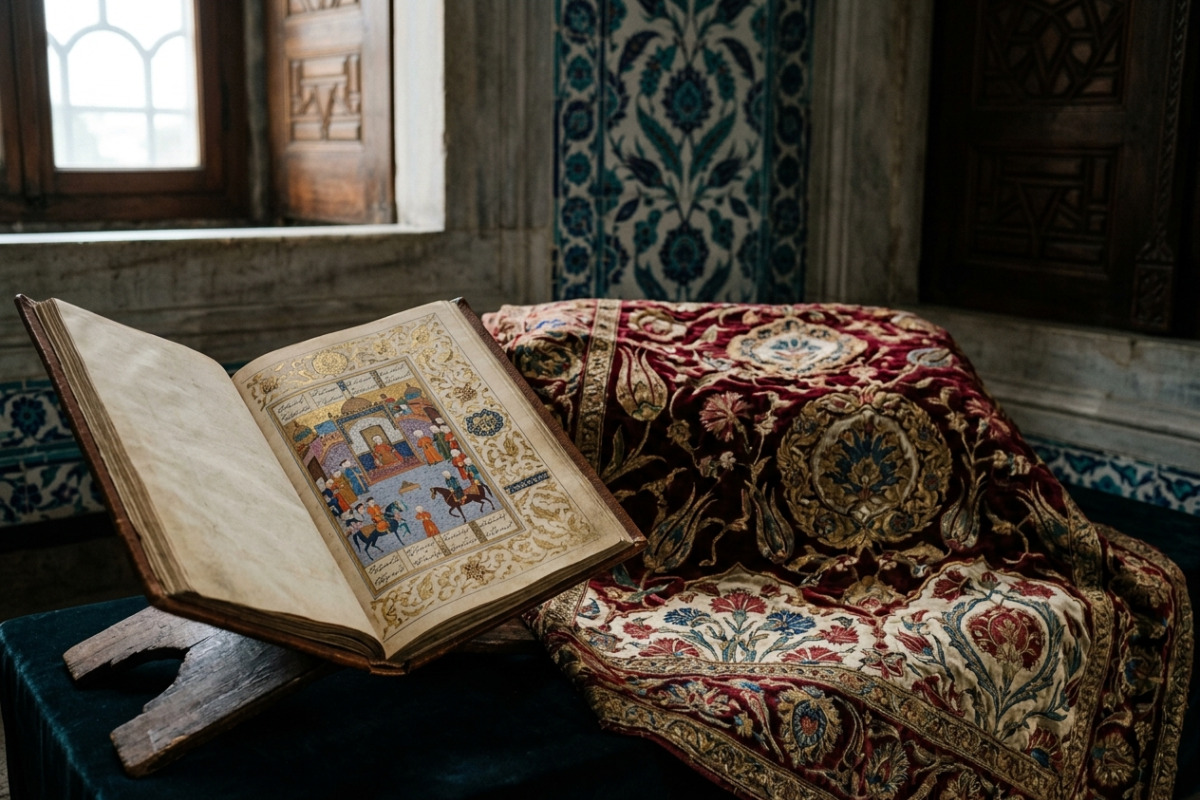
The women of the Harem played diverse roles, each contributing to the overall functioning of the palace. Education was the cornerstone of life for a newcomer. Young girls, often gifted or purchased, were trained in the 'Enderun' style of education for women. They received instruction in music, art, literature, and languages, preparing them to be cultured companions for the Sultan. Some women rose through the ranks, gaining influence and prestige through their intelligence, beauty, or political acumen. The Harem itself was a bustling hub of activity where administrative skills were highly valued.
- Valide Sultan: The Sultan's Mother, the most powerful woman in the Harem and often the second most powerful person in the empire.
- Kadınlar: The Sultan’s recognized consorts, bearing heirs to the throne and maintaining their own suites.
- Cariyeler: Concubines and trainees who served the higher-ranking members while awaiting their own chance for advancement.
- Kalfas: Experienced women responsible for training younger women and managing daily operations.
- Hazinedar Usta: The treasurer of the Harem, a position of immense trust and financial responsibility.
The Sultanate of Women: Power and Influence
Contrary to popular perception, the women of the Harem were not merely passive figures. Between the 16th and 17th centuries, an era known as the 'Sultanate of Women' (Kadınlar Saltanatı), the Harem became the true center of Ottoman political life. During this period, the Valide Sultans and powerful consorts effectively directed the affairs of the state, especially when Sultans were young or incompetent.
The most famous example is Hürrem Sultan (Roxelana), who broke centuries of tradition by becoming the legal wife of Suleiman the Magnificent. Her rise from a captive to a political advisor marked a turning point in Ottoman history. Later, women like Kösem Sultan and Turhan Hatice Sultan served as official regents for their sons, holding the seal of the empire and negotiating with the Imperial Council through intermediaries. This patronage not only enhanced their prestige but also contributed to the cultural and economic life of the empire through the construction of massive complexes, mosques, and hospitals.
Intrigue and Rivalry: The Darker Side of the Harem
The Harem was not without its darker aspects. The intense competition for the Sultan's favor often led to rivalry and intrigue, with women vying for power and influence through manipulation and even violence. Because only one son could inherit the throne, every mother in the Harem was locked in a desperate struggle to ensure her son's survival and succession. This often resulted in the tragic practice of fratricide, where a new Sultan might execute his brothers to prevent civil war.
Later, this evolved into the 'Kafes' (The Cage) system, where princes were kept in internal confinement within the Harem. While this spared their lives, it often left them psychologically scarred and ill-prepared to rule. The eunuchs, while responsible for maintaining order, were also susceptible to corruption and could be used as pawns in these power struggles. The stories of betrayal and assassination within the Harem are a testament to the high stakes involved in this closed world where a single whisper could change the fate of a dynasty.
The Architectural Symbolism of the Harem
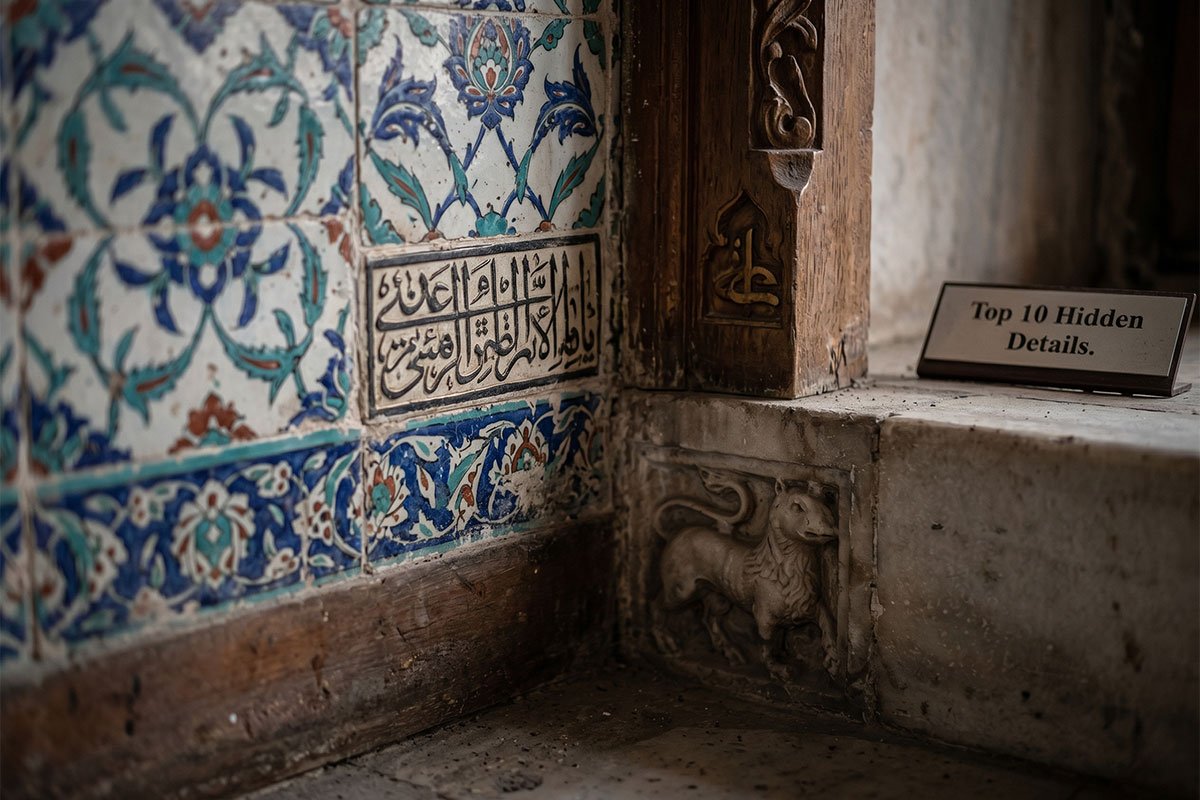
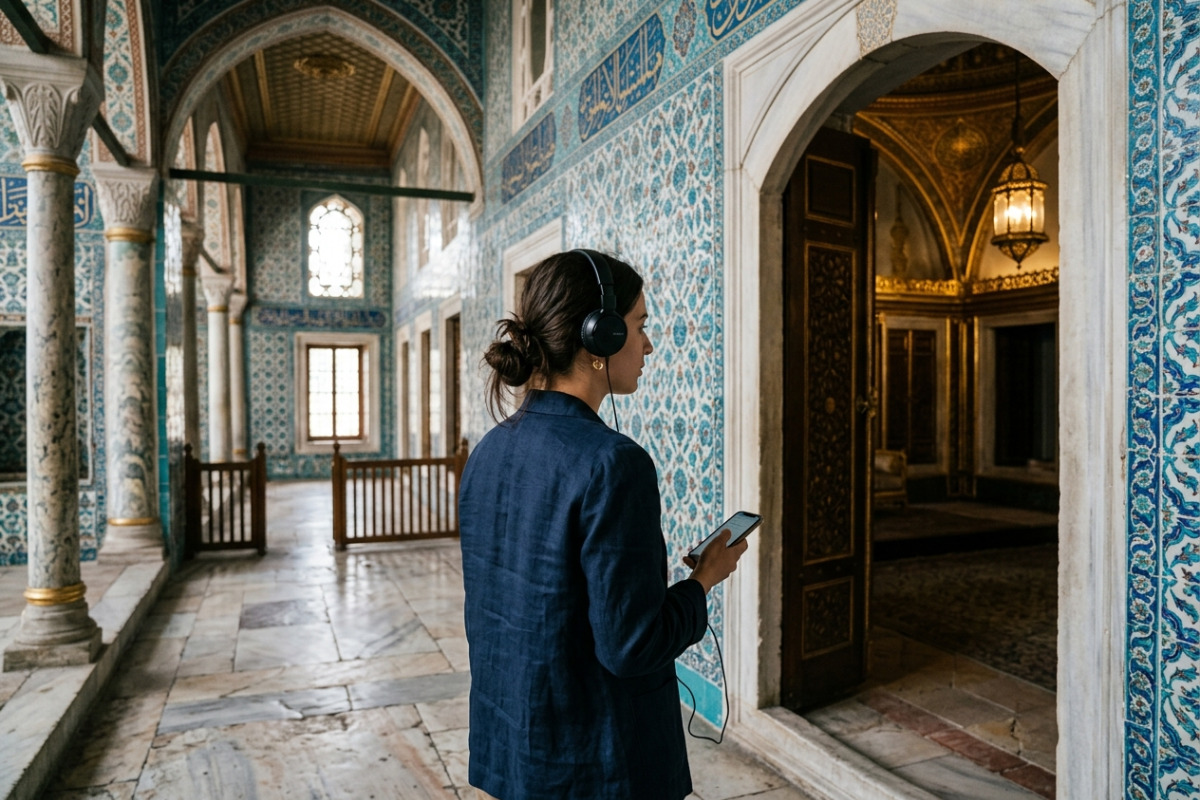
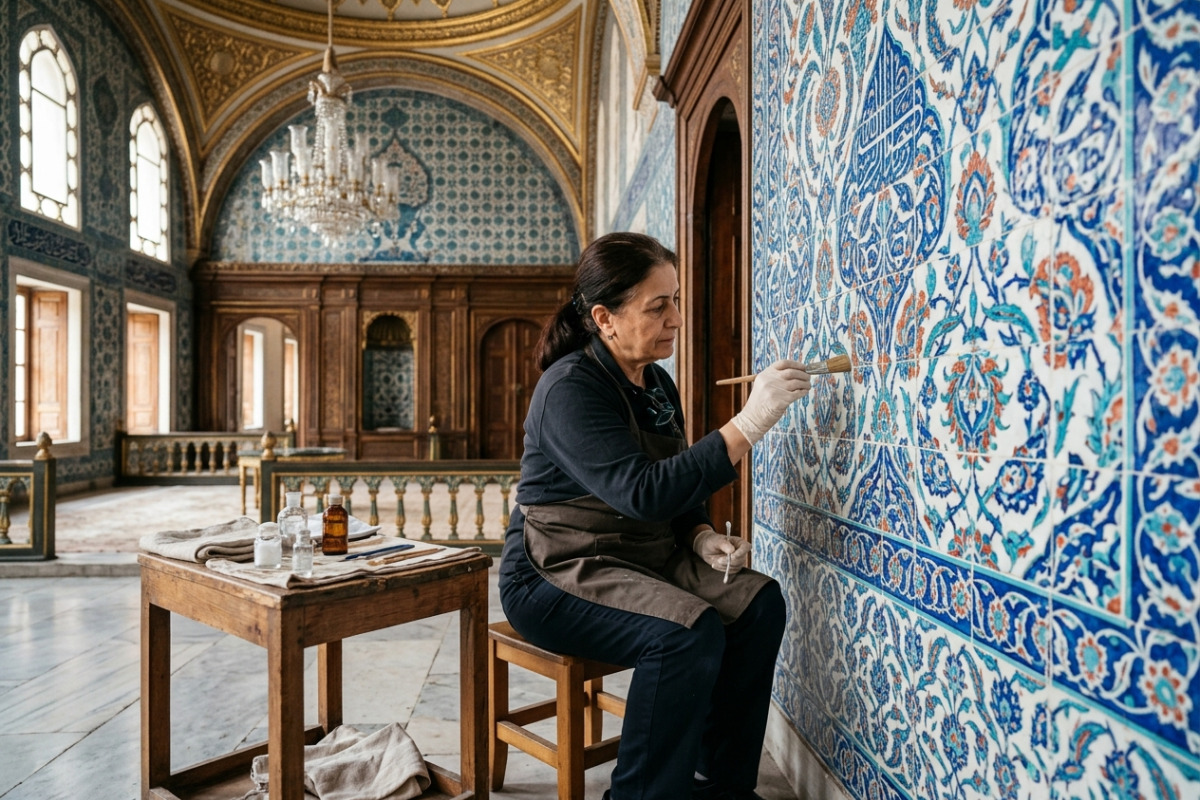
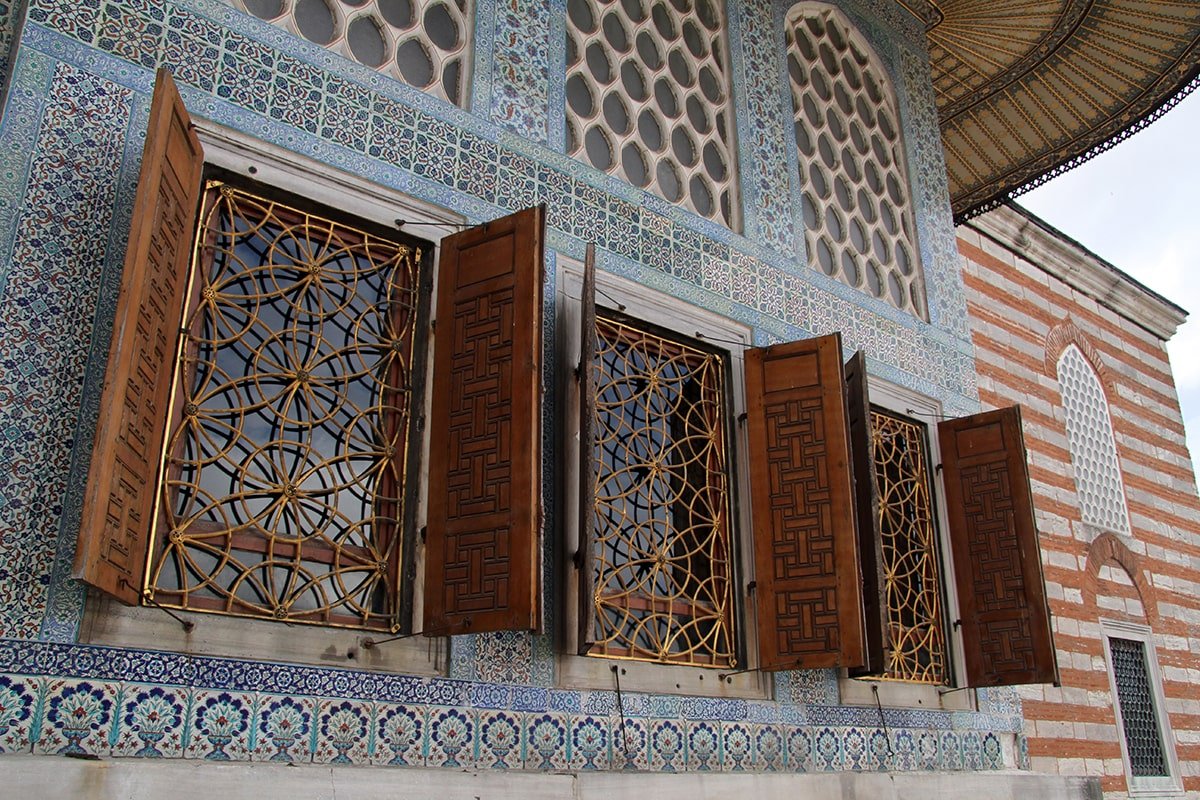
The physical layout of the Harem at Topkapi reflects this complex social hierarchy. Every corridor and courtyard served a purpose. The Courtyard of the Eunuchs acted as the first barrier, while the Courtyard of the Valide Sultan was the heart of the complex. The Sultan’s private chambers, such as the Privy Chamber of Murad III, were masterpieces of Iznik tilework and architectural grandiosity, symbolizing the absolute power of the monarch. Walking through these rooms today, one can see how the architecture was designed to both protect the Sultan’s privacy and display his immense wealth to those permitted inside.
Visiting the Harem Today: A Journey Through History
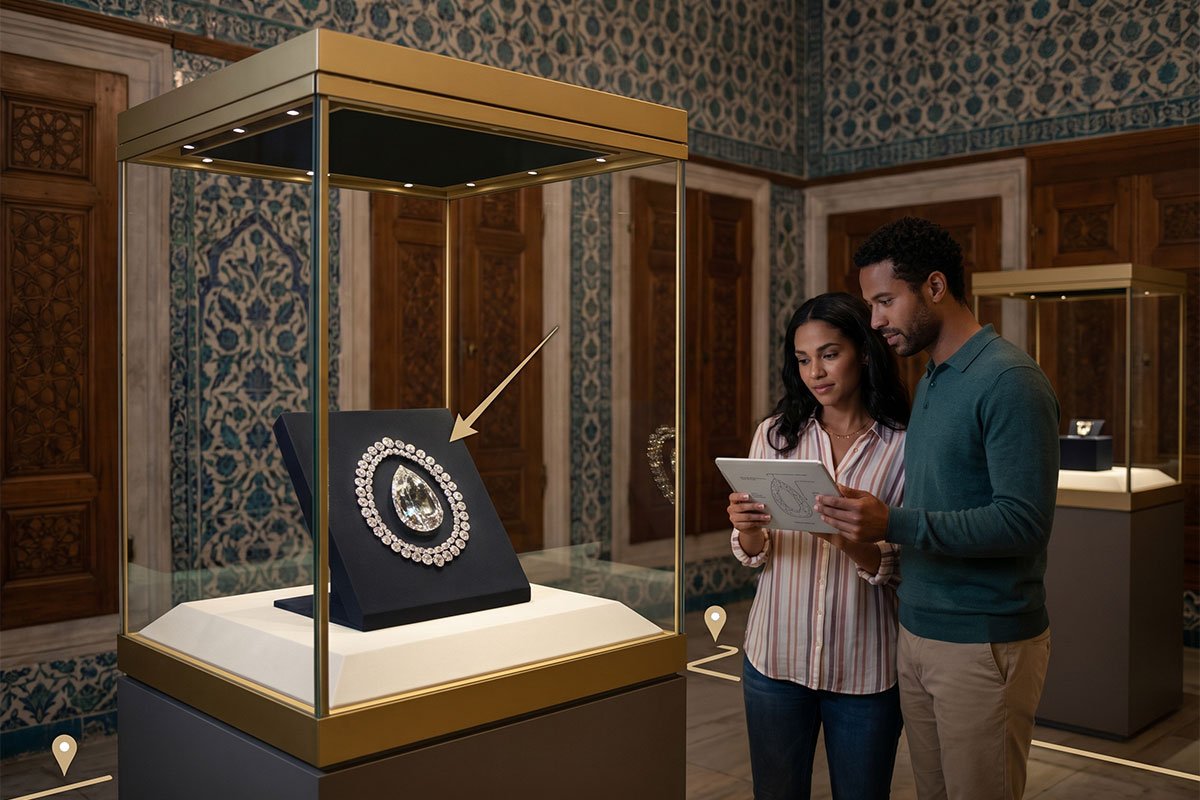
Today, visitors to Topkapi Palace can explore the Harem and gain a glimpse into the lives of the women who lived within its walls. The Harem's opulent chambers, adorned with intricate tilework, exquisite furnishings, and stunning views of the Golden Horn, offer a tangible connection to the past. To make the most of your visit, consider purchasing Skip-the-Line Tickets to avoid long queues, as the Harem remains one of the most popular sections of the palace.
The Harem is a must-see destination for anyone interested in Ottoman history and culture. It challenges common misconceptions about this fascinating and complex institution, revealing it as a place of education, governance, and survival. Before you go, be sure to consult the FAQ page for helpful information regarding photography and guided tours.
Beyond the Harem, Topkapi Palace offers other captivating sections, including the Sacred Relics & Treasury and the beautiful Topkapi Palace Gardens. To plan your trip effectively, refer to the Visiting Information page for opening hours and directions.