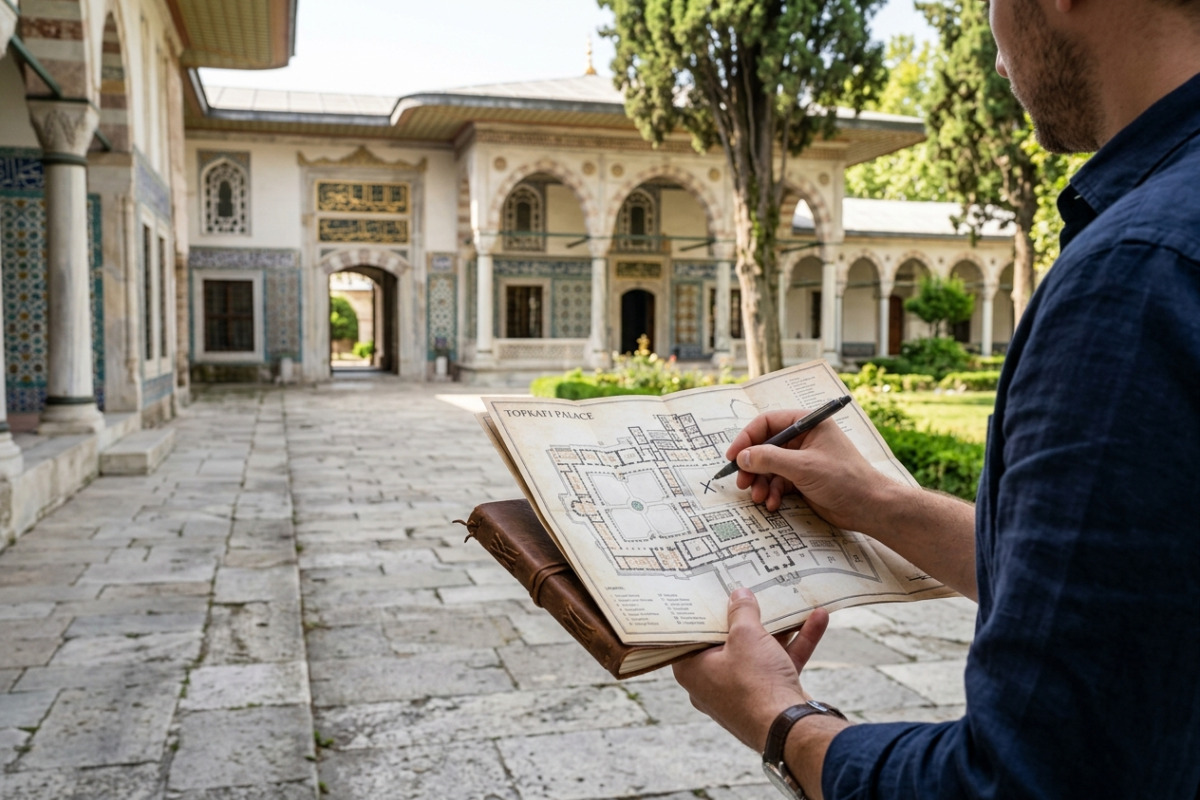
For millions captivated by the historical drama “Magnificent Century,” the name Hurrem Sultan, or Roxelana, resonates with power, intrigue, and romance. But beyond the screen, who was she, and more importantly, where did Hurrem Sultan live? This blog post delves into the real-life locations within Topkapi Palace, specifically the Harem, where Hurrem Sultan spent her days, wielded her influence, and ultimately shaped the course of Ottoman history. We'll trace her footsteps, exploring the rooms and corridors that witnessed her remarkable journey from captive to Sultana.
A Glimpse into Topkapi Palace and the Harem
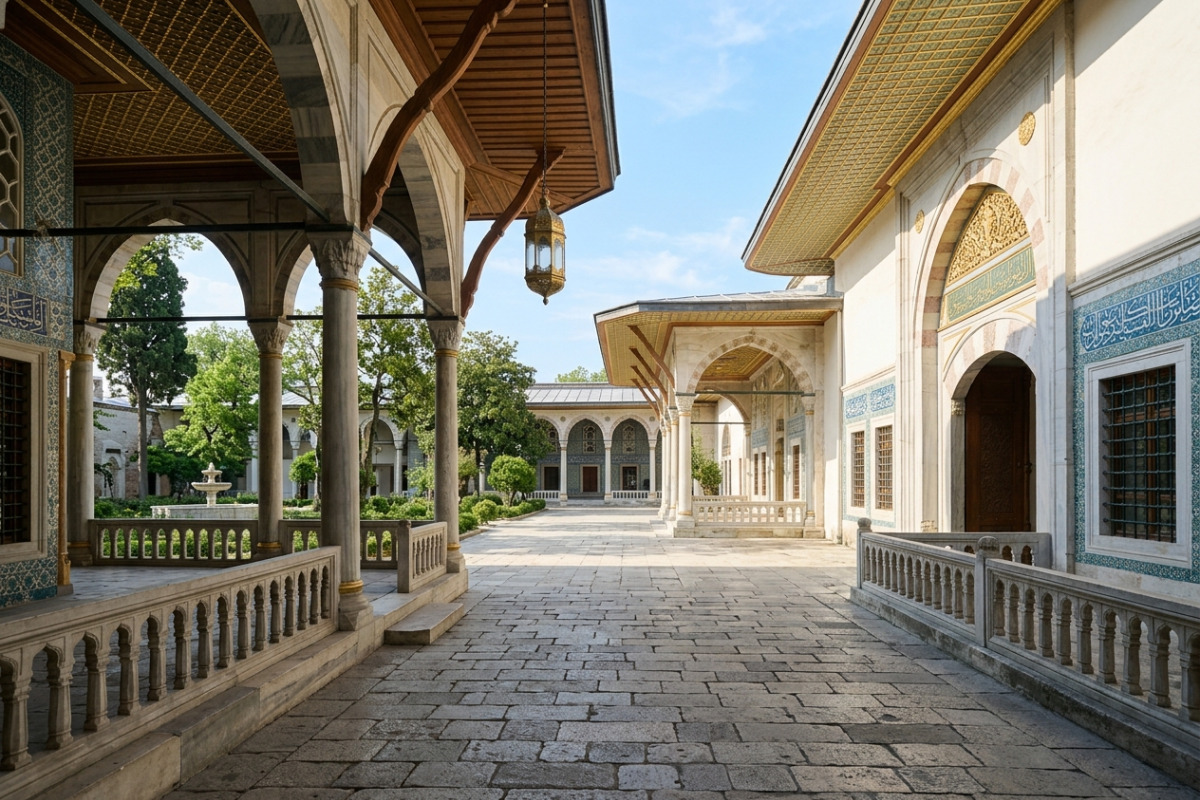
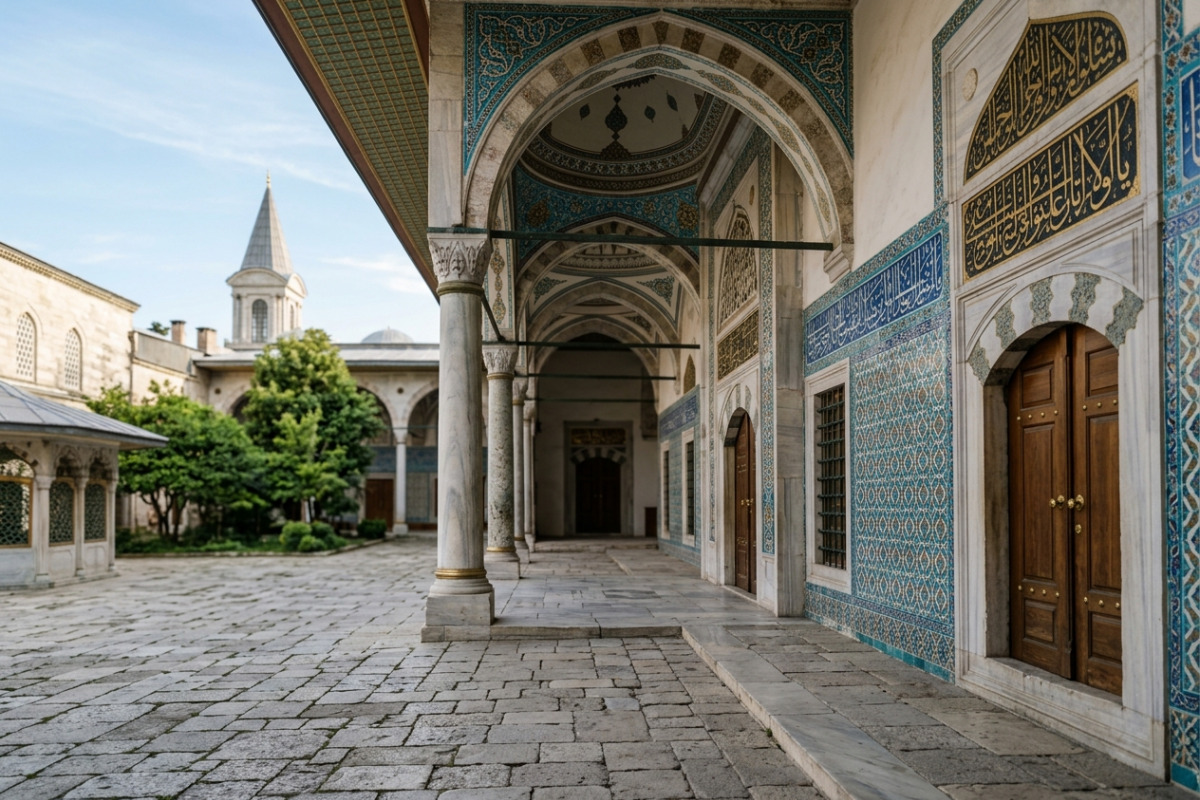
Topkapi Palace, the opulent residence of Ottoman Sultans for nearly four centuries, is a labyrinth of courtyards, gardens, and chambers. Within its walls lies the Harem, a private sanctuary where the Sultan, his mother (Valide Sultan), wives, concubines, children, and eunuchs resided. The Harem was not merely a place of confinement, but a complex social and political space, with Hurrem Sultan playing a central role in its life at Topkapi Palace.
The Harem: More Than Just a Living Space
Understanding the Harem's significance is crucial to appreciating Hurrem Sultan's story. It was a meticulously organized world, governed by strict rules and hierarchies. Women within the Harem vied for the Sultan's favor, and the Valide Sultan held considerable power. Hurrem's rise within this intricate system is a testament to her intelligence, ambition, and unwavering determination.
- A center of education and cultural activities for the women of the court.
- A place of political maneuvering and influence.
- A carefully structured social hierarchy.
Hurrem's Room: Finding Hurrem's Personal Space
While pinpointing the exact location of Roxelana's room with absolute certainty is challenging due to palace renovations and historical record limitations, historians have pieced together information to identify likely areas. Hurrem, as Haseki Sultan (chief consort), would have been granted a spacious and well-appointed chamber. Likely candidates include rooms near the Sultan's private quarters, reflecting her elevated status.
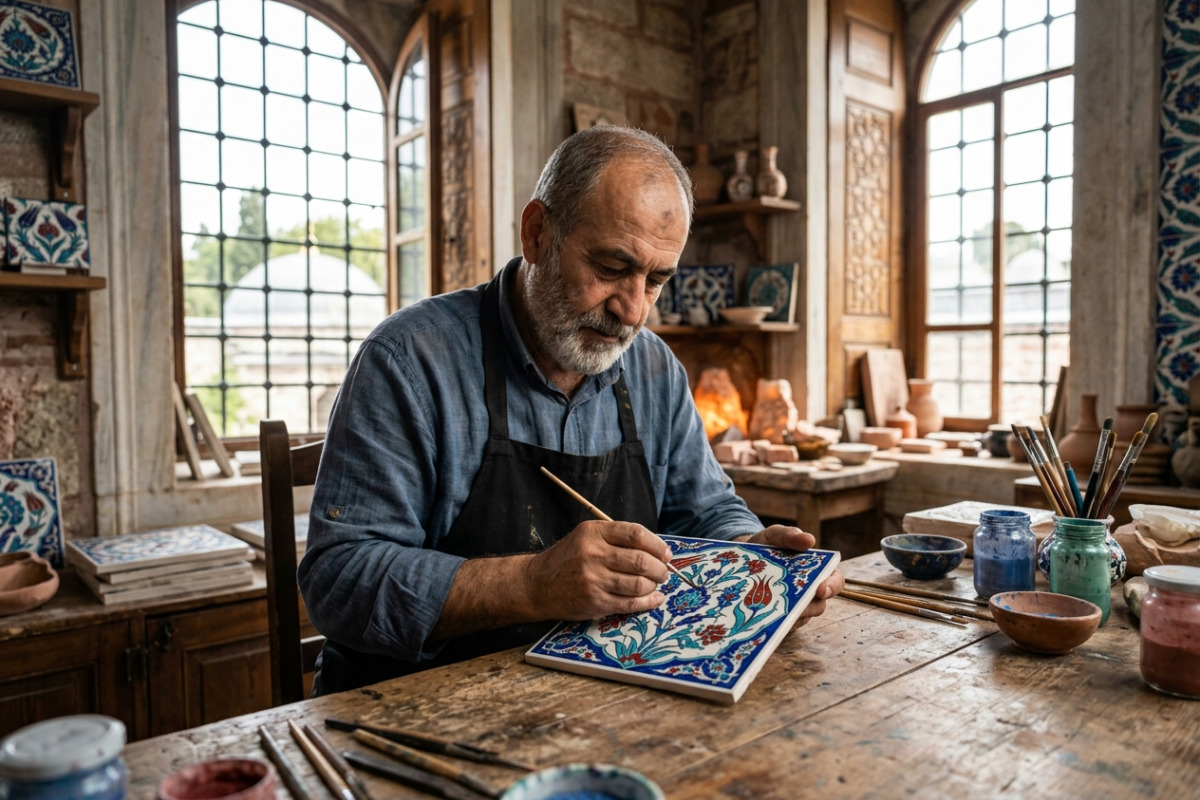
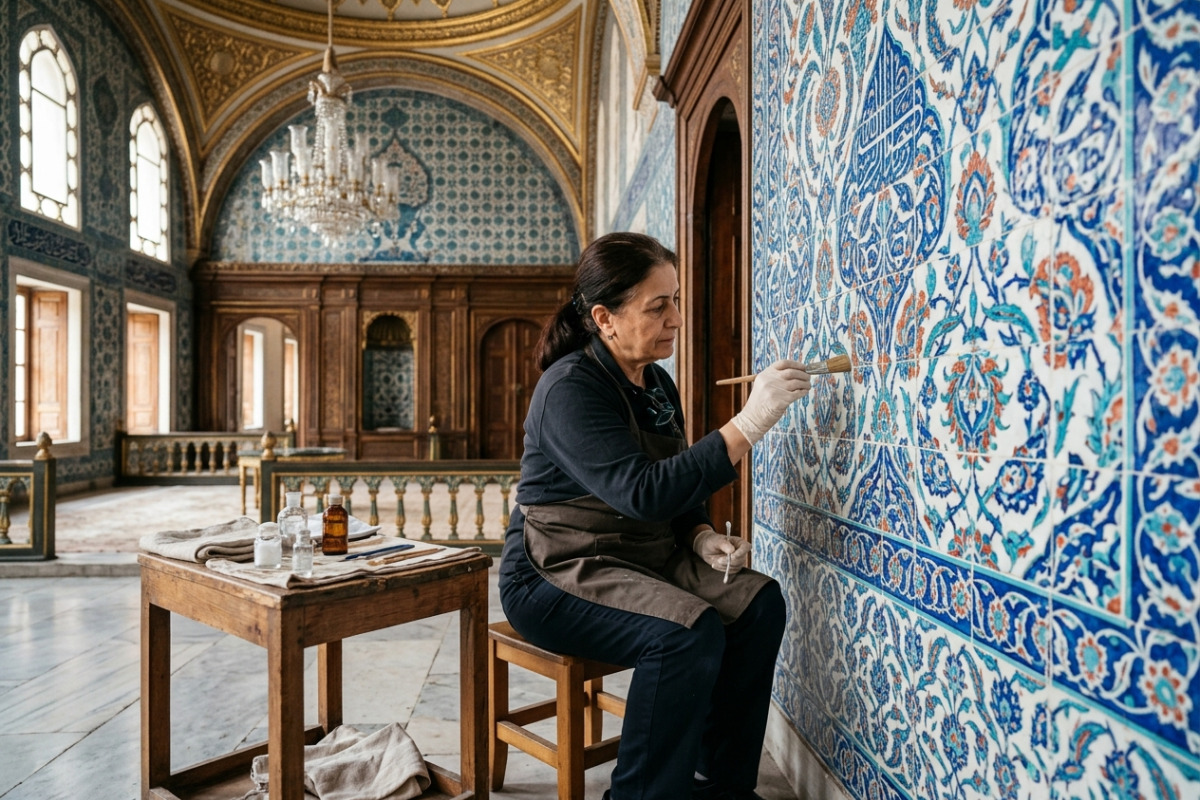
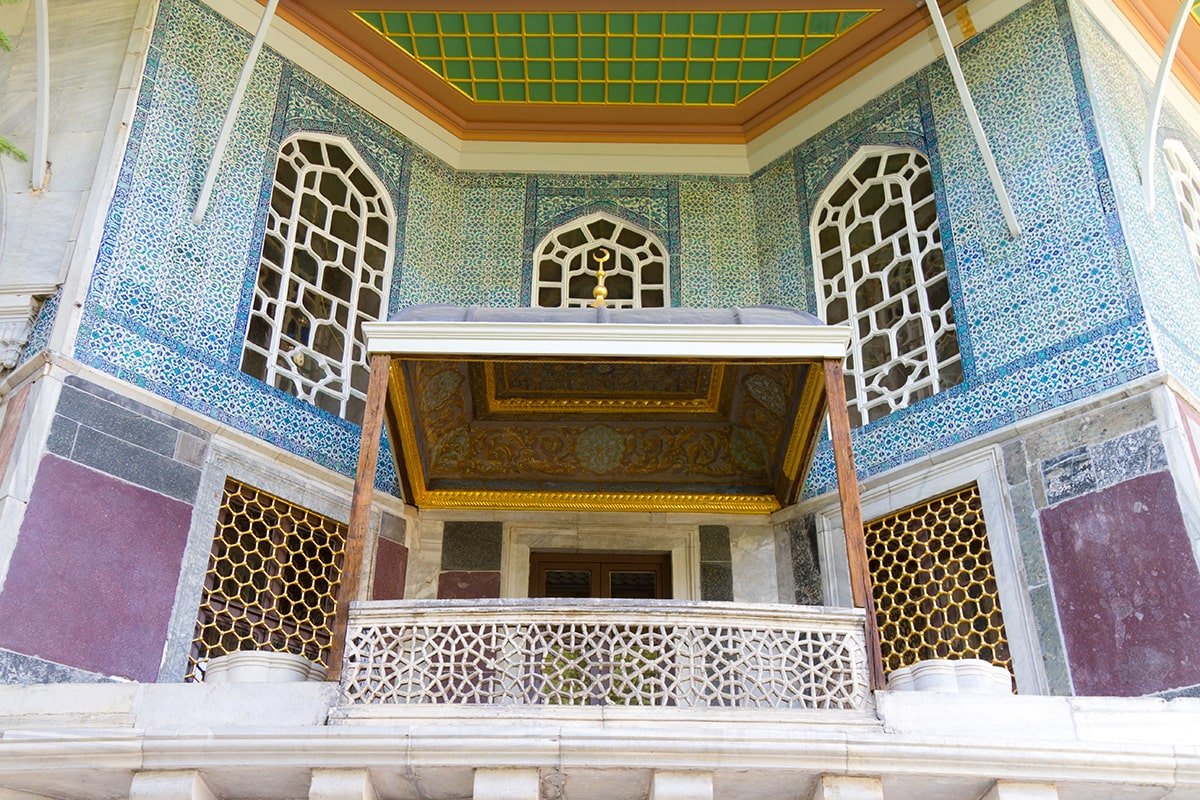
Imagine a room adorned with intricate Iznik tiles, plush carpets, and exquisite furnishings. Sunlight streams through latticed windows, offering glimpses of the palace gardens. This would have been Hurrem's personal haven, a place for reflection, study, and strategic planning.
Key Features of a Haseki Sultan's Chamber:
- Proximity to the Sultan's private chambers.
- Spacious living area for receiving guests and conducting business.
- Private bath and dressing area.
- Elaborate decoration, reflecting the Sultan's favor.
Magnificent Century Topkapi Palace: Bringing History to Life
The popularity of “Magnificent Century” has sparked immense interest in Topkapi Palace and the lives of its inhabitants. While the series takes creative liberties, it offers a glimpse into the world of the Ottoman court and the challenges faced by Hurrem Sultan. Visiting Topkapi Palace allows fans to connect with the historical reality behind the drama, walking the same corridors and imagining the scenes that played out within those walls.
Areas of Interest for “Magnificent Century” Fans:
- The Harem: Explore the chambers and courtyards where Hurrem Sultan lived and interacted with other members of the court.
- The Imperial Council Chamber: Witness the setting for important political decisions.
- The Sultan's private quarters: Gain insight into the Sultan's personal life and the power dynamics within the palace.
Beyond the Walls: Hurrem's Lasting Legacy
Hurrem Sultan's influence extended far beyond the walls of the Harem. She was a patron of the arts, a skilled diplomat, and a trusted advisor to Sultan Suleiman the Magnificent. Her legacy continues to fascinate and inspire, making her one of the most iconic figures in Ottoman history.
| Aspect of Hurrem Sultan's Life | Significance |
| Political Influence | Advised Sultan Suleiman on matters of state, shaping Ottoman policy. |
| Patronage of the Arts | Commissioned mosques, schools, and charitable foundations, leaving a lasting architectural legacy. |
| Rise from Captive to Sultana | Challenged traditional Ottoman norms and redefined the role of women in the court. |
In conclusion, while the precise location of Hurrem Sultan's living quarters within Topkapi Palace may remain a subject of historical debate, her presence permeates every corner of the Harem. Exploring these spaces allows us to connect with her story on a deeper level, appreciating the challenges she faced and the remarkable achievements she attained. So, the next time you find yourself wondering, "where did Hurrem Sultan live?", remember that her legacy lives on within the walls of Topkapi Palace, waiting to be discovered.