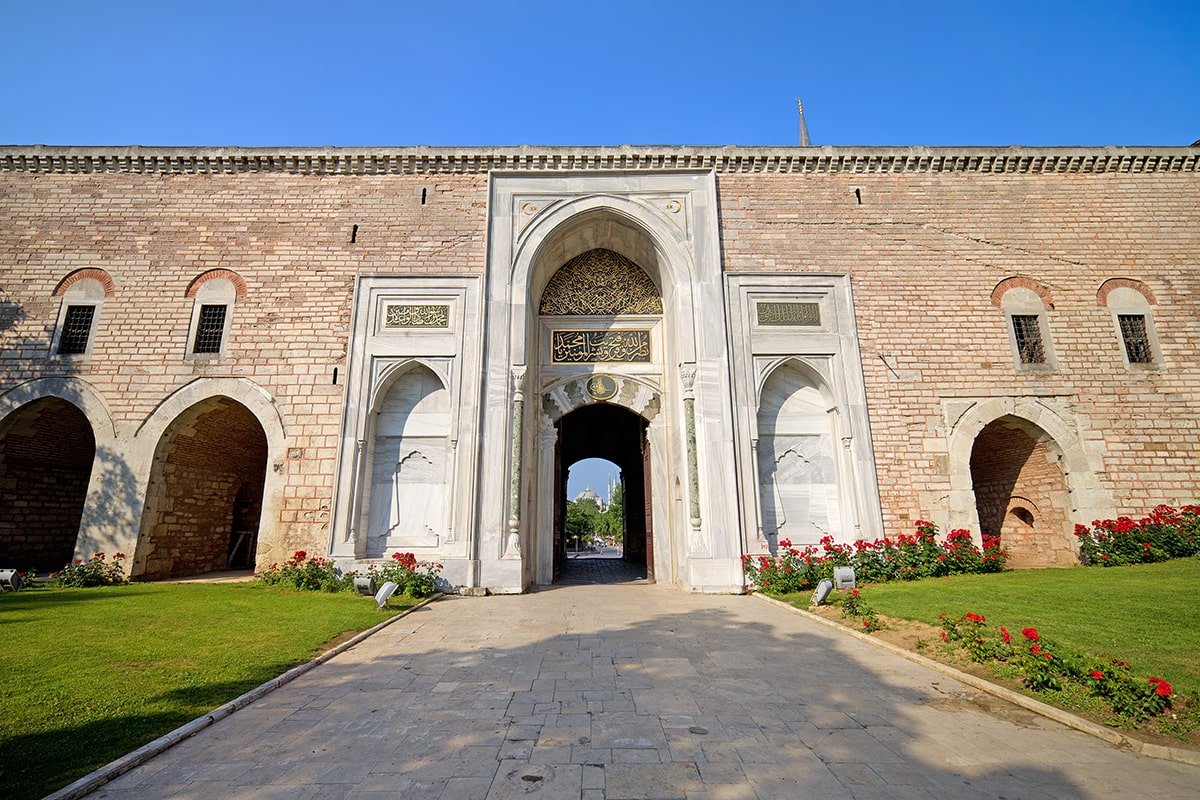
Topkapi Palace, a historical treasure in Istanbul, is not only a testament to Ottoman opulence but also a repository of profound religious significance. Within its sprawling complex lies a collection of sacred relics, revered by Muslims worldwide. These artifacts, carefully preserved for centuries, offer a unique glimpse into the history of Islam and the Ottoman Empire's role as its protector. For visitors with a spiritual interest, exploring these collections is an unforgettable experience.
Understanding the Sacred Relics Collection
The Topkapi Palace's collection of sacred relics, known as the 'Hırka-i Şerif Dairesi' (Chamber of the Holy Mantle), is a treasure trove of Islamic history. These artifacts are not merely historical objects; they are deeply venerated items believed to possess barakah (blessings). The collection includes relics attributed to Prophet Muhammad (peace be upon him) and other prominent figures in Islamic history.
Key Sacred Relics to See
When visiting the Topkapi Palace to view the sacred relics, there are several key items that should be on your list. These artifacts hold immense historical and religious significance.
- The Holy Mantle (Hırka-i Şerif): Believed to have been worn by Prophet Muhammad, this mantle is the most important relic in the collection. It is carefully preserved and displayed with the utmost respect.
- The Prophet's Sword: Several swords attributed to Prophet Muhammad and his companions are on display, each with its own unique history and significance.
- The Seal of Prophet Muhammad: This seal was used to authenticate documents and is considered a powerful symbol of authority.
- The Prophet's Tooth: A tooth believed to have belonged to Prophet Muhammad, carefully preserved and revered.
- Letters and Personal Items: The collection also includes letters and other personal items attributed to the Prophet and his family, offering a more intimate glimpse into their lives.
The Significance of the Holy Mantle (Hırka-i Şerif)
The Hırka-i Şerif, or Holy Mantle, is arguably the most significant relic within the Topkapi Palace. It is believed to have been given by Prophet Muhammad to Uwais al-Qarani, a Yemeni man known for his deep devotion to the Prophet, even though they never met in person. The mantle was later brought to Istanbul and became a symbol of the Ottoman Caliphate's authority and protection of the Muslim world. Viewing the Hırka-i Şerif is a deeply moving experience for many visitors.
Other Notable Islamic Heritage within Topkapi
Beyond the Hırka-i Şerif Dairesi, Topkapi Palace houses other items of immense Islamic heritage. These collections further enrich the understanding of Islamic art, culture, and history within the Ottoman context.
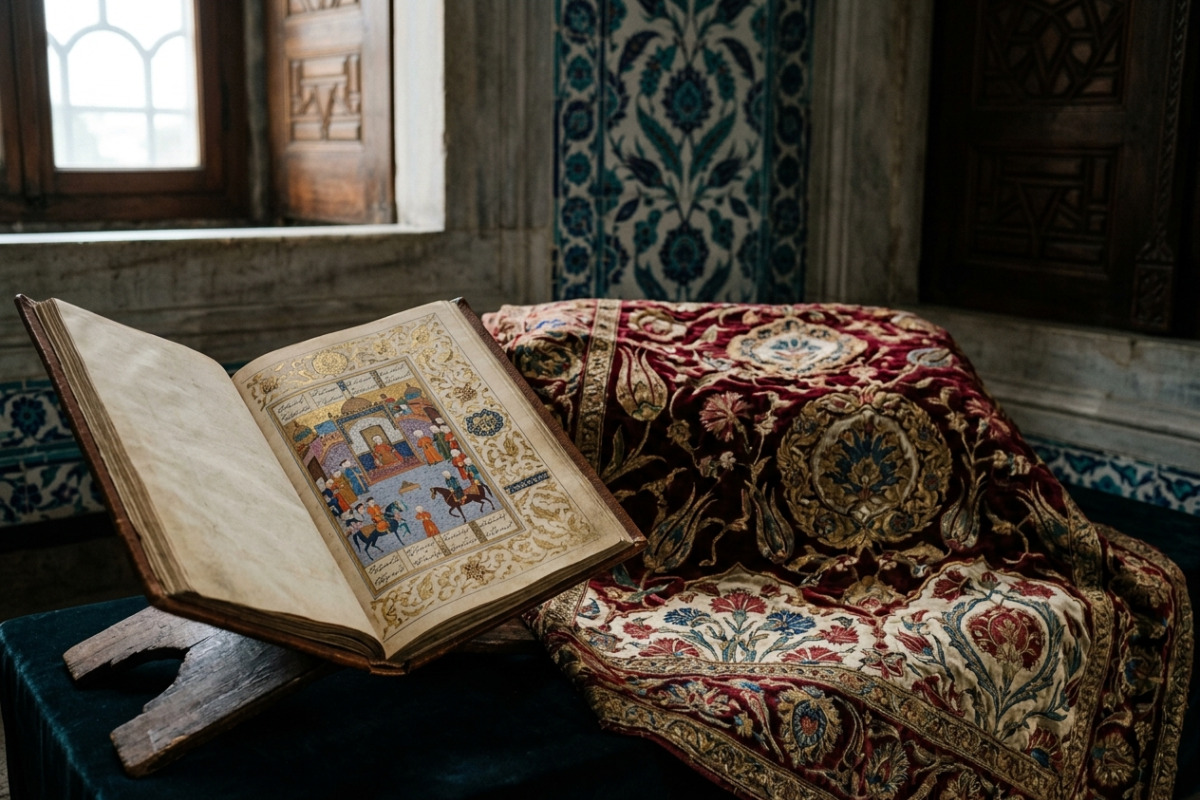
- Quranic Manuscripts: The palace library contains a vast collection of beautifully illuminated Quranic manuscripts, showcasing the artistry and devotion of Islamic scribes.
- Calligraphy: Exquisite examples of Islamic calligraphy adorn the walls of the palace, reflecting the importance of this art form in Islamic culture.
- Relics of Other Prophets: While the focus is on Prophet Muhammad, the palace also houses relics associated with other prophets recognized in Islam, such as Moses and Abraham.
Planning Your Visit to See the Sacred Relics
To make the most of your visit to see the sacred relics in Topkapi Palace, it's important to plan ahead. Here are some tips to ensure a meaningful and respectful experience:
- Timing: The Hırka-i Şerif Dairesi can be particularly crowded during peak tourist season and religious holidays. Consider visiting during the off-season or early in the morning to avoid long queues.
- Dress Code: While not strictly enforced, it is recommended to dress modestly when visiting the sacred relics. Covering shoulders and knees is a sign of respect.
- Photography: Photography is generally not allowed inside the Hırka-i Şerif Dairesi. Be sure to check with palace staff for the latest regulations.
- Respectful Conduct: Maintain a respectful demeanor while viewing the relics. Speak in hushed tones and avoid any disruptive behavior.
- Guided Tours: Consider joining a guided tour to gain deeper insights into the history and significance of the relics. Many tours specifically focus on the Islamic heritage within Topkapi Palace.
Essential Information for Visitors Seeking Holy Artifacts in Istanbul
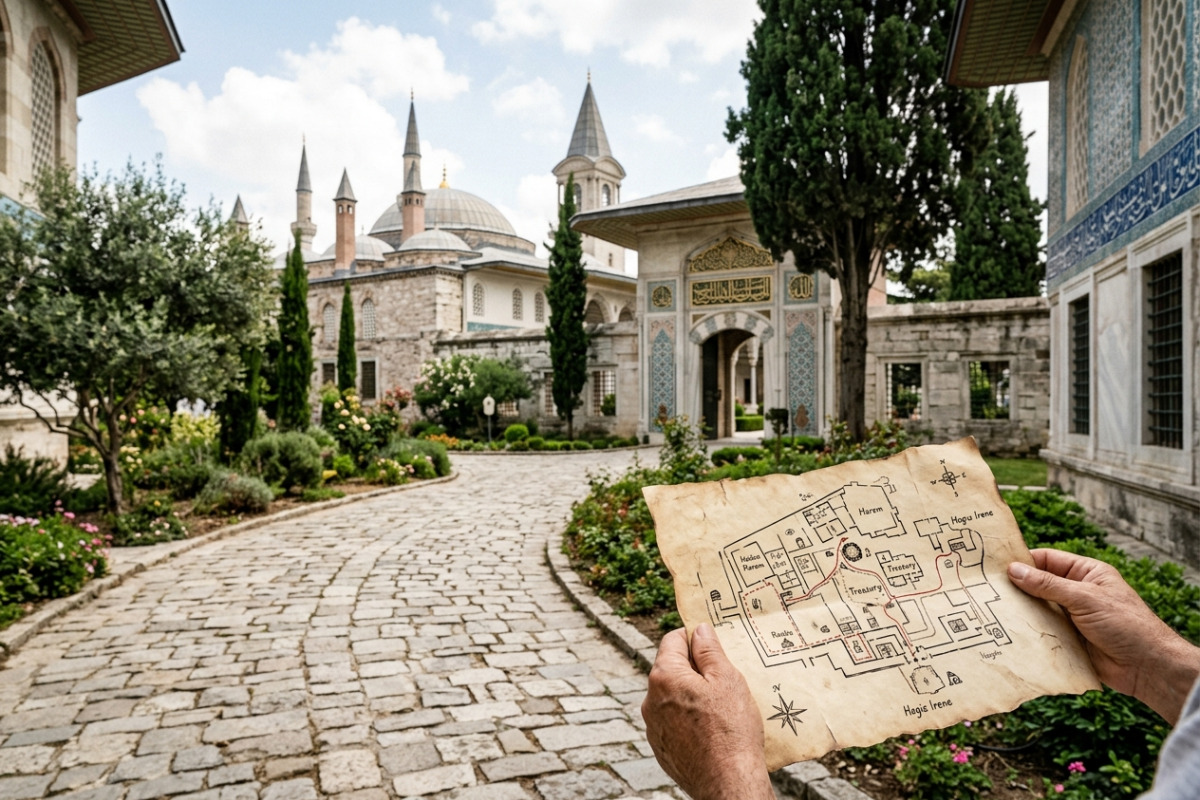
Navigating Topkapi Palace can be overwhelming, especially for visitors primarily interested in the sacred relics. Here's a table summarizing key information to help you plan your visit effectively:
| Aspect | Details |
| Location | Topkapi Palace, Istanbul, Turkey |
| Key Area | Hırka-i Şerif Dairesi (Chamber of the Holy Mantle) |
| Best Time to Visit | Early morning or off-season to avoid crowds |
| Dress Code | Modest attire recommended (covering shoulders and knees) |
| Photography | Usually not allowed inside Hırka-i Şerif Dairesi |
| Guided Tours | Available, recommended for deeper understanding |
The Enduring Legacy of the Sacred Relics
The sacred relics in Topkapi Palace are more than just historical artifacts; they are powerful symbols of faith, history, and the enduring connection between the Ottoman Empire and the Islamic world. A visit to this collection offers a unique opportunity to connect with Islamic heritage on a personal and spiritual level. By understanding the significance of these holy artifacts istanbul offers a profound cultural experience, enriching your appreciation of both Islamic history and the Ottoman Empire's legacy.
Exploring the sacred relics of Topkapi provides visitors with an unparalleled insight into the Ottoman Dynasty’s role as custodians of Islamic history. The experience offers both historical knowledge and spiritual reflection. By carefully planning your visit and approaching the relics with respect, you can create a lasting memory that will enrich your understanding of Islam and its profound influence on world history.