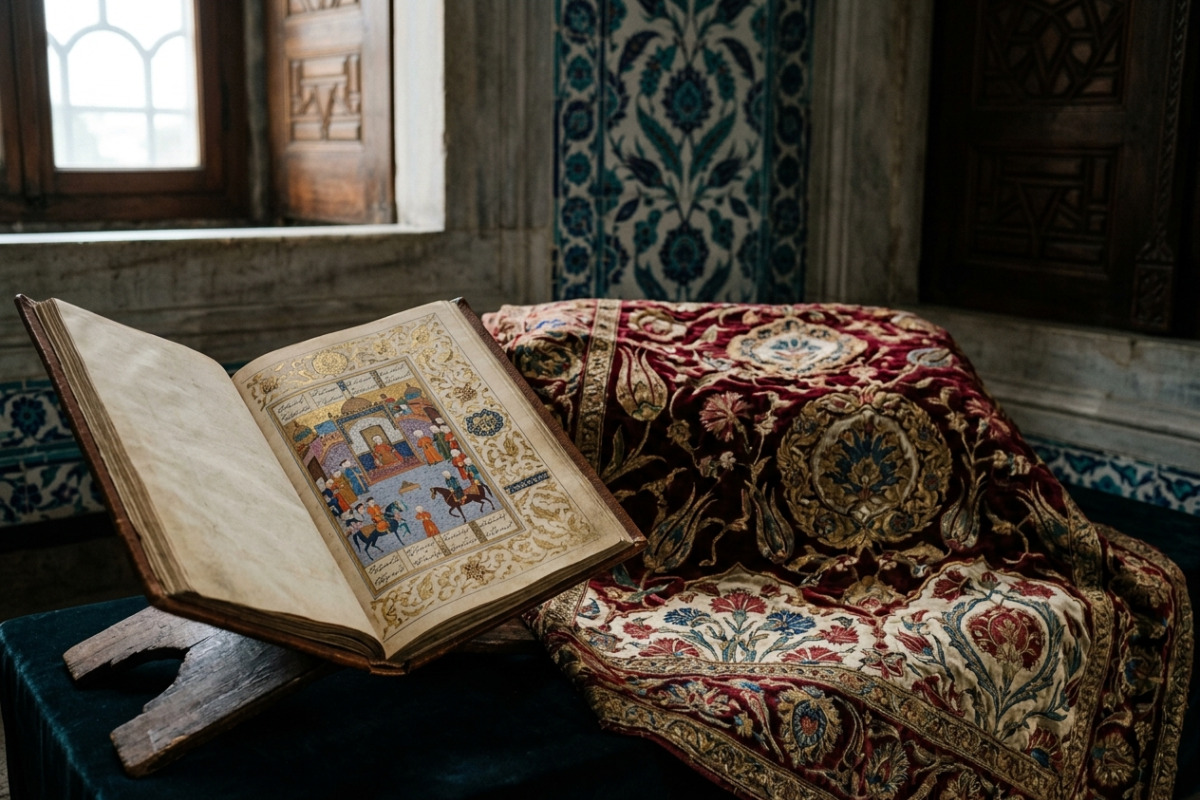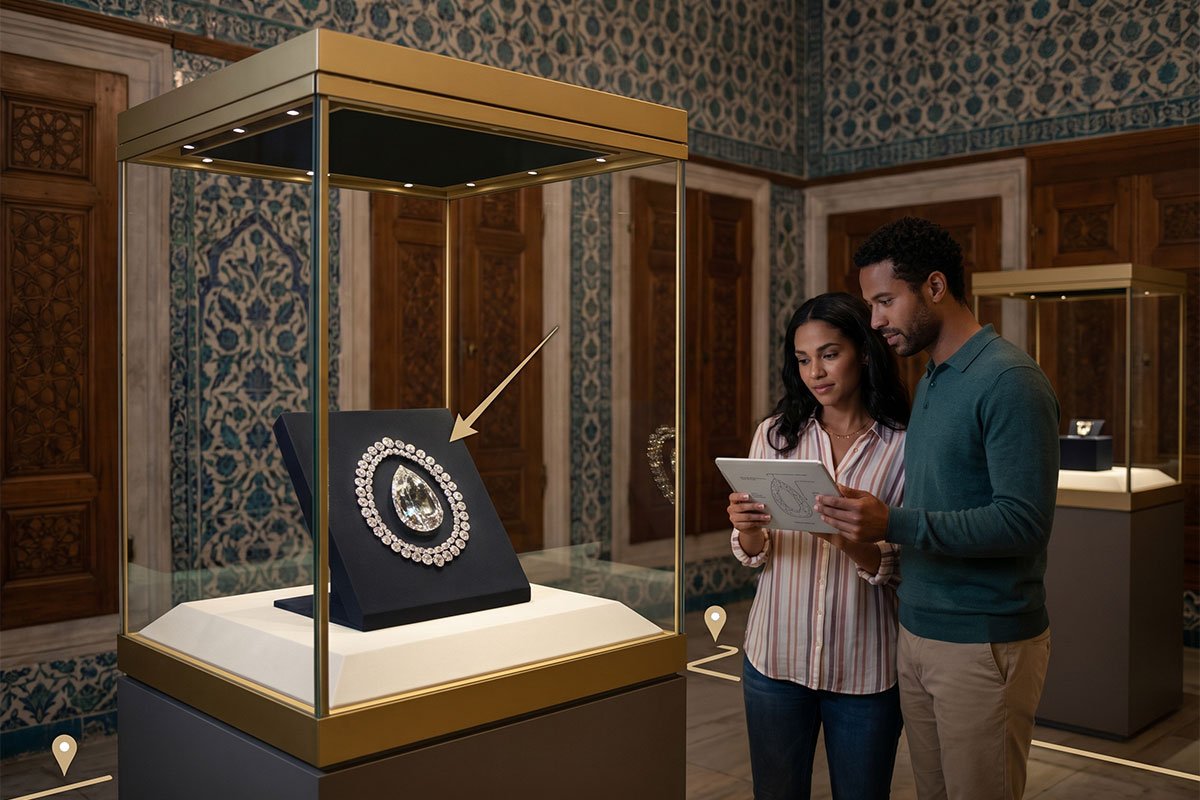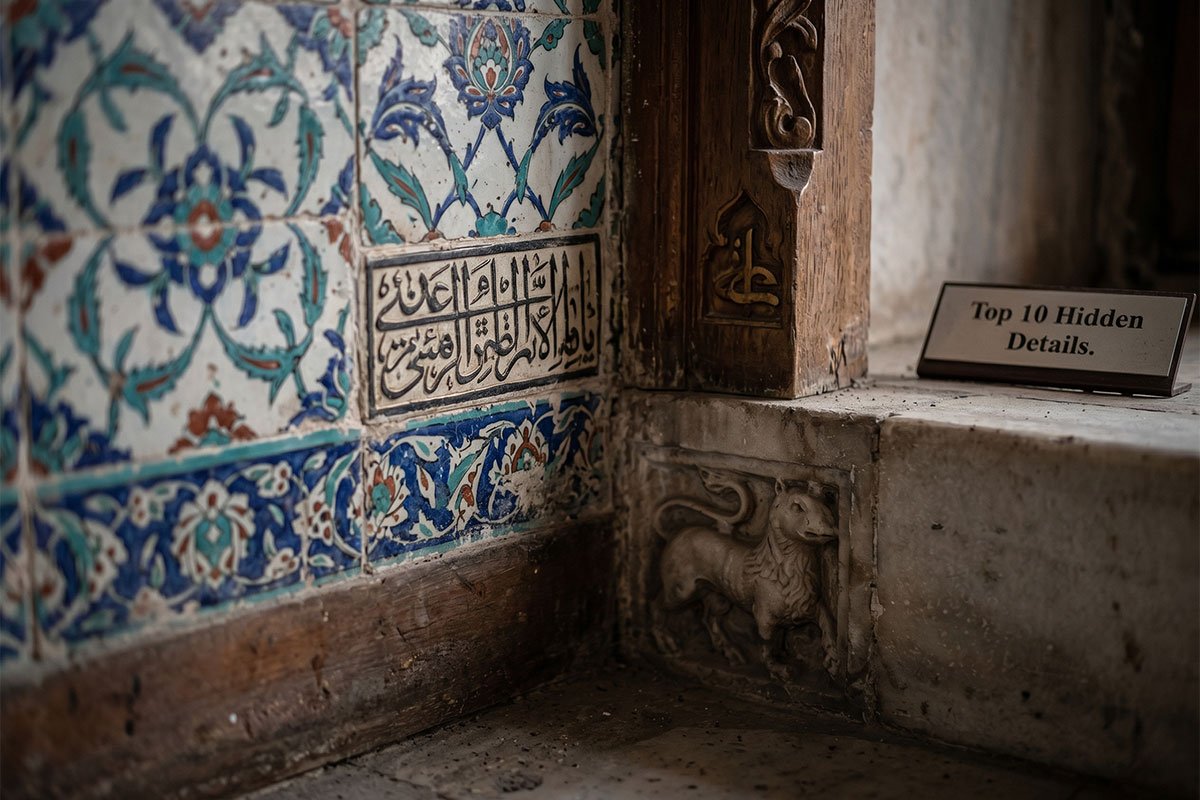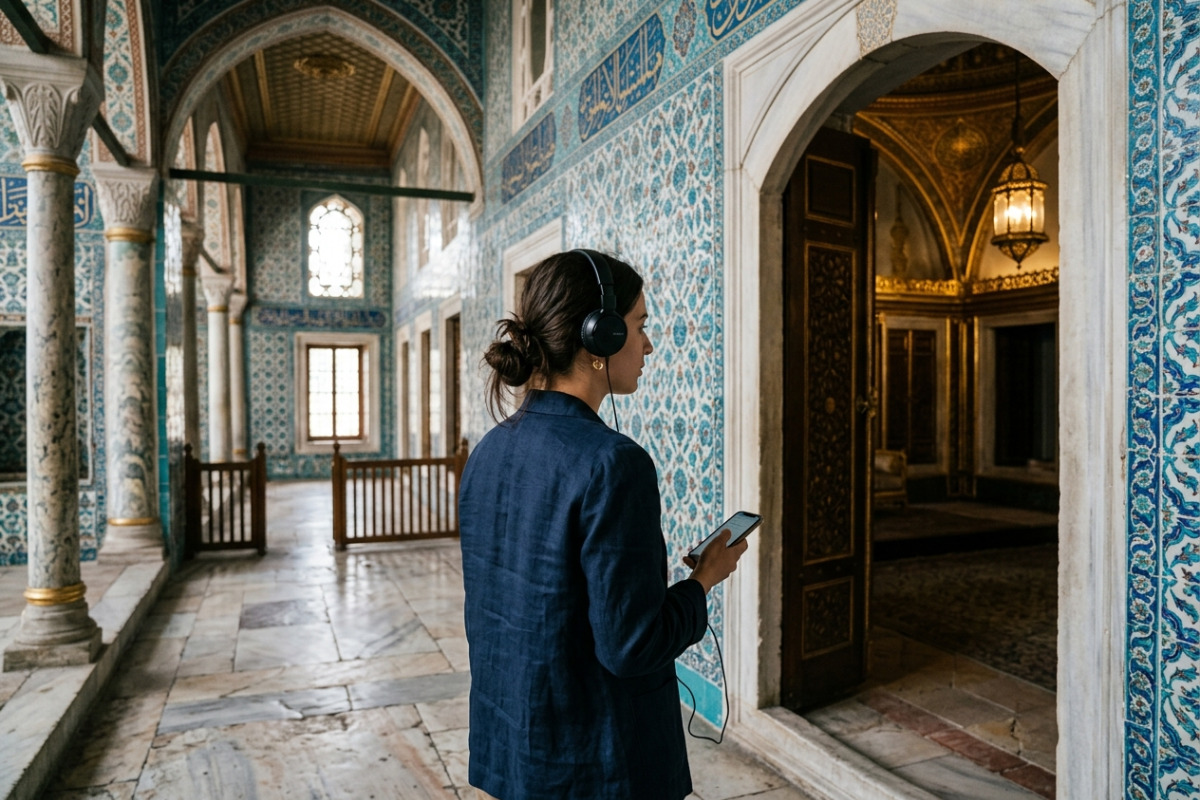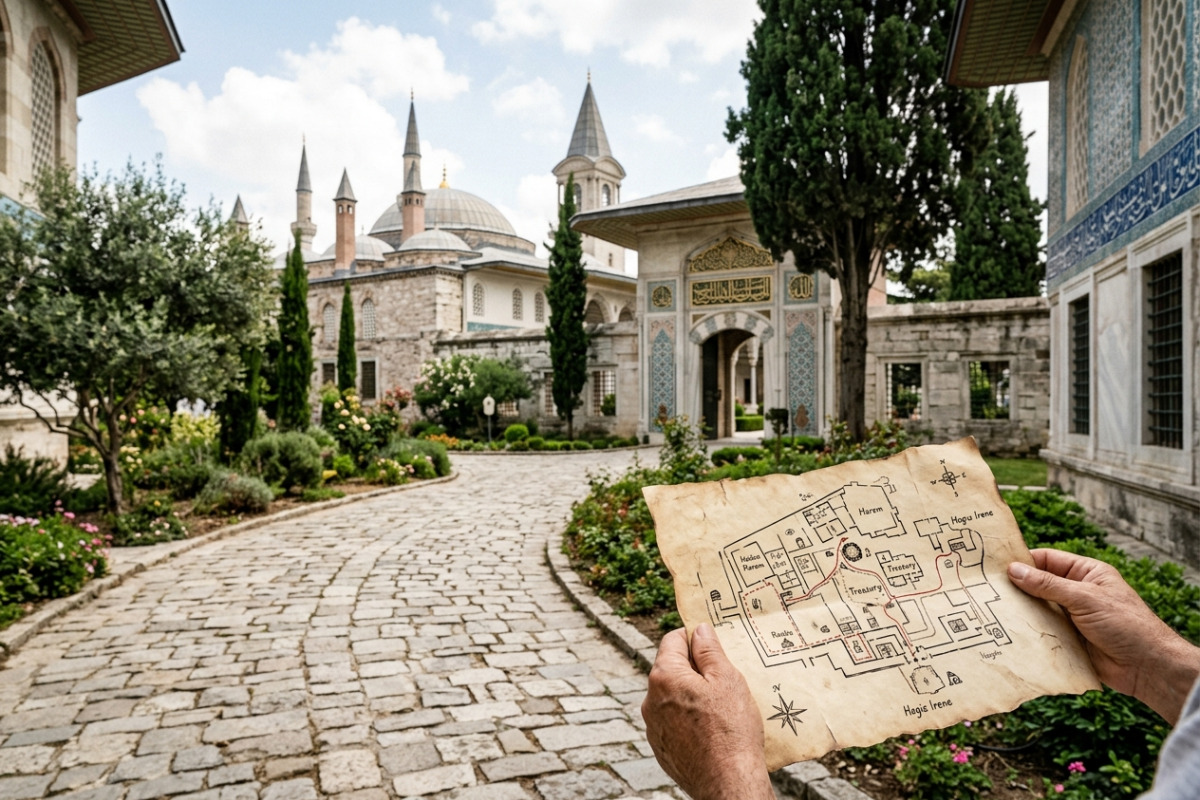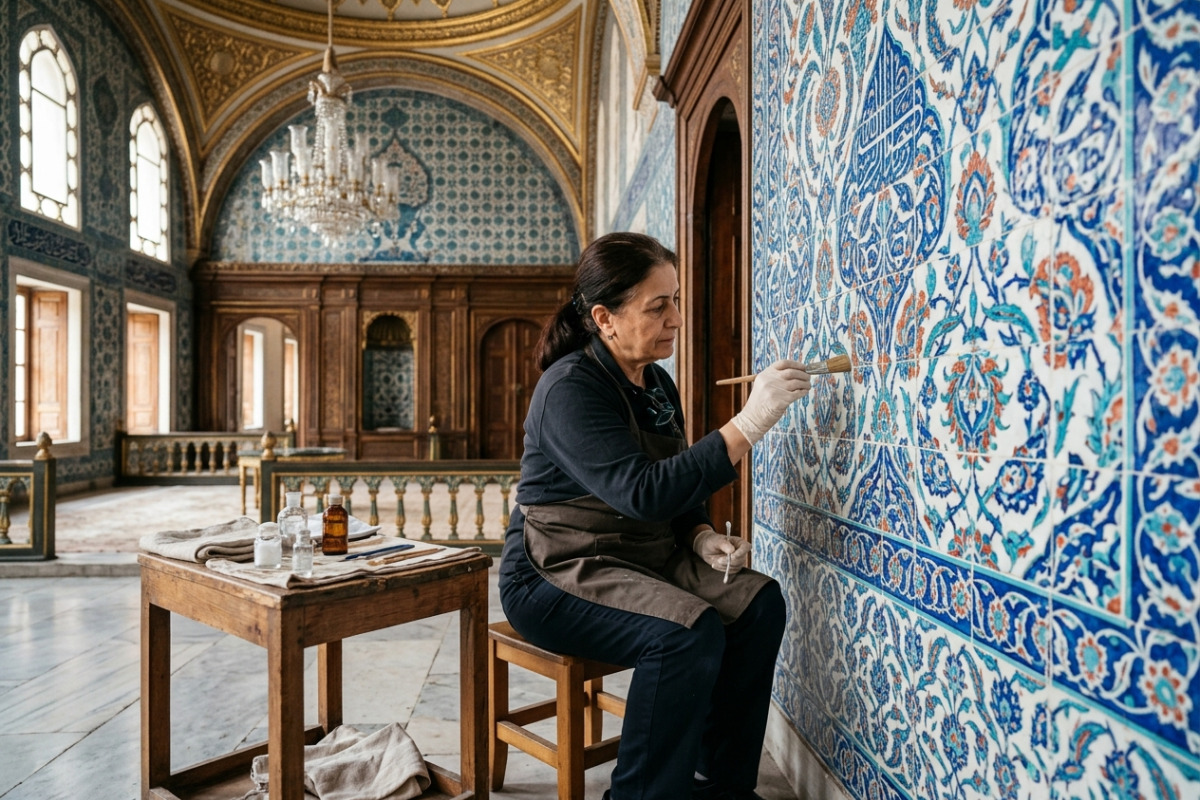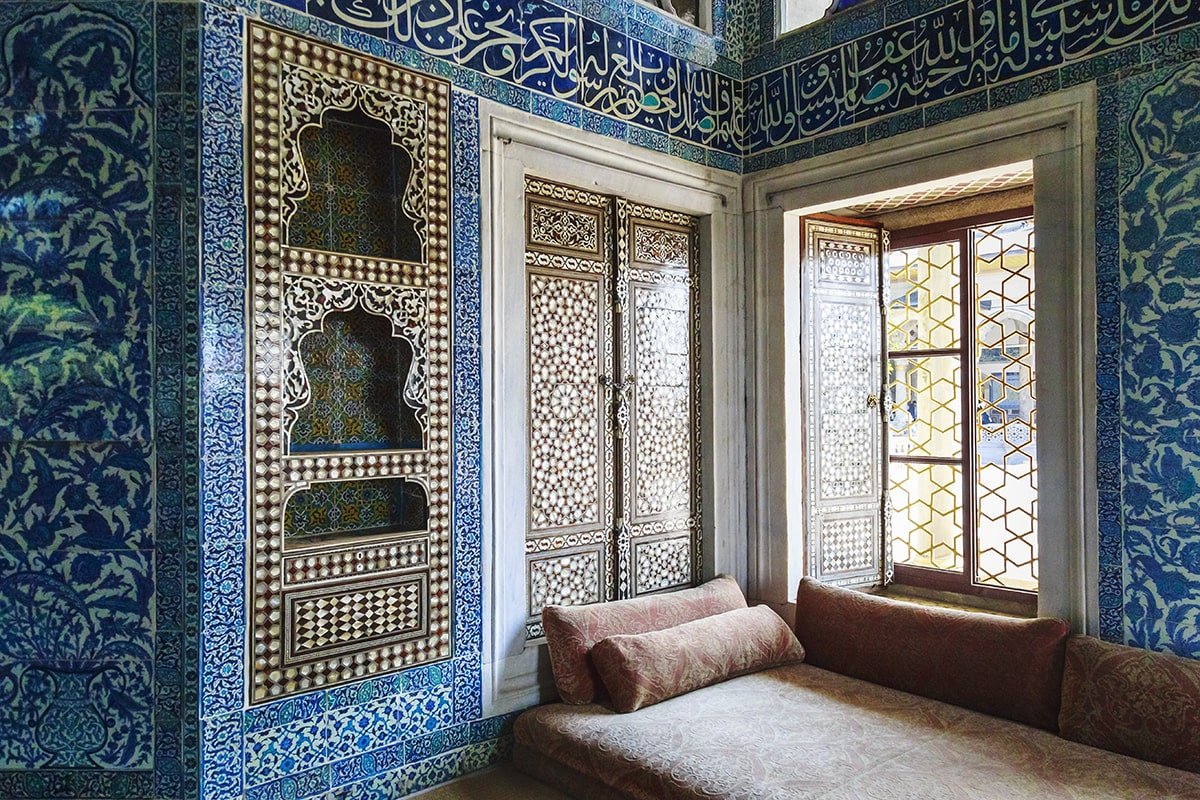
Topkapi Palace, a sprawling complex of courtyards, pavilions, and halls, stands as a testament to the Ottoman Empire's power and artistic prowess. While the palace boasts a treasure trove of artifacts and architectural marvels, it's arguably the exquisite Iznik tiles that truly capture the imagination. These vibrant ceramics, renowned for their intricate designs and characteristic cobalt blue hues, adorn the walls of numerous chambers, transforming them into breathtaking works of art. For art lovers, design enthusiasts, photographers, and anyone fascinated by architectural history, a visit to Topkapi Palace is incomplete without seeking out these masterpieces. This guide will navigate you through the palace, highlighting the locations where you can find the most beautiful examples of Iznik tiles, focusing especially on those in the Harem and the Circumcision Room.
A Brief History of Iznik Tiles: From Quartz to Masterpiece
Iznik tiles take their name from the town of Iznik (ancient Nicaea) in northwestern Turkey, where they were produced from the late 15th to the 17th centuries. The industry flourished under Ottoman patronage, particularly during the reigns of Sultan Suleiman the Magnificent and his successors. Iznik potters developed a unique and highly sophisticated technique, using a fritware body—a mixture of clay, ground quartz, and glass—coated with a white slip and painted with vibrant mineral pigments.
The technical brilliance of Iznik ceramics lies in their underglaze painting. The tiles were glazed and fired at high temperatures, resulting in a lustrous, durable surface that could withstand the test of time. During the 'Golden Age' of production (roughly 1550-1600), a brilliant 'tomato red' (sealing-wax red) was added to the palette, a feat of chemistry that other ceramic centers struggled to replicate. Today, these tiles stand as a testament to the skill and artistry of the Iznik potters and a vital part of Turkey's cultural heritage.
Finding the Best Iznik Tiles in Topkapi Palace
Topkapi Palace houses a vast collection of Iznik tiles, each with its own unique charm and historical significance. To truly appreciate them, one must look beyond the architecture and focus on the ceramic evolution displayed on the walls.
The Harem: A Ceramic Chronology
The Harem, the private residence of the Ottoman Sultans and their families, is undoubtedly one of the most visually stunning sections of Topkapi Palace. Rather than just a residence, the Harem serves as a chronological gallery of Iznik art. Its opulent chambers are lavishly decorated with tiles that range from the early blue-and-white styles to the complex polychrome designs of the late 16th century.
- The Queen Mother's Apartments (Valide Sultan Dairesi): These apartments are particularly noteworthy for their exquisite Iznik tile panels, featuring intricate floral designs and calligraphic inscriptions. Look for the panels depicting cypress trees, a symbol of eternity, and stylized depictions of birds and animals. The 17th-century tiles here show a shift toward a softer color palette, reflecting the changing tastes of the later Ottoman court.
- The Imperial Hall (Hünkâr Sofası): This grand hall, used for official receptions and entertainment, is adorned with elaborate Iznik tile panels that showcase the empire's wealth and power. The deep blues and greens create a sense of regal splendor, while the large-scale calligraphic friezes demonstrate the perfect integration of art and architecture.
- The Private Apartments of Sultan Murad III: Designed by the legendary architect Mimar Sinan in 1578, this room contains perhaps the finest 16th-century Iznik tiles in existence. The walls are covered from floor to ceiling in tiles featuring the 'Saz' style—characterized by long, serrated leaves and fantastic blossoms. The fireplace (ocak) in this room is also a masterpiece, framed by tiles that perfectly complement the bronze hood.
The Circumcision Room (Sünnet Odası): The Pinnacle of Tile Art
The Circumcision Room, also known as the Chamber of the Princes, is a jewel-box of Ottoman art. Built during the reign of Sultan Ibrahim in 1640, it is famous for its exterior facade as much as its interior. What makes this room unique for tile enthusiasts is the use of 'recycled' masterpieces. The exterior walls are decorated with large-scale, blue-and-white tile panels that actually date back to the 1520s and 1530s.
These panels are some of the largest single-piece tiles ever produced in Iznik. They feature a 'naturalist' style with swaying clouds, mythical phoenixes (simurgh), and dense foliage. The contrast between these early 16th-century panels and the 17th-century tiles inside the room provides a fascinating study in the evolution of Turkish ceramic aesthetics. The bright and airy feel, enhanced by the light reflecting off the glazed surfaces, makes it a favorite for photographers seeking that perfect 'Ottoman Blue' shot.
The Twin Kiosks and the Baghdad Pavilion
Beyond the Harem, the Fourth Courtyard offers more ceramic treasures. The **Baghdad Kiosk**, built to celebrate the conquest of Baghdad in 1638, features a stunning exterior and interior tile decoration. The tiles here are predominantly blue and white, with intricate geometric patterns that echo the traditions of Islamic art while maintaining the distinct Iznik flair.
The **Twin Kiosks** (Apartments of the Crown Prince) are equally impressive. Here, the tiles feature a high concentration of quartz, giving them a brilliant, almost translucent quality. The designs are more restrained but no less beautiful, focusing on floral symmetry and deep cobalt pigments that have not faded in over four centuries.
Understanding the Designs and Symbolism
Understanding the symbolism behind the designs on Iznik tiles can enhance your appreciation of these artworks. The Ottomans used nature as a metaphor for the divine and the power of the Sultanate.
| Motif | Symbolism |
| Tulips | The oneness of God (Allah) and the Ottoman dynasty |
| Carnations | Passion, devotion, and the renewal of life |
| Roses | The Prophet Muhammad and spiritual beauty |
| Hyacinths | Spring, regeneration, and the fleeting nature of life |
| Cypress Trees | Eternity, uprightness, and mourning |
| Cloud Bands | Celestial power and Chinese (Chintamani) influence |
Tips for Visiting Topkapi Palace to See the Iznik Tiles
- Look for the 'Tomato Red': When exploring the Murad III apartments, look closely at the red pigments. If the red is raised (thick like wax) and vibrant, you are looking at the peak of Iznik technical achievement.
- Visit Early: The Harem and the Circumcision Room are small spaces. To see the tiles without the crowds, head to the Harem as soon as the palace opens.
- Check the Lighting: The tiles in the Circumcision Room look best in the morning light, which highlights the blue glazes against the marble architecture.
- Bring a Zoom Lens: Many of the most intricate calligraphic tiles are located high on the walls or near the ceilings. A zoom lens will help you appreciate the brushwork of the original artists.
- Respect the Preservation: Never touch the tiles. The oils from human skin can damage the ancient glazes over time.
Conclusion
The Iznik tiles of Topkapi Palace are a testament to the artistic genius of the Ottoman era. From the vibrant hues of the Harem to the intricate, large-scale panels of the Circumcision Room, these ceramics offer a glimpse into a world of opulence, refinement, and cultural richness. They are not merely decorations; they are the enduring soul of the palace walls. A visit to Topkapi Palace is not just a journey through history; it's an immersion into a world of breathtaking beauty, where the legacy of the Iznik potters continues to inspire and captivate. Make sure you allocate enough time to truly appreciate the best tiles in the Harem and the kiosks of the Fourth Courtyard. These beautiful blue tiles are the silent narrators of the Ottoman Empire's golden age.