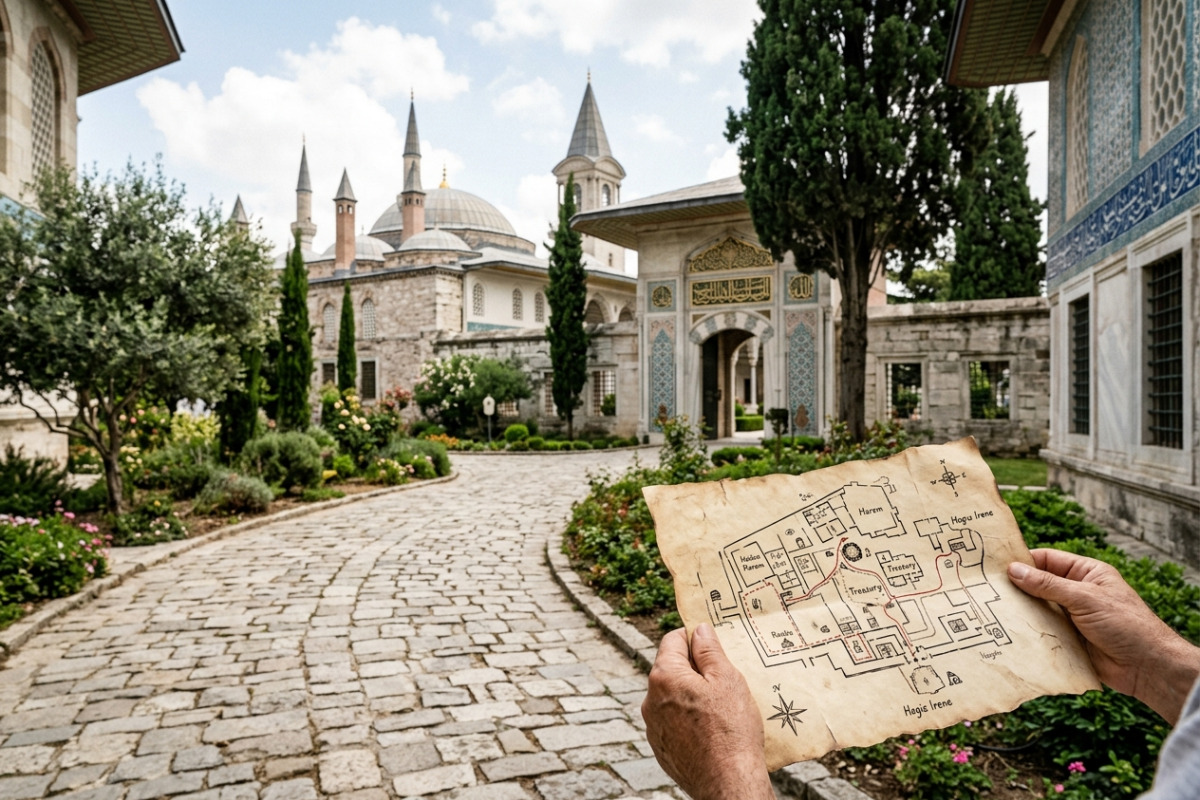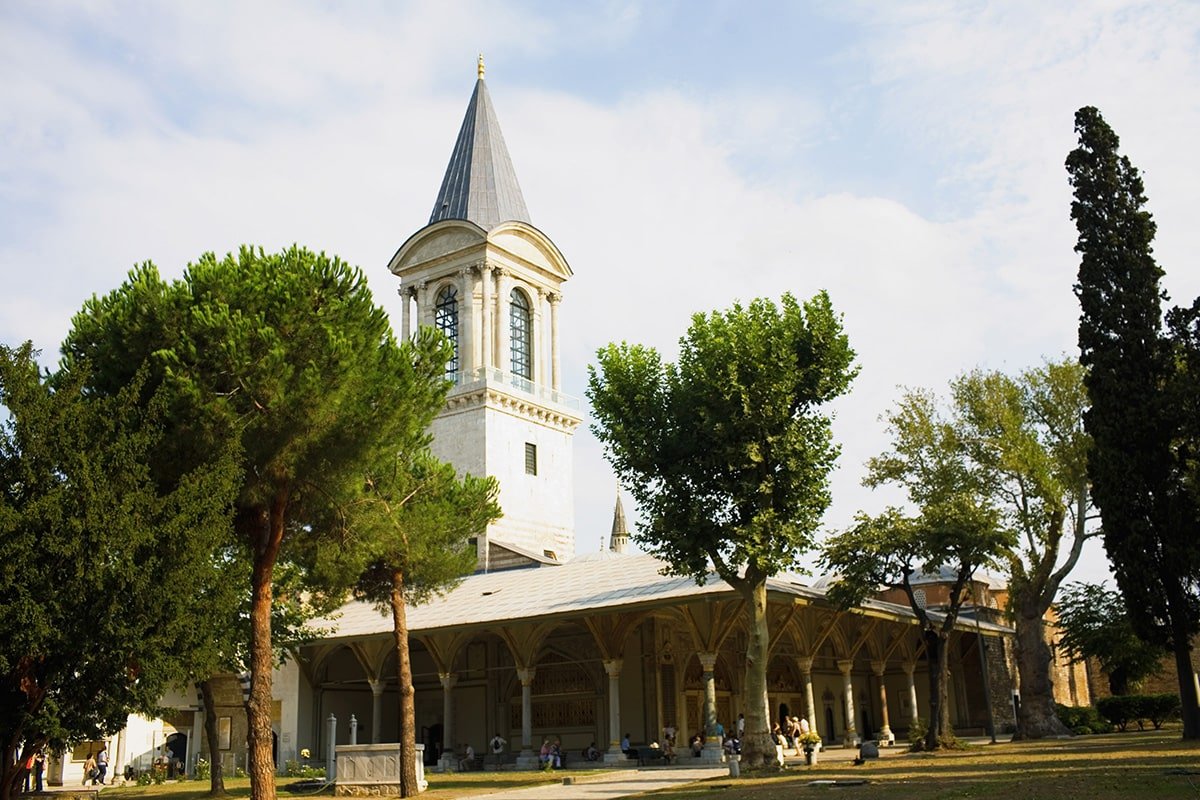
Topkapi Palace, a sprawling complex overlooking the Bosphorus, stands as a testament to the power and grandeur of the Ottoman Empire. For nearly four centuries, it served as the primary residence and administrative center of the Ottoman sultans, witnessing pivotal moments in history. This Topkapi Palace history timeline delves into the key events that shaped this iconic landmark, from its construction to its transformation into a museum.
The Foundation of Ottoman Power: Construction Begins (1459-1465)
Following the conquest of Constantinople in 1453, Sultan Mehmed II, known as Mehmed the Conqueror, commissioned the construction of Topkapi Palace. He envisioned a palace that would serve not only as a royal residence but also as a symbol of Ottoman power and dominance. Construction began around 1459 and was largely completed by 1465, though expansions continued under later sultans. Initially called the “New Palace” (Yeni Saray), it gradually became known as Topkapi Palace, meaning “Cannon Gate Palace,” named for its location near a city gate associated with cannons.
The Palace Expands: Centuries of Additions and Renovations (15th-19th Centuries)
Over the centuries, subsequent sultans added their own distinct architectural styles and functional spaces to Topkapi Palace. The palace evolved into a sprawling complex of courtyards, gardens, mosques, and administrative buildings. Each sultan left their mark, expanding existing structures or commissioning entirely new sections. This constant evolution reflects the changing tastes and priorities of the Ottoman rulers.
Key Additions and Renovations:
- Harem: Sultan Suleiman the Magnificent significantly expanded the Harem, the private living quarters of the sultan, his family, and concubines, during the 16th century. It became a complex within a complex, reflecting the intricate social dynamics of the Ottoman court.
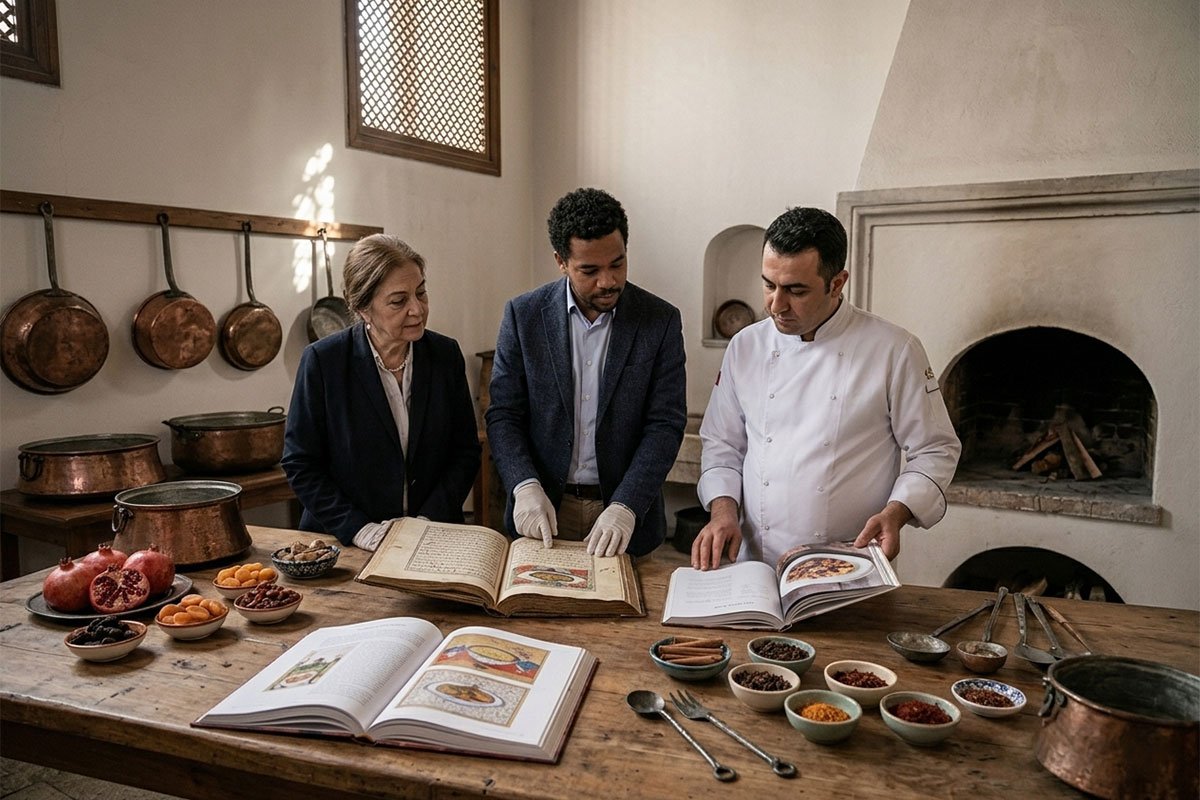
- Imperial Treasury: The Imperial Treasury housed a vast collection of jewels, precious artifacts, and state treasures, showcasing the wealth and power of the Ottoman Empire. Its contents grew over centuries, reflecting military victories and diplomatic gifts.
- Holy Relics Chamber: Containing important relics of the Prophet Muhammad, this chamber became a place of pilgrimage and respect, adding to the palace's religious significance.
- Council Chamber: The Divan, or Imperial Council, met here to discuss matters of state, making it a crucial center for political decision-making.
Life Within the Walls: The Ottoman Sultans' Residence
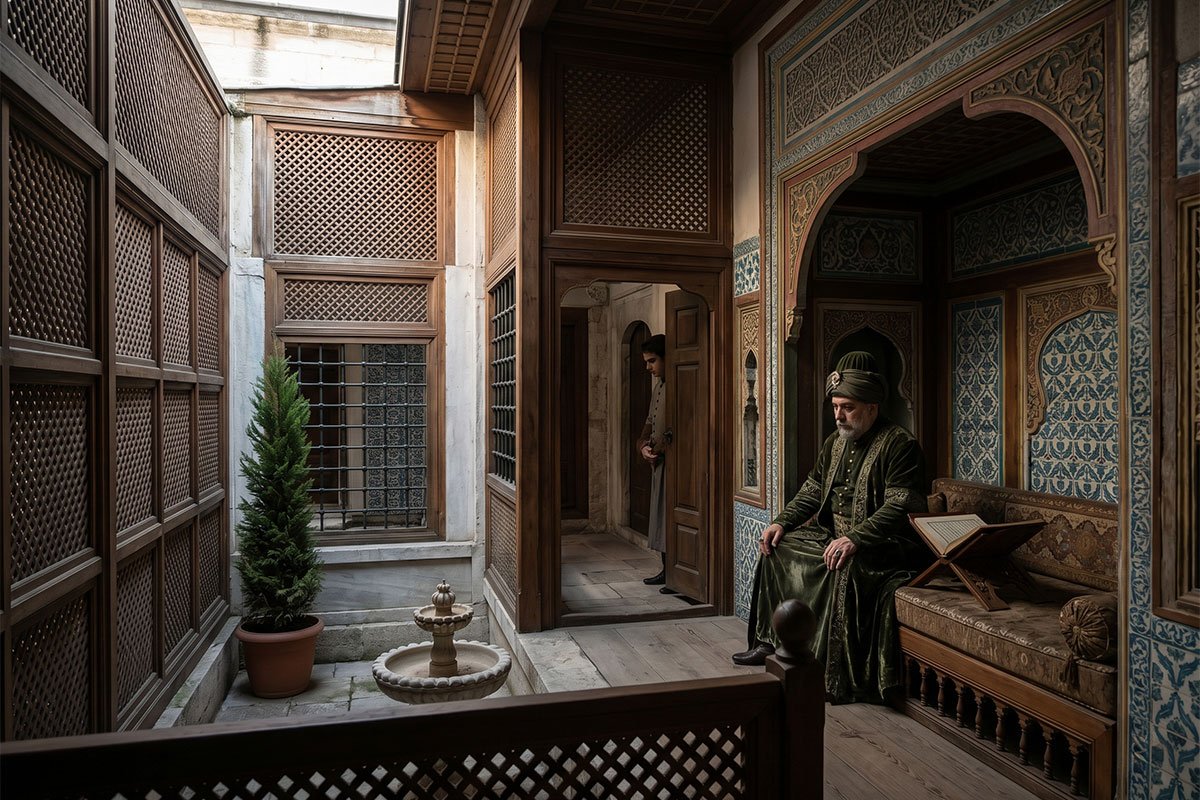
For centuries, Topkapi Palace was the center of Ottoman political and social life. The Ottoman sultans' residence served as a stage for elaborate ceremonies, diplomatic receptions, and important state functions. The daily life within the palace walls was governed by strict protocols and traditions, reflecting the hierarchical structure of the Ottoman court. From the grand processions to the intimate moments within the Harem, Topkapi Palace was a microcosm of the Ottoman world.
Key Aspects of Palace Life:
- Court Ceremonies: Important religious festivals, diplomatic visits, and enthronements were marked by elaborate ceremonies held within the palace courtyards.
- Daily Routine: The Sultan's day was meticulously planned, from morning prayers to audiences with officials and advisors.
- The Harem: This private space was governed by its own set of rules and hierarchies, with the Sultan's mother (Valide Sultan) holding significant influence.
Decline and Transformation: From Palace to Museum (19th-20th Centuries)
In the 19th century, as the Ottoman Empire faced internal and external challenges, the sultans gradually moved to more modern European-style palaces along the Bosphorus, such as Dolmabahçe Palace. Topkapi Palace slowly lost its prominence as the primary royal residence, but it remained a significant historical site. Following the collapse of the Ottoman Empire and the establishment of the Republic of Turkey, Topkapi Palace was officially transformed into a museum in 1924.
Topkapi Palace Today: A Window into the Ottoman Past
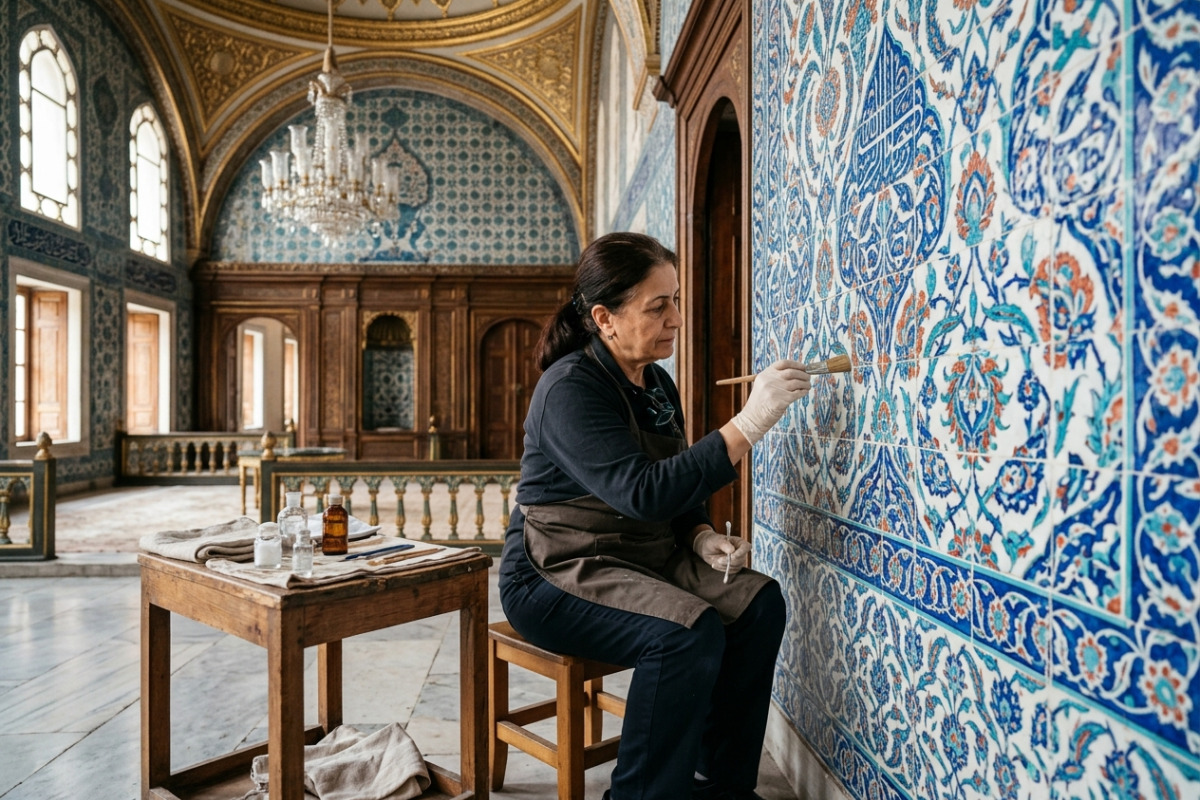
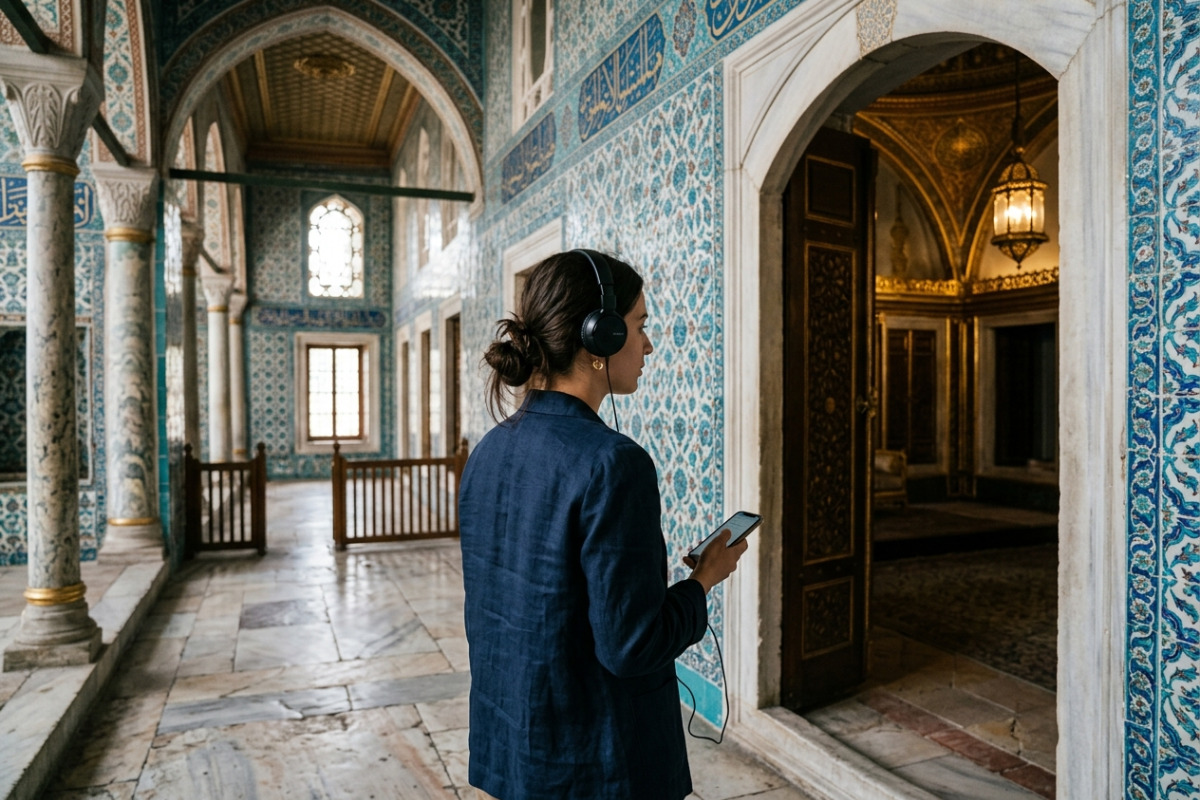
Today, Topkapi Palace stands as one of Istanbul's most popular tourist attractions. Visitors can explore the palace's courtyards, gardens, and museums, gaining insights into the lives of the Ottoman sultans and the rich history of the empire. The palace's extensive collections of artifacts, including jewels, weapons, and religious relics, offer a glimpse into the opulence and power of the Ottoman court. The palace serves as a powerful reminder of the Ottoman Empire's lasting legacy, attracting millions of visitors each year who seek to understand the Ottoman sultans residence history and its profound impact on world history.
Topkapi Palace History Timeline: A Summary
| Year | Event |
| 1459 | Construction of Topkapi Palace begins under Sultan Mehmed II. |
| 1465 | Initial construction is largely completed. |
| 16th Century | Significant expansion of the Harem under Sultan Suleiman the Magnificent. |
| 19th Century | Sultans begin to move to more modern palaces along the Bosphorus. |
| 1924 | Topkapi Palace officially becomes a museum. |