Strolling through the heart of Sultanahmet offers more than just a sightseeing opportunity; it is a unique chance to immerse yourself in the layers of history that define Istanbul. This walking route, stretching from the spiritual grandeur of the Hagia Sophia to the administrative opulence of Topkapi Palace via the serene Gulhane Park, is designed for those who want to experience the city at a slower, more meaningful pace. By following this path, you will avoid the frantic rush of tour groups and discover the subtle details that many visitors overlook.
Starting Point: The Eternal Hagia Sophia
Your journey begins at the Hagia Sophia (Ayasofya), a structure that has served as the spiritual epicenter for two of history’s greatest empires. Originally built as a Byzantine cathedral in 537 AD, its massive dome was once considered the largest enclosed space in the world. As you stand before its towering facade, listen to your audio guide's description of the transition from church to mosque, and now to its status as a functioning mosque once more.
Audio Tour Highlight: When inside, look for the 'Weeping Column' in the northwest aisle. Legend says that the column exudes water with healing powers. Another essential stop is the upper gallery (if accessible), where you can find 9th-century mosaics that survived the iconoclastic periods. Spend approximately 60 to 90 minutes here to truly absorb the atmosphere of the incense-scented halls and the light filtering through the 40 windows of the dome.
The Hidden Path: Soğukçeşme Sokağı
Instead of following the loud tram lines, take a slight detour behind the Hagia Sophia to Soğukçeşme Sokağı (Street of the Cold Fountain). This is a picturesque, car-free cobblestone street lined with beautifully restored Ottoman-style wooden houses. These houses are built against the outer walls of the Topkapi Palace. This path offers a quiet, shaded transition toward the park and provides a perfect backdrop for photography without the usual crowds.
The Green Sanctuary: Gulhane Park
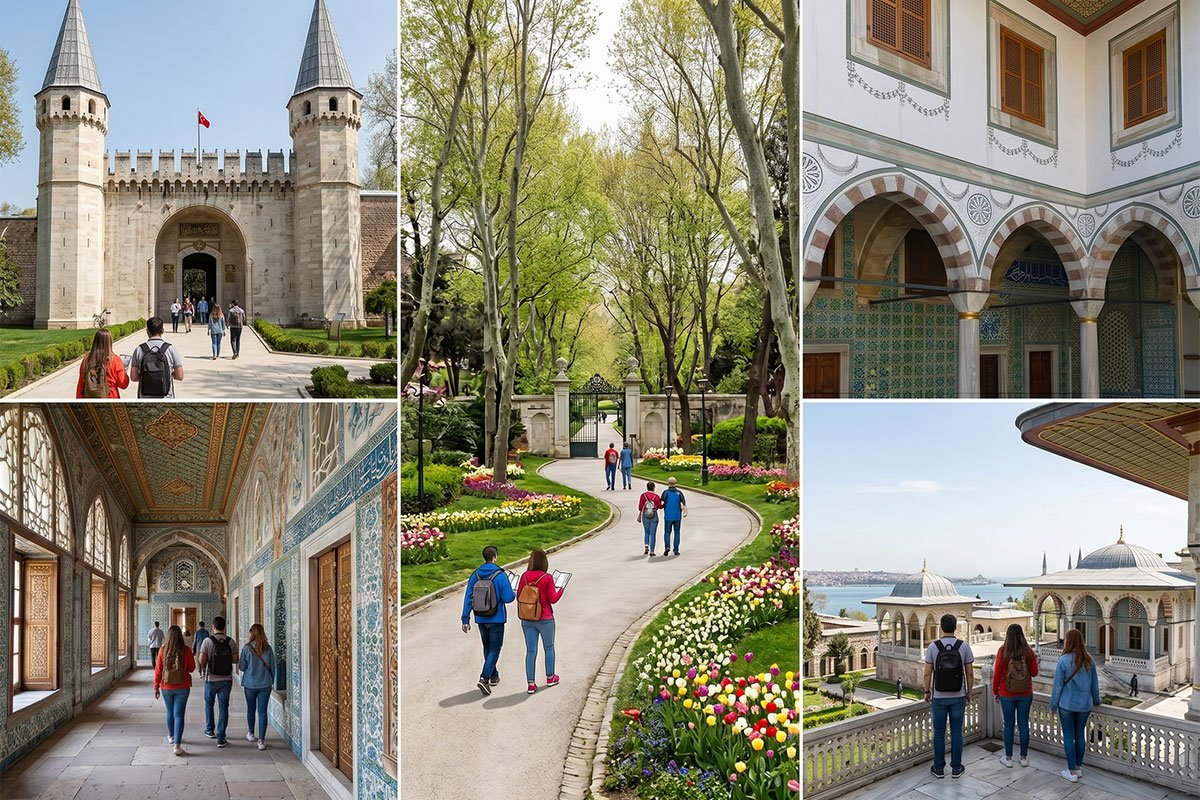
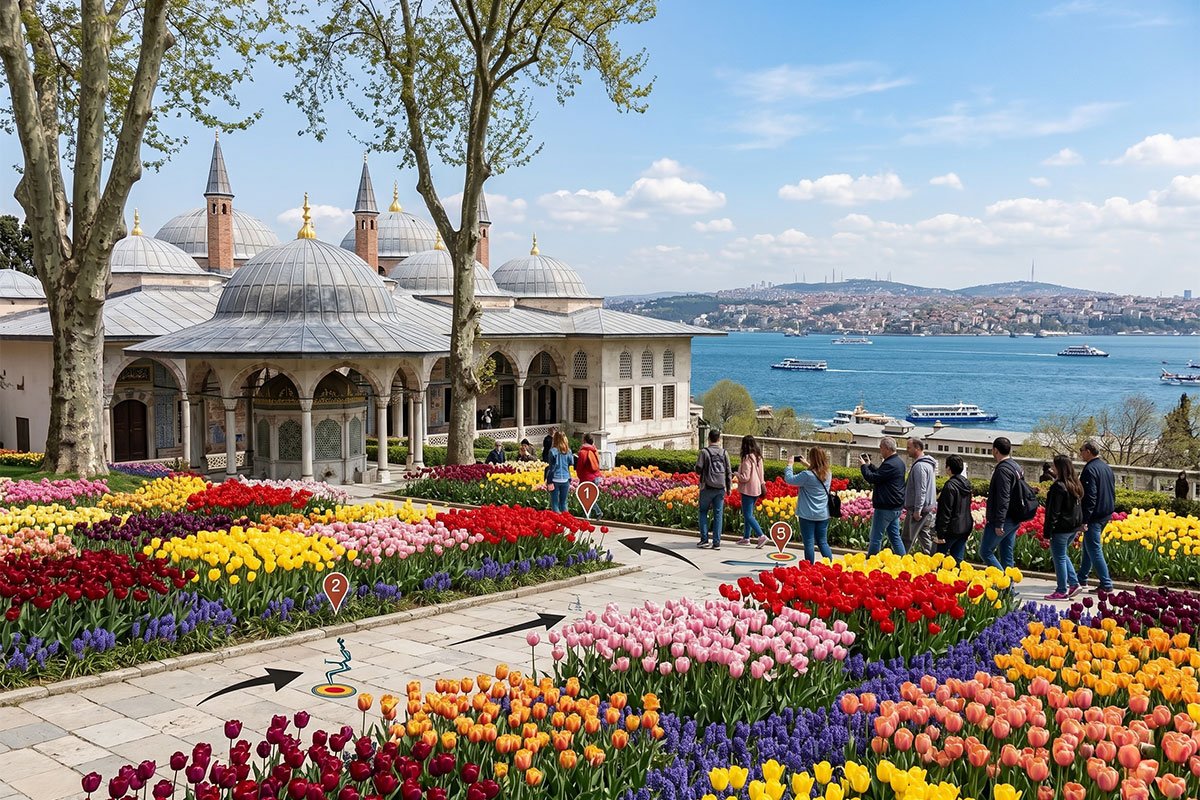
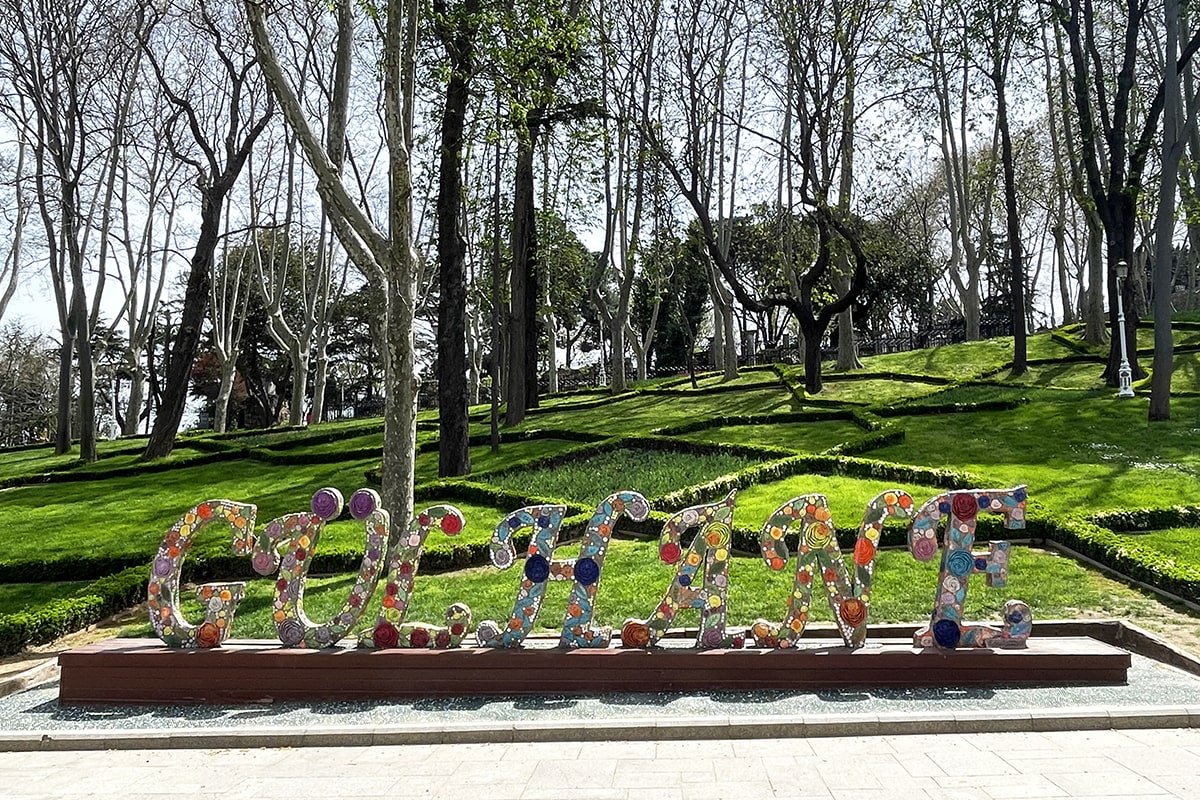
As you exit the historic street, you will find the entrance to Gulhane Park. Once the outer garden of the Topkapi Palace, this park was only accessible to the royal court for centuries. Today, it is a public sanctuary of ancient plane trees and vibrant flower beds.
Hidden Gem: The Column of the Goths
Most tourists walk straight through the park, but if you head toward the northeastern tip near the sea walls, you will find the Column of the Goths. Standing 18 meters tall, this is one of the oldest Roman monuments in Istanbul, commemorating a victory over the Goths. It remains largely ignored by the masses, offering a quiet spot for reflection with views of the Bosphorus.
Audio Tour Prompt: Pause your audio guide near the Museum of the History of Science and Technology in Islam, located within the park. This building was formerly the Imperial Stables. Even if you don't go inside, the architecture tells a story of the Ottoman's later obsession with modernization and scientific advancement.
- Spring Visit: If you are here in April, the park is the primary venue for the Istanbul Tulip Festival, showcasing millions of blooms.
- The Tea Gardens: At the far end of the park, there are small tea gardens (Setüstü Çay Bahçesi) that offer panoramic views of the Seraglio Point where the Golden Horn meets the Bosphorus.
Transitioning from Nature to Power
Leaving the tranquility of Gulhane Park, you will head toward the Bab-ı Hümayun (The Imperial Gate). This is the main entrance to the Topkapi Palace complex. Notice the intricate calligraphy above the gate, which marks the entrance to the Sultan's private domain. This 10-minute walk allows you to see the transition from the 'public' park to the 'private' imperial grounds.
Final Destination: Topkapi Palace
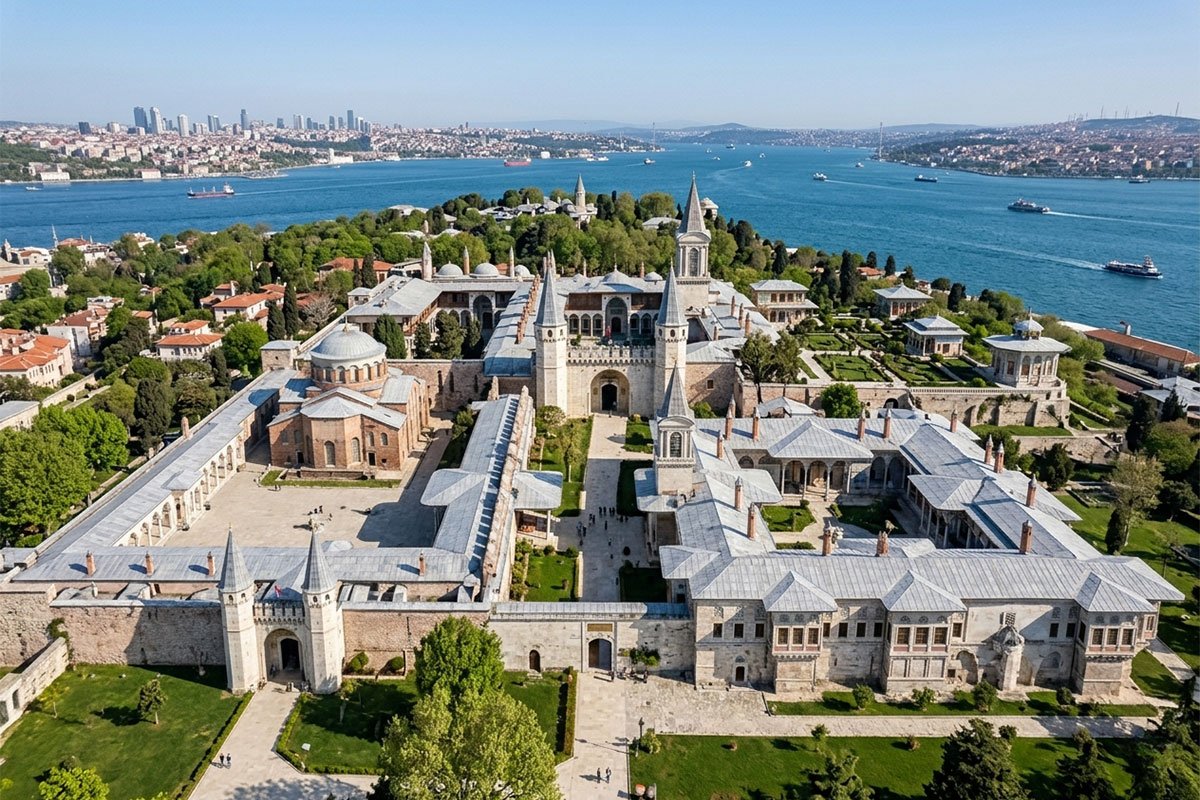
Arriving at Topkapi Palace, you are entering the residence of Ottoman Sultans for nearly 400 years. Unlike European palaces like Versailles, Topkapi is a series of pavilions and courtyards, reflecting the nomadic roots of the Ottoman dynasty. To make the most of your visit without feeling overwhelmed, focus on the architectural narrative of power and seclusion.
The First Courtyard (The Court of the Janissaries)
Before you even buy your ticket for the inner sections, you are in the First Courtyard. This was the only part of the palace open to the public during the Ottoman era. Look for the Hagia Irene, a Byzantine church that was never converted into a mosque but was instead used as an armory. It is a rare example of original Byzantine architecture without later Islamic additions.
Key Sections to Explore
| Section | Why It’s Unique | Estimated Time |
| The Harem | A labyrinth of over 400 rooms where the Sultan’s private life unfolded. Look for the 'Fruit Room' with its painted walls. | 45 Minutes |
| The Treasury | Home to the Spoonmaker’s Diamond and the Topkapi Dagger. This section highlights the immense wealth of the Empire. | 30 Minutes |
| The Terrace Mosque | A small, elegant mosque on the outer edge offering the best views of the Galata Tower and the Bosphorus. | 15 Minutes |
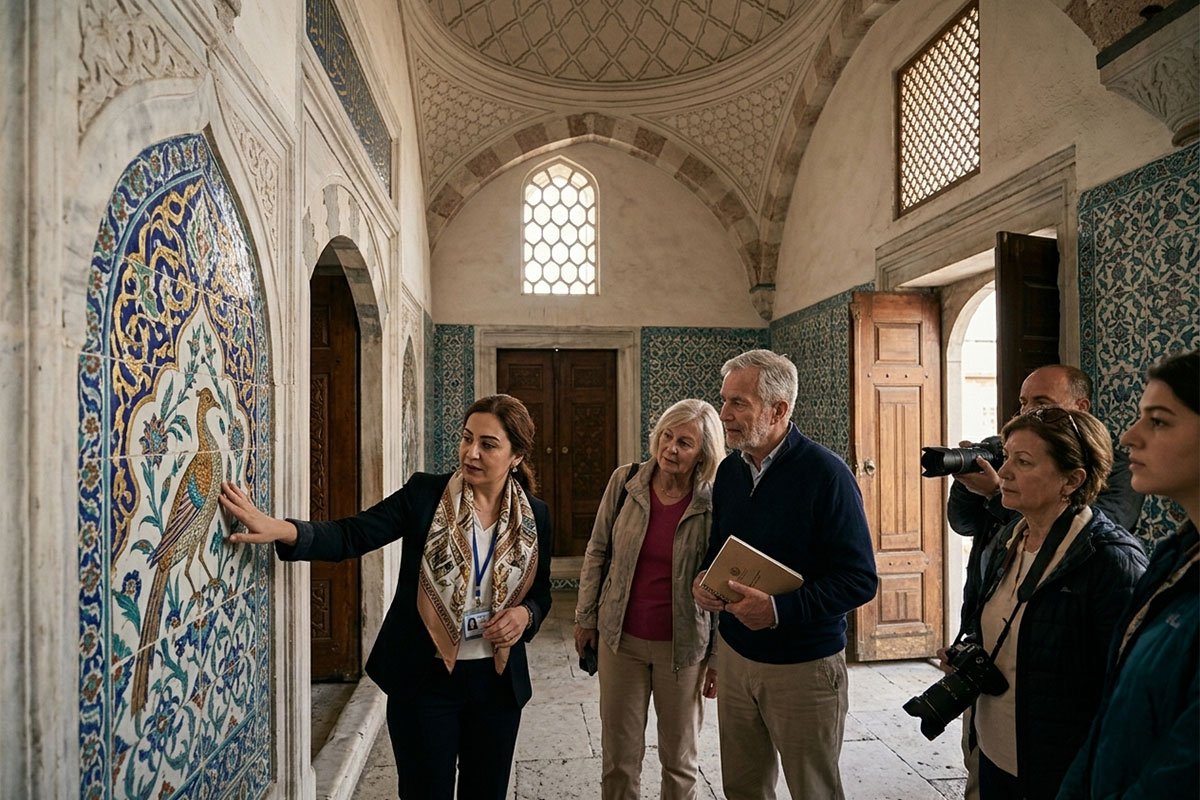
Expert Tip: To avoid the 'museum fatigue' often mentioned in the *Ultimate Self-Guided Tour*, focus your energy on the Fourth Courtyard. This area contains the most beautiful 'kiosks' (pavilions), such as the Baghdad Kiosk, decorated with exquisite blue and white Iznik tiles. It is much quieter than the Treasury and offers a serene conclusion to your walking tour.
Practical Tips for the Route
To ensure a seamless experience, keep the following in mind:
- Footwear: The route involves cobblestones and slight inclines. Wear comfortable walking shoes.
- Timing: Start your walk at 09:00 AM. This allows you to finish Hagia Sophia before the midday prayers and reach Topkapi Palace before the afternoon heat and peak crowds.
- Refreshments: Avoid the overpriced cafes immediately outside the palace gates. Instead, grab a simit (Turkish bagel) from the red carts near Gulhane Park for an authentic local snack.
Following this walking route from Hagia Sophia to Topkapi Palace via Gulhane Park ensures you don't just 'see' the sights, but you understand the spatial and historical connection between them. From the echoing domes of Byzantine spirituality to the shaded groves of the Sultan’s gardens, this path is the definitive way to experience the heart of Istanbul.