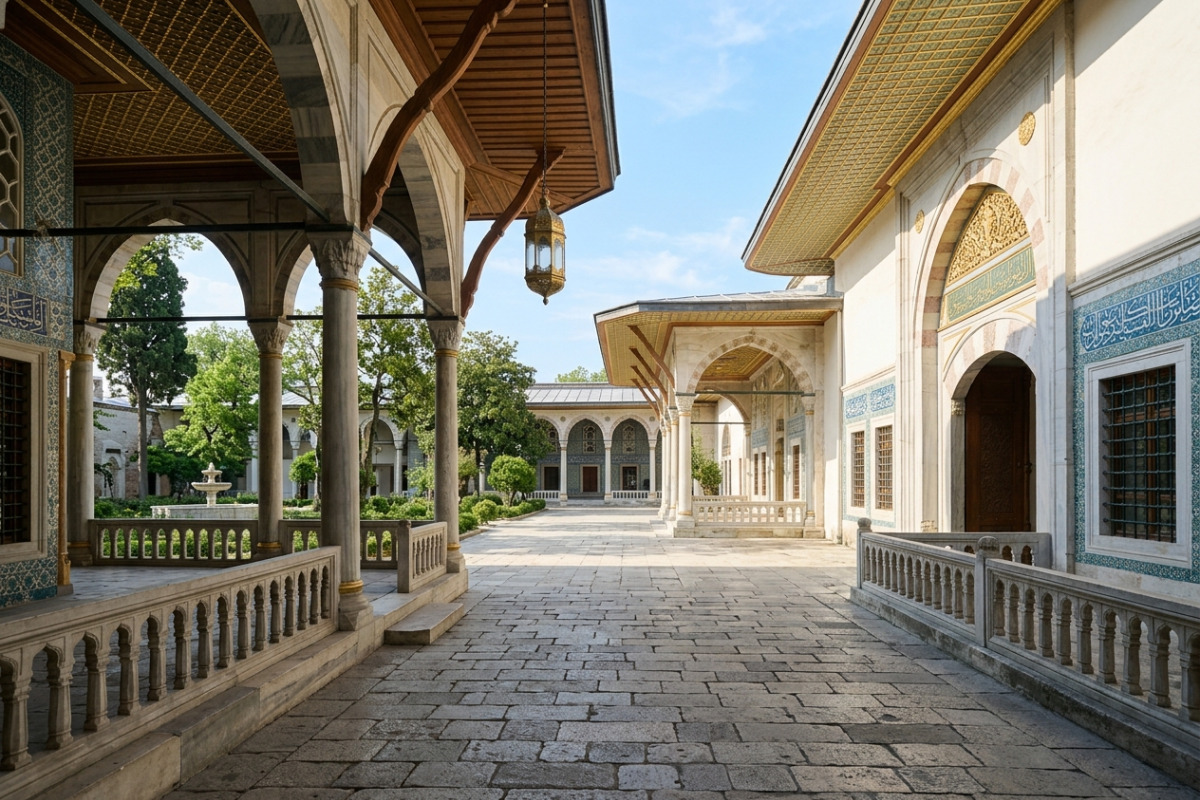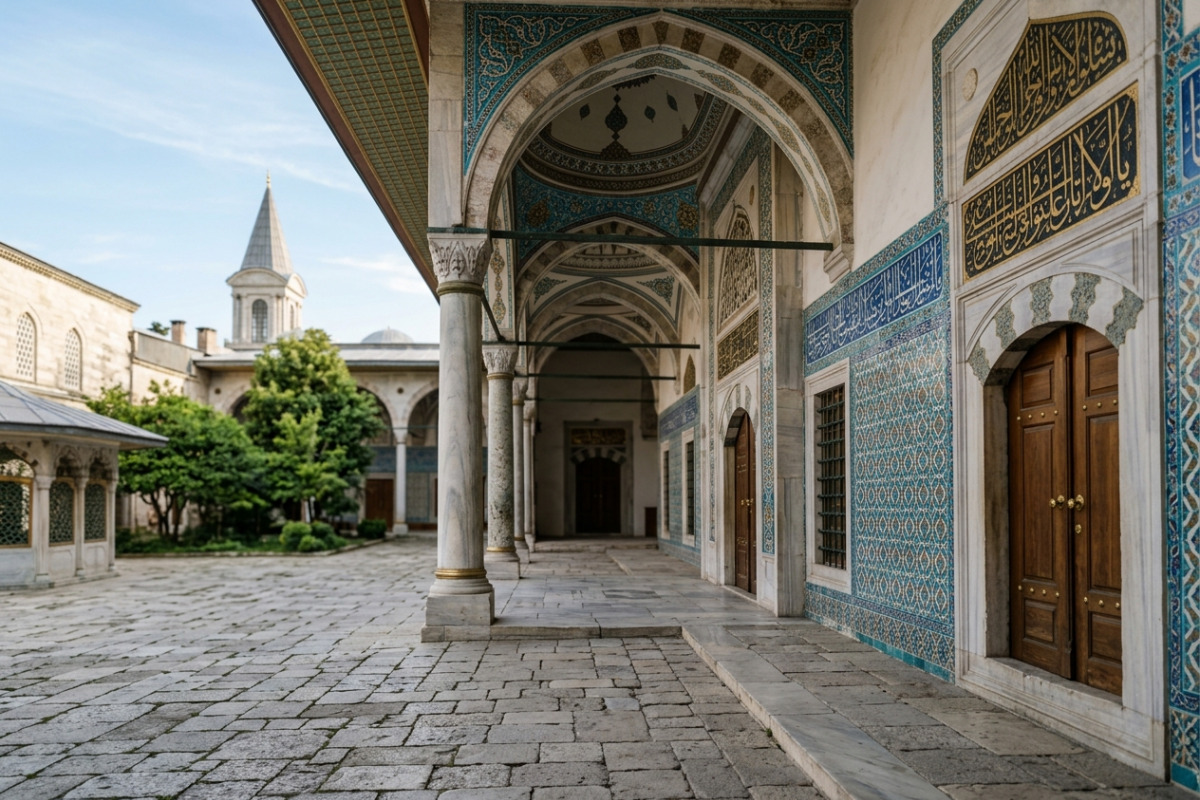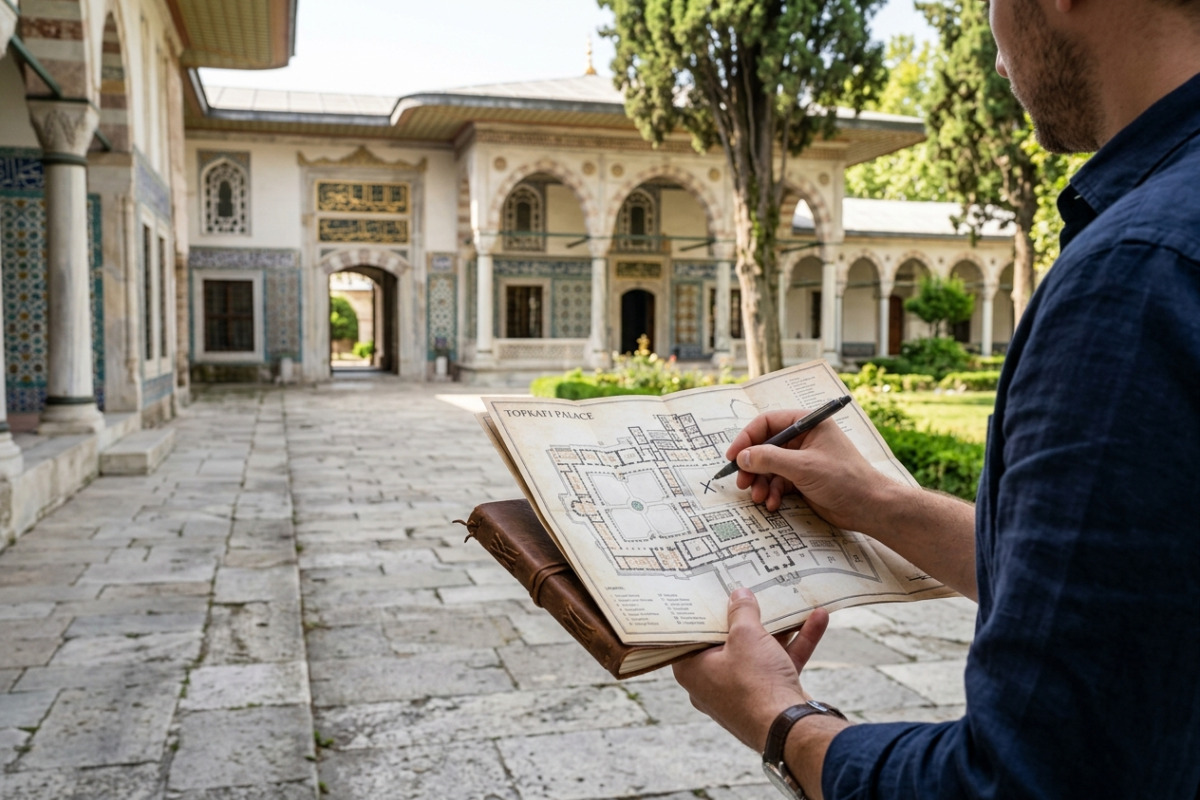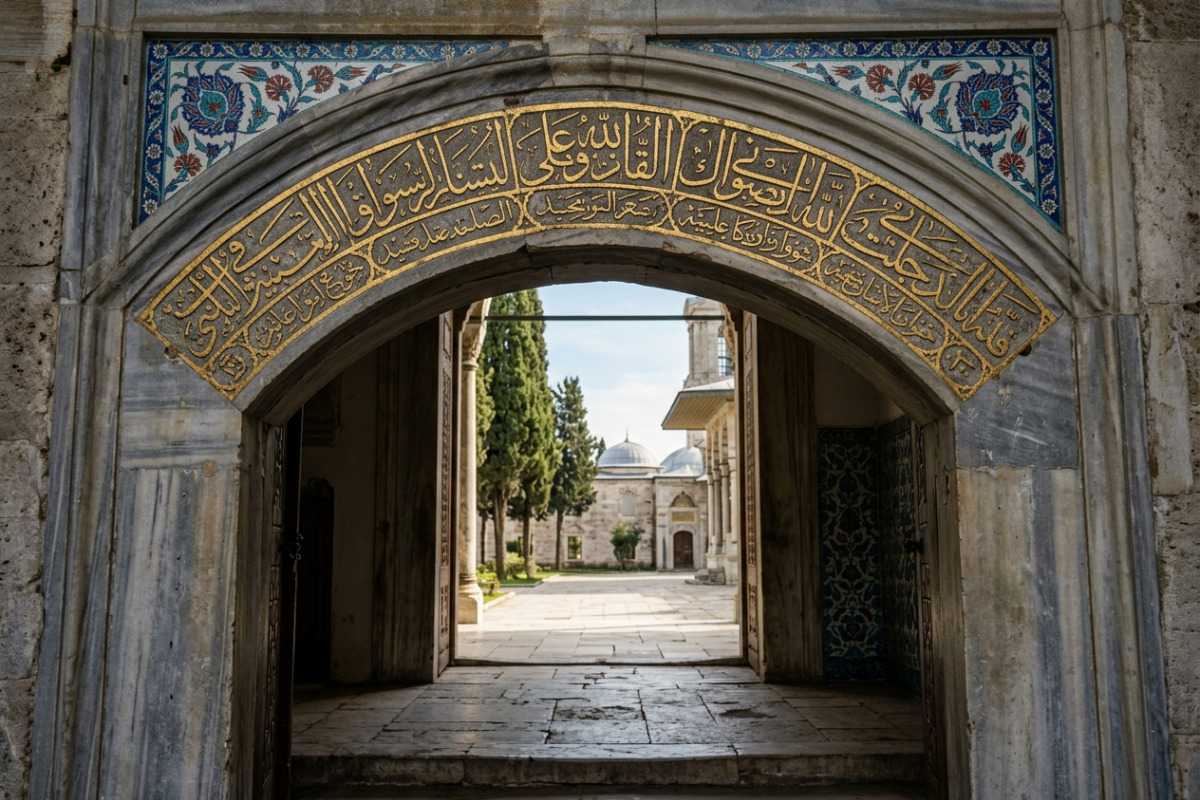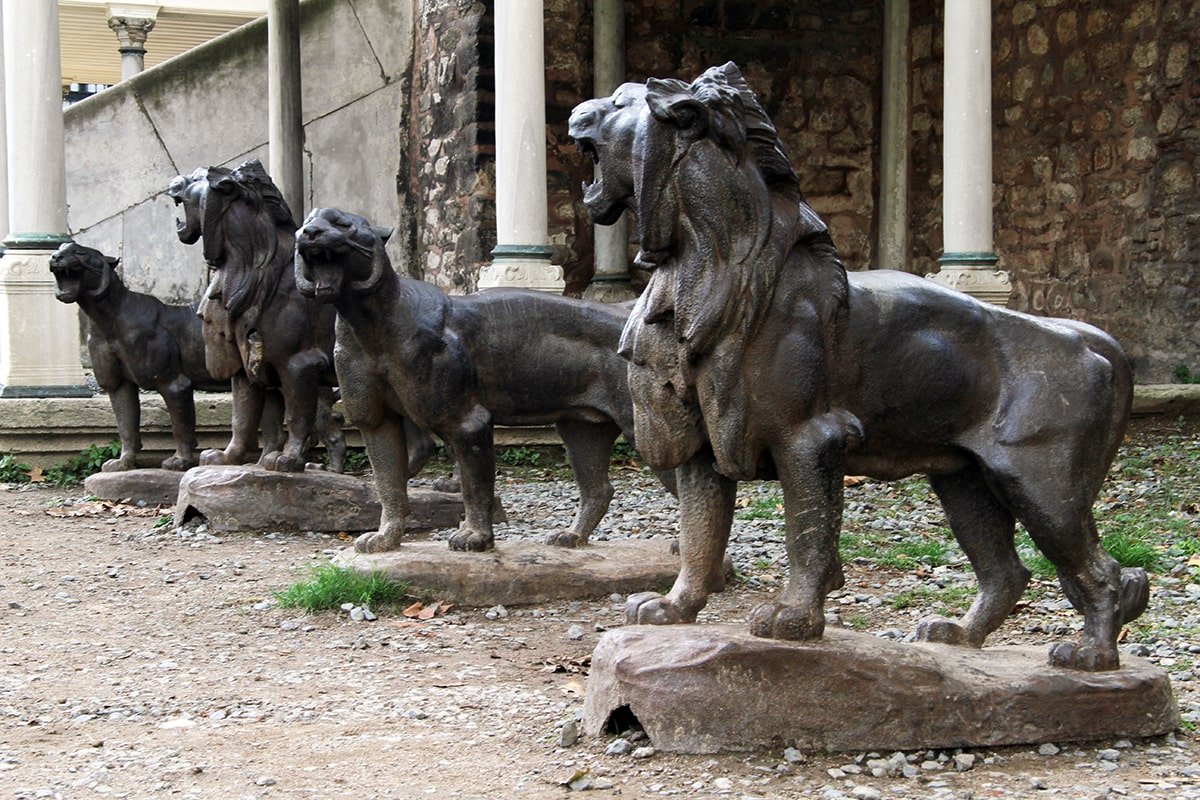
Topkapi Palace, the opulent residence of Ottoman Sultans for nearly four centuries, stands as a magnificent testament to a bygone era. Its walls whisper tales of power, intrigue, and romance. But within these grand halls, fact and fiction often intertwine, creating a tapestry of captivating myths and legends. Let's delve into the most enduring Topkapi Palace myths and legends, separating historical truth from enchanting folklore.
Unveiling the Truth Behind Topkapi Palace Myths
Many stories circulate about secret passages, hidden treasures, and ghostly apparitions within the palace walls. While the palace is undoubtedly steeped in history and secrets, it's important to distinguish between documented events and embellished tales passed down through generations. Our exploration will focus on debunking some of the most popular narratives while acknowledging the real historical context that may have inspired them. We'll examine the origins of these stories and explore their cultural significance, shedding light on how these narratives have shaped our understanding of the Ottoman Empire.
The Harem: More Than Just a Place of Intrigue
Perhaps the most sensationalized aspect of Topkapi Palace is the Harem. Often portrayed as a den of scandalous affairs and power struggles, the Harem was, in reality, a complex institution. It was the private living quarters of the Sultan's mother, consorts, concubines, and children. While intrigue and competition certainly existed, the Harem also served as a center for education, culture, and artistic expression. Women in the Harem were often highly educated and skilled in various arts and crafts. The idea that the Harem was solely dedicated to the Sultan's pleasure is a gross simplification. Many women held positions of significant influence and power within the palace.
Common misconceptions about the Harem include:
- It was solely populated by beautiful concubines.
- Life in the Harem was entirely about seduction and competition.
- Eunuchs were always cruel and power-hungry.
In reality, the Harem was a multifaceted world with its own complex social hierarchy and rules. The Valide Sultan, the Sultan's mother, held the highest position of authority and wielded considerable influence over palace affairs and even state matters.
Ottoman Legends: The Ghost Stories of Topkapi
Like any ancient building with a rich and sometimes turbulent history, Topkapi Palace is no stranger to ghost stories. Tales of spectral figures wandering the halls, disembodied voices echoing in the night, and unexplained phenomena abound. These palace ghost stories often revolve around figures who met tragic ends within the palace walls, such as murdered princes or disgraced concubines. While there is no scientific evidence to support these claims, they contribute to the palace's mystique and allure.
Some popular Ottoman legends include:
- The ghost of a young prince murdered in the Cage (a secluded area where potential heirs were kept under house arrest).
- The weeping spirit of a concubine unjustly accused of treason.
- The phantom footsteps of Sultan Osman II, who was overthrown and killed by the Janissaries.
The Secret Passages: Reality vs. Imagination
The idea of secret passages within Topkapi Palace is a recurring theme in many fictional accounts. While the palace does contain hidden rooms and concealed doorways, the notion of an extensive network of secret tunnels is largely exaggerated. These hidden spaces likely served practical purposes, such as allowing servants to move discreetly throughout the palace or providing secure storage for valuables. They were not necessarily designed for elaborate conspiracies or clandestine escapes, as often depicted in popular culture. Detailed architectural plans and historical records provide a more accurate picture of the palace's layout, revealing the true extent of these hidden features.
Comparing Fact and Fiction: A Summary
| Myth/Legend | Possible Historical Basis | Reality |
| The Harem was solely a place of sexual indulgence. | The Sultan had numerous concubines. | The Harem was a complex social institution with education and cultural activities. |
| Topkapi Palace is haunted by ghosts. | Tragic events occurred within the palace walls. | No scientific evidence exists, but stories add to the palace's mystique. |
| The palace contains an elaborate network of secret passages. | Hidden rooms and concealed doorways exist. | Secret passages were likely used for practical purposes, not elaborate conspiracies. |
Delving Deeper into Ottoman Mysteries
While separating fact from fiction is crucial, it's also important to acknowledge the inherent mysteries that still surround Topkapi Palace. Many aspects of Ottoman court life remain shrouded in secrecy, and some historical records are incomplete or ambiguous. This ambiguity allows for continued speculation and interpretation, fueling the enduring fascination with the palace. Exploring these Ottoman mysteries allows us to appreciate the complexity and richness of Ottoman history, even when definitive answers remain elusive.
Ultimately, Topkapi Palace stands as a powerful symbol of Ottoman power and grandeur. By understanding the historical context and critically examining the myths and legends that surround it, we can gain a deeper appreciation for this remarkable landmark and the fascinating stories it holds. The allure of the palace lies not only in its architectural splendor but also in the captivating blend of fact and fiction that continues to inspire awe and wonder.