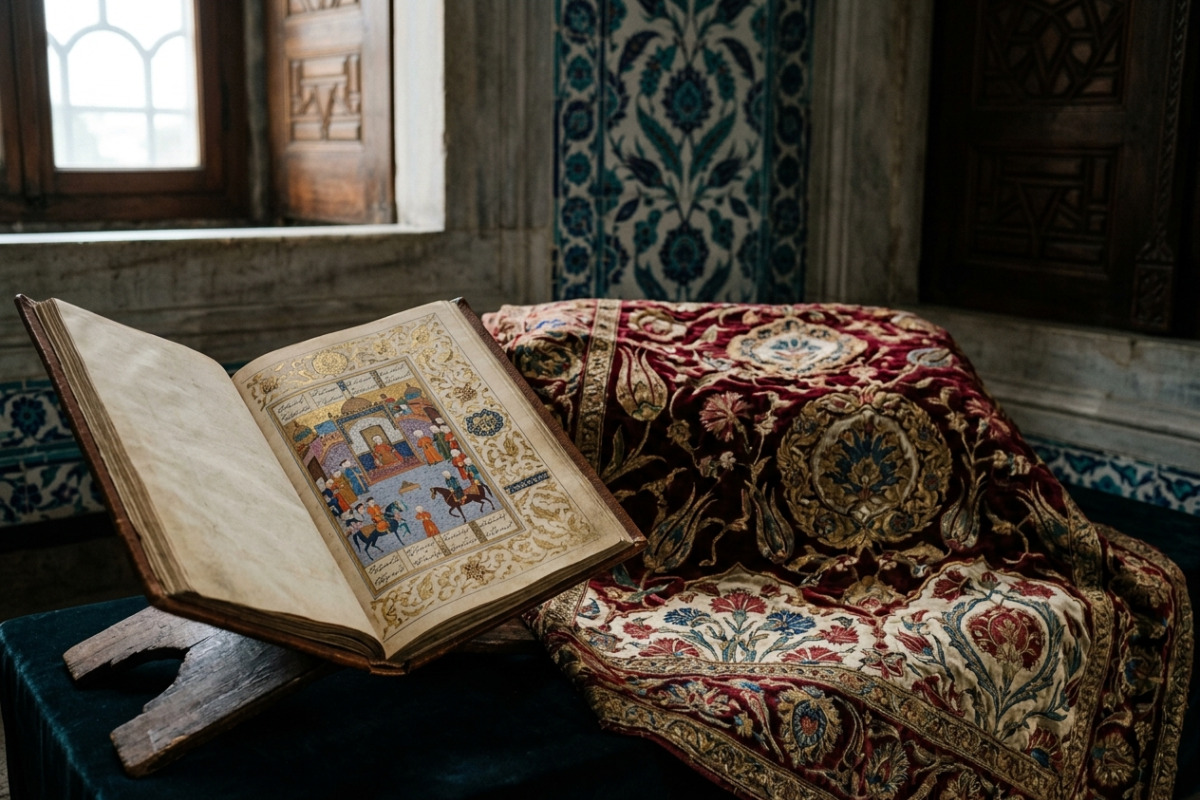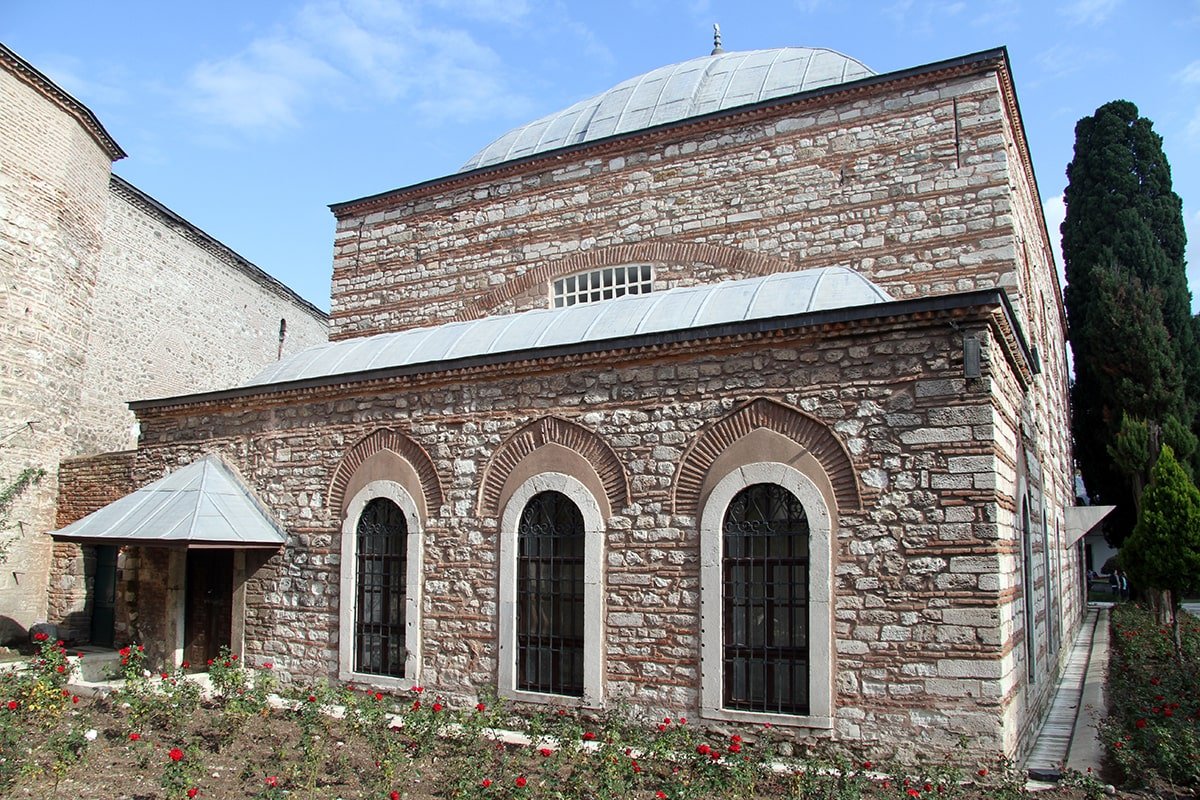
Topkapi Palace, more than just a residence for Ottoman Sultans, served as the epicenter of imperial power and a unique educational institution. Within its walls, the Enderun School, also known as the Imperial School, played a pivotal role in shaping the Ottoman Empire’s future. This school, situated primarily within the Third Courtyard, was not merely a place of learning; it was a state-run academy designed to cultivate the empire's elite. The Enderun School produced not only skilled administrators and military leaders but also individuals deeply versed in the arts, sciences, and Islamic theology.
The Heart of the Enderun: The Third Courtyard
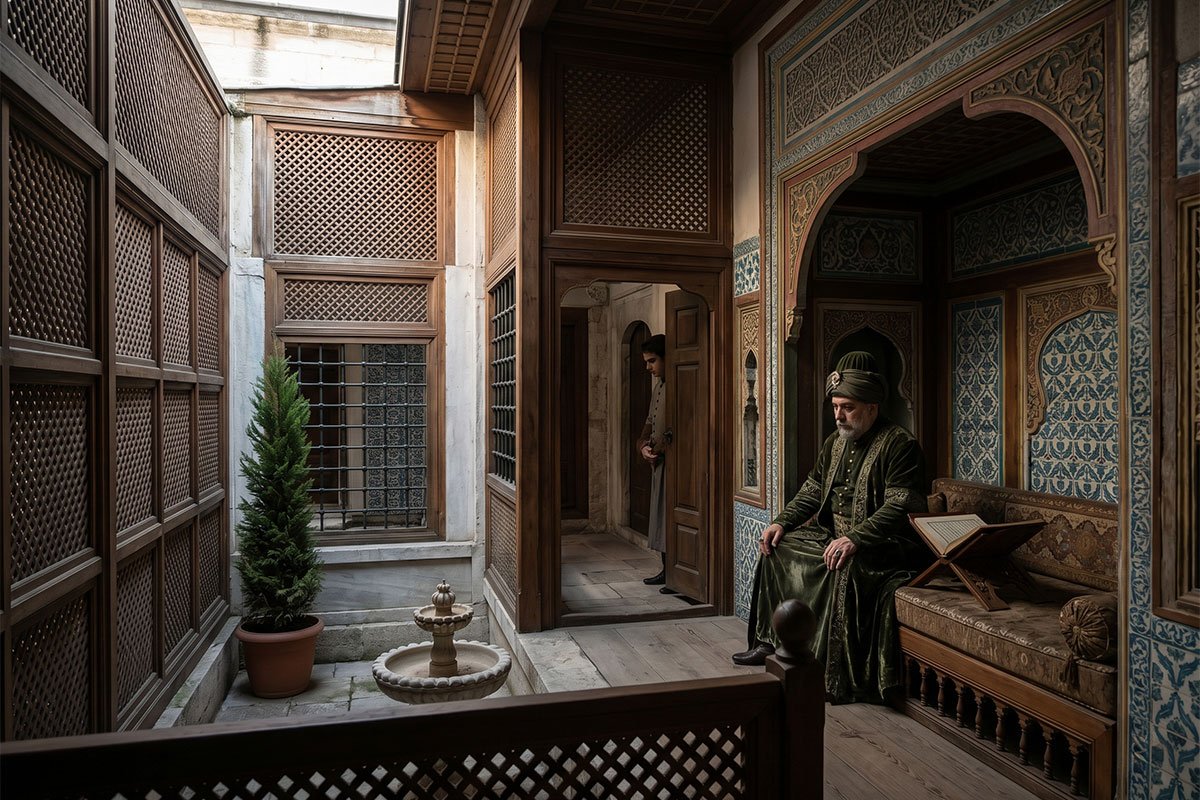
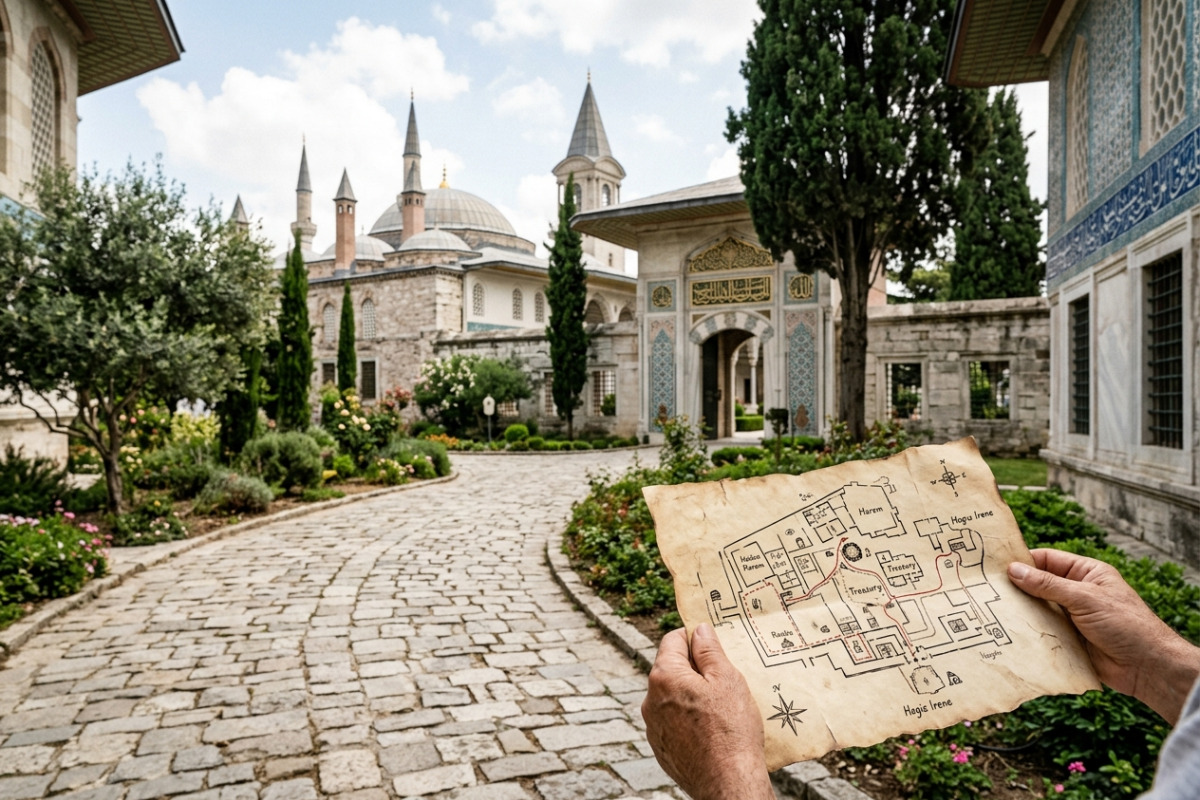
The Third Courtyard, also known as the Inner Palace, was the heart of the Enderun School. This area, strictly controlled and heavily guarded, housed the Sultan's private chambers, the Hall of Petitions, and most importantly, the dormitories and classrooms of the Enderun students. Access to this courtyard was highly restricted, reflecting the exclusivity and importance of the education provided within. It was in this secluded environment that the future leaders of the Ottoman Empire were molded.
Admission and Selection: The Cream of the Crop
The selection process for the Enderun School was rigorous and unique. Unlike traditional schools that admitted students based on social status or wealth, the Enderun School primarily recruited through the devşirme system. This system involved selecting promising Christian youths from conquered territories, primarily in the Balkans. These boys, often between the ages of 8 and 18, were brought to Istanbul, converted to Islam, and then assessed for their potential.
Those deemed to possess exceptional intelligence, physical prowess, and leadership qualities were chosen for the Enderun School. This meritocratic system, although controversial in its origins, ensured that the most capable individuals, regardless of their background, had the opportunity to rise through the ranks of the Ottoman Empire. The selection process was designed to identify and nurture talent, ensuring a constant supply of capable individuals to serve the Sultan and the state.
A Curriculum Tailored for Leadership
The curriculum at the Enderun School was comprehensive and demanding, designed to produce well-rounded individuals capable of handling the complex challenges of governance and warfare. Students underwent intensive training in a variety of subjects, including:
- Islamic Theology and Law: Essential for understanding the foundations of Ottoman society and governance.
- Arabic and Persian Languages: Required for accessing important texts and communicating with other Islamic scholars and officials.
- Mathematics and Science: Providing a foundation for understanding engineering, astronomy, and other practical disciplines.
- History and Diplomacy: Equipping students with knowledge of past events and the skills necessary for negotiating with foreign powers.
- Military Training: Including horsemanship, swordsmanship, and archery, preparing students for potential military leadership roles.
- Arts and Music: Cultivating refined tastes and promoting cultural appreciation.
The curriculum was structured in stages, with students progressing through different levels based on their performance and aptitude. The most promising students were eventually assigned to positions within the palace administration, serving as pages, scribes, and eventually, high-ranking officials. The Enderun School aimed to create a loyal and efficient bureaucracy, staffed by individuals who were deeply committed to the Sultan and the Ottoman state.
The Enderun School vs. Traditional Ottoman Education
The Enderun School differed significantly from traditional Ottoman education, which primarily focused on religious scholarship and was often centered around mosques and medreses (religious schools). While these institutions produced theologians and legal scholars, the Enderun School focused on training individuals for practical roles in government and the military. This distinction highlights the Ottoman Empire's commitment to both religious orthodoxy and pragmatic statecraft.
| Feature | Enderun School | Traditional Ottoman Education |
| Focus | Training for government and military service | Religious scholarship and legal studies |
| Admission | Primarily through the devşirme system | Based on social status and religious affiliation |
| Curriculum | Comprehensive, including theology, languages, sciences, arts, and military training | Primarily focused on Islamic theology, law, and Arabic language |
| Location | Within Topkapi Palace, under direct imperial control | Mosques and medreses throughout the empire |
Graduates of Distinction: Shaping Ottoman History
The Enderun School produced a remarkable number of influential figures who played key roles in Ottoman history. Many Grand Viziers, the Sultan's chief ministers, were graduates of the Enderun School. These individuals were responsible for managing the day-to-day affairs of the empire, implementing policies, and leading the Ottoman armies. Furthermore, numerous Ottoman generals and admirals received their training at the Enderun School, contributing to the empire's military successes.
Beyond political and military leaders, the Enderun School also produced renowned artists, calligraphers, and scholars who enriched Ottoman culture and intellectual life. The school fostered a culture of excellence and innovation, contributing to the empire's golden age. The impact of the Enderun School on Ottoman society cannot be overstated. It was a crucial institution that helped to maintain the empire's power and stability for centuries.
The Legacy of the Enderun School
The Enderun School, with its unique approach to education and its central location within Topkapi Palace, represents a fascinating aspect of Ottoman history. It demonstrates the empire's commitment to meritocracy, its sophisticated approach to governance, and its dedication to cultivating a highly skilled elite. The school's legacy continues to resonate today, offering valuable insights into the dynamics of power, education, and cultural development in a historical context. Exploring the history of the Enderun School provides a deeper understanding of the Ottoman Empire's rise to prominence and its enduring influence on the world.
Visiting the Third Courtyard of Topkapi Palace allows visitors to step back in time and imagine the lives of the students who once walked its halls. The Enderun School stands as a testament to the Ottoman Empire's ambition and its innovative approach to leadership development, showcasing how Topkapi Palace was not just a royal residence, but a state-run academy that trained an empire's elite.