When winter arrives in Istanbul and the biting winds sweep across the Bosphorus, the city’s vast outdoor monuments can feel a bit daunting. However, the Topkapi Palace—the primary residence of Ottoman Sultans for nearly four centuries—holds a secret that is best revealed during the colder months. One of the most enchanting ways to experience this UNESCO World Heritage site is by retreating into its most private and sheltered section: the Harem. Warm, richly decorated, and steeped in centuries of intrigue, the Harem offers a peaceful, atmospheric, and thermally comfortable escape from the winter chill.
A Warm Refuge: How the Ottomans Braved the Winter
The Harem is a massive complex of over 300 rooms, and unlike the sprawling courtyards of the palace, it is fully enclosed. In the days of the Empire, the thick stone walls and heavy drapes were designed to keep the warmth in. While today’s visitors benefit from modern climate considerations, the very architecture of the Harem—with its narrow corridors and interconnected chambers—creates a naturally cozy environment. Historically, the rooms were heated using elaborate brass braziers (known as mangal) and sophisticated floor heating systems in certain areas, ensuring that the Sultan and his family remained comfortable while the gardens outside were covered in snow.
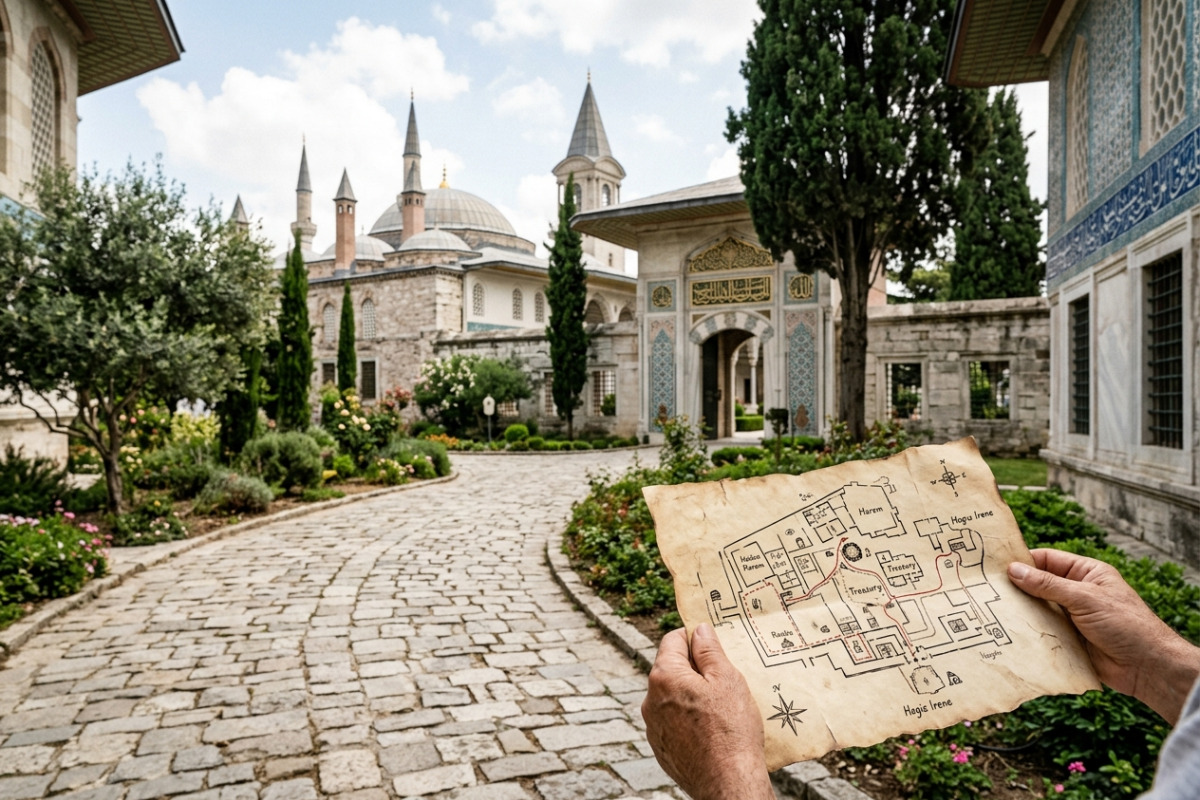
Walking through these halls today, you can almost feel that historical warmth. The transition from the windy Second Courtyard into the sheltered entrance of the Harem is an immediate relief, making it the logical centerpiece for any winter itinerary in Istanbul.
The Imperial Hall: Grandeur Without the Heat
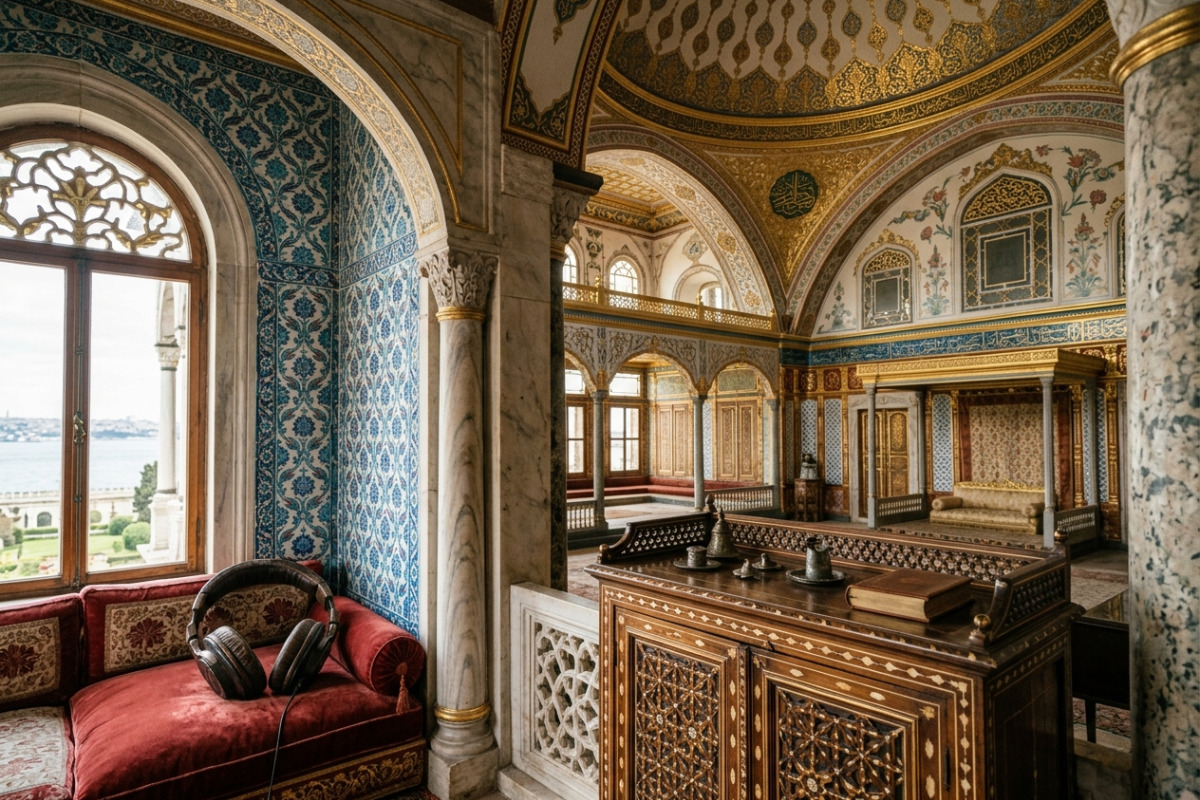
The Imperial Hall (Hünkar Sofrası) is perhaps the most magnificent room in the Harem, and in winter, it takes on a different character. This was the hall where the Sultan entertained his family and hosted festivities. The massive dome, intricate blue-and-white Iznik tiles, and the grand throne are breathtaking. During the summer, the crowds can make this room feel humid and loud; however, in the winter, the acoustics change. The sound of your own footsteps on the marble floor echoes softly, allowing you to appreciate the sheer scale of Ottoman craftsmanship in a meditative silence.
Notice the fireplace (ocak) with its tall, bronze hood. These fireplaces were not just functional but were masterpieces of art. In the winter light, the metallic surfaces of these hearths glow with a soft, warm hue that is often lost under the harsh summer sun.
The Queen Mother’s Apartments: The Heart of the Harem
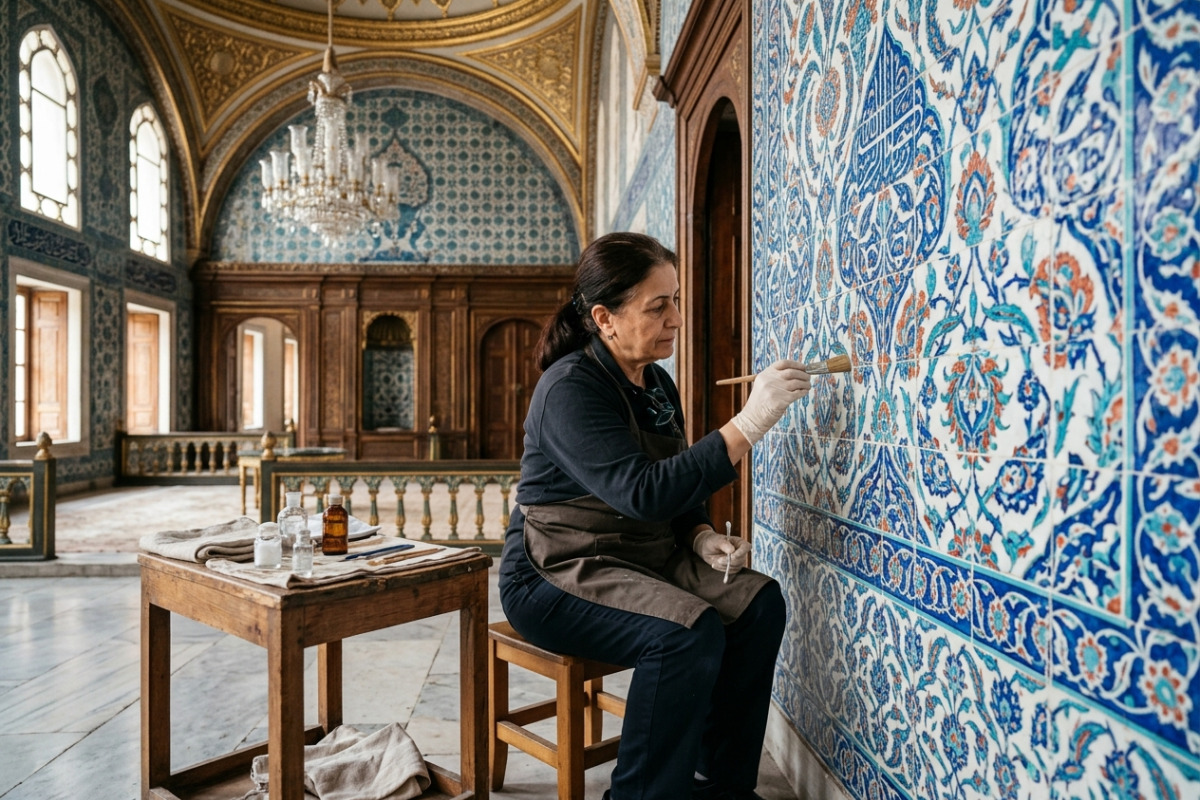
As you move deeper into the Apartments of the Valide Sultan (Queen Mother), the intimacy of the space becomes apparent. This was the center of power within the Harem. The rooms are adorned with 17th-century tiles featuring floral motifs and landscapes. In winter, the lack of intense outdoor glare allows the deep blues and turquoise of the Iznik tiles to pop with more saturation. The Queen Mother’s quarters feel like a sanctuary within a sanctuary, offering a glimpse into the daily life of the most powerful woman in the Empire, who would have spent her winter days overseeing the palace’s internal affairs from these very rooms.
Fewer Crowds, More Mystery
One of the primary complaints about the Harem during peak tourist season is the congestion in the narrow passageways. The Harem was designed for privacy, not for thousands of daily visitors. In winter, the visitor numbers drop significantly. This slower pace is transformative. You can stand in the Courtyard of the Eunuchs or walk down the Golden Road—the passage used by the Sultan to reach the Harem—without having to navigate through tour groups.
This solitude allows for a deeper connection with the history of the space. You can take the time to read the delicate calligraphy above the doorways or inspect the intricate woodwork of the wardrobes without feeling rushed. The Golden Road, in particular, feels like a path of quiet reflection when the bustle of the city outside is muffled by the winter air.
The Twin Kiosks and the Art of Winter Light
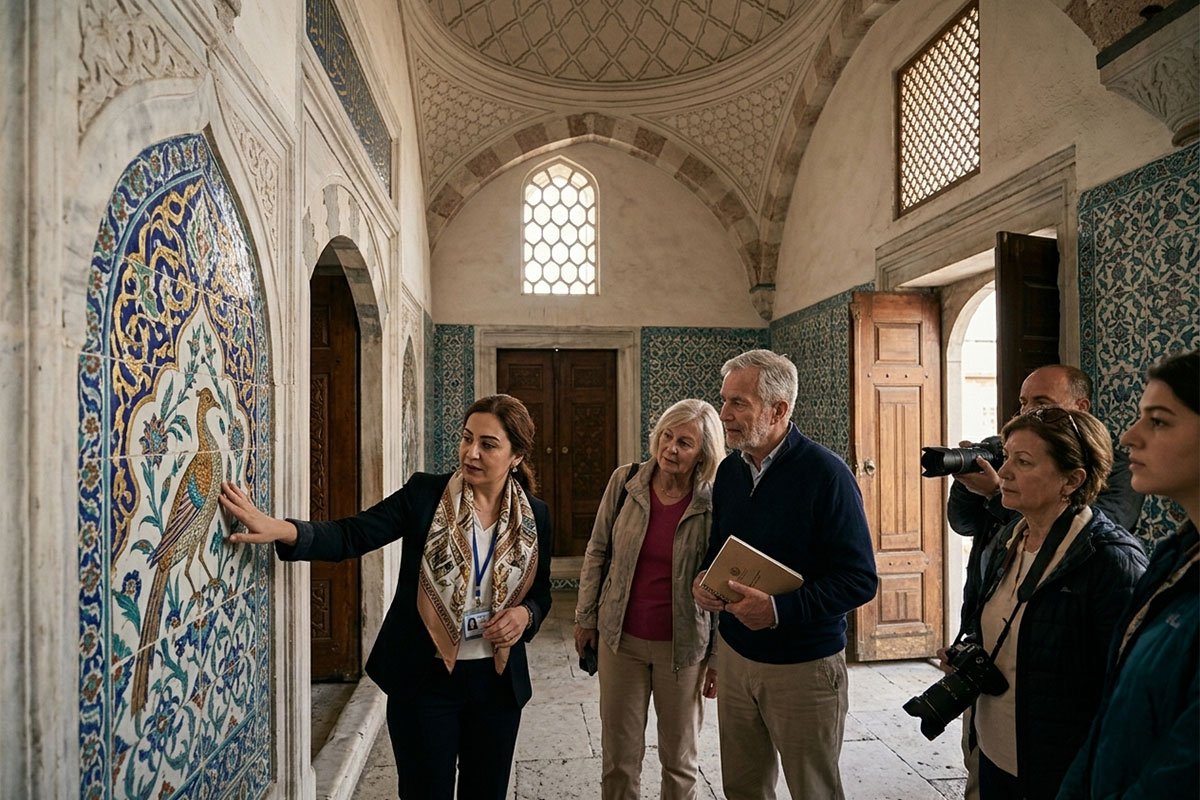
The Twin Kiosks (Chamber of Murad III) are renowned for their incredible tile work and the marble fountain built into the wall. The sound of running water was used both for ambiance and to prevent eavesdropping on the Sultan’s private conversations. In winter, the light enters these rooms at a lower angle, filtering through the stained-glass windows (şerbetlik). This creates a cinematic, kaleidoscope effect on the floor and walls, casting vibrant colors across the historic tiles. For photography enthusiasts, this "soft light" season is the only time to capture the Harem’s textures without the distracting shadows of high-noon summer sun.
Practical Tips for a Winter Harem Tour
To make the most of your winter visit, keep these practical tips in mind:
- Layer Your Clothing: While the Harem is enclosed, the walk from the palace gates through the first and second courtyards is entirely outdoors. Wear a windproof coat for the transition, but be prepared to unbutton or shed a layer once you are inside the Harem’s sheltered corridors.
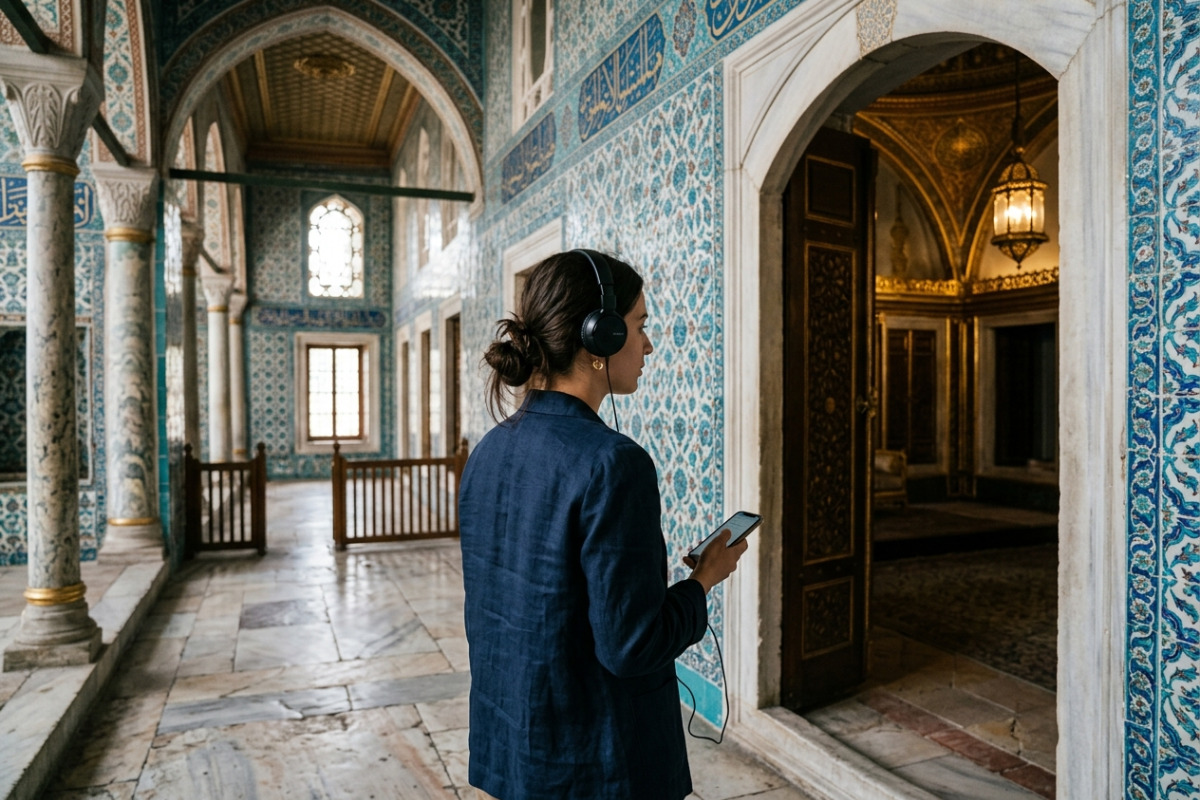
- Audio Guides are Essential: To fully appreciate the Harem’s history, consider using an audio guide. The Harem’s acoustics are perfect for audio tours in winter; with fewer people, you can hear every detail of the narration clearly. We recommend the Topkapi Palace Audio Guide App for a seamless experience.
- Timing: Aim to visit the Harem around mid-morning. By this time, the sun is high enough to illuminate the stained glass, but you still beat any small groups that might arrive later in the day.
- Combined Tickets: Remember that the Harem requires a separate section on your ticket or a combined ticket. In winter, ticket lines at the kiosk can still be chilly, so booking online is highly recommended to minimize time spent standing in the wind.
The Aesthetics of Winter Photography
Photography in the Harem is a delight, but winter offers a unique advantage: the absence of "photobombers." You can capture wide-angle shots of the Privy Chamber of Ahmed III (the Fruit Room) or the long, tile-lined corridors without waiting for a gap in the crowd. The diffused light from overcast winter skies acts as a natural softbox, highlighting the gold leaf and the intricate geometric patterns of the ceilings without creating blown-out highlights.
Conclusion: A Journey into the Heart of the Empire
Visiting the Harem of Topkapi Palace in winter is far more than just a way to stay dry and warm. It is a strategic choice that rewards the traveler with a more authentic, quiet, and visually stunning experience. It is a journey into the private, domestic world of the Ottoman dynasty, where the cold winds of the Bosphorus are replaced by the silent beauty of Iznik tiles and the echoes of royal history. If you seek culture, warmth, and tranquility, the Harem in winter is the perfect Istanbul tour.