Throughout its nearly four centuries as the seat of imperial power, Topkapi Palace was more than just a royal residence—it was the stage on which the grandeur of the Ottoman Empire unfolded. From majestic processions to lavish banquets and religious rituals, the palace hosted events that symbolized the empire’s wealth, hierarchy, and devotion. These ceremonies were as much about politics and faith as they were about spectacle and tradition.
Ceremonial Highlights at a Glance
- Processions (Alay): Highly choreographed royal parades underscoring authority.
- Religious Observances: Quran recitations and veneration of Sacred Relics during Ramadan.
- Dynastic Celebrations: Weddings and princes’ circumcision festivals with public festivities.
- Bayram Greetings: Diplomacy and loyalty rituals in the Audience Chamber.
- Arts & Pageantry: Music, poetry, and calligraphy woven into ceremony.
The Palace as a Ceremonial Stage
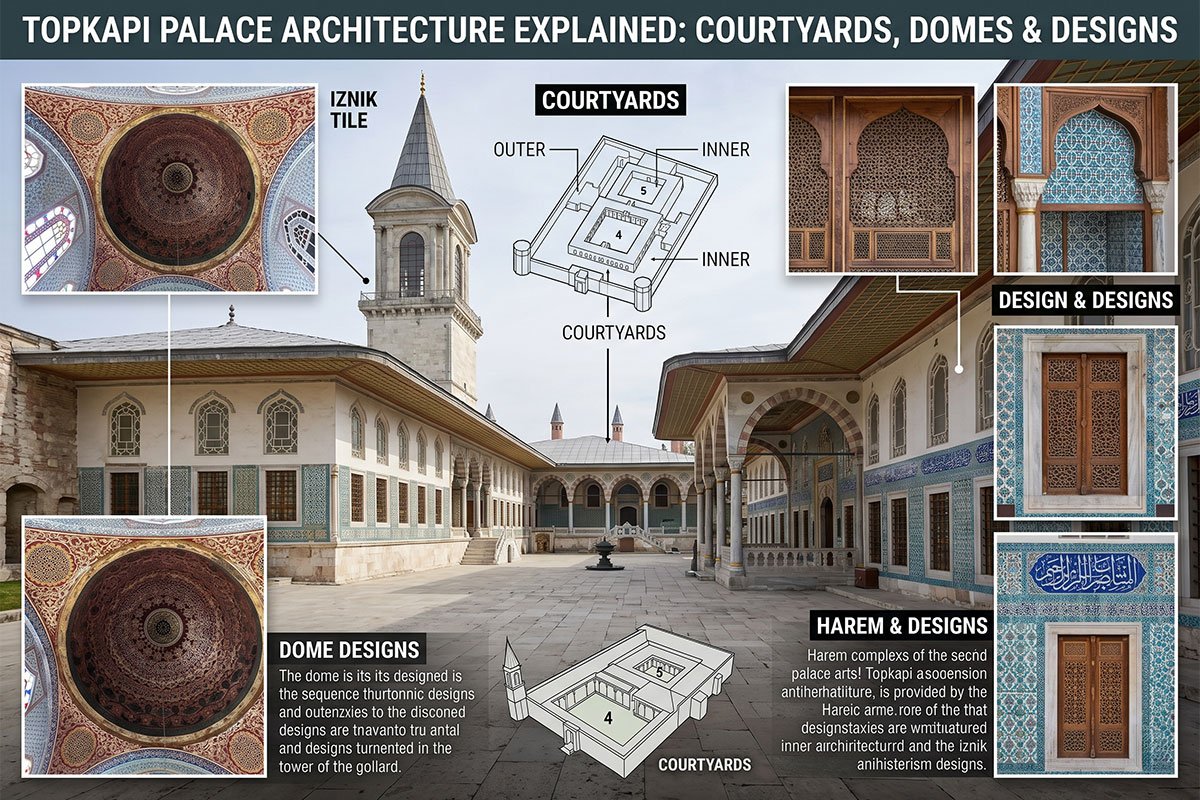
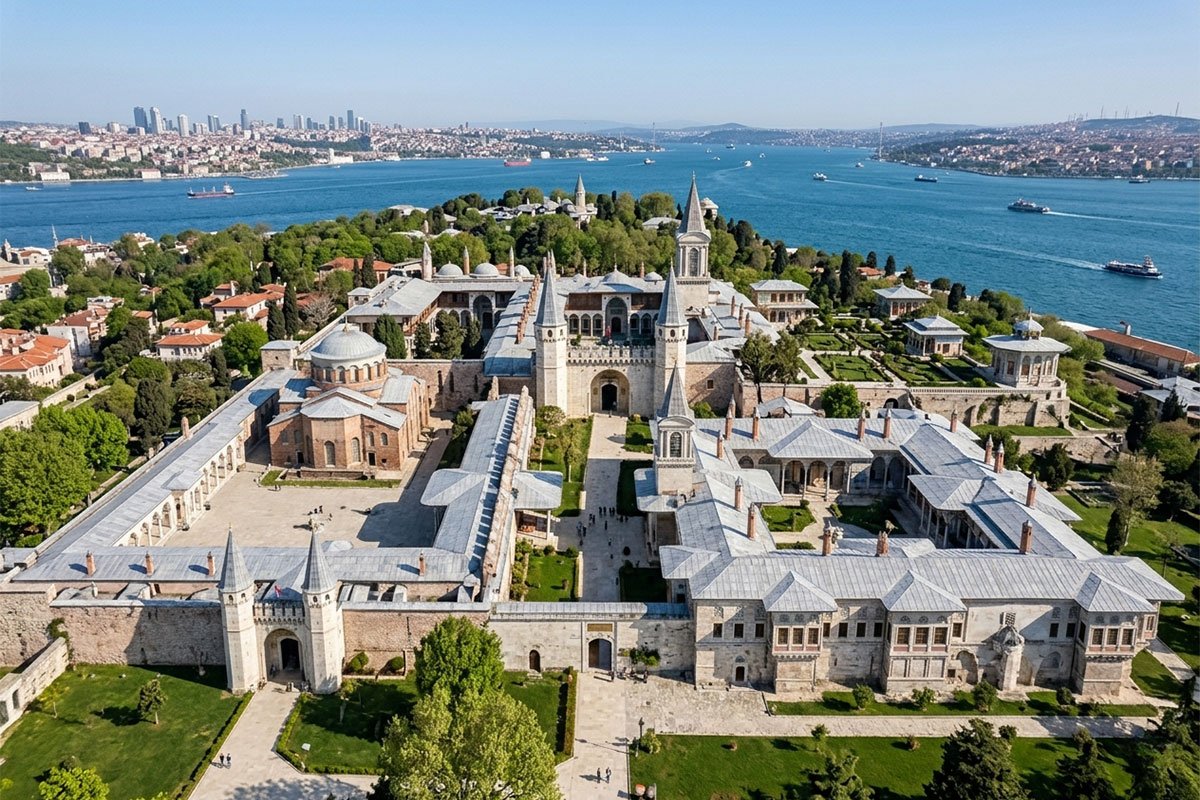
The design of Topkapi Palace was intentionally ceremonial. Its courtyards acted as natural theaters where each gate marked a threshold between different levels of access and power. The First Courtyard welcomed the public, the Second Courtyard held official functions, and the Third Courtyard was reserved for the sultan’s most private and sacred duties. Every procession, from coronations to military victories, followed a strict protocol designed to reinforce imperial authority.
Religious Festivals and the Sacred Trusts
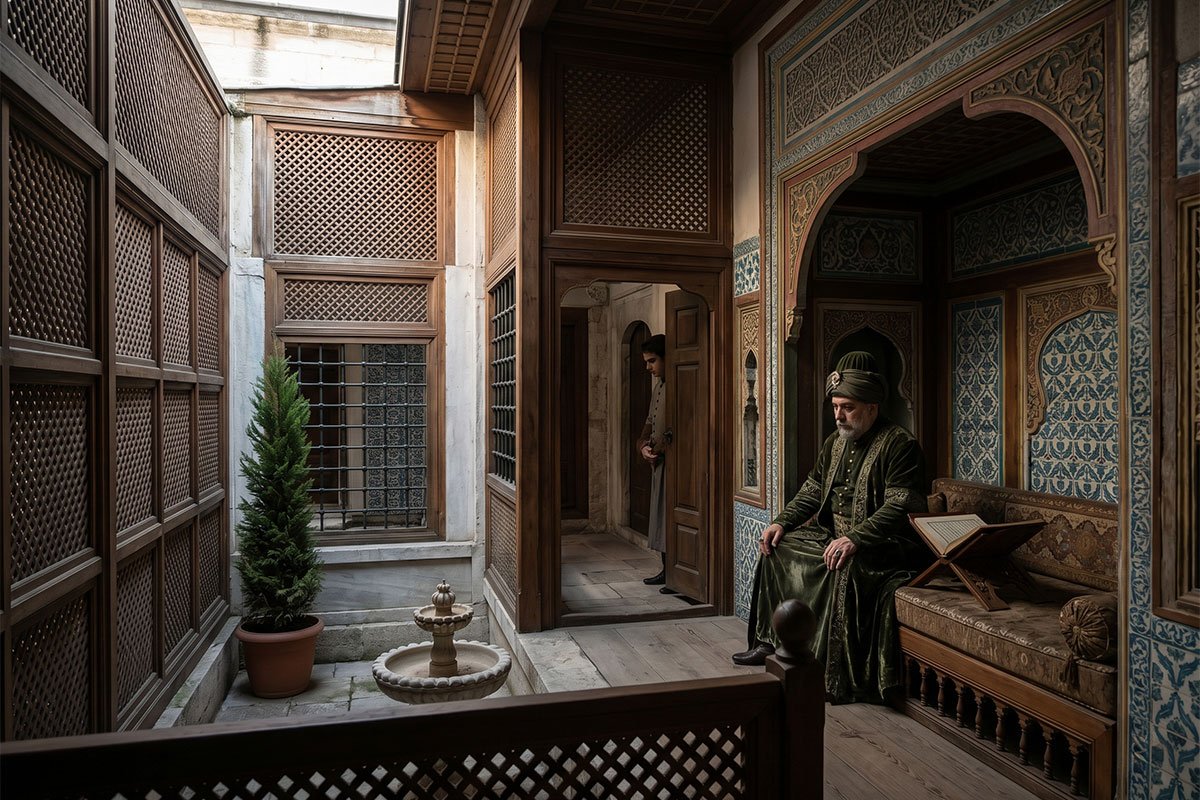
One of the most important annual rituals held in Topkapi Palace was the presentation of the Sacred Relics during the holy month of Ramadan. The sultan and his court would gather in the Third Courtyard to honor the Prophet Muhammad’s mantle and sword. Recitations from the Quran filled the halls, making the atmosphere deeply sacred. These events reminded both rulers and citizens of the empire’s religious foundation.
The Imperial Processions
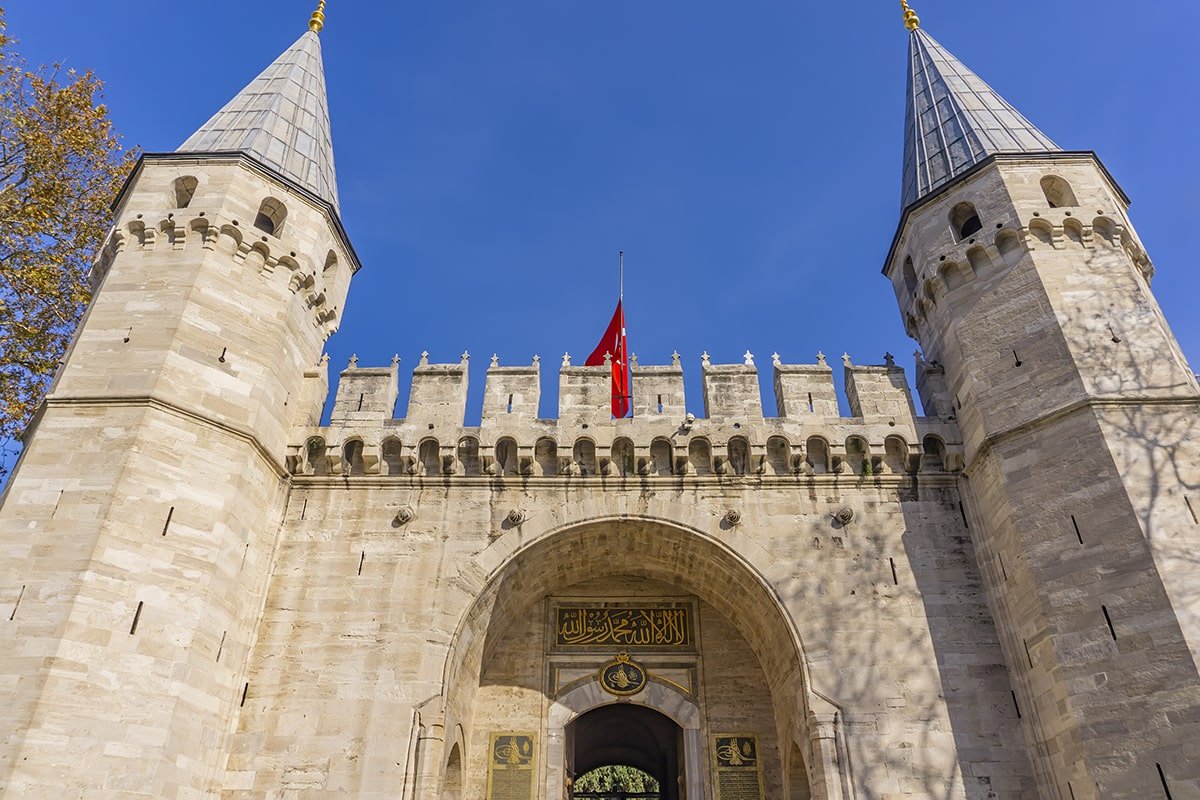
The Imperial Processions (known as “alays”) were among the most visually impressive spectacles of the Ottoman court. When the sultan left the palace for Friday prayers or a campaign, thousands of soldiers, viziers, and servants lined the route from the Imperial Gate (Bab-ı Hümayun) through the Divan Road. Citizens would gather outside the gates to witness this rare display of royal presence, while musicians and janissaries filled the air with drums and trumpets.
Royal Weddings and Circumcision Festivals
The palace also hosted elaborate celebrations for royal weddings and prince circumcision festivals (known as “sünnet düğünleri”), some of which lasted for days or even weeks. These festivals featured fireworks, acrobats, feasts, and gifts distributed to the public, all orchestrated within the Second Courtyard and its surrounding gardens. They were both acts of generosity and public displays of the empire’s stability and wealth.
Bayram Ceremonies: A Time of Loyalty and Unity
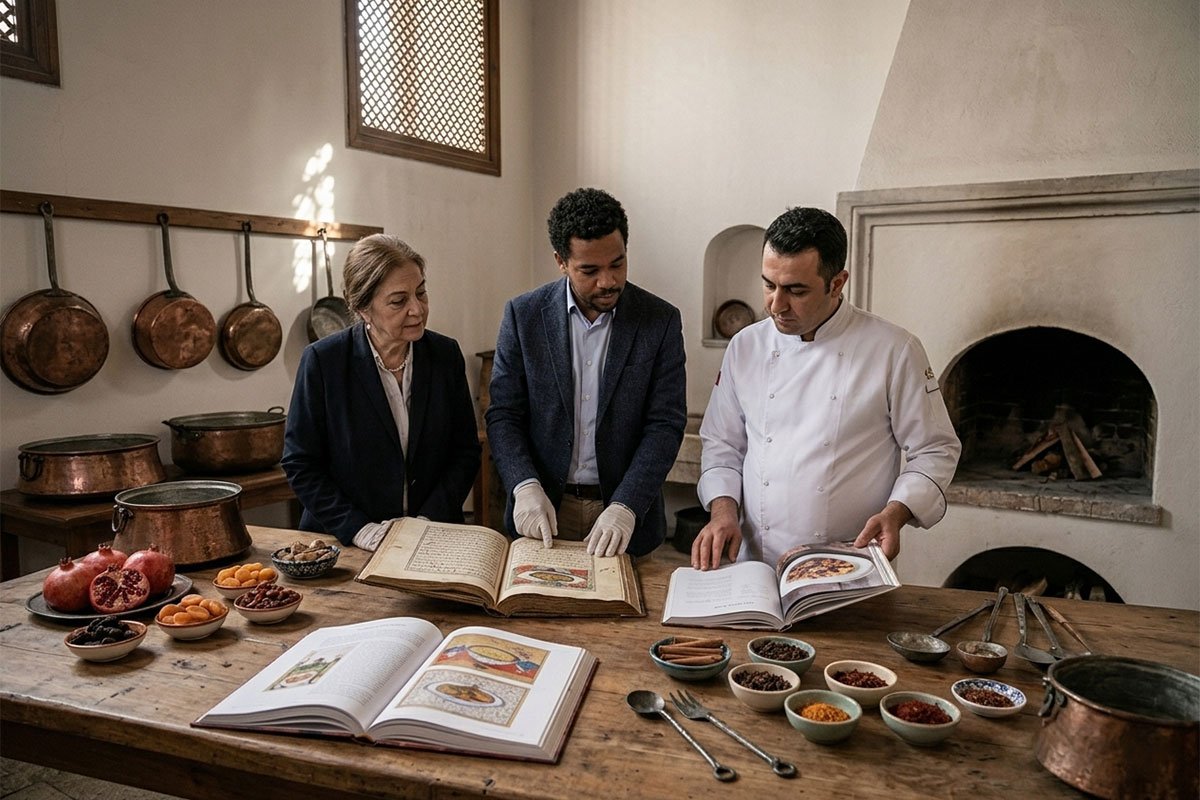
During Islamic festivals like Eid al-Fitr and Eid al-Adha, the sultan received greetings from officials and foreign ambassadors in the Audience Chamber. These ceremonies reinforced political unity and loyalty across the empire. Elaborate feasts followed in the kitchens, where hundreds of dishes were prepared daily, from sweet desserts to roasted lamb served on gold platters.
Music, Poetry, and Ottoman Pageantry
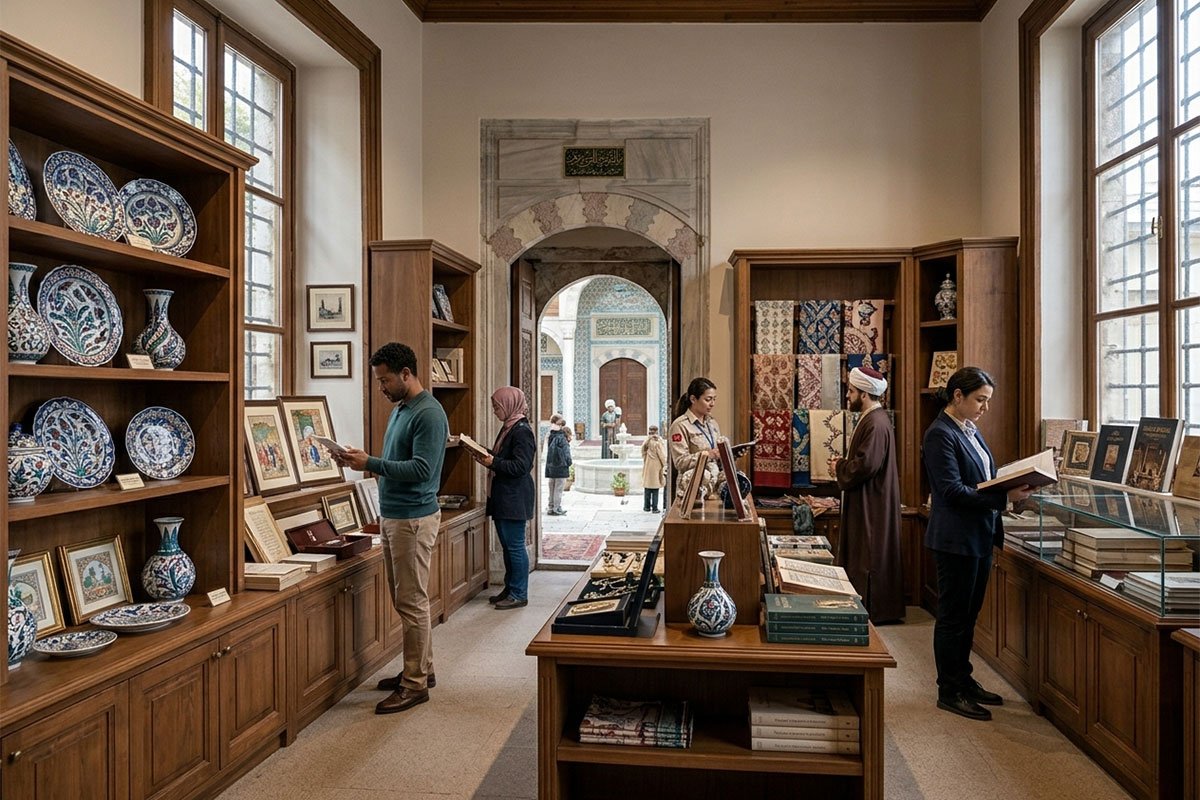
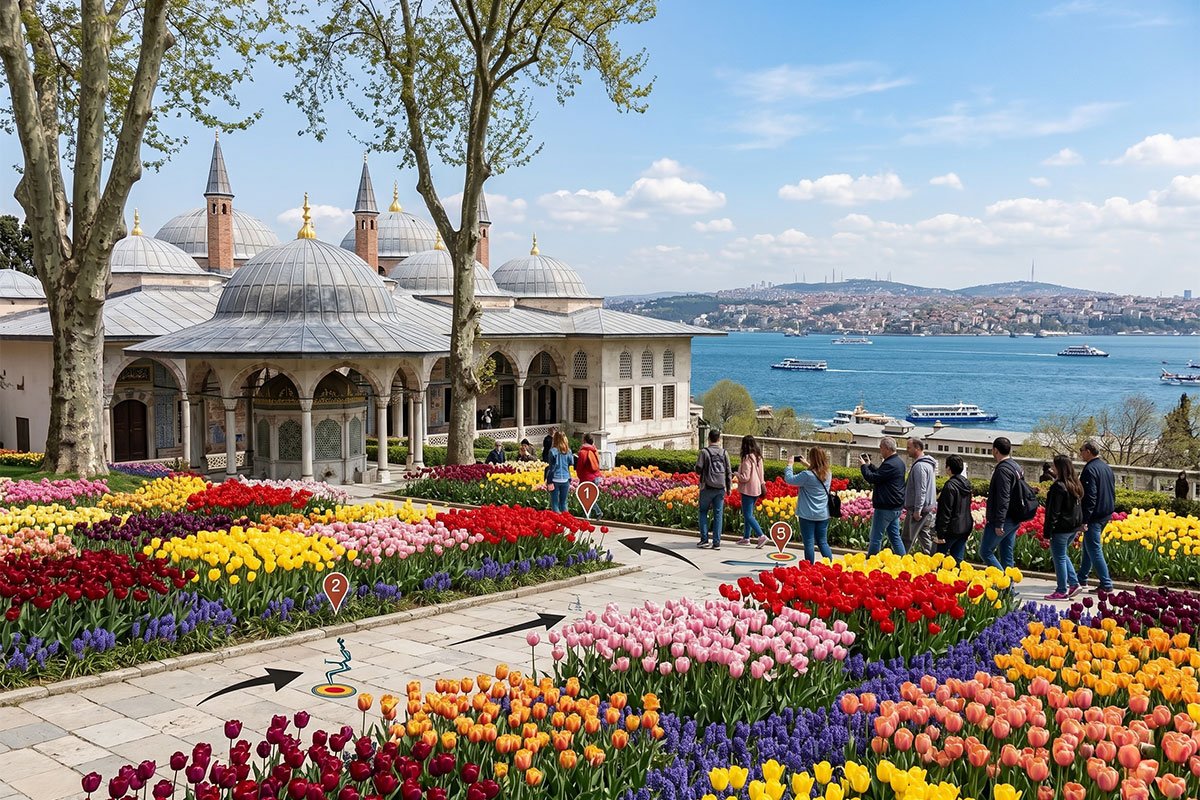
Art and ceremony were inseparable in Ottoman culture. Palace musicians, poets, and calligraphers performed during every festival, turning each occasion into an expression of imperial identity. Even the layout of the courtyards—with fountains, floral arrangements, and gilded kiosks—was part of this ceremonial art form, representing the harmony between power and beauty.
Legacy of Ceremony in Modern Times
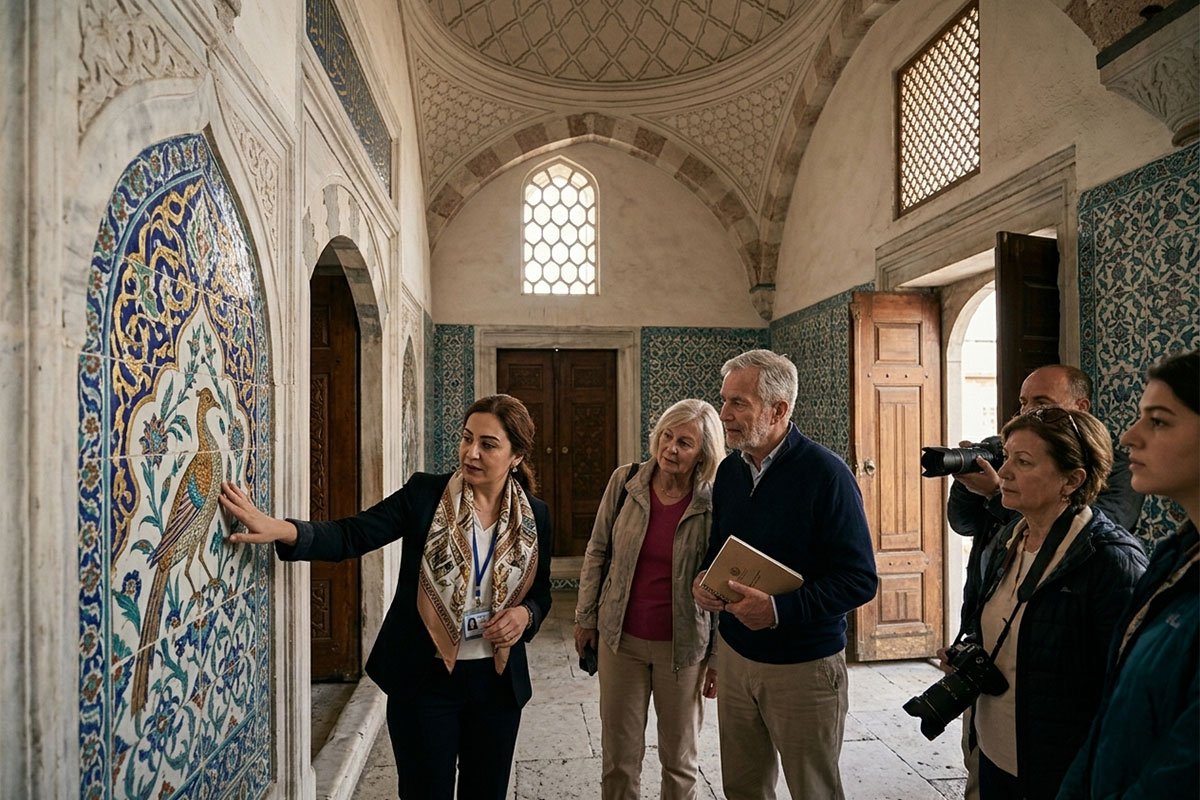
Although imperial ceremonies ceased with the fall of the Ottoman Empire, the spirit of celebration remains alive within Topkapi Palace. Today, special exhibitions and cultural events recreate these moments through music, costumes, and historical displays. Visitors walking through the courtyards can still imagine the echoes of drums, the shimmer of silk robes, and the brilliance of lanterns lighting up the night sky.
Visitor’s Cheatsheet: What Happened Where?
| Ceremony | Primary Location | Occasion / Timing | What You Can See Today |
| Imperial Processions (Alay) | Imperial Gate → Second Courtyard | Friday prayers, military campaigns | Processional routes and gate architecture |
| Sacred Relics Observance | Third Courtyard | Ramadan (annual) | Relics displays; Quranic recitation tradition |
| Royal Weddings & Sünnet Festivals | Second Courtyard & gardens | Dynastic events (multi-day) | Ceremonial gifts, costumes (Treasury) |
| Bayram Greetings | Audience Chamber | Eid al-Fitr & Eid al-Adha | Protocols of reception and etiquette |
Mini Route: Recreate a Ceremonial Day (30–45 min)
- Enter via the Imperial Gate and pause to visualize the procession lineup.
- Walk into the Second Courtyard; note the kitchens and council buildings supporting protocol.
- Continue to the Third Courtyard to understand the sacred dimension of rulership.
- Finish at the Treasury (for artifacts) and reflect on how pageantry shaped authority.
Final Thoughts
Topkapi Palace was not only the political and administrative heart of the Ottoman Empire—it was also its ceremonial soul. Every festival, procession, and ritual reflected the empire’s unity, its devotion to faith, and its pursuit of grandeur. Visiting the palace today allows you to step into that same world of splendor, where history was written not only through conquests, but also through celebration.