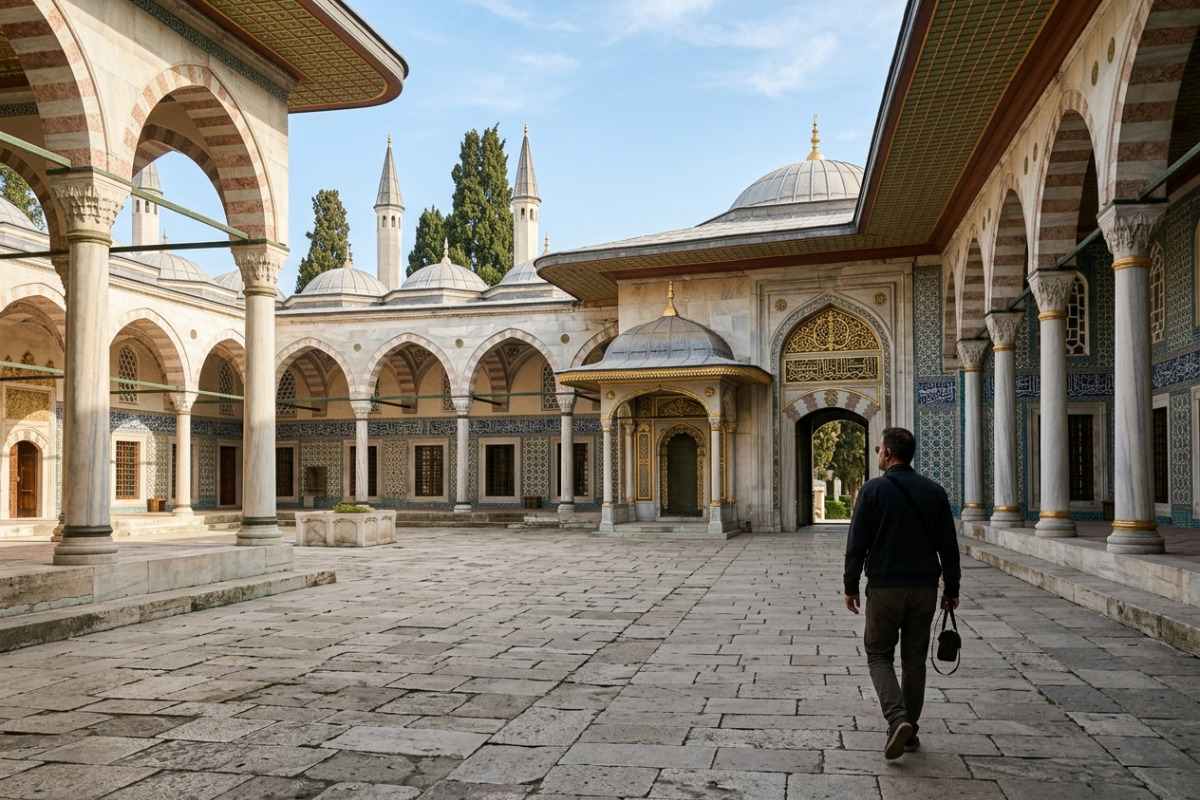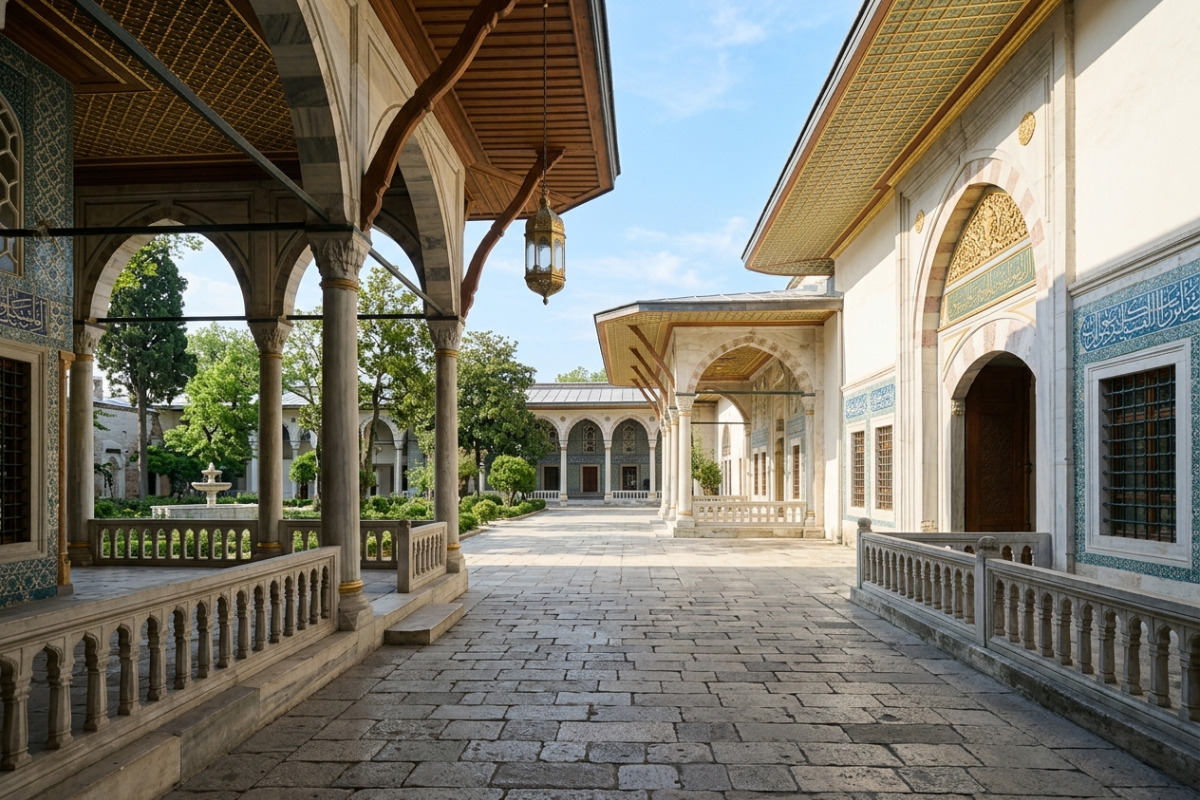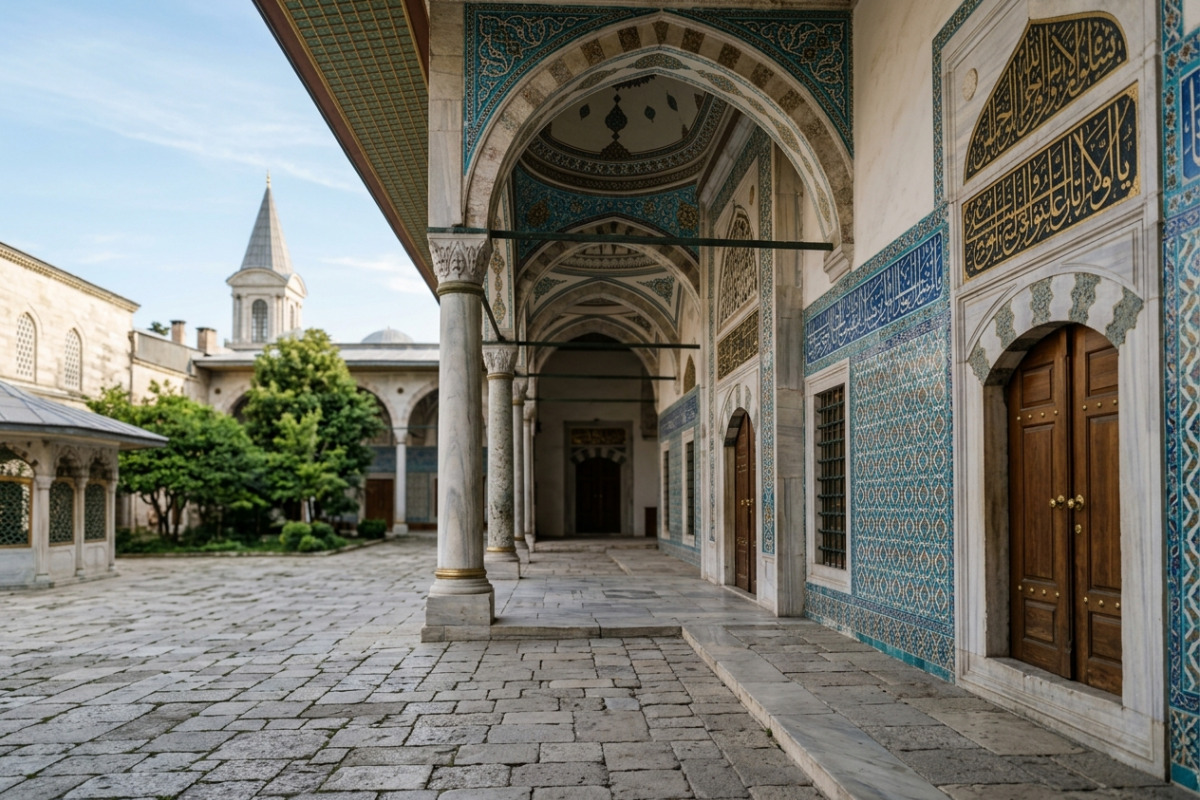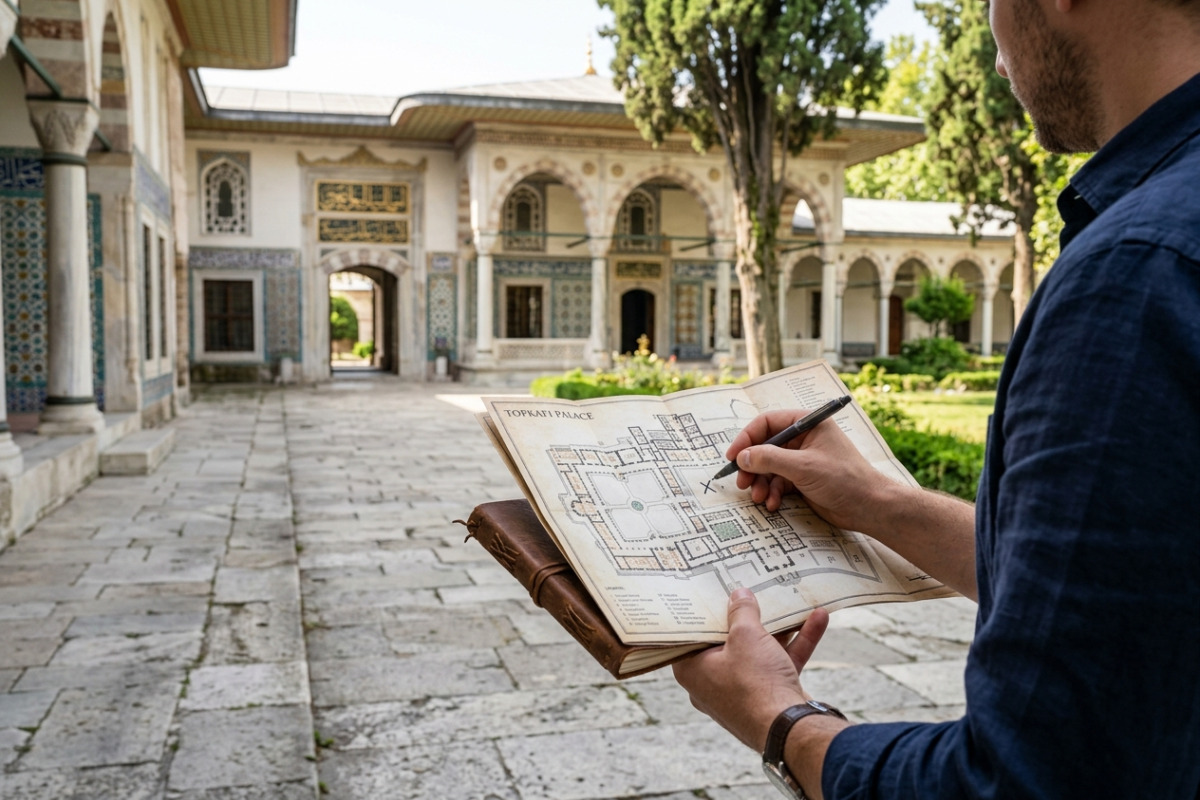
Understanding the Sultan's daily routine at Topkapi Palace reveals how ritual, administration and spectacle sustained Ottoman rule. If you want to imagine a single day inside the palace—its tempo, spaces and the people who kept it running—this guide reconstructs that rhythm and explains what you can still see today.
Morning: waking, prayer and private audiences
The day began before dawn for many in the palace, and the Sultan's first hours balanced devotion with discreet governance. After waking, the Sultan performed morning prayers and received briefings from close attendants like the Sword-Bearer (Silahdar Ağa); these early rituals emphasized continuity and personal piety as much as statecraft. Today you can picture this sequence when you visit the quieter residential pavilions and passages.
Private audiences in the Sultan's apartments could follow, where a small circle of advisors and family members discussed urgent matters. These meetings were not the public ceremonies of the divan, but they shaped decisions. If you are curious about the domestic layout that hosted such moments, the Harem quarters and adjacent private chambers still convey the intimacy and protocol of those mornings.
Sultan's daily routine at Topkapi Palace: state affairs and the Divan
By mid-morning the tempo shifted toward administration. On formal days the Sultan observed the imperial council (Divan-ı Hümayun). Interestingly, he often did not sit with the ministers but watched from behind a golden grille known as the 'Eye of the Sultan' (Kasr-ı Adl), ensuring his presence was felt even when he remained unseen. The structure of those sessions—official petitions, reports, and diplomatic instructions—fostered centralized decision-making.
To understand the public side of governance, review how business was organized in the palace. The Divan functioned as the focal point for ministers and envoys, a place where ceremony reinforced law. Visitors today can see the architectural cues that framed these interactions: raised platforms, controlled sightlines, and routes used by courtiers and messengers.
How protocol structured the day
Protocol controlled who could enter, where they stood and the sequence of petitions. That strict choreography meant the Sultan rarely encountered unexpected crowds; staff and eunuchs managed flows and preserved his privacy. For you as a visitor, understanding this choreography helps make sense of the palace's separate courtyards and guarded passages.
Culinary rhythms: the palace kitchen and meals
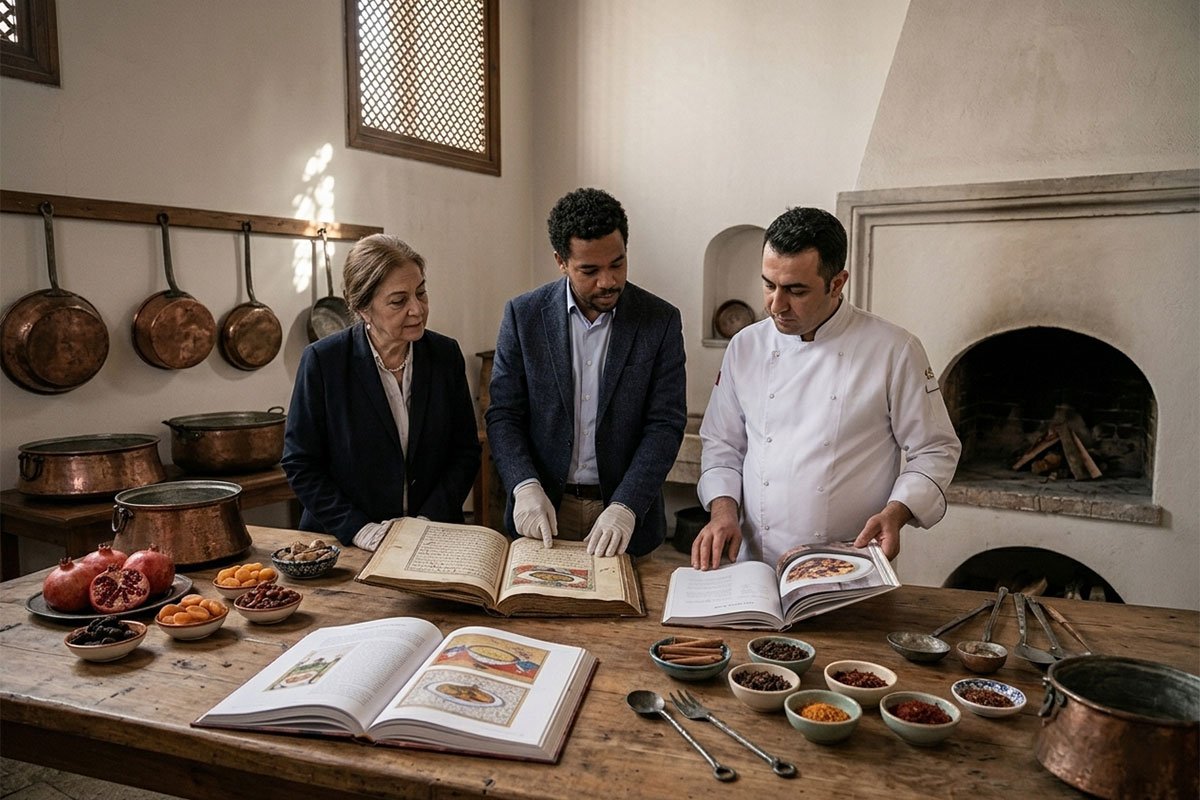
Food punctuated the day with practical and symbolic importance. The palace kitchen did far more than provide sustenance; it produced banquets that expressed imperial power. Large weekday meals fed household staff and lower-ranking officials, while state feasts showcased delicacy and abundance. The Sultan’s own meals were served with extreme caution, often tasted first by the 'Çeşnigirbaşı' (Chief Taster) for safety.
Practical details shaped the culinary routine: special diets for the Sultan and strict controls on supply chains. Today, information panels and preserved kitchens allow you to imagine the scale of preparation. For specifics on the cooking spaces and organization, check the descriptions of the Kitchen section when you plan your visit.
Leisure, religion and the palace gardens
The Sultan's life balanced ceremony with quieter pursuits. Afternoons often included study, reading of manuscripts, small musical performances, or short walks in the palace gardens. These interludes were as important as state duties: they signaled a cultured ruler and offered space for private reflection.
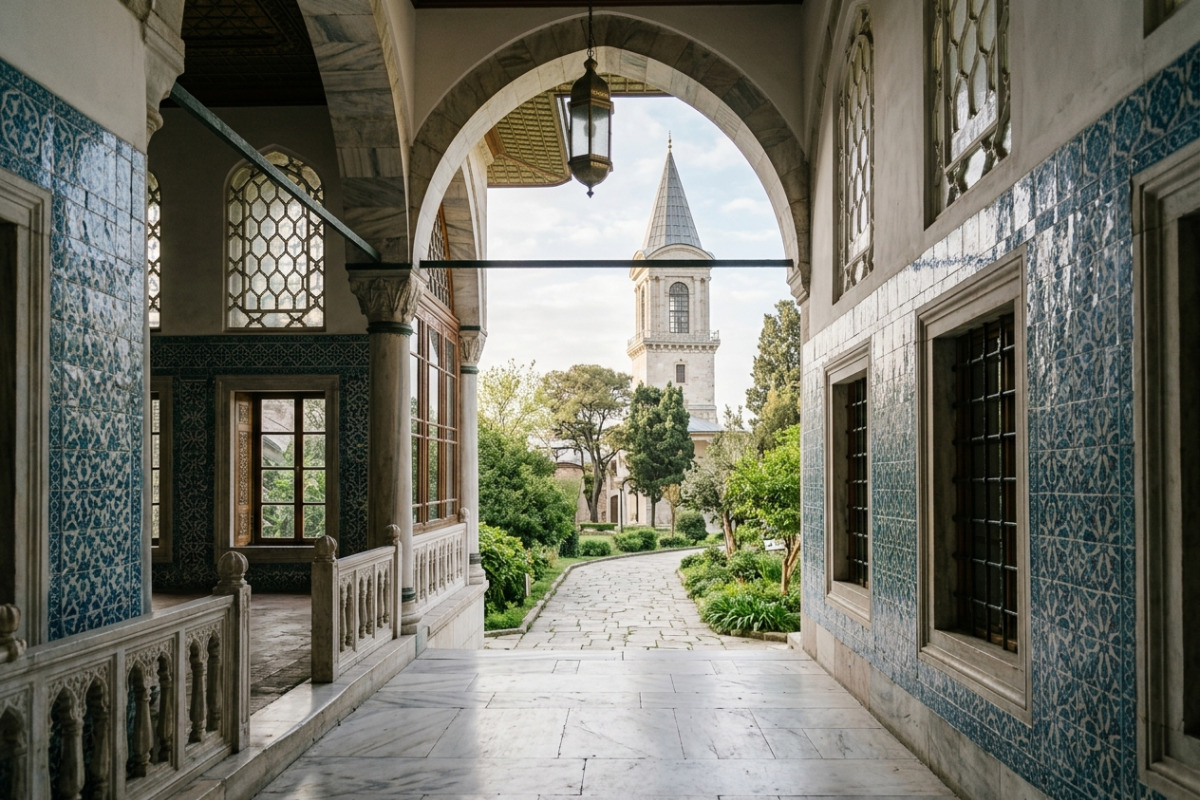
The gardens remain among the most tangible traces of this rhythm. Their pavilions and shaded walkways once hosted informal conversations and aromatic breaks from administrative intensity. When you step into those planted spaces, imagine how they functioned as both retreat and stage for selective social interaction.
Security, staff and the unseen workforce
Maintaining the palace's daily routine required a large and disciplined workforce. Guards controlled entrances and movement, while a layered staff handled everything from food preparation to ceremonial dress. Many of these roles were highly specialized and bound by strict hierarchies, ensuring the Sultan's schedule ran smoothly and securely.
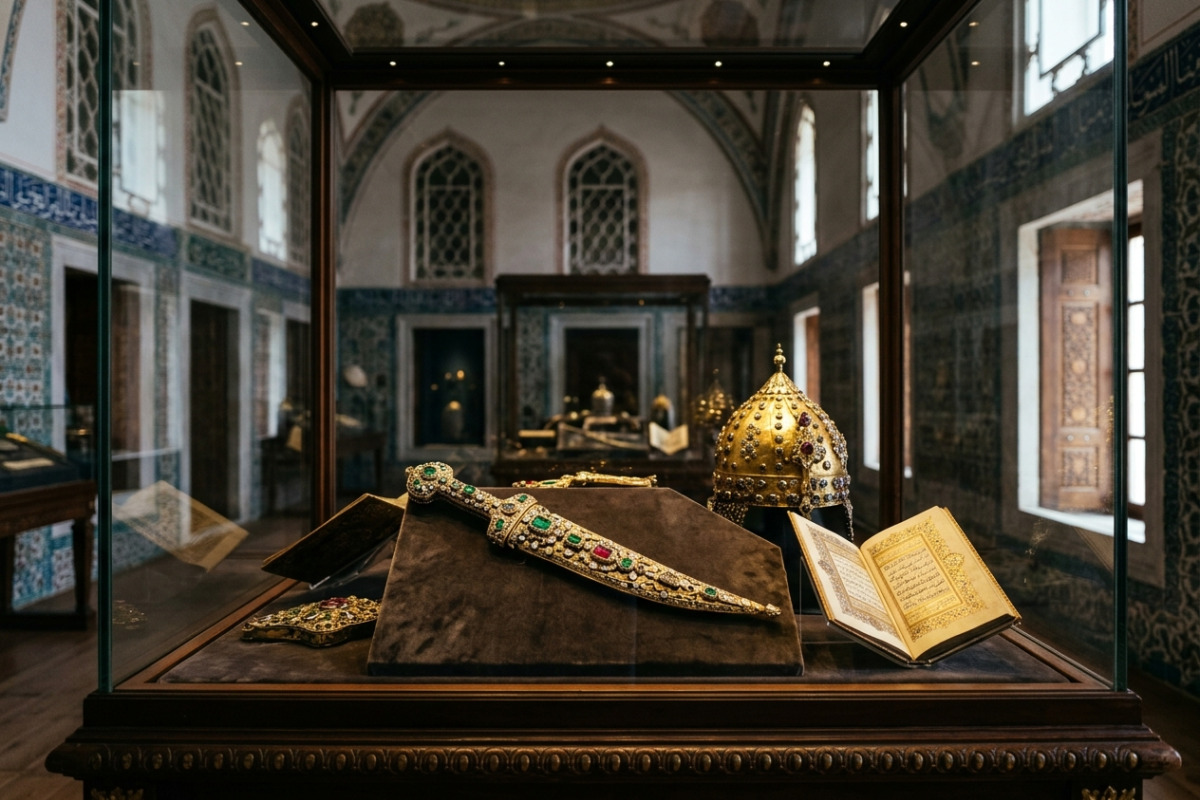
Not all of that organization is visible today, but artifacts in the Treasury, administrative records and the layout of service passages reveal the hidden logistics that supported palace life. When you tour, notice service corridors and separate staircases—these were essential to preserving dignity and order in a place of both residence and government.
Typical daily timeline
- Pre-dawn: private prayers and awakening rituals
- Mid-morning: private briefings and selective audiences
- Late morning: administrative consultations (often viewed from the 'Kafes')
- Afternoon: meals, leisure, study and garden walks
- Evening: formal receptions, banquets or private gatherings
Seeing these rhythms side-by-side helps you reconstruct how one life could anchor an entire imperial household.
"A palace is not only built of stone and gold; it is organized time—carefully scheduled, carefully guarded, and carefully performed."Summary and plan your visit
Reconstructing the Sultan's daily routine at Topkapi Palace gives you a living framework for visiting: look not just for objects but for traces of habit, movement and protocol. Spaces such as the private apartments, the Divan, the Kitchen and the gardens each played a role in a single day's flow.
To experience this layering firsthand, prepare by checking the Audio Guide options and practical details on the Visiting Information page. Secure your Topkapi Palace tickets in advance. Arrive with a timeline in mind—early morning for quieter residential areas, mid-morning for administrative halls and afternoon for the gardens—and let the palace's routines guide your interpretation.