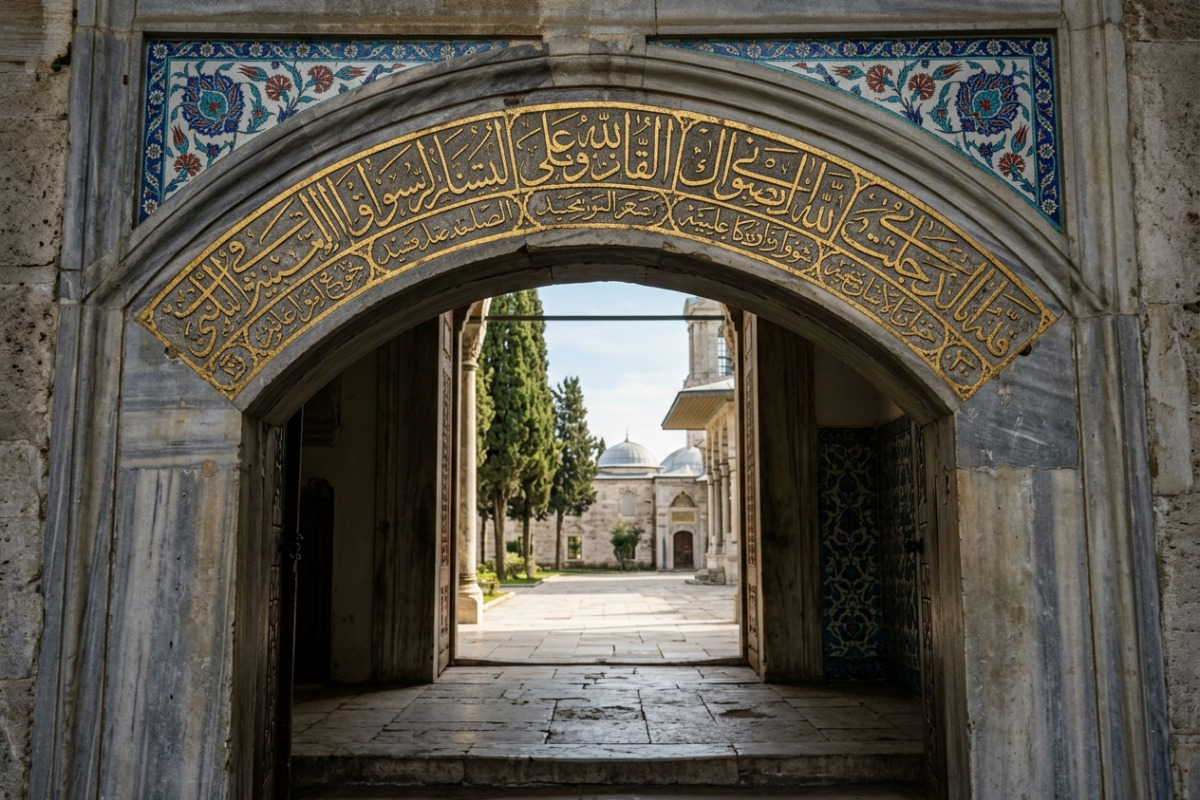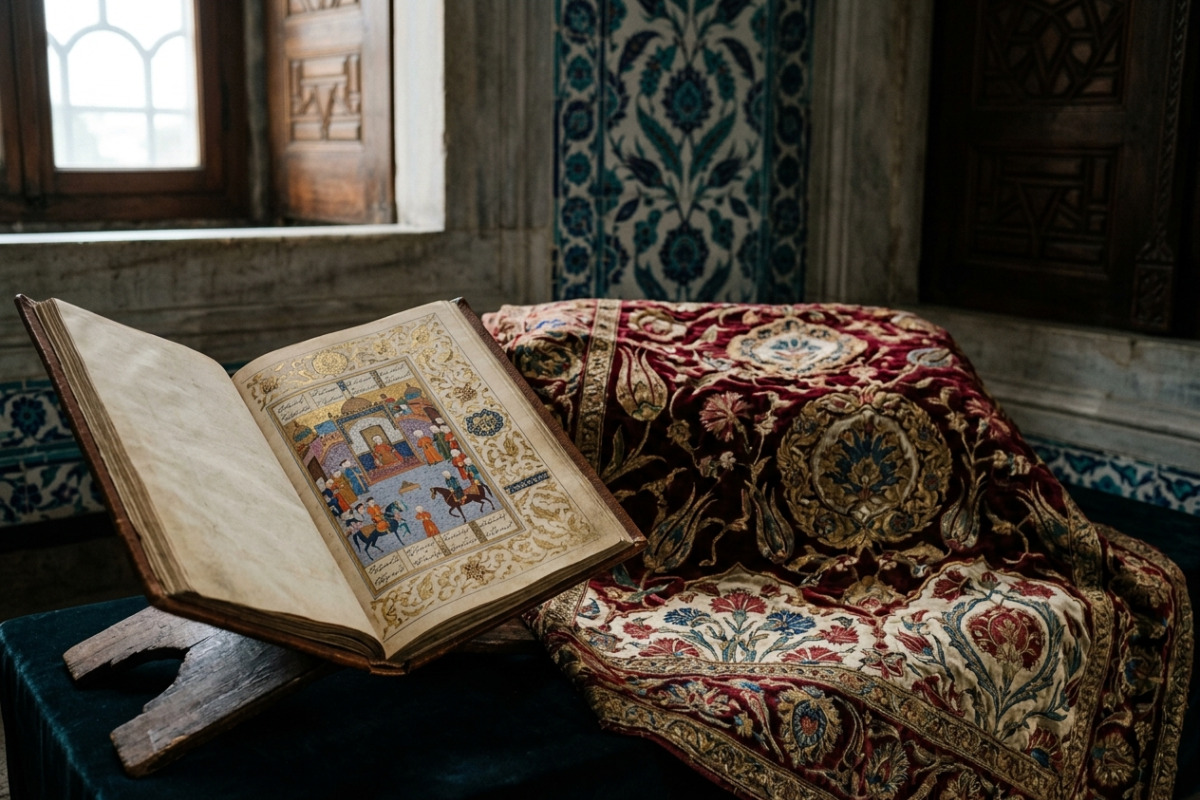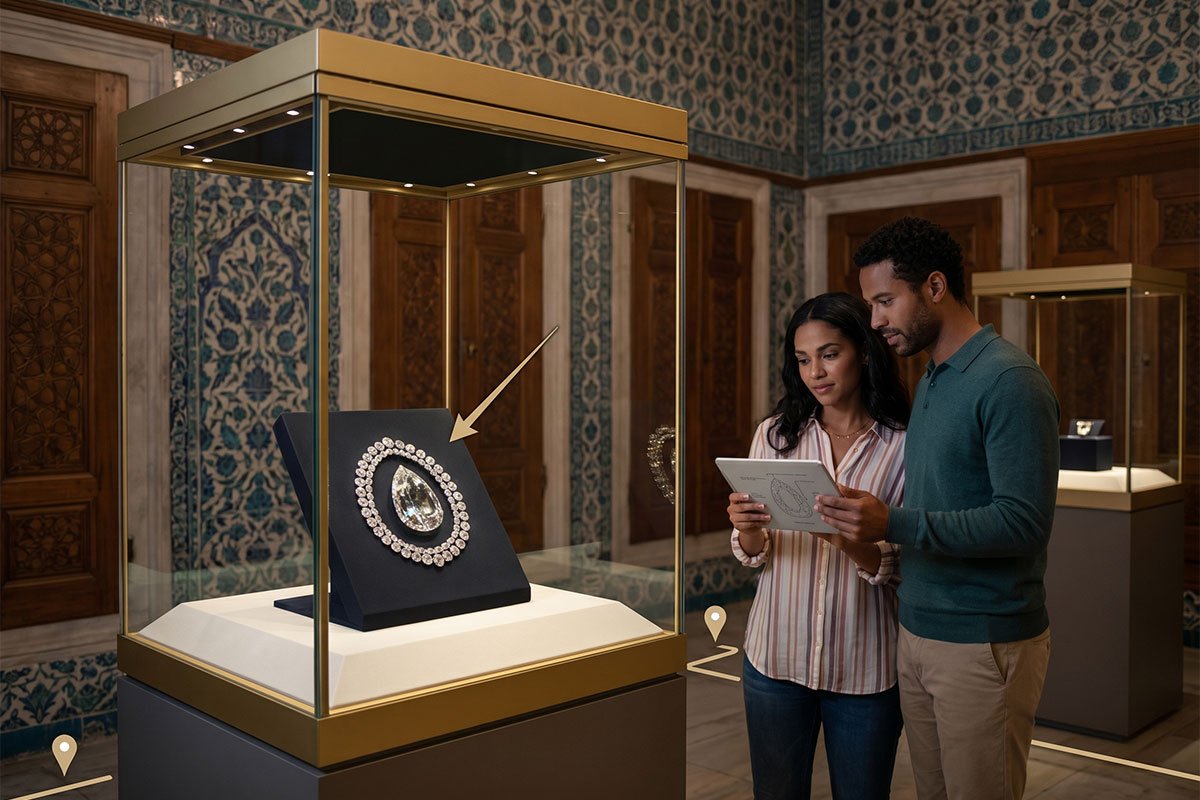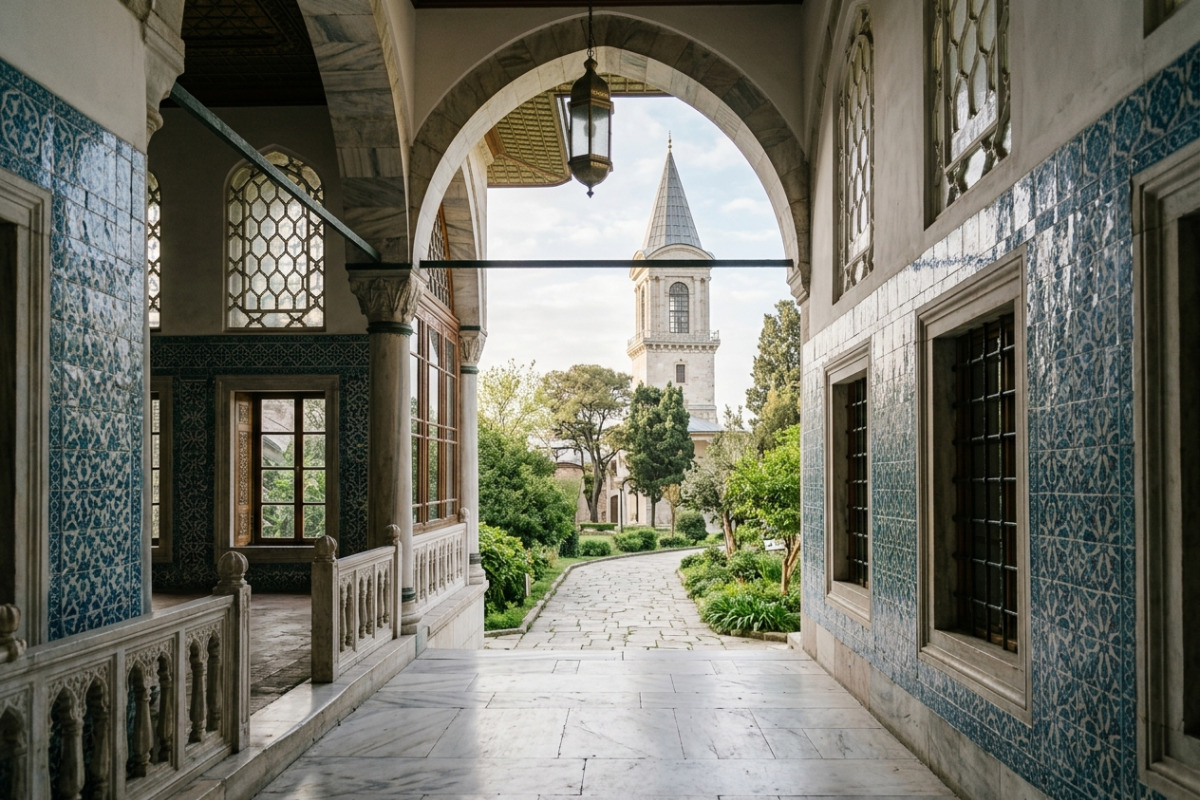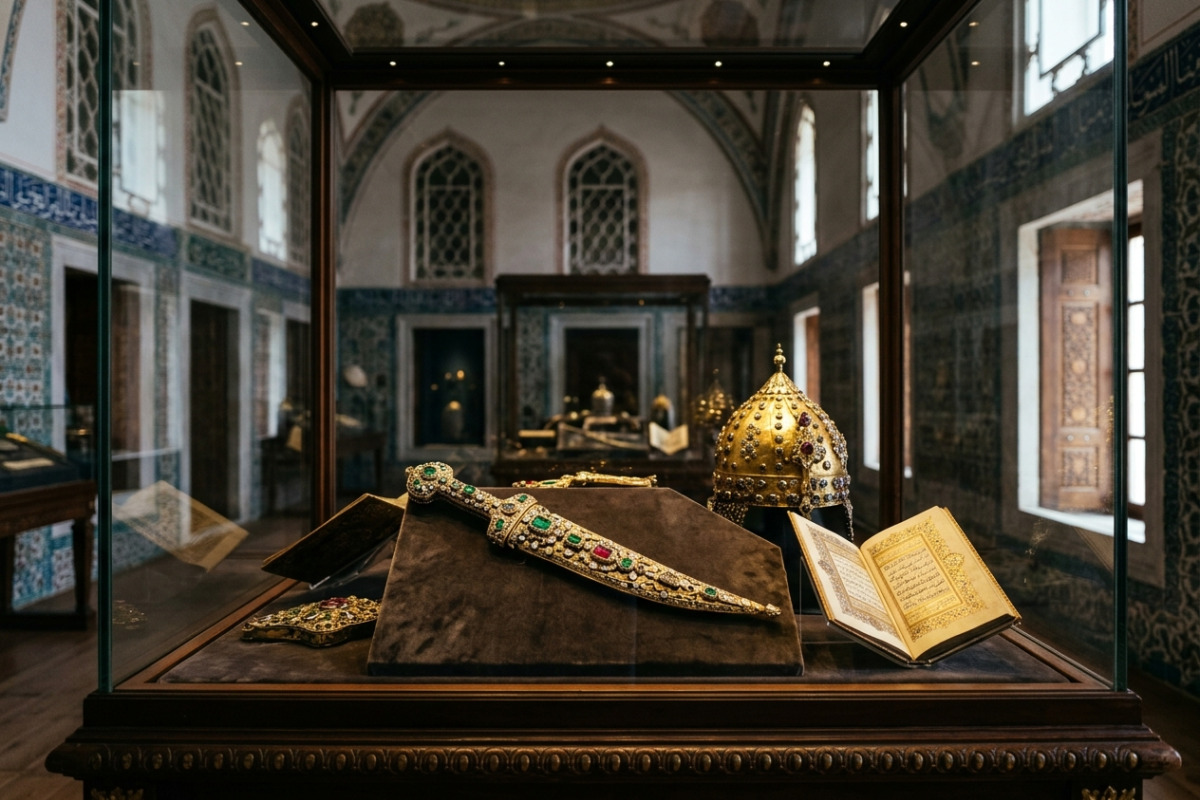
When you stand before a jewel-encrusted reliquary or an embroidered kaftan at Topkapi Palace, you are looking at a story—in metal, cloth, and calligraphy. This guide helps you interpret Topkapi Palace treasures during your visit, teaching you practical ways to notice materials, marks, and narratives that most visitors miss. Use these observational habits to turn objects into context, and make your museum time far richer.
How to Read Objects: A Practical Approach to Topkapi Palace Treasures
Start with three simple questions for every object: who made it, who used it, and why it was kept? These prompts force you to move beyond aesthetic appreciation into historical curiosity. Look for official tuğras (sultanic seals), inscriptions, repair signs, and wear patterns—each reveals a layer of the object's life, from the imperial workshops (Ehl-i Hiref) to palace display.
Materials and technique tell reliable stories. For instance, stitch density on textiles suggests whether an item was everyday or ceremonial; gold inlay and niello work on arms indicate high-status commissions; and the type of glaze on Iznik ceramics helps you date pieces and link them to specific periods. When you notice one of these clues, pause and imagine the object's original setting—a court ceremony, a private devotion, or a diplomatic gift.
- Observe scale: Size can indicate intended use—small boxes for personal valuables, massive silver braziers for heating grand halls.
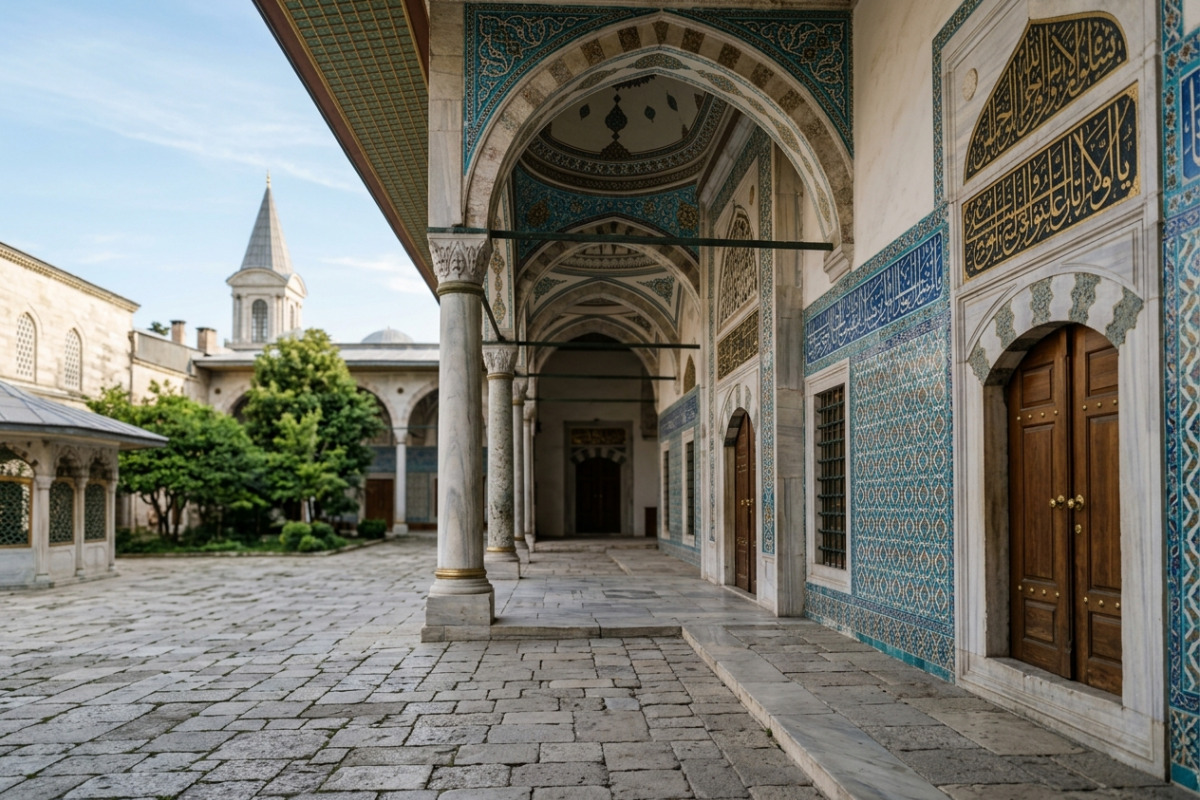
- Check inscriptions: Dates, names, or Quranic verses often clarify purpose and patronage.
- Look for repairs: Mended seams or metal patches reveal valued objects reused and cherished over generations.
- Examine supports: Mounts, frames, or stands can change how an object was meant to be seen, often added later for museum display.
- Compare items: Group comparisons reveal stylistic shifts between centuries and trade influences from Europe or the Far East.
These habits make every case a mini-research project and deepen your connection to the artifacts labeled simply as "treasure."
Thematic Trails: Following Power, Faith, and Daily Life
Instead of trying to see everything, follow a theme. Three rich starting trails are Power, Faith, and Daily Life. Each trail groups objects that, when read together, tell clearer stories about Ottoman court culture and the palace’s role in the empire.
Power: Regalia, Gifts, and Political Display
If you choose the power trail, focus on insignia, ceremonial swords, and the famous thrones. These objects manifest authority and diplomacy—notice how presentation boxes and inscriptions emphasize legitimacy. Context matters: the proximity of certain objects to the Divan (Imperial Council) spaces often hint at their use in statecraft and foreign receptions.
Faith: Relics, Qur'ans, and Pilgrimage Objects
Follow the faith trail to the Chamber of Sacred Relics to see how religion and rulership intertwined. Reliquaries and illuminated Qur'ans are not just devotional; they also conferred sanctity and moral authority to the sultanate. Look for devotional wear on objects and multilayered inscriptions that combine piety with political messaging.
Daily Life: Textiles, Kitchenware, and Personal Items
The domestic trail offers intimate insights—textiles, costume fragments, and kitchen implements reveal taste, diet, and daily routines. These objects humanize historical figures and show continuity between courtly splendor and the mundane necessities of life within the Harem and the outer courts.
Practical Visit Tips to Experience the Treasures Fully
Plan according to light, crowds, and labels. Early morning or late afternoon visits provide better light on display cases and often quieter galleries. If your schedule is tight, target one thematic trail and allow at least 60–90 minutes for concentrated exploration. For common questions about photography and rules, check the FAQ section.
Use available resources to enrich your reading of objects. The audio guide points out details that are easy to miss and supplies dates and provenance quickly. For essential logistics—opening hours, accessibility, and onsite rules—consult the visiting information page before you go. And remember to book tickets in advance to avoid long queues and give yourself uninterrupted time with the collections.
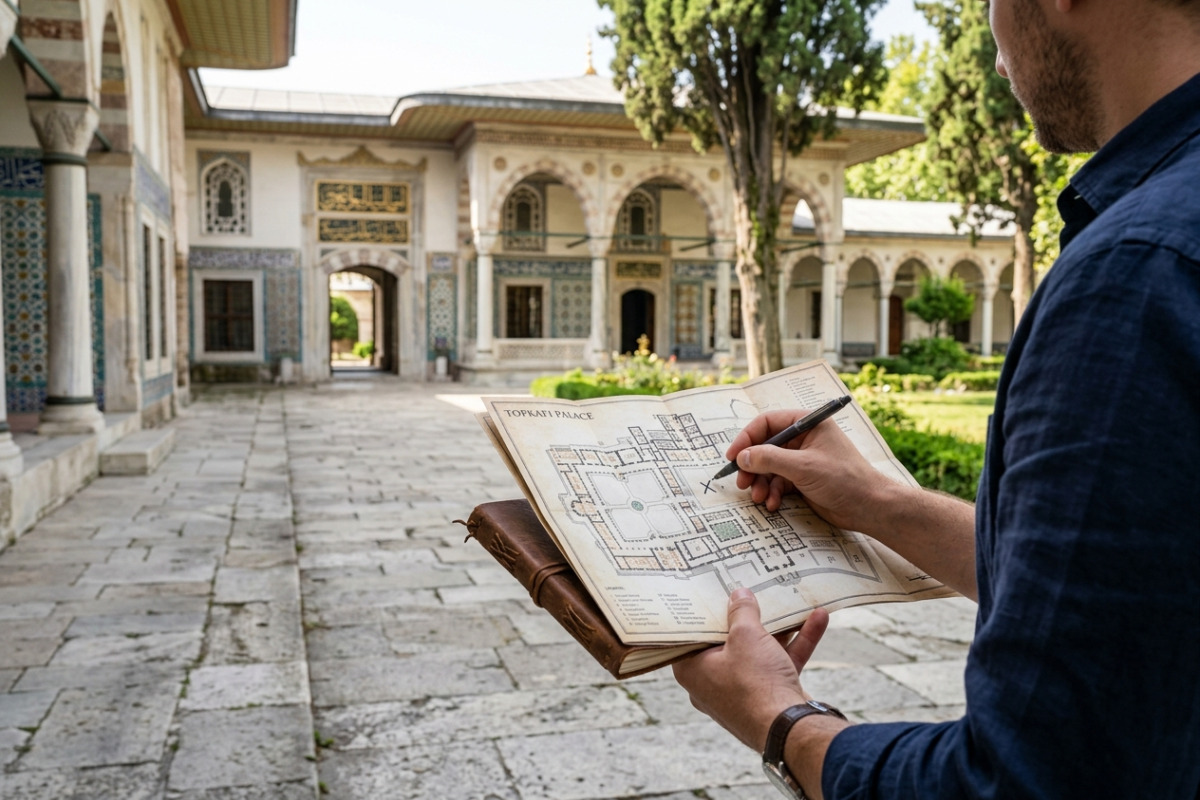
- Carry a small notebook to jot observations—this trains your eye for detail better than just taking photos.
- Photograph labels (not just objects) so you can follow up on names, dates, and catalog numbers later.
- If you travel with children, set a shared micro-theme (e.g., "find five different animals in the designs") to keep them engaged.
Where to Focus: Key Rooms and Sections
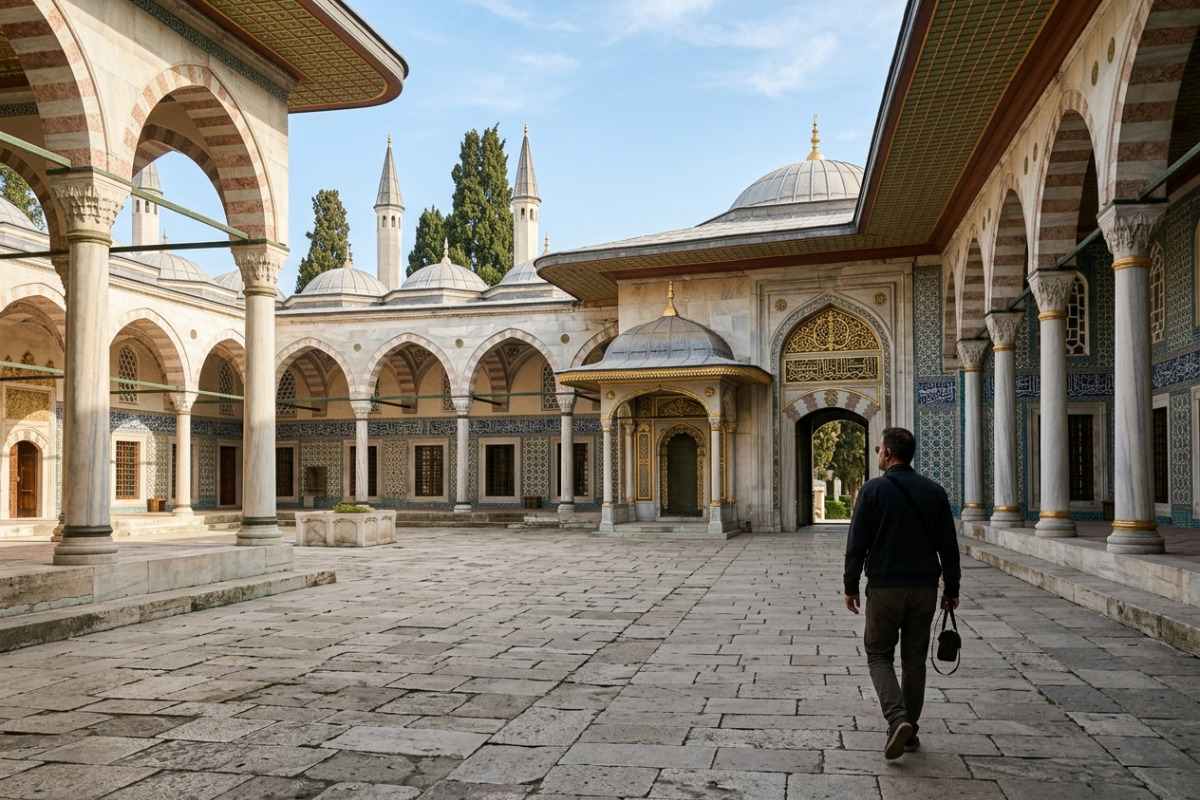
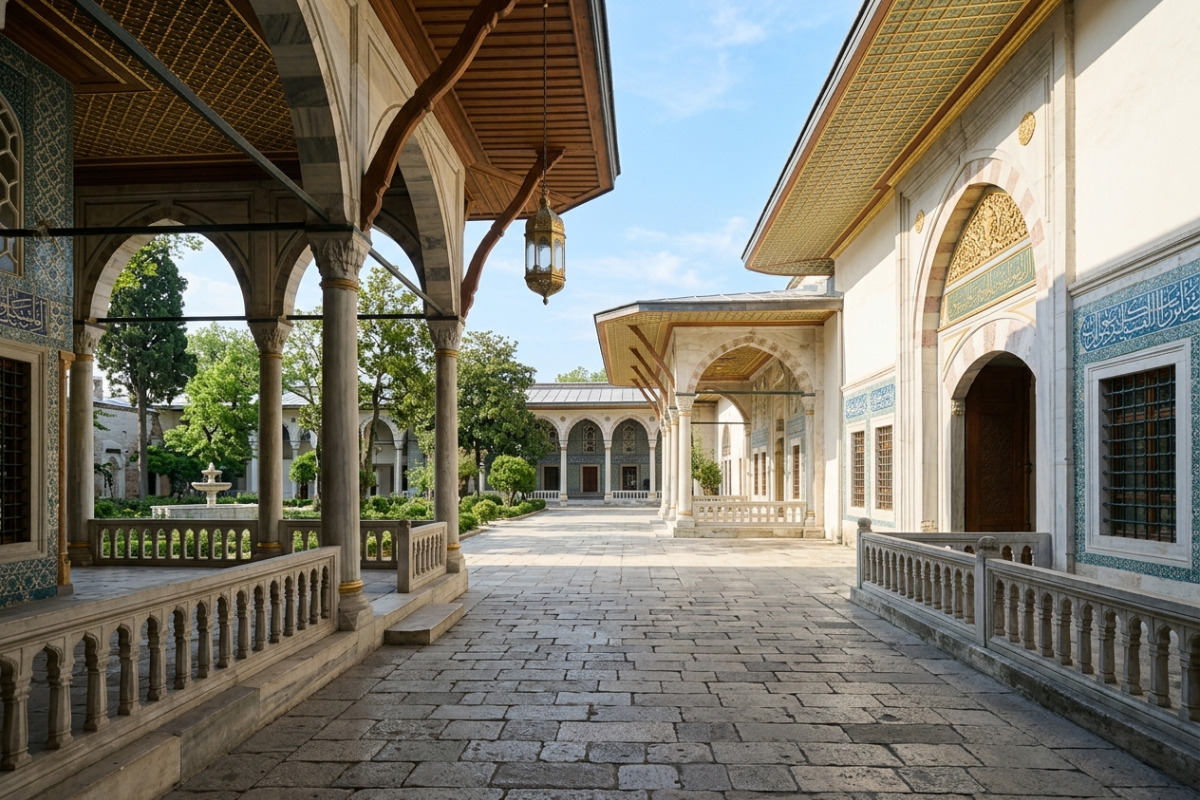
Certain palace areas concentrate the kinds of treasures that reward close reading. The Treasury (Hazine) houses jewelry and valuable metalworks; the Divan suites showcase the architecture of statecraft; and the Harem preserves textiles and personal items that speak to private life. Even the palace Kitchen and Gardens offer material culture clues—porcelain collections and garden pavilions inform culinary and leisure practices.
Below is a concise comparison to help you prioritize based on your interests.
| Section | What to Look For | Best Time to Visit |
|---|---|---|
| Treasury | Metalwork, jewels, and ceremonial objects—focus on tuğras and mounts | Early morning to avoid the largest crowds |
| Divan & Audience Halls | Throne-related objects, administrative artifacts, and architectural calligraphy | Mid-morning, as these are central points of the Second Courtyard |
| Harem | Textiles, clothing fragments, and intricate tilework revealing domestic life | Afternoon for a more atmospheric and quieter exploration |
Summary and How to Plan Your Visit
Reading Topkapi Palace treasures is a skill you can develop in a single visit: observe carefully, follow a theme, and use labels and guides to confirm your hunches. Allocate time by section, bring curiosity, and let small details—repair marks, maker signs, and inscriptions—be your starting points for broader stories.
Ready to experience the collections with intent? Secure your entry by reserving tickets ahead of time, consult the visiting information before you arrive, and consider the audio guide to add historical context on the spot. With these tools, your visit will move from sightseeing to meaningful discovery.