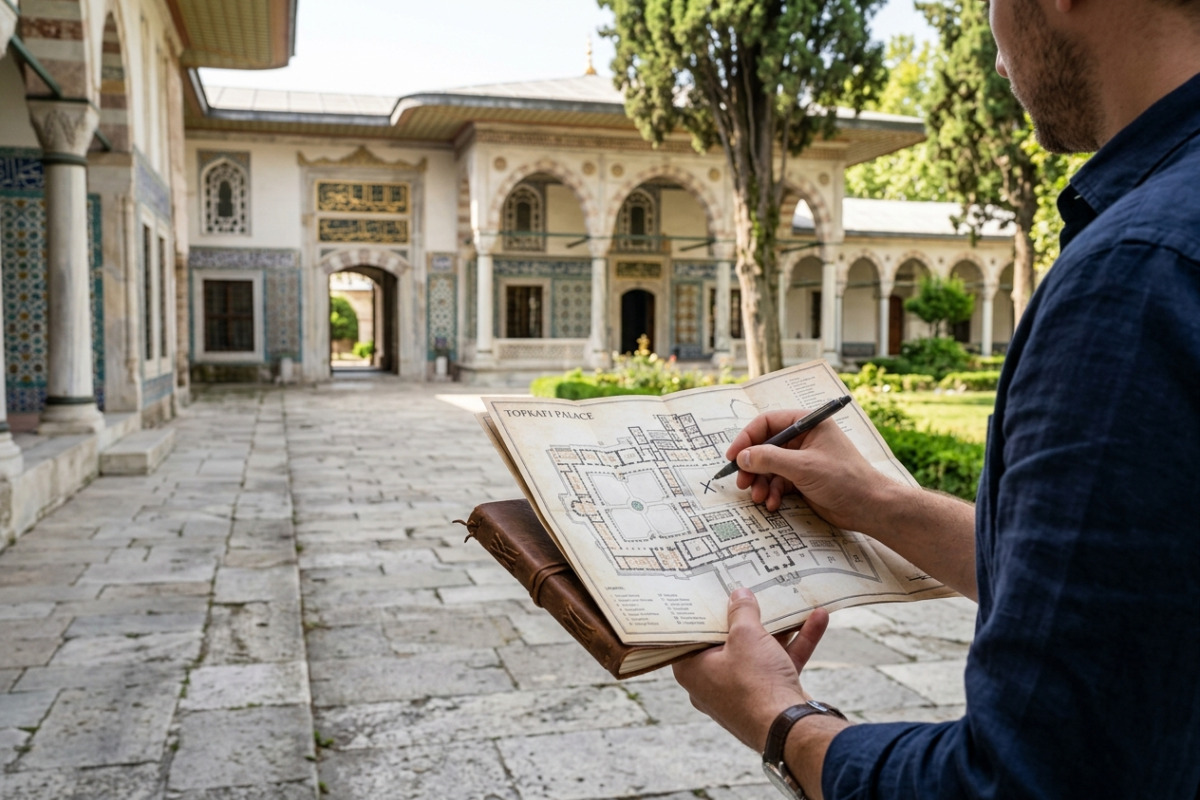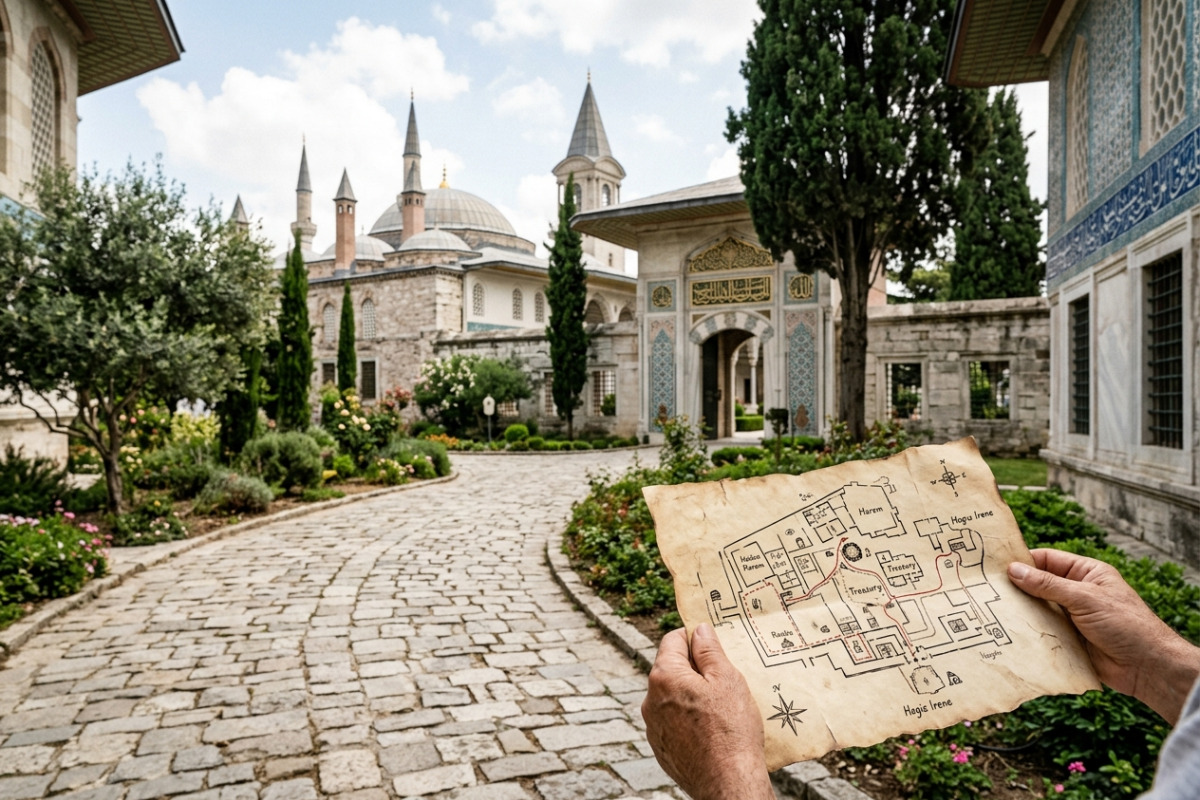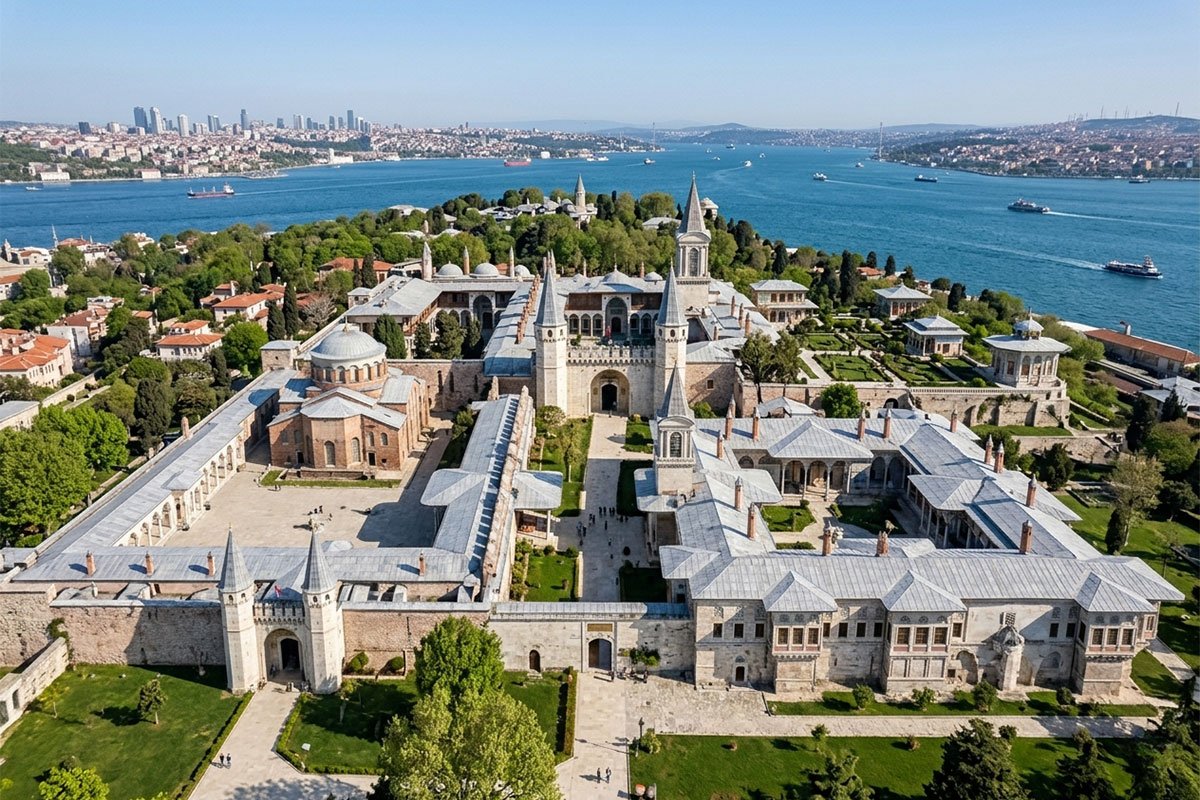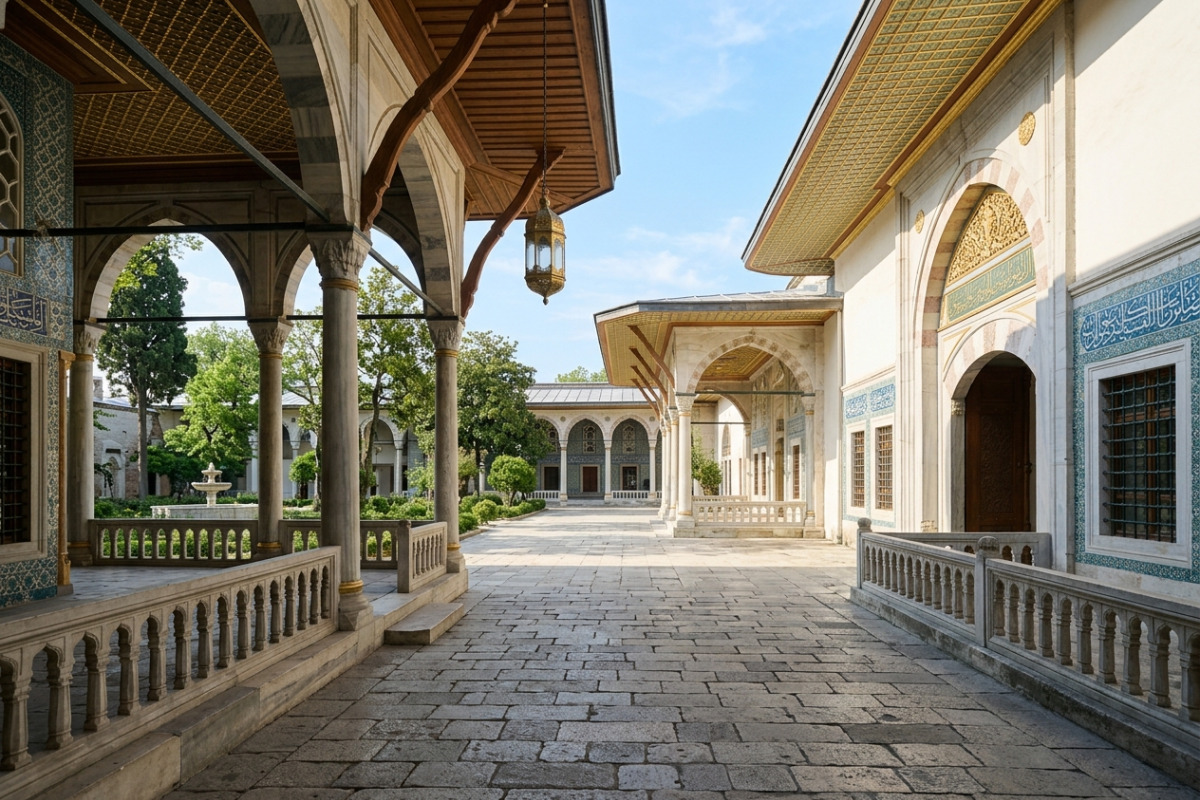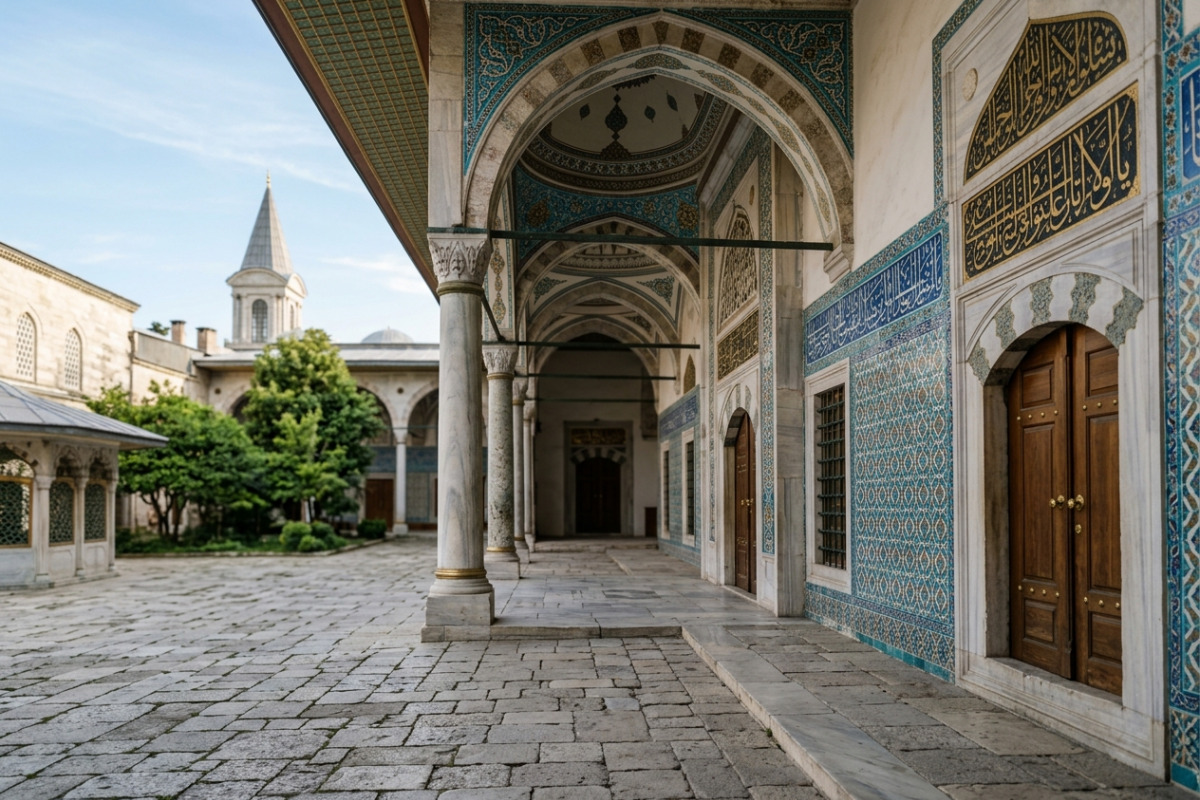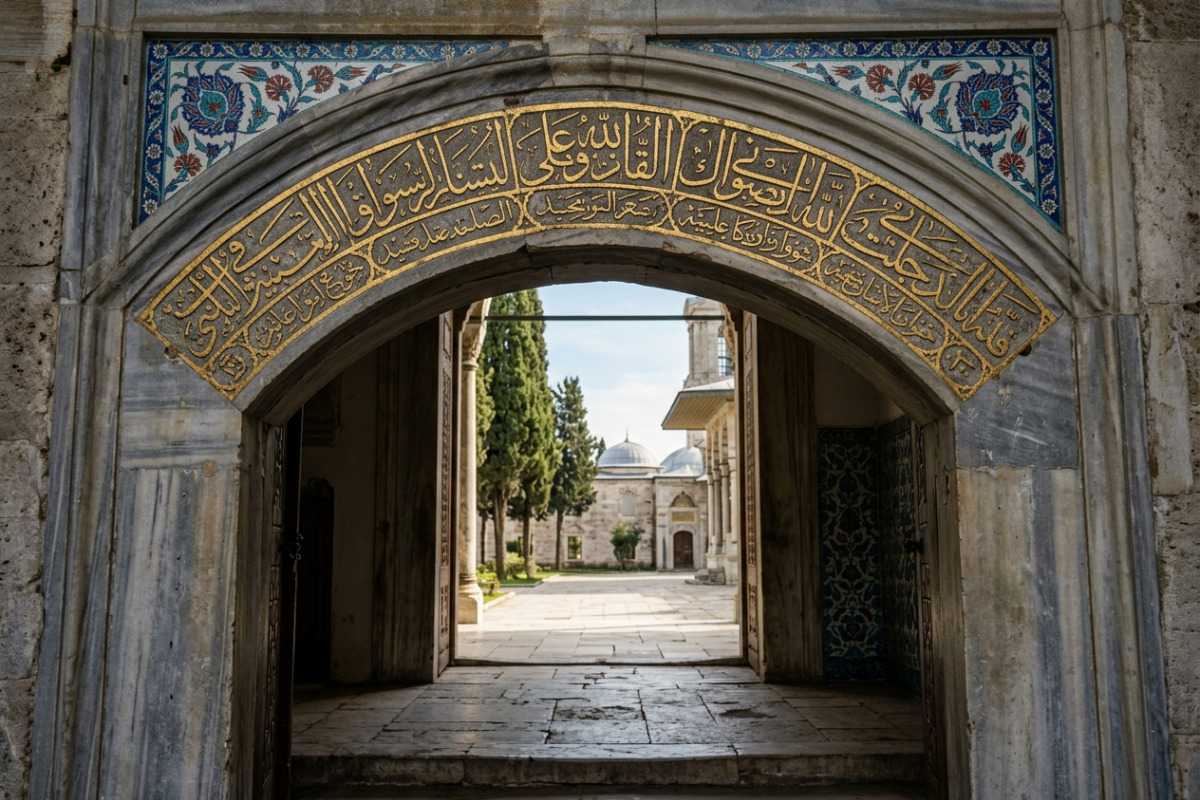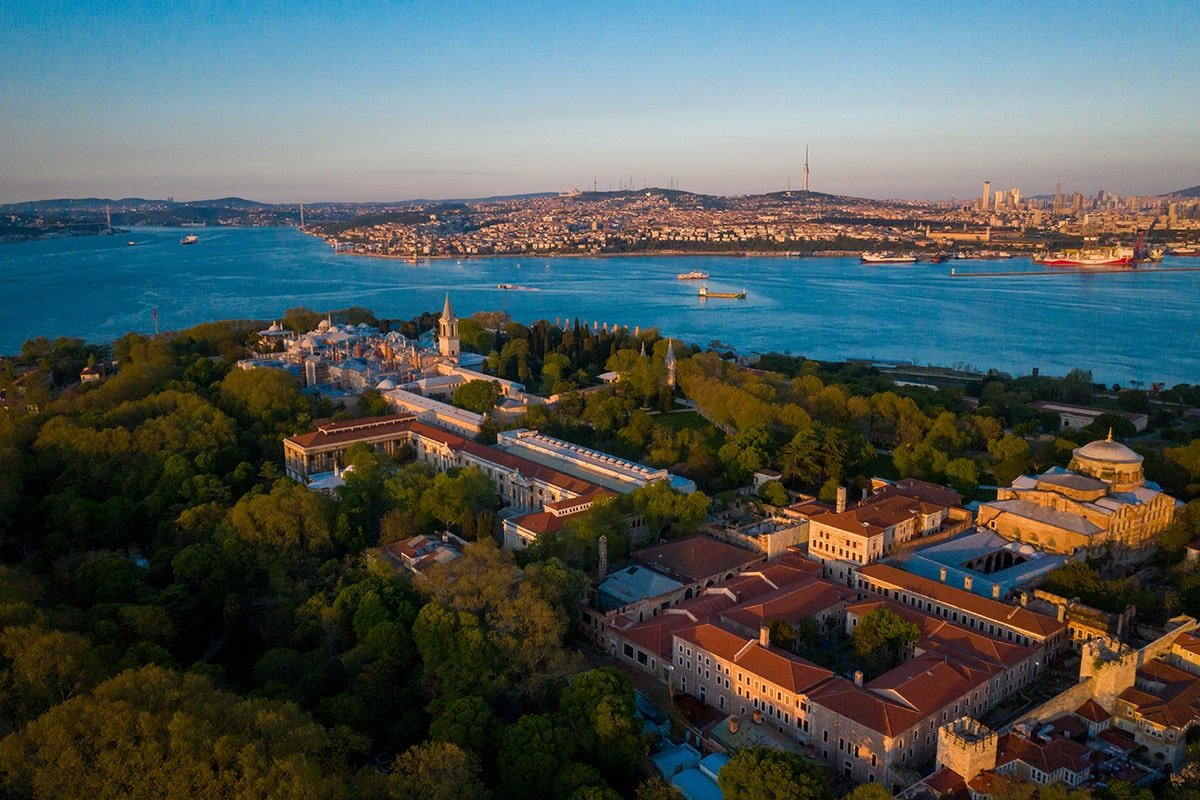
Topkapi Palace stands as the crowning jewel of Istanbul’s historical peninsula, but it is only the starting point of a much larger cultural narrative. The surrounding Sultanahmet district is a dense concentration of UNESCO World Heritage sites, former imperial residences, and subterranean wonders. For any traveler visiting the palace, the challenge isn’t finding something to see next—it’s choosing which world-class museum to prioritize. This guide provides an in-depth look at the best museums near Topkapi Palace, offering the logistical details and historical context needed to navigate Istanbul’s most iconic neighborhood like an expert.
1. Istanbul Archaeological Museums: A Triple Threat of History
Located immediately adjacent to the first courtyard of Topkapi Palace, the Istanbul Archaeological Museums complex is one of the most significant institutions of its kind in the world. It is not just one museum, but three distinct sections: the Archaeological Museum (main building), the Museum of the Ancient Orient, and the Tiled Pavilion.
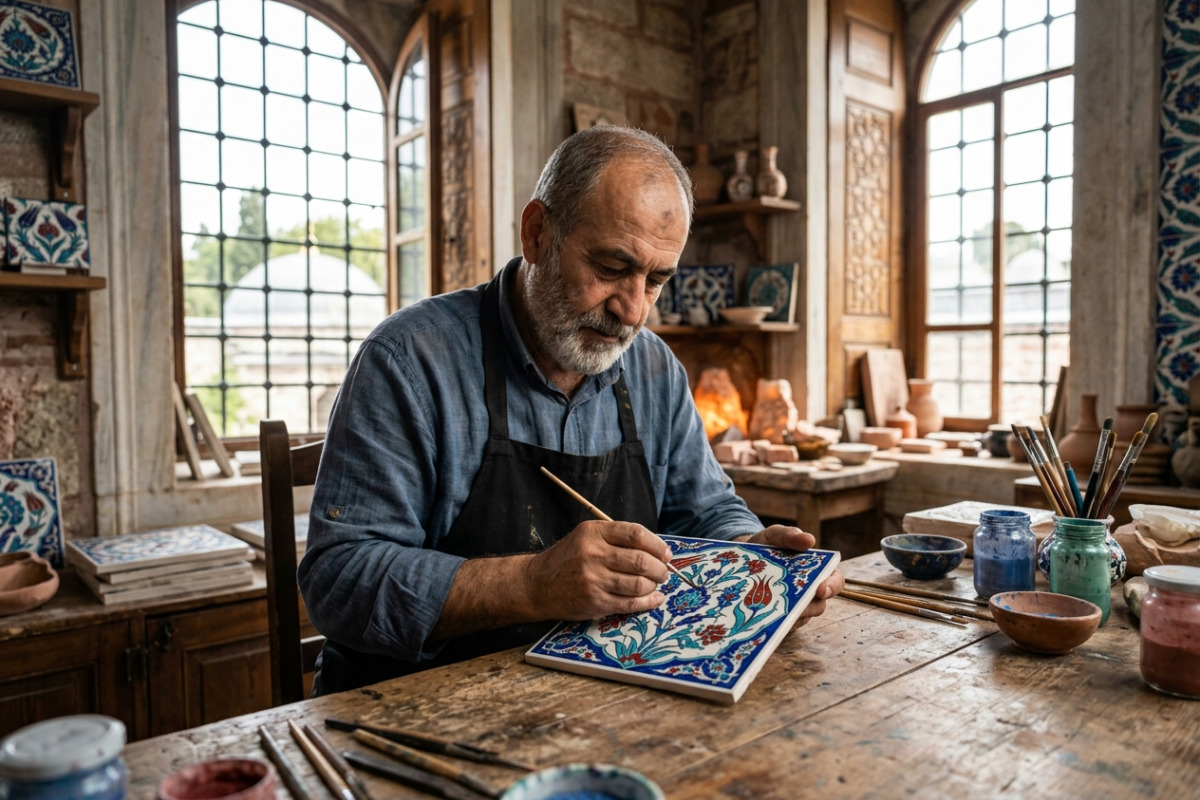
The main building houses the world-renowned Alexander Sarcophagus, which, despite its name, belonged to Abdalonymus, the King of Sidon. The detail of the Hellenistic carvings is breathtaking. Nearby, you can find the Treaty of Kadesh—the oldest known peace treaty in history, dating back to the 13th century BC between the Hittites and the Egyptians. The Museum of the Ancient Orient contains a massive collection of pre-Islamic artifacts from the Ottoman Empire's former territories, including the Ishtar Gate's glazed brick panels from Babylon. Finally, the Tiled Pavilion (Çinili Köşk) is a masterpiece of early Ottoman architecture, showcasing exquisite Iznik ceramics and tiles.
Pro Tip: Give yourself at least 2-3 hours here. The museum was founded by the legendary Ottoman painter and archaeologist Osman Hamdi Bey, and his influence is felt throughout the neoclassical galleries.
2. Hagia Sophia: The Eternal Monument
Situated just a few hundred meters from the palace gates, Hagia Sophia (Ayasofya) is perhaps the most architecturally significant building in the world. Originally commissioned by Emperor Justinian I in 537 AD, it served as the largest cathedral in Christendom for nearly a millennium before being converted into a mosque following the Ottoman conquest in 1453.
As of 2024, Hagia Sophia operates with a dual-purpose management plan. While the ground floor is reserved for worship, international visitors can access the upper gallery via a separate entrance. This gallery offers the best vantage point to appreciate the massive dome, which seems to float on light, and the intricate Byzantine mosaics that were meticulously uncovered during the 20th century. Look specifically for the Deësis mosaic, widely considered one of the finest examples of Byzantine art. The juxtaposition of Islamic calligraphy discs and Christian iconography makes this a living museum of human history.
3. The Basilica Cistern: Istanbul’s Sunken Palace
A short five-minute walk from the palace leads you to the Basilica Cistern (Yerebatan Sarnıcı). Built in the 6th century during the reign of Emperor Justinian, this subterranean reservoir once held 80,000 cubic meters of water for the Great Palace of Constantinople and later Topkapi Palace.
Following a massive restoration completed in 2022, the cistern now features modern art installations and a high-tech lighting system that accentuates the forest of 336 marble columns. The most famous features are the two Medusa heads used as column bases at the far corner of the cistern. Their origins remain a mystery, though they are believed to have been repurposed from a Roman-era building. The atmosphere is cool, damp, and hauntingly beautiful—a stark contrast to the bustling streets of Sultanahmet above.
4. Turkish and Islamic Arts Museum
Located in the 16th-century palace of Pargalı Ibrahim Pasha, the Grand Vizier of Suleiman the Magnificent, the Turkish and Islamic Arts Museum is a masterclass in curation. Situated directly across from the Hippodrome, it offers a deep dive into the artistic evolution of the Islamic world.
The museum is world-famous for its carpet collection, often cited as the best in the world. It includes rare Seljuk-era carpets from the 13th century and massive Holbein and Lotto carpets from the Ottoman era. Beyond textiles, the museum houses a vast collection of illuminated manuscripts, wood carvings, and ethnographic displays that recreate traditional Turkish life across different centuries and social classes. The courtyard of the palace also offers one of the best views of the Blue Mosque’s minarets.
5. Museum of the History of Science and Technology in Islam
Often overlooked by the crowds, this museum is located within the lush grounds of Gülhane Park, which was once the outer garden of Topkapi Palace. The Museum of the History of Science and Technology in Islam is essential for understanding the Golden Age of Islam (9th to 16th centuries).
The museum showcases replicas of inventions by Islamic scholars in fields such as astronomy, geography, chemistry, and optics. Highlights include a massive reconstruction of an 8th-century world map commissioned by Caliph al-Ma'mun and an elephant clock designed by al-Jazari. It is an excellent educational stop, particularly for families, as it highlights how these historical innovations laid the groundwork for modern Western science.
6. The Great Palace Mosaics Museum
Tucked away behind the Arasta Bazaar, the Great Palace Mosaics Museum preserves a section of the floor mosaics that once decorated the peristyle courtyard of the Great Palace of Constantinople. Unlike the religious iconography of Hagia Sophia, these mosaics depict scenes of daily life, nature, and mythology. You’ll see images of hunters, playing children, and exotic animals. The level of craftsmanship and the vibrant colors of the stone tesserae provide a rare glimpse into the secular luxury of the Byzantine emperors.
Practical Logistics for Your Visit
Planning a day around Topkapi Palace requires a bit of strategy to avoid the longest queues and maximize your time:
- Walking Times: All the museums mentioned are within a 5-to-10-minute walk of each other. The Archaeological Museum is practically inside the palace grounds, while the Basilica Cistern and Hagia Sophia are just across the square.
- The Museum Pass Istanbul: If you plan on visiting at least three of these sites (Topkapi, Archaeological Museums, and Turkish and Islamic Arts Museum), the Museum Pass Istanbul is highly recommended. It saves money and allows you to bypass the ticket lines at participating locations.
- Timing: Arrive at Topkapi Palace or Hagia Sophia right at opening (usually 09:00). The Basilica Cistern is a great option for midday when you want to escape the sun, as it stays naturally cool.
- Dress Code: Remember that Hagia Sophia is an active mosque. Women must cover their heads, and both men and women should have their shoulders and knees covered.
Conclusion
The area surrounding Topkapi Palace is the historical heart of Istanbul, where every street corner reveals a new layer of the city’s Greek, Roman, Byzantine, and Ottoman past. By expanding your itinerary to include the Archaeological Museums, the Basilica Cistern, and the specialized art museums nearby, you gain a far more nuanced understanding of how Istanbul became the bridge between East and West. Whether you are marvelling at the sarcophagi of kings or wandering through a forest of underground columns, these museums ensure your visit to Sultanahmet is a truly immersive journey through time.