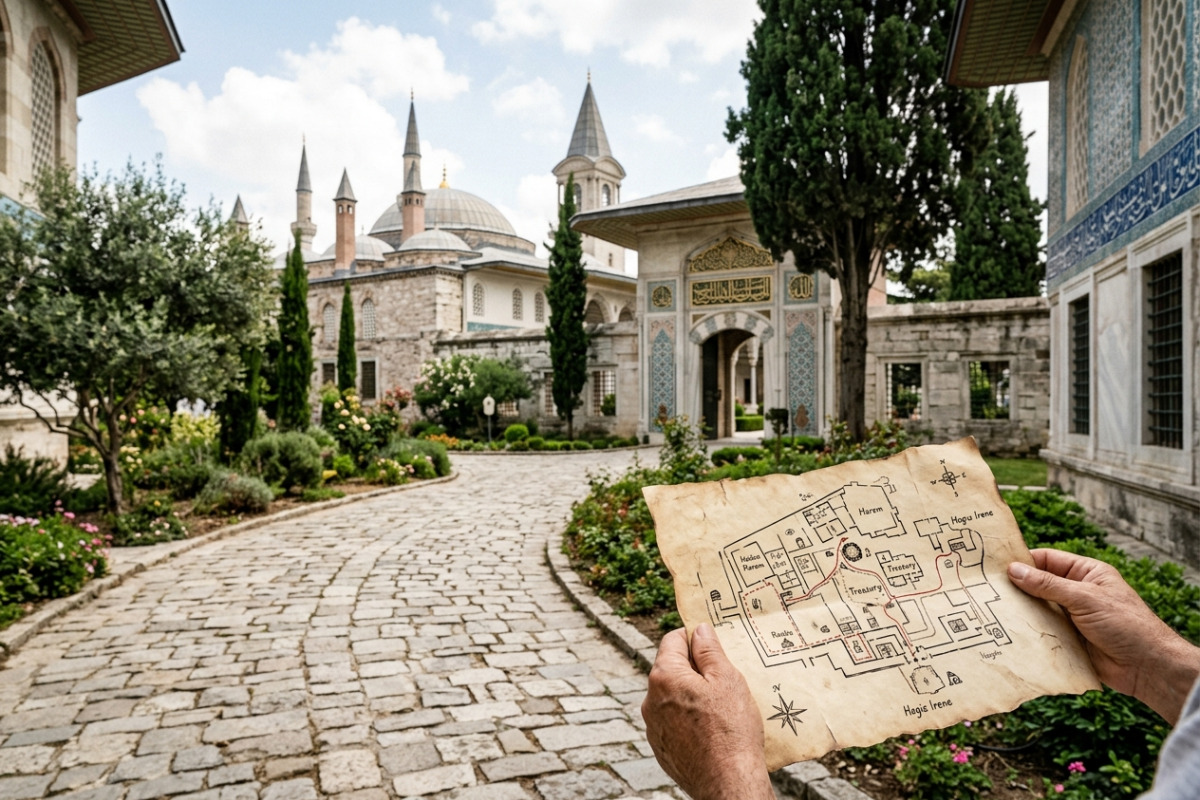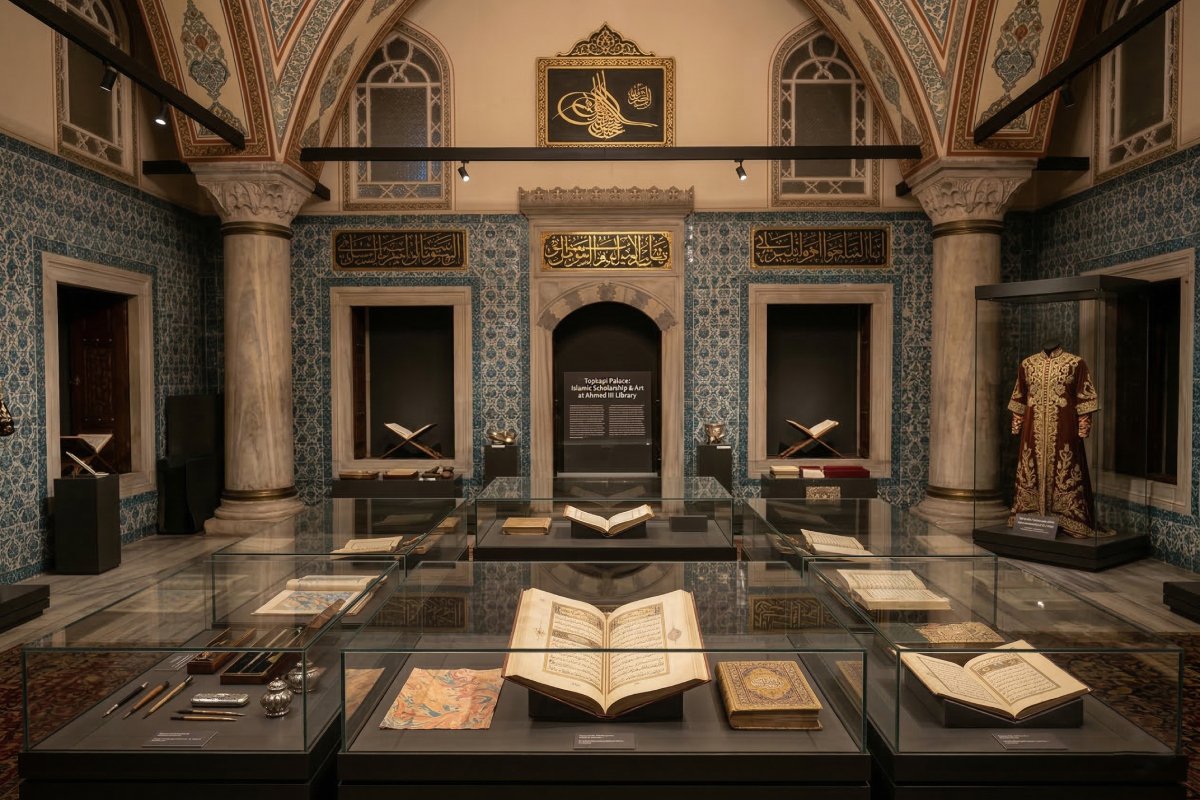
Topkapi Palace, more than just a former residence of Ottoman sultans, stands as a testament to the empire's dedication to intellectual pursuits and artistic expression. While the opulent Harem and the imposing Imperial Council (Divan) often steal the spotlight, the palace also housed spaces dedicated to learning, preservation, and artistic creation. This legacy is beautifully exemplified by the Library of Ahmed III, a treasure trove of Islamic scholarship and art that offers a fascinating glimpse into the Ottoman world.
The Library of Ahmed III: A Jewel Within Topkapi Palace
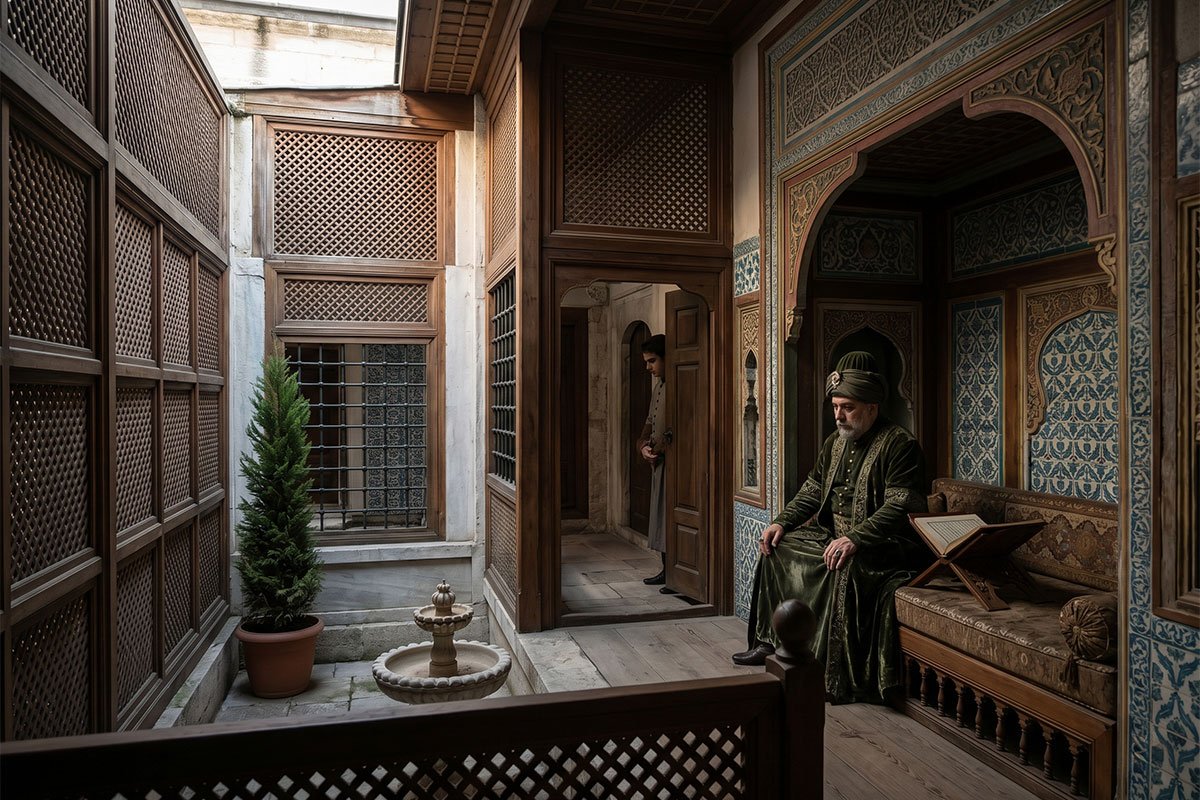
Commissioned by Sultan Ahmed III in the early 18th century, the Library of Ahmed III is a stunning example of Ottoman architecture and design. Located within the Third Court of Topkapi Palace, near the Conqueror’s Pavilion, the library was built to house and preserve the palace's extensive collection of manuscripts, books, and works of art. Its elegant facade, intricate tilework, and serene atmosphere reflect the importance placed on knowledge and artistic creation within the Ottoman court. It is a must-see for anyone interested in Ottoman history and art. Before your visit, be sure to check the FAQ page for helpful information.
A Sanctuary of Knowledge
The library's collection is a testament to the Ottoman Empire's vast intellectual reach. It includes:
- Islamic Manuscripts: The library boasts a remarkable collection of Qurans, religious texts, and commentaries, many adorned with exquisite calligraphy and illumination.
- Scientific Works: Manuscripts on astronomy, mathematics, medicine, and other sciences showcase the Ottoman Empire's contributions to these fields.
- Historical Chronicles: Detailed accounts of Ottoman history, biographies of important figures, and records of significant events provide invaluable insights into the empire's past.
- Literary Masterpieces: The library houses a diverse collection of poetry, prose, and literary works in Arabic, Persian, and Turkish, reflecting the rich cultural heritage of the Ottoman world.
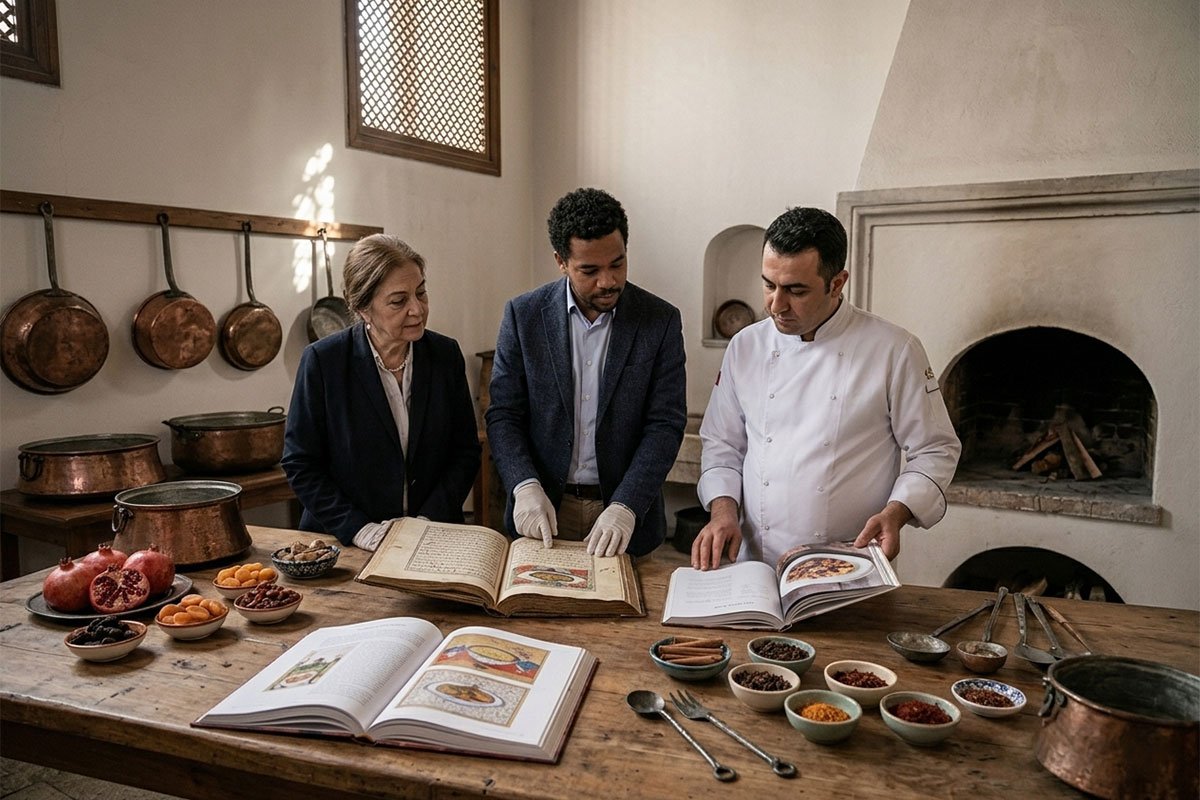
The careful preservation of these manuscripts demonstrates the Ottoman sultans' commitment to preserving knowledge and fostering intellectual growth. These texts offer a window into the intellectual climate of the Ottoman era, revealing the empire's engagement with both Eastern and Western thought.
Calligraphy and Illumination: Art in Every Page
Beyond the content of the manuscripts, the Library of Ahmed III is renowned for the artistic quality of its collection. Ottoman calligraphers and illuminators were masters of their craft, and their work is on full display within the library's holdings. The intricate calligraphy, vibrant colors, and delicate details of the miniature paintings transform each manuscript into a work of art. These artistic elements not only enhanced the beauty of the texts but also served to elevate their status and importance.
Examples of artistic brilliance found within the library include:
- Elaborate Calligraphy: Different calligraphic styles were used to create visually stunning pages, showcasing the skill and artistry of Ottoman calligraphers.
- Intricate Illumination: Gold leaf and vibrant pigments were used to create elaborate borders, headpieces, and other decorative elements, adding a touch of luxury and elegance to the manuscripts.
- Miniature Paintings: Detailed miniature paintings depict scenes from history, literature, and daily life, providing valuable insights into Ottoman culture and society.
To further appreciate the artistry of the Ottoman Empire, a visit to the Sacred Relics & Treasury is highly recommended. Here, you can witness the exquisite craftsmanship applied to objects of religious and historical significance.
The Library's Architecture and Design
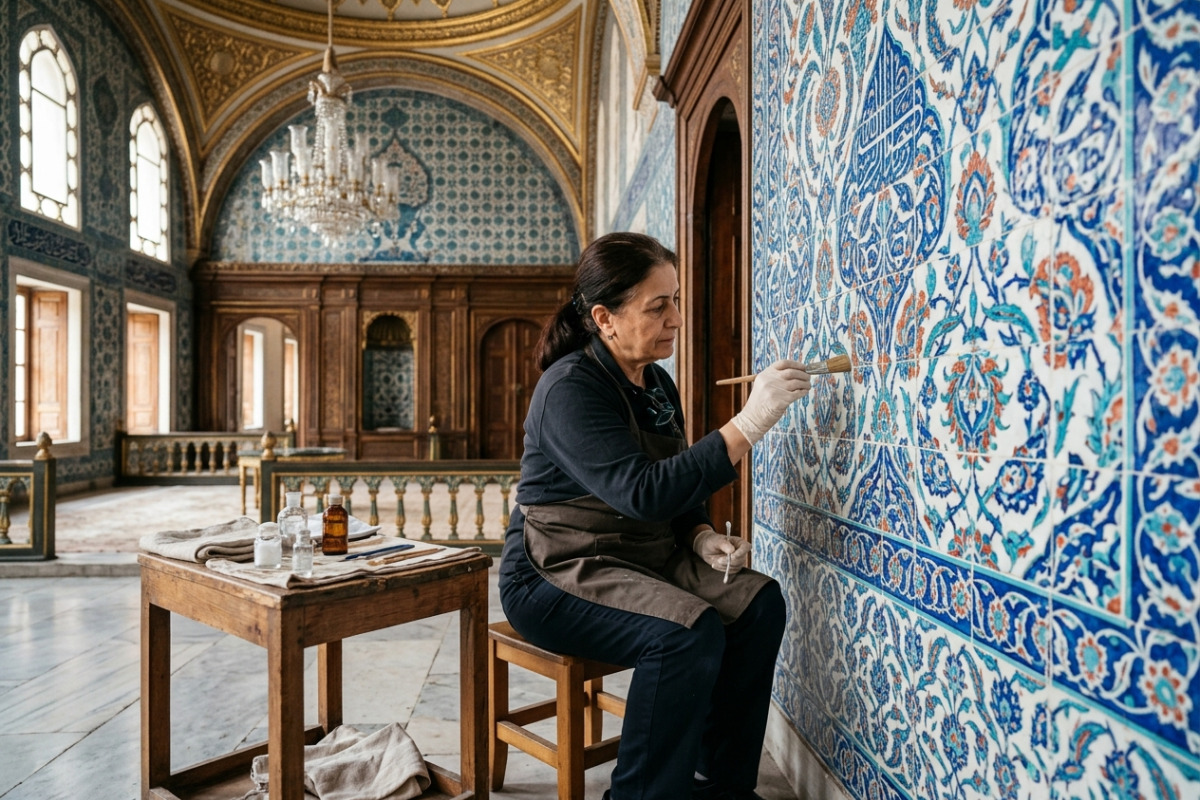
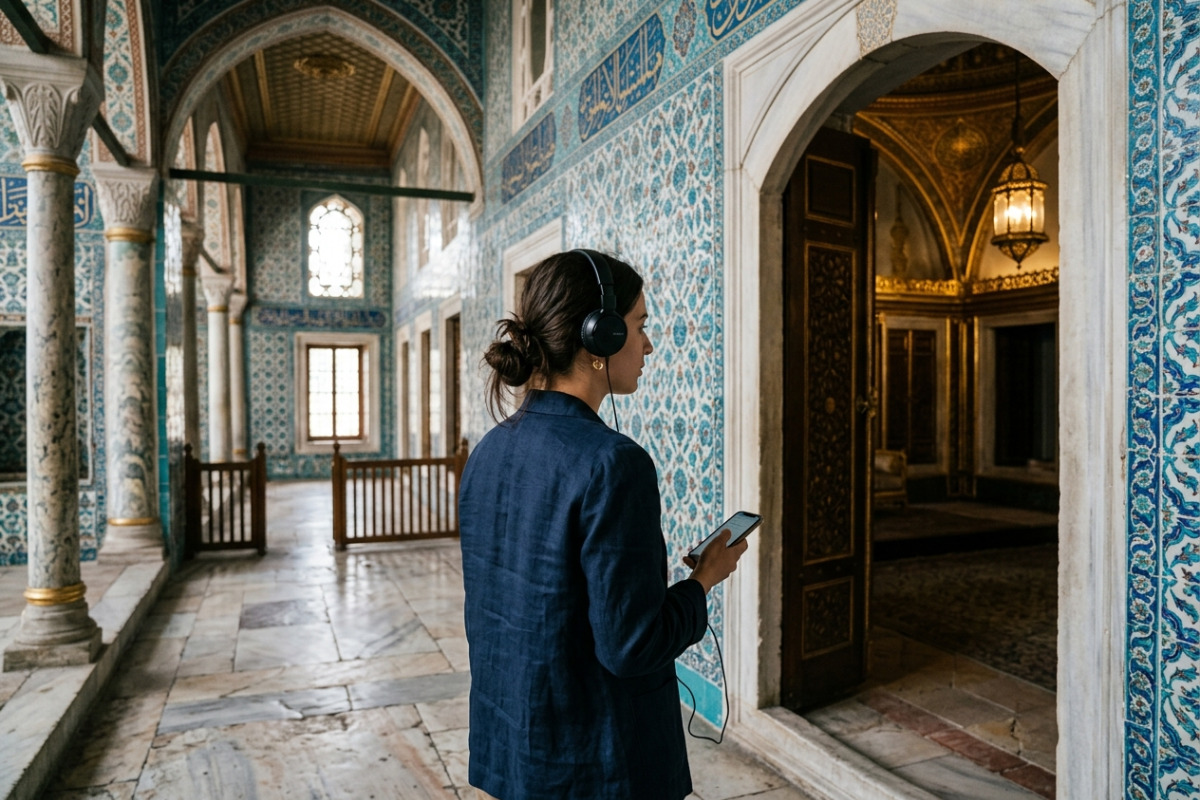
The Library of Ahmed III is not only a repository of knowledge but also a masterpiece of Ottoman architecture. The building's design reflects a blend of Ottoman and European influences, showcasing the empire's openness to new ideas and styles. The library's exterior is adorned with intricate tilework, while the interior features a spacious reading room with high ceilings and ample natural light. The careful attention to detail and the use of high-quality materials demonstrate the importance placed on this institution.
Visiting Topkapi Palace and the Library of Ahmed III
A visit to Topkapi Palace is a journey through Ottoman history and culture. To make the most of your experience, consider purchasing Skip-the-Line Tickets to avoid long queues, especially during peak season. Allow ample time to explore the palace's many sections, including the Topkapi Palace Kitchen and the serene Topkapi Palace Gardens. Remember to check Visiting Information before your trip.
Preserving the Legacy
Today, the Library of Ahmed III continues to serve as a valuable resource for scholars and researchers. The Turkish government is committed to preserving and protecting this important cultural heritage site, ensuring that future generations can appreciate the intellectual and artistic achievements of the Ottoman Empire. The library stands as a reminder of the importance of knowledge, art, and cultural exchange in shaping the world we live in.