Topkapi Palace, a sprawling complex that served as the Ottoman sultans' residence for centuries, is a treasure trove of history and architectural splendor. While the Harem often steals the spotlight, the palace holds so much more. Many visitors, drawn by the allure of the Harem and the glittering Treasury, miss the serene beauty and historical significance of its hidden courtyards and pavilions. Step away from the well-trodden paths and discover the lesser-known gems that offer a deeper understanding of Ottoman life and art.
The Allure of the Courtyards: A Journey Through Time
Topkapi Palace is structured around a series of four main courtyards, each serving a distinct purpose and reflecting different aspects of Ottoman court life. While the First and Second Courtyards are relatively well-known, the Third and Fourth Courtyards offer a more intimate glimpse into the sultan's world.
The Third Courtyard: The Sultan's Private Realm
Accessed through the Gate of Felicity (Bab-üs Saadet), the Third Courtyard was the inner sanctum of the palace, reserved for the sultan and his immediate circle. Here, you'll find:
- The Hall of the Privy Chamber (Has Oda): This exquisitely decorated hall housed the sultan's most trusted advisors and served as a place for important meetings and ceremonies.
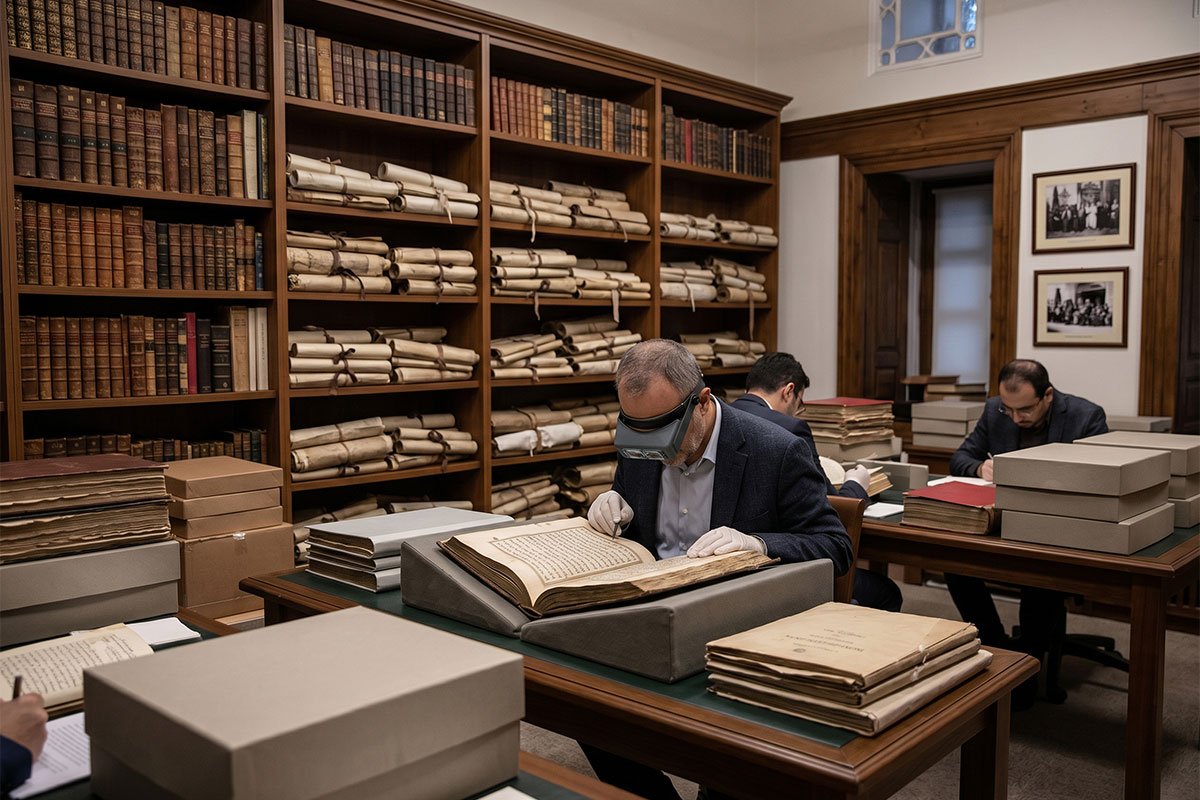
- The Library of Ahmed III: A stunning example of Ottoman Rococo architecture, the library is filled with precious manuscripts and books, reflecting the sultan's intellectual pursuits.
- The Sacred Relics Chamber: Home to a collection of incredibly important Islamic artifacts, including the Prophet Muhammad's cloak and sword. Explore the Sacred Relics & Treasury for a spiritual and historical journey.
The Fourth Courtyard: A Garden Paradise
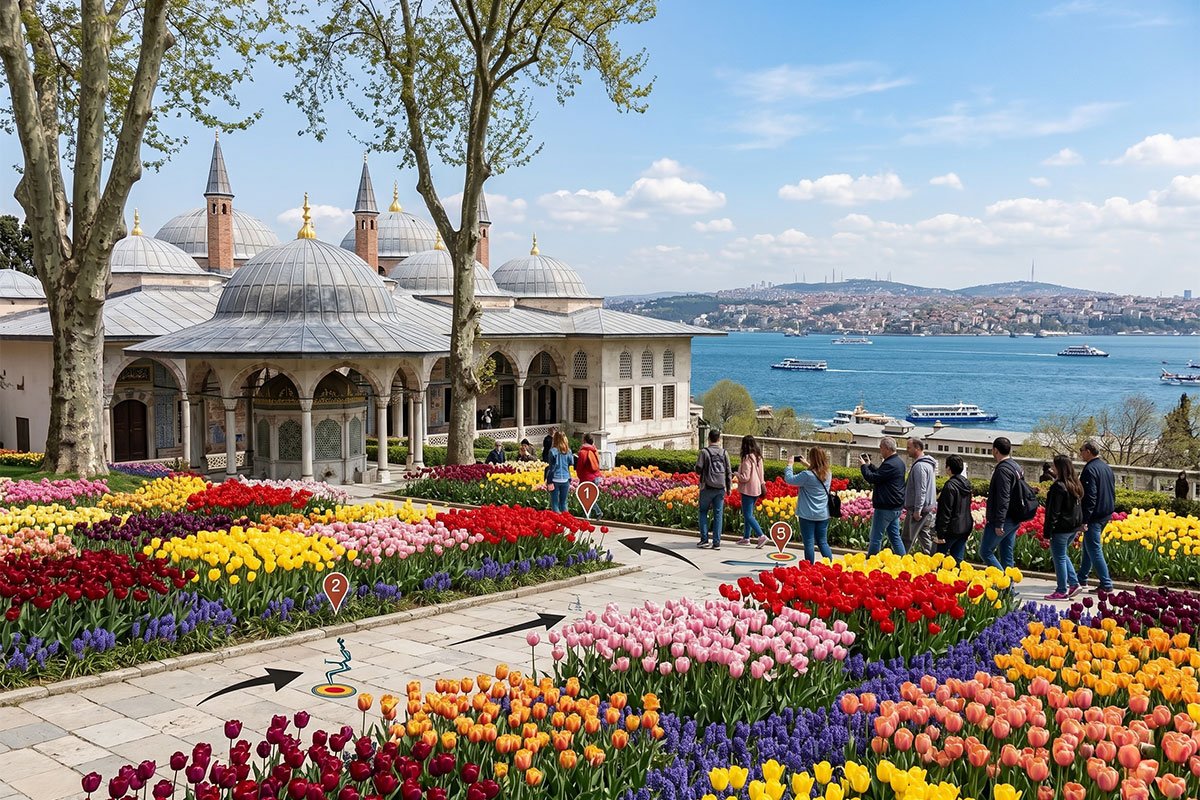
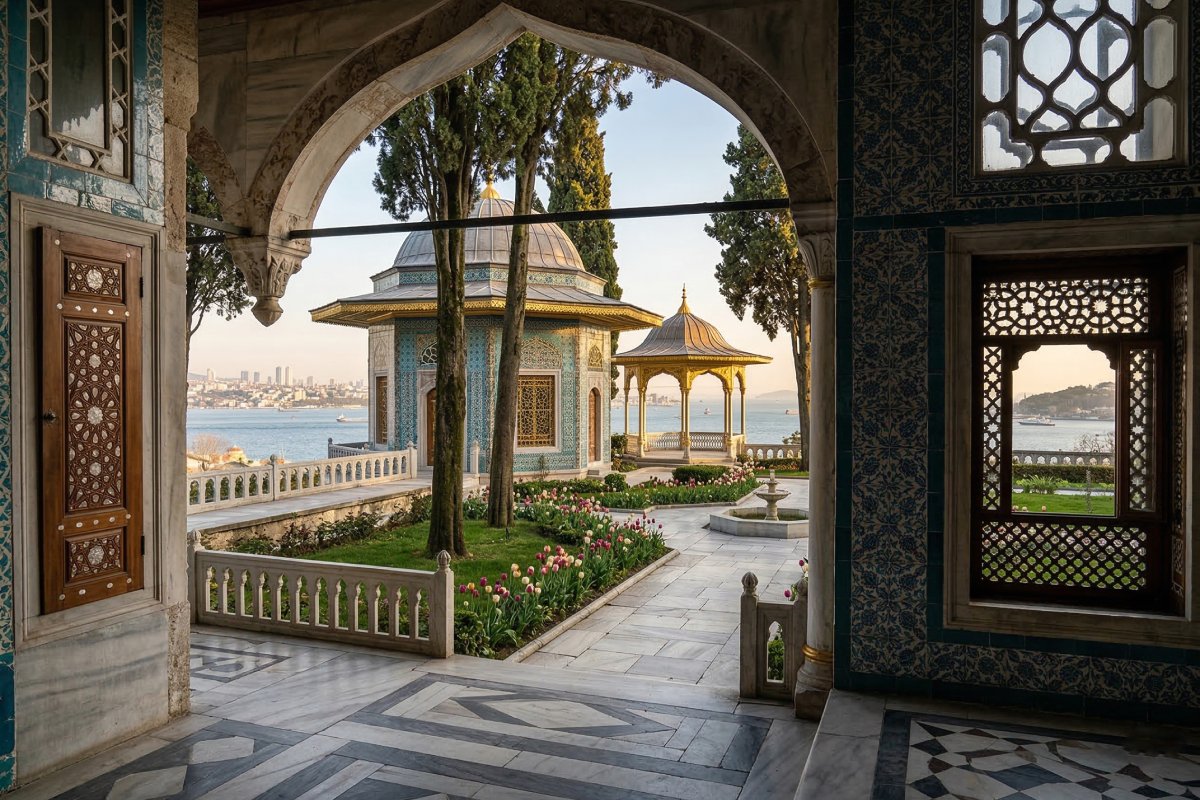
The Fourth Courtyard, also known as the Tulip Garden, is a haven of tranquility, offering breathtaking views of the Bosphorus and the Golden Horn. This courtyard is home to several exquisite pavilions, each with its own unique character and purpose. Visiting the Topkapi Palace Gardens is a must!
Pavilions of Splendor: Architectural Masterpieces
The pavilions within the Fourth Courtyard are architectural masterpieces, showcasing the opulence and artistic refinement of the Ottoman court. Some of the most notable include:
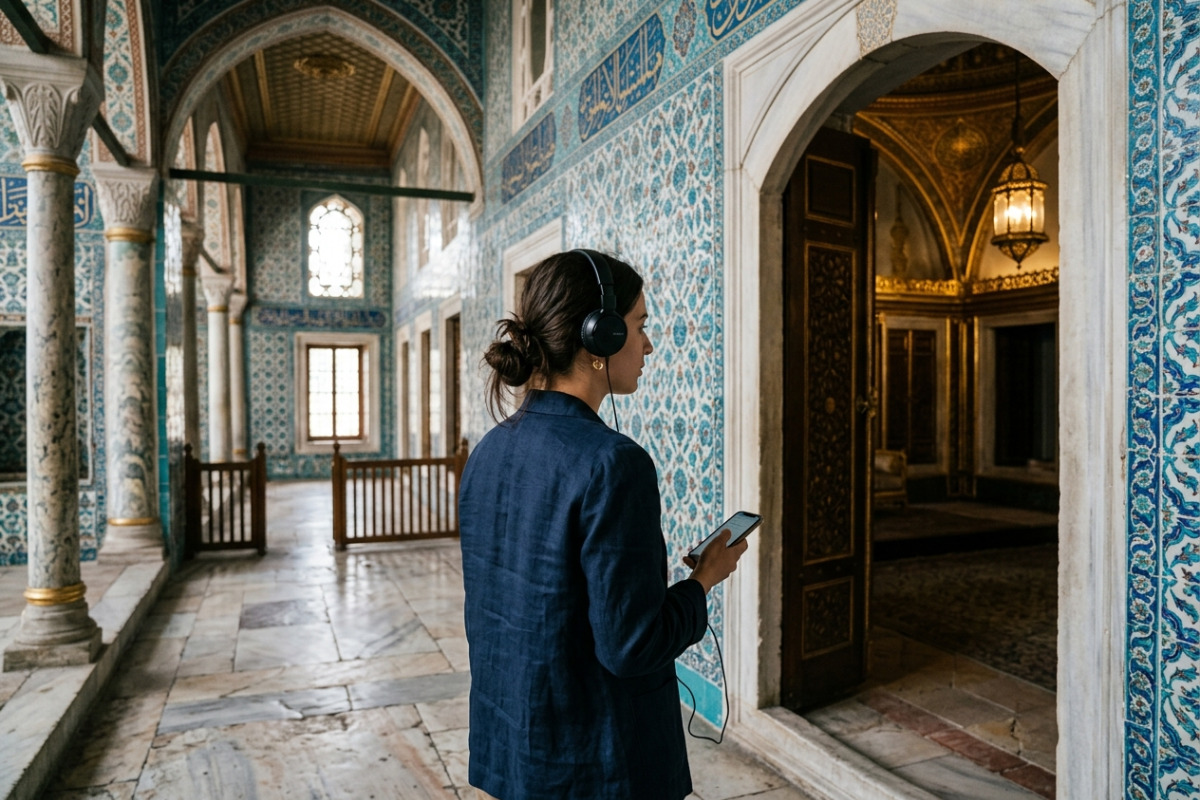
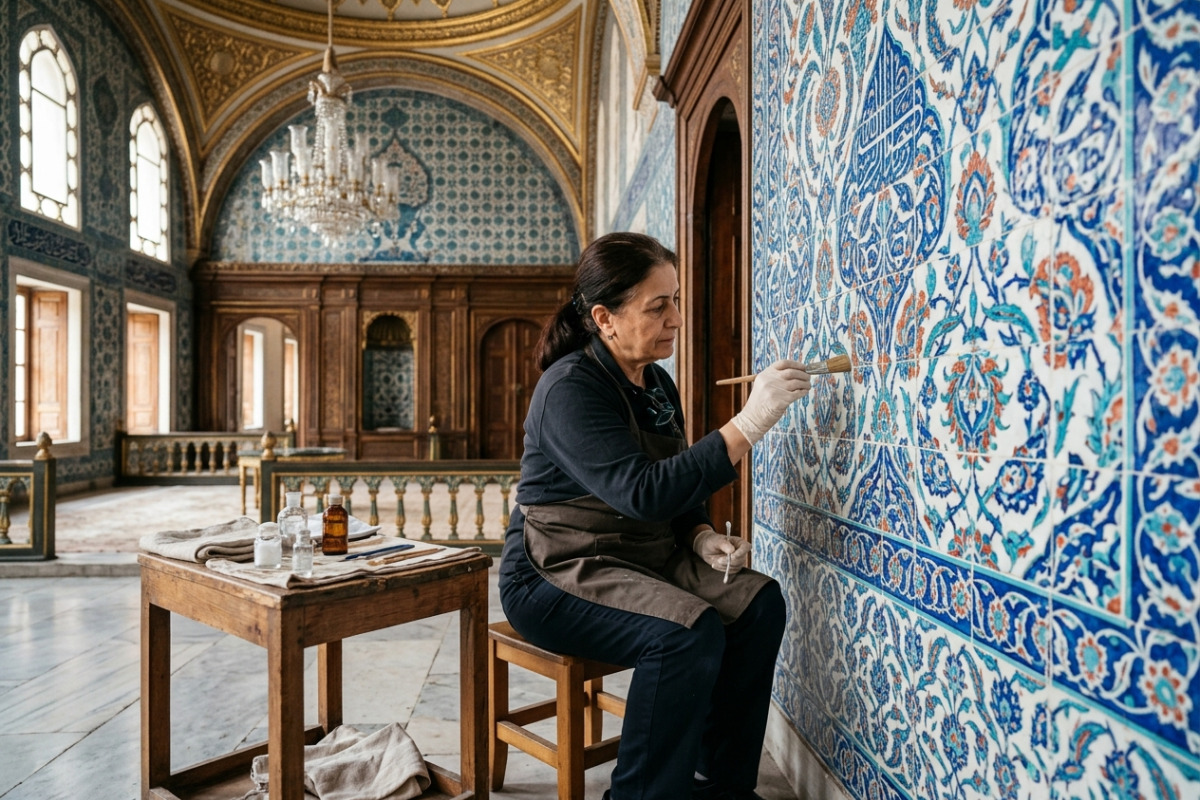
- The Baghdad Kiosk: Built to commemorate Sultan Murad IV's victory in Baghdad, this pavilion is renowned for its intricate tilework, particularly the vibrant blue Iznik tiles that adorn its interior. The kiosk also features a stunning dome and a beautifully decorated fireplace, making it a prime example of Ottoman architectural prowess.
- The Revan Kiosk: Another victory monument, the Revan Kiosk boasts beautiful Iznik tiles and a serene atmosphere. Constructed to celebrate Sultan Murad IV's conquest of Yerevan (Revan), this kiosk served as a retreat for the sultan and his close associates. Its design emphasizes simplicity and elegance, creating a peaceful ambiance for contemplation.
- The Circumcision Kiosk: A small but exquisitely decorated pavilion, used for the circumcision ceremonies of the sultan's sons. Adorned with intricate mother-of-pearl inlays and delicate carvings, this kiosk reflects the importance of these ceremonies in Ottoman tradition. Its intimate size and ornate details make it a captivating example of Ottoman craftsmanship.
- The Grand Kiosk (Mecidiye Kiosk): The largest pavilion in the Fourth Courtyard, offering panoramic views and a glimpse into the opulent lifestyle of the sultans. Commissioned by Sultan Abdülmecid, this kiosk blends Ottoman and European architectural styles, reflecting the changing tastes of the era. Its spacious interior and elaborate decorations showcase the grandeur and sophistication of the late Ottoman period.
Beyond the Harem Walls
While the Harem offers a fascinating insight into the lives of the sultan's family, it's important to remember that Topkapi Palace was also the center of Ottoman governance. Exploring the Imperial Council (Divan) provides valuable context on the political and administrative functions of the palace. The Topkapi Palace Kitchen also offers a glimpse into the culinary world of the Ottoman court.
Planning Your Visit: Tips for a Deeper Exploration
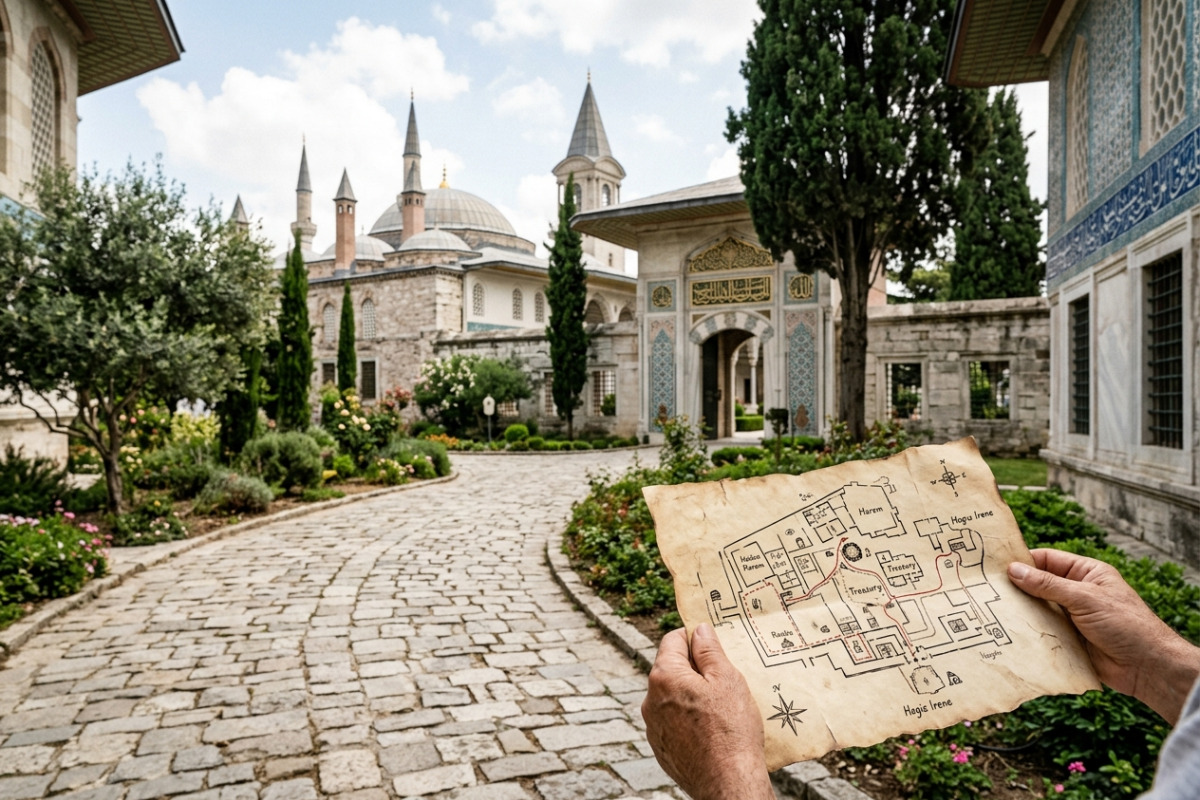
To fully appreciate the hidden courtyards and pavilions of Topkapi Palace, consider these tips:
- Allocate ample time: Don't rush your visit. Dedicate at least half a day to explore the palace complex thoroughly.
- Consider a guided tour: A knowledgeable guide can provide valuable insights into the history and significance of the various sections of the palace.
- Visit during off-peak hours: To avoid crowds, try visiting early in the morning or later in the afternoon.
- Wear comfortable shoes: You'll be doing a lot of walking, so comfortable shoes are essential.
- Check the FAQ: Before you go, check the website for the latest information on opening hours, closures, and other important details.
- Skip the Line: Consider purchasing Skip-the-Line Tickets to maximize your time and avoid long queues.
By venturing beyond the Harem and exploring the hidden courtyards and pavilions of Topkapi Palace, you'll gain a richer and more nuanced understanding of Ottoman history, art, and culture. It's a journey of discovery that will leave you with lasting memories of this magnificent historical site.
Ready to explore Topkapi Palace? Purchase your tickets now and skip the line!
| Section | Description | Key Features |
| Third Courtyard | Sultan's private realm | Hall of the Privy Chamber, Library of Ahmed III, Sacred Relics Chamber |
| Fourth Courtyard | Tranquil garden paradise | Baghdad Kiosk, Revan Kiosk, Circumcision Kiosk, Grand Kiosk |