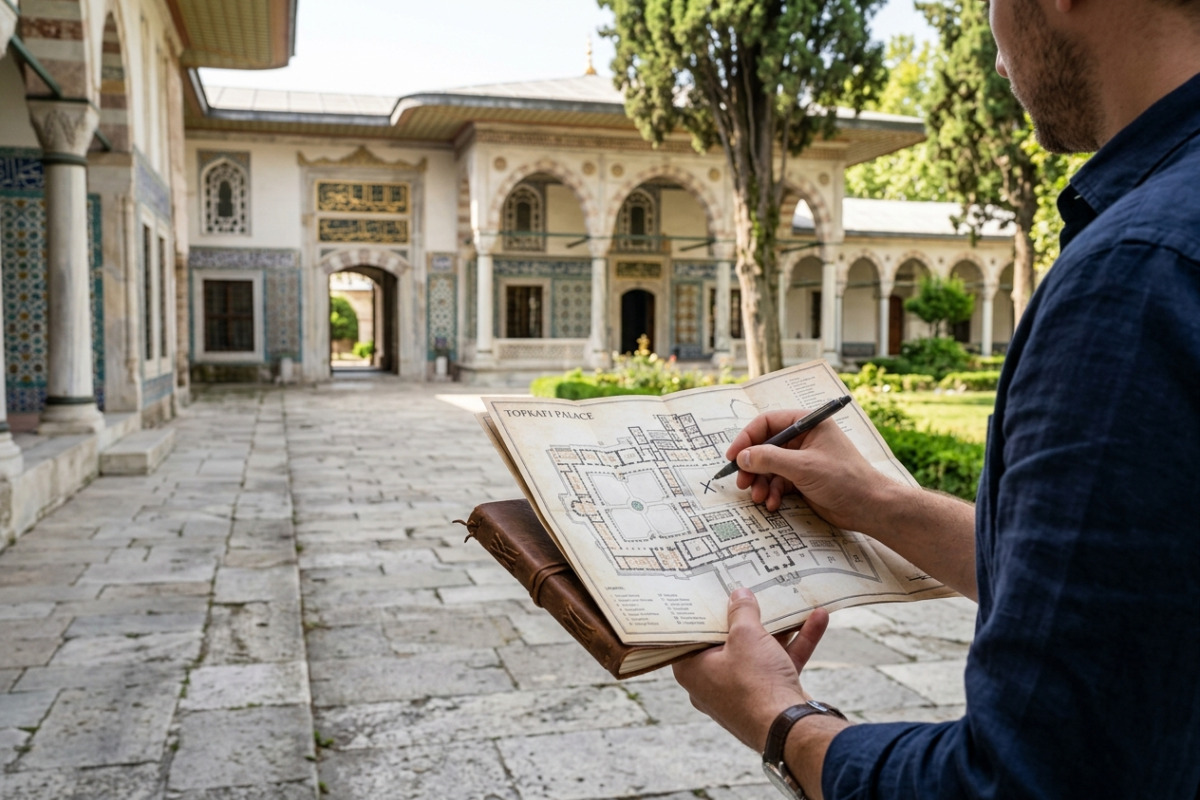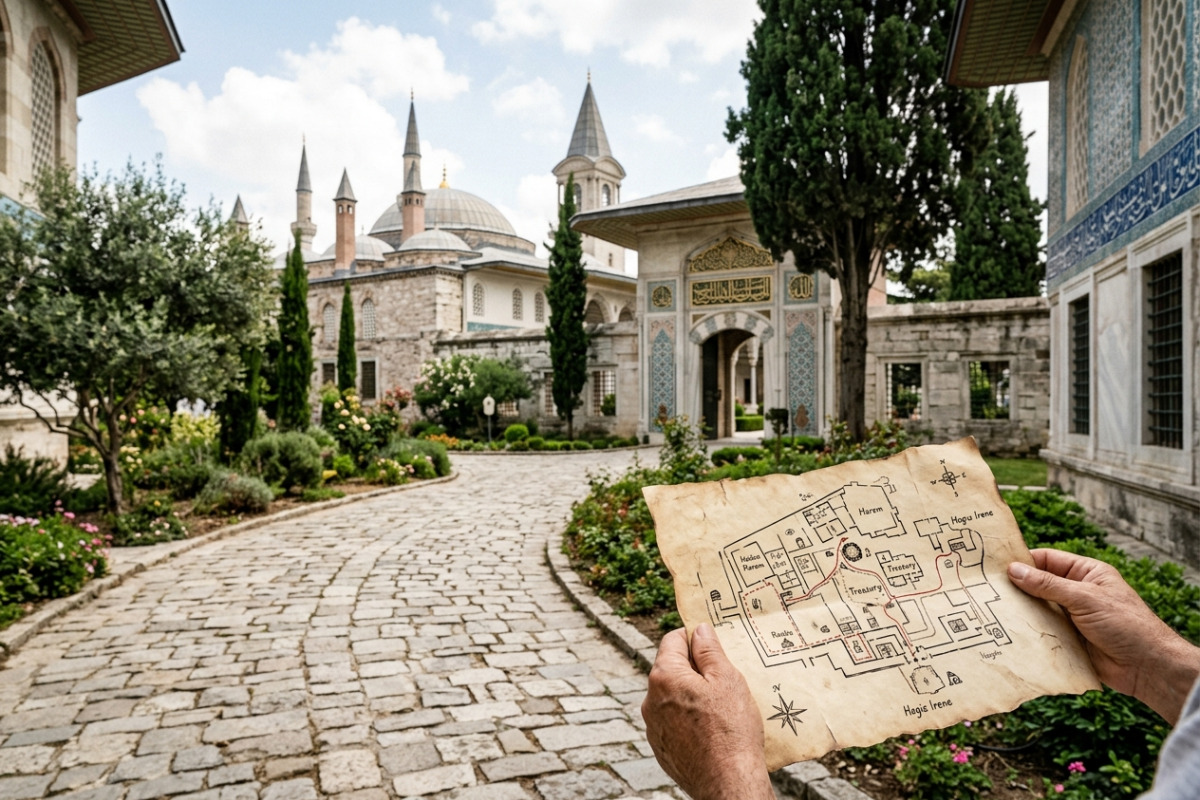
Step back in time and immerse yourself in the opulent world of the Ottoman Empire at Topkapi Palace. More than just a historical site, Topkapi Palace is a treasure trove of symbolism, where every tile, inscription, and architectural detail tells a story. This guide will help you decode the visual language of the palace, enriching your visit and deepening your understanding of Ottoman art and architecture.
The Language of Iznik Tiles
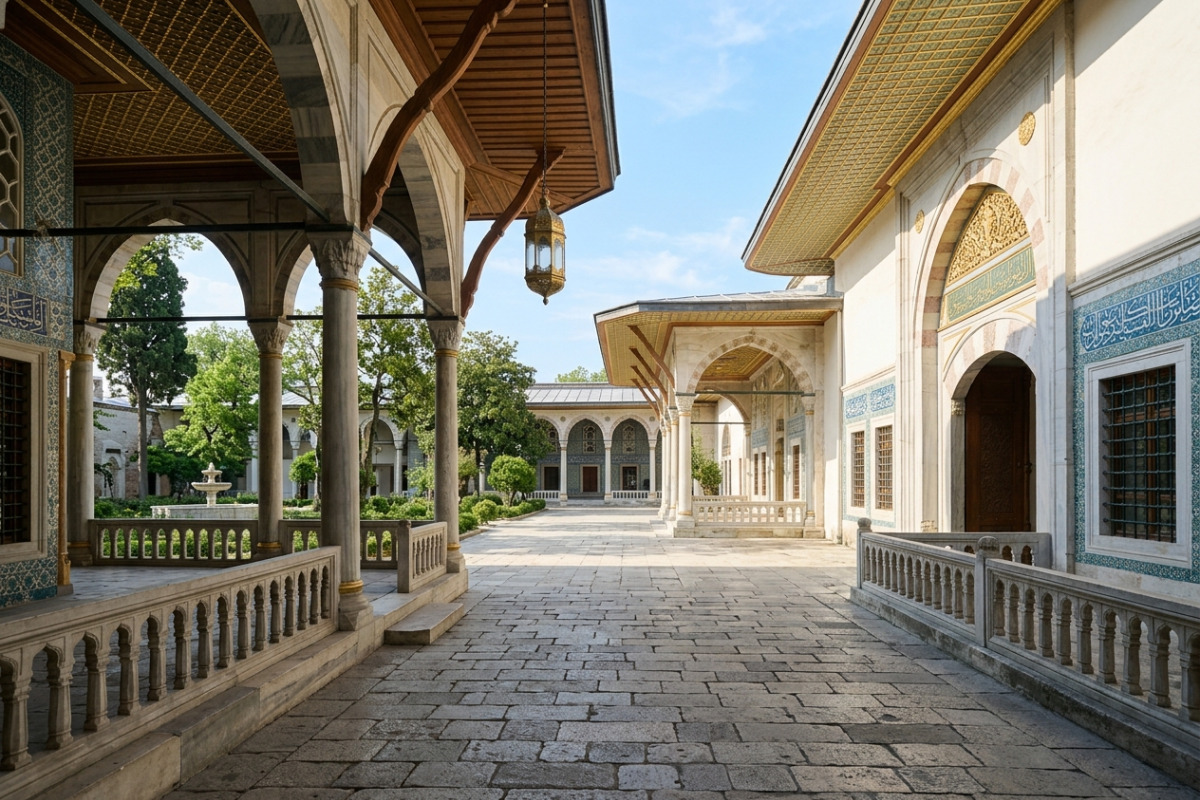
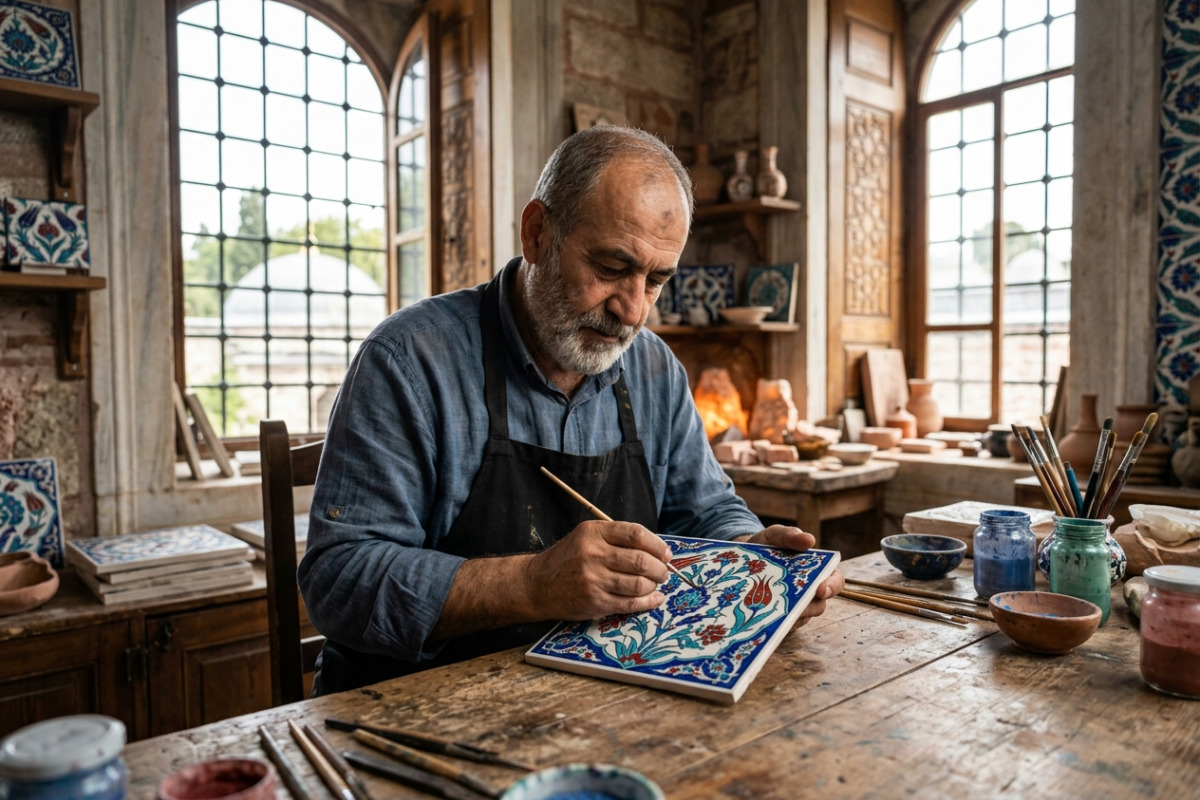
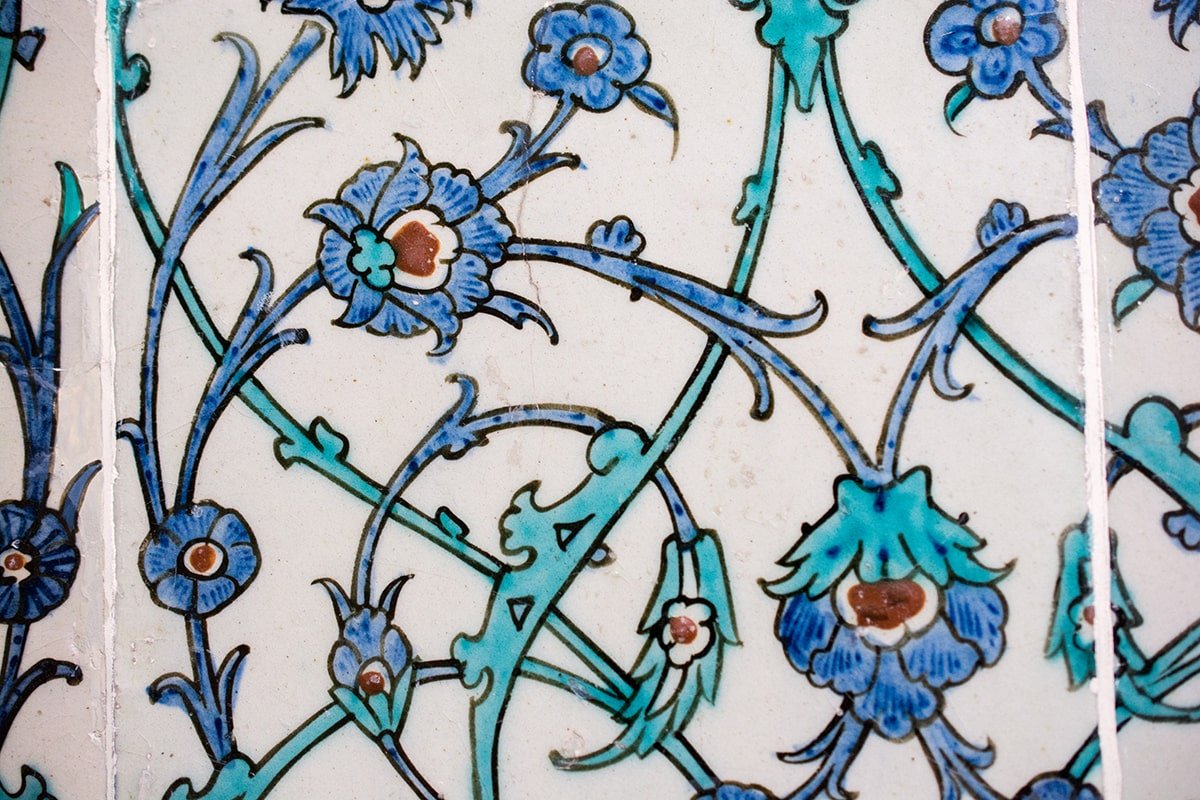
One of the most striking features of Topkapi Palace is the abundance of vibrant Iznik tiles. These hand-painted ceramics, produced in the city of Iznik, were not merely decorative; they were carefully chosen for their symbolic meanings. Floral motifs, such as tulips, roses, and carnations, represented beauty, love, and prosperity. Cypress trees symbolized death and eternity, while pomegranates signified fertility and abundance.
- Tulips: Represented perfection, beauty, and the Ottoman Empire itself.
- Roses: Symbolized love, devotion, and the Prophet Muhammad.
- Carnations: Represented grace, elegance, and divine love.
- Cypress Trees: Symbolized death, eternity, and the connection between the earthly and spiritual realms.
Pay close attention to the placement of these tiles. Certain patterns and colors were reserved for specific areas of the palace, reflecting their importance. For example, the Harem, the private domain of the Sultan and his family, features tiles with particularly intricate floral designs, emphasizing beauty and intimacy.
Calligraphy: The Art of Divine Communication
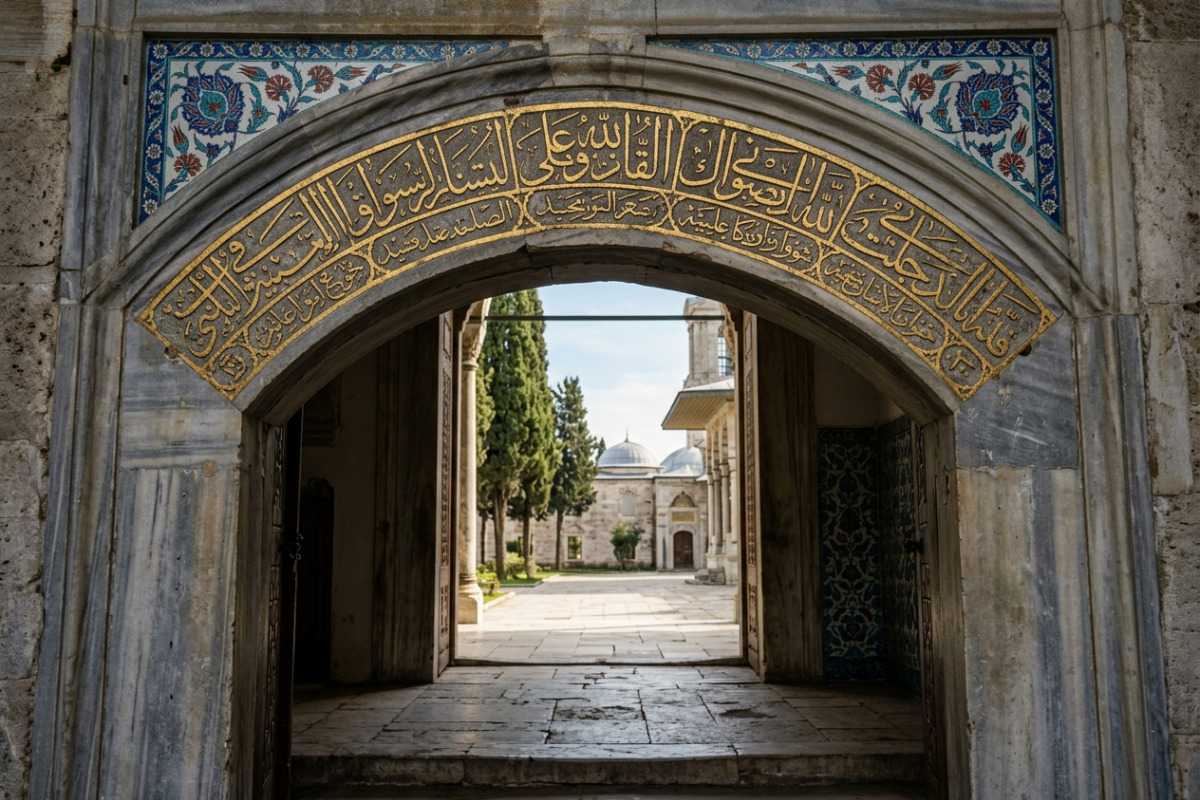
Calligraphy, the art of beautiful writing, held a revered position in Ottoman culture. In Topkapi Palace, calligraphy adorns walls, ceilings, and even objects, serving as a powerful means of communication and spiritual expression. Most inscriptions are verses from the Quran, conveying religious teachings and blessings. The elegance and precision of the script reflect the Ottoman Empire's dedication to artistic excellence.
Different calligraphic styles were used for different purposes. The thuluth script, characterized by its bold and flowing lines, was often used for inscriptions in mosques and palaces. The naskh script, known for its clarity and legibility, was commonly used for administrative documents and manuscripts. Take time to admire the artistry and skill of the calligraphers who created these masterpieces. The Sacred Relics & Treasury section of the palace showcases many examples of exquisite calligraphic art.
Architectural Symbolism: Power and Authority
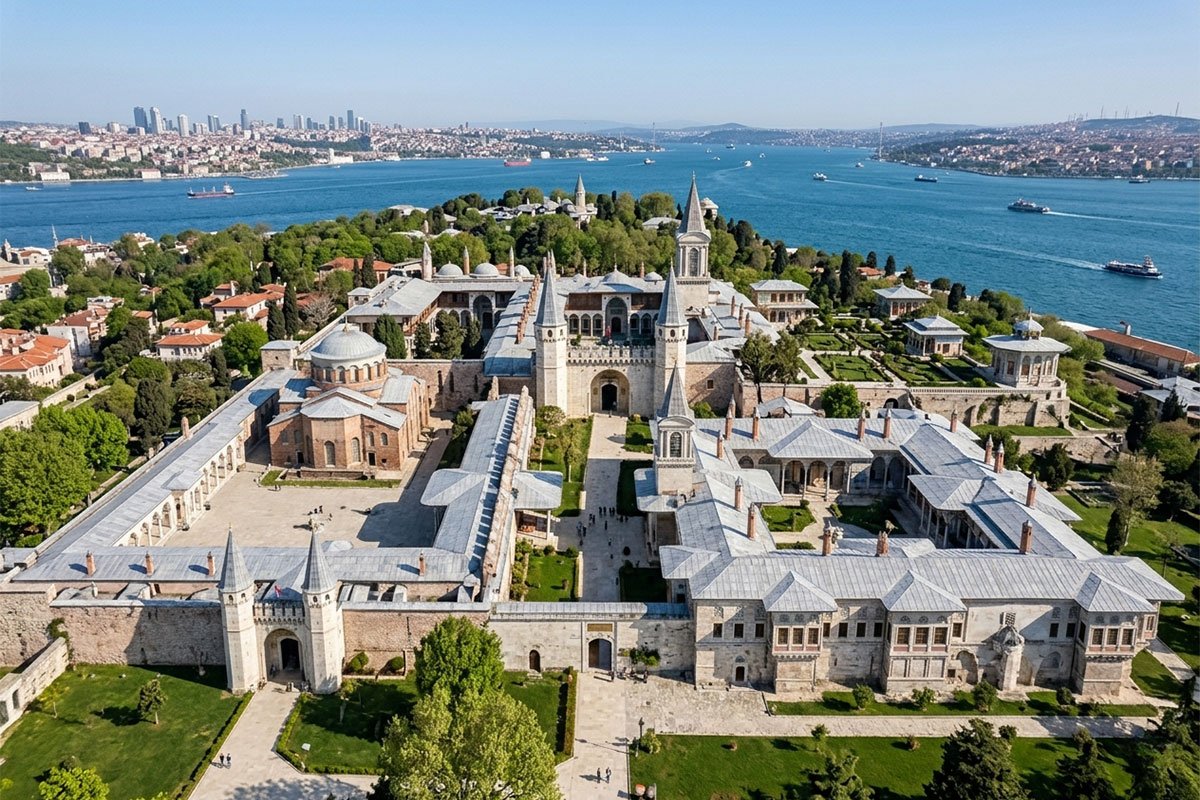
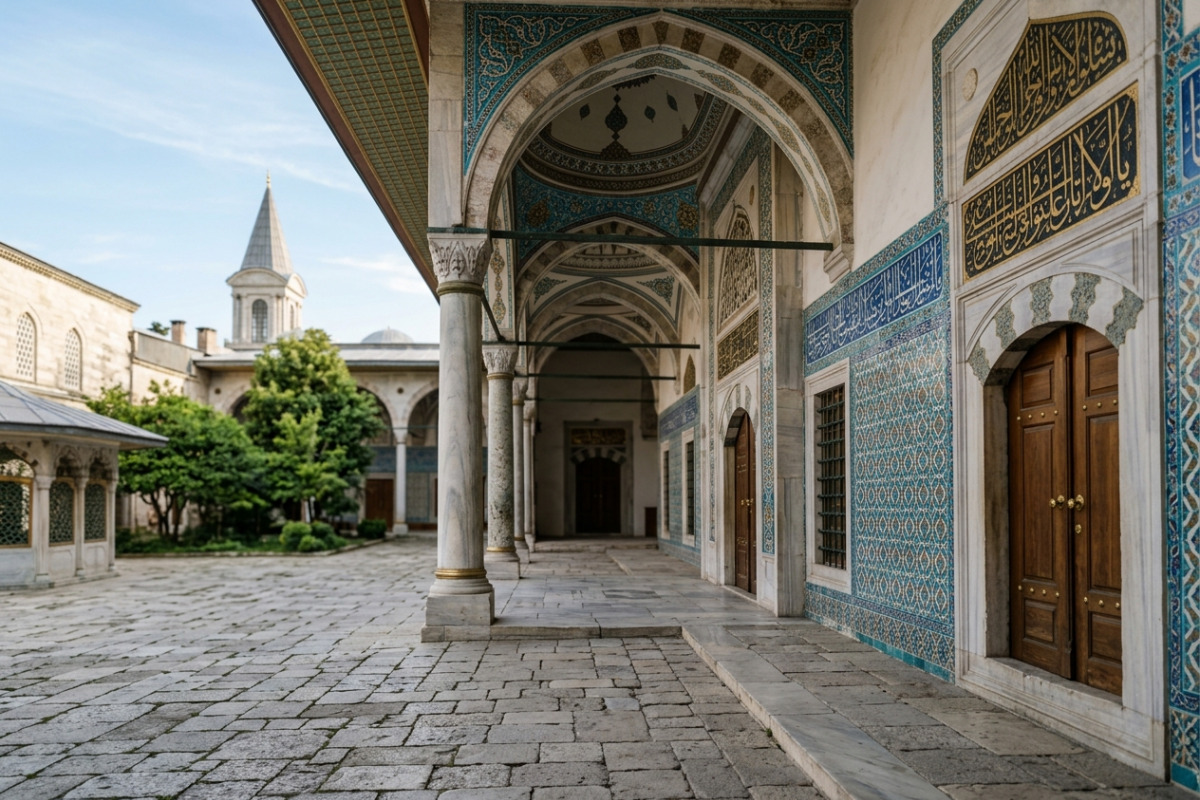
The architecture of Topkapi Palace is not just aesthetically pleasing; it is also deeply symbolic, reflecting the power and authority of the Ottoman sultans. The palace's layout, with its series of courtyards and gates, was designed to create a sense of grandeur and control. Each courtyard served a specific purpose, from the public Outer Court to the private Inner Court, reflecting the hierarchical structure of the Ottoman court.
The Imperial Council (Divan), where important state affairs were discussed, is a prime example of architectural symbolism. The Sultan's private chamber, located behind a latticed window, allowed him to observe the proceedings without being seen, emphasizing his supreme authority. The Topkapi Palace Kitchen, a vast complex of buildings, demonstrates the scale and logistical prowess of the Ottoman court. Even the Topkapi Palace Gardens, with their carefully manicured landscapes and serene fountains, reflected the Ottoman ideal of paradise on earth.
Decoding Key Architectural Elements
Let's look at some specific architectural elements and their symbolic significance:
| Element | Symbolism |
| Domes | Represent the heavens and divine authority. |
| Arches | Symbolize strength, stability, and transition. |
| Fountains | Represent purity, abundance, and the source of life. |
| Courtyards | Symbolize order, control, and the separation of public and private spaces. |
Planning Your Visit: Tips for Decoding the Palace
To make the most of your visit to Topkapi Palace and truly appreciate its symbolic richness, consider these tips:
- Do your research: Before you go, learn about Ottoman history, art, and architecture. This will provide you with a valuable context for understanding the palace's symbolism.
- Take a guided tour: A knowledgeable guide can point out hidden details and explain the meanings behind the palace's art and architecture.
- Take your time: Don't rush through the palace. Allow yourself ample time to explore each section and appreciate the intricate details.
- Look closely: Pay attention to the patterns, colors, and inscriptions that adorn the walls, ceilings, and objects.
- Ask questions: Don't be afraid to ask your guide or other staff members about anything you find intriguing.
Understanding the symbols of Topkapi Palace unlocks a deeper appreciation for Ottoman culture and history. As you wander through its courtyards, admire its intricate tiles, and decipher its calligraphic inscriptions, you'll gain a richer and more meaningful experience of this magnificent palace.
Ready to experience the magic of Topkapi Palace? To avoid long queues and maximize your time exploring this historical marvel, consider purchasing Skip-the-Line Tickets in advance. For answers to common questions, check out our FAQ page. Plan your visit with our Visiting Information page to ensure a smooth and unforgettable journey into Ottoman history.