The Imperial Harem of Topkapi Palace, often shrouded in mystery and misconception, was far more than just the Sultan's private residence. It was a complex social and political arena where women, particularly the Sultan's consorts and the Valide Sultan (Queen Mother), wielded significant influence on Ottoman politics. Stepping beyond the Sultan's door reveals a world of courtly intrigue, strategic alliances, and subtle power plays that shaped the course of the Ottoman Empire.
The Valide Sultan: A Force to Be Reckoned With
The Valide Sultan, the mother of the reigning Sultan, held the most powerful position within the Harem. Her influence stemmed from her close relationship with the Sultan and her ability to act as an advisor and mediator. Valide Sultans often played a crucial role in succession, influencing the Sultan's choice of heir and ensuring the stability of the empire. They also controlled vast estates and endowments, using their wealth to fund charitable projects, build mosques, and support the arts, further solidifying their power and prestige.
Examples of powerful Valide Sultans include:
- Kösem Sultan: Known for her political acumen and influence during the reigns of her sons and grandson.
- Nurbanu Sultan: A Venetian noblewoman who became a powerful advisor to her son, Sultan Murad III.
- Safiye Sultan: Controlled trade and foreign policy during the reign of her son, Mehmed III.
Consorts and Their Political Maneuvering
While the Valide Sultan held the most prominent position, the Sultan's consorts, particularly those who bore him sons, also exerted influence within the court. They competed for the Sultan's favor, forming alliances and engaging in intricate power struggles to secure their sons' positions in the line of succession. Their influence extended beyond the Harem walls, as they often maintained relationships with influential officials and used their connections to advance their own agendas. To better understand the policy making progress, you can visit the Imperial Council, also known as the Divan, during your visit.
The Harem as a Center of Education and Culture
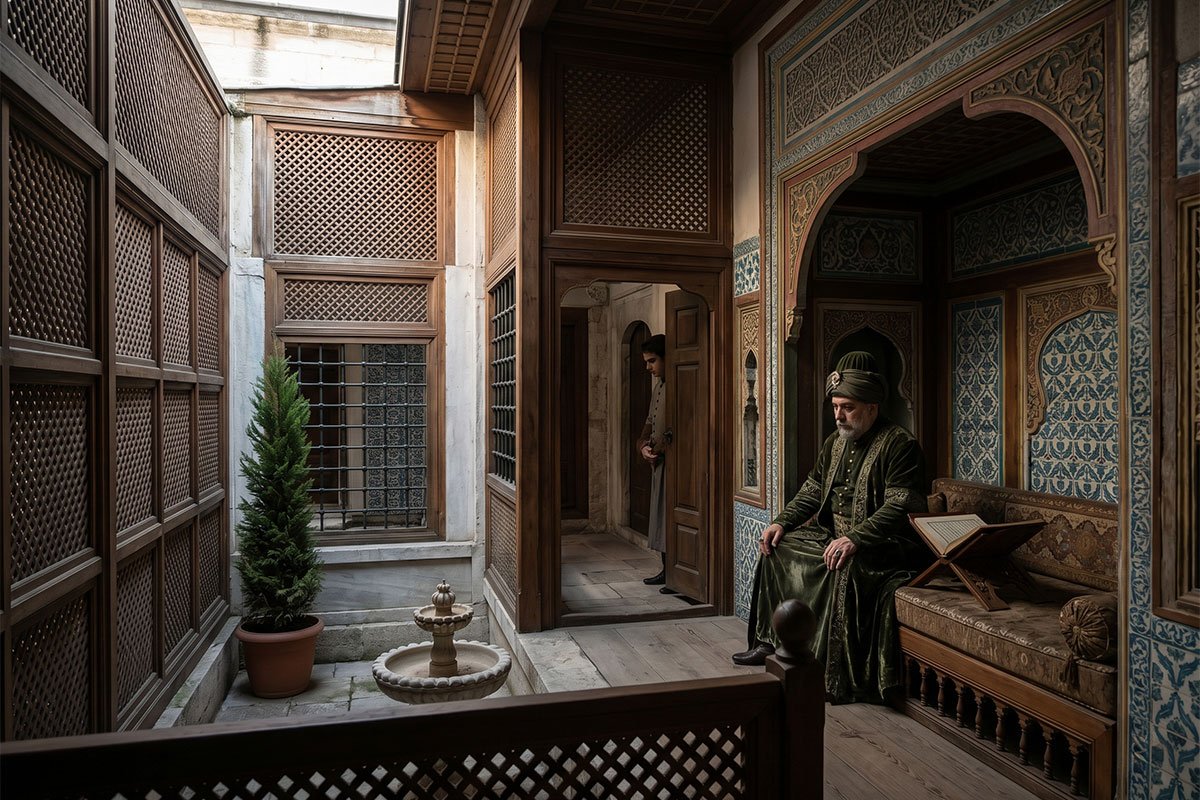
Contrary to popular belief, the Harem was not simply a place of confinement. It was also a center of education and culture where women received instruction in music, art, literature, and diplomacy. This education equipped them with the skills necessary to navigate the complex world of Ottoman court politics and to effectively manage their households and estates. The women of the Harem were often patrons of the arts, commissioning works of literature, music, and architecture, contributing to the vibrant cultural life of the Ottoman Empire.
Challenging Misconceptions
The common perception of the Harem as a place of exotic intrigue and female subjugation is often misleading. While power dynamics undoubtedly existed, the women of the Harem were not simply passive figures. They were active participants in Ottoman society, wielding influence through their relationships, their wealth, and their education. Understanding the true complexity of the Harem requires moving beyond romanticized notions and examining the historical evidence with a critical eye.
Visiting Topkapi Palace and Exploring the Harem Today
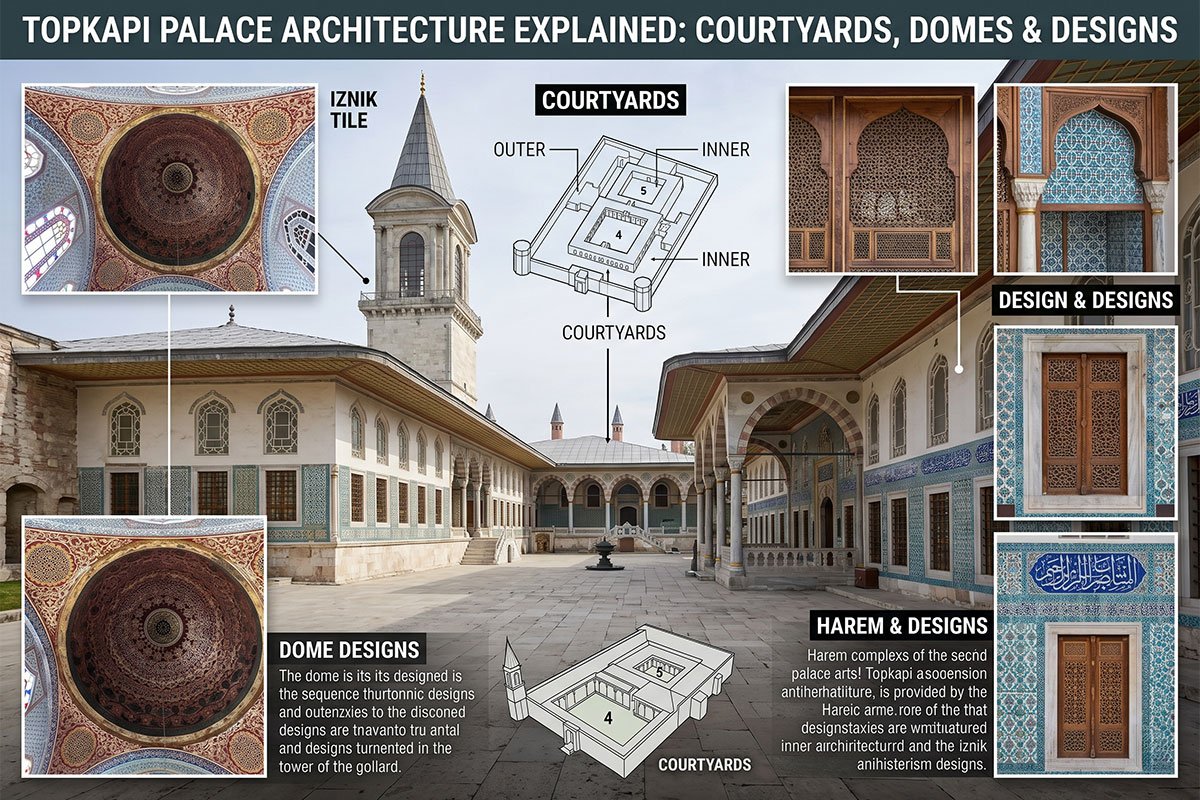
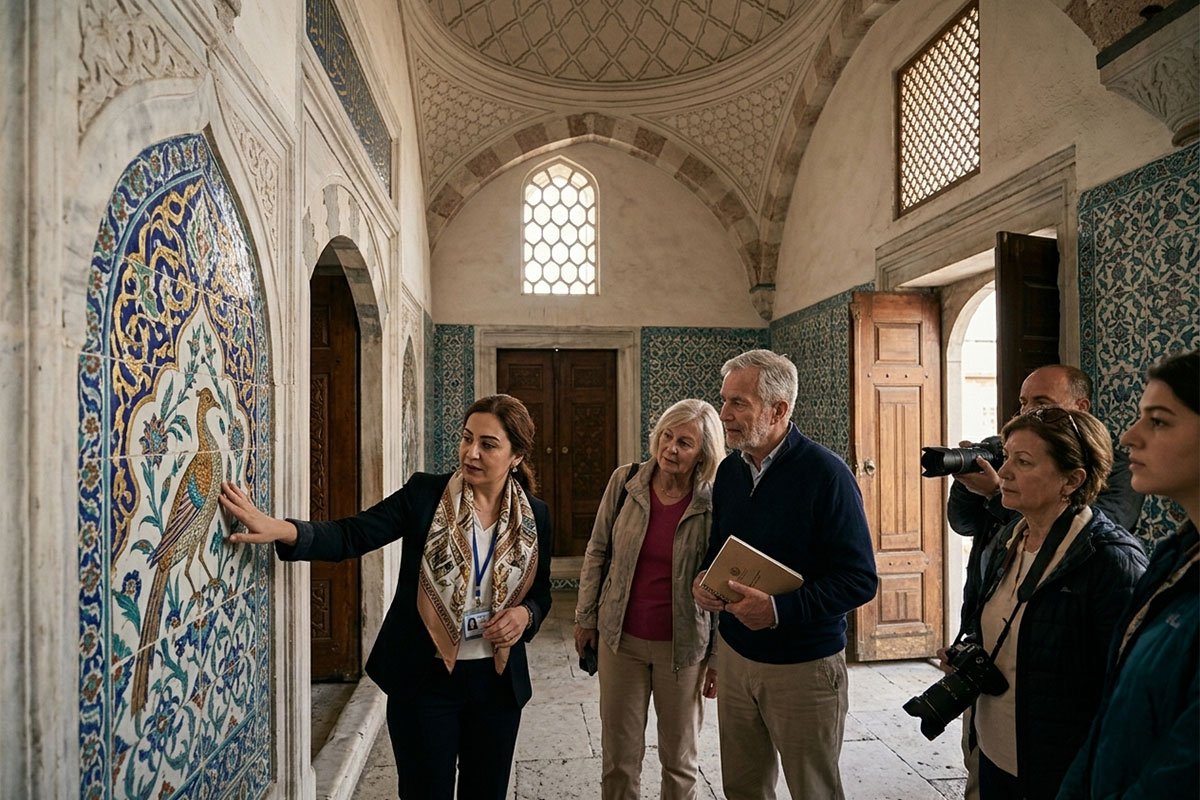
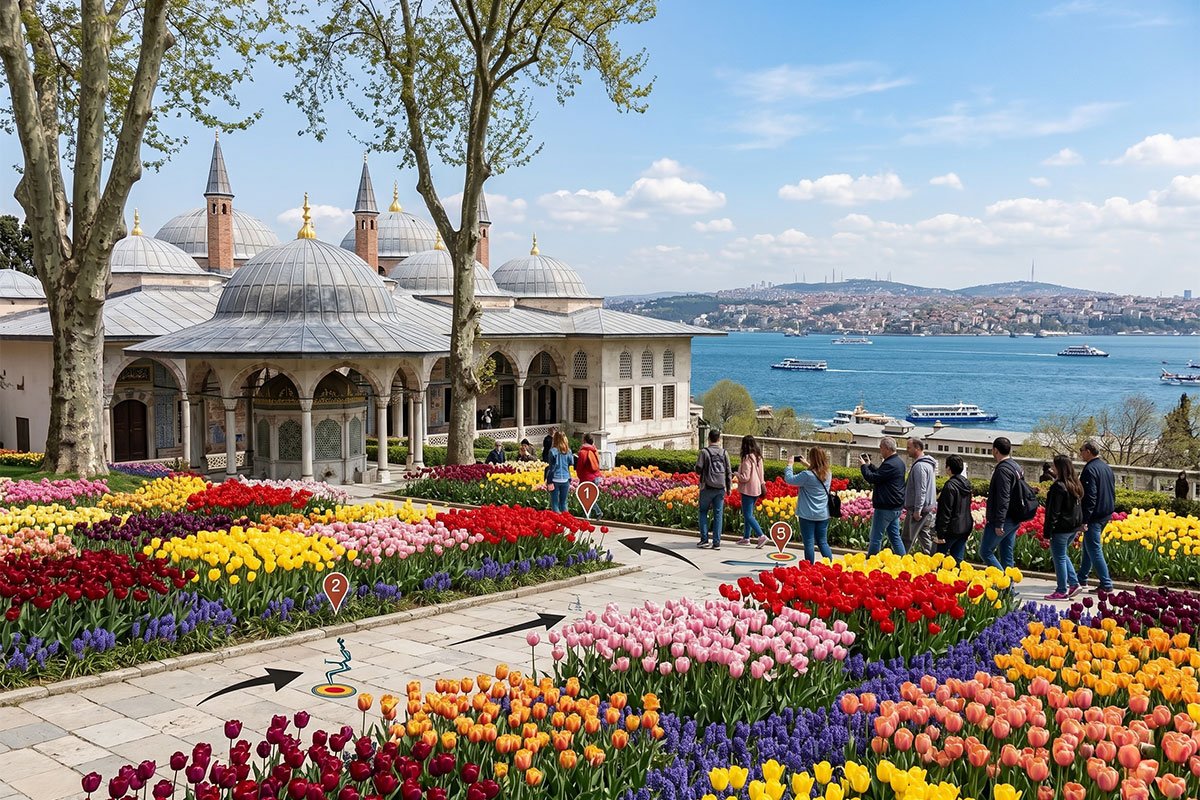
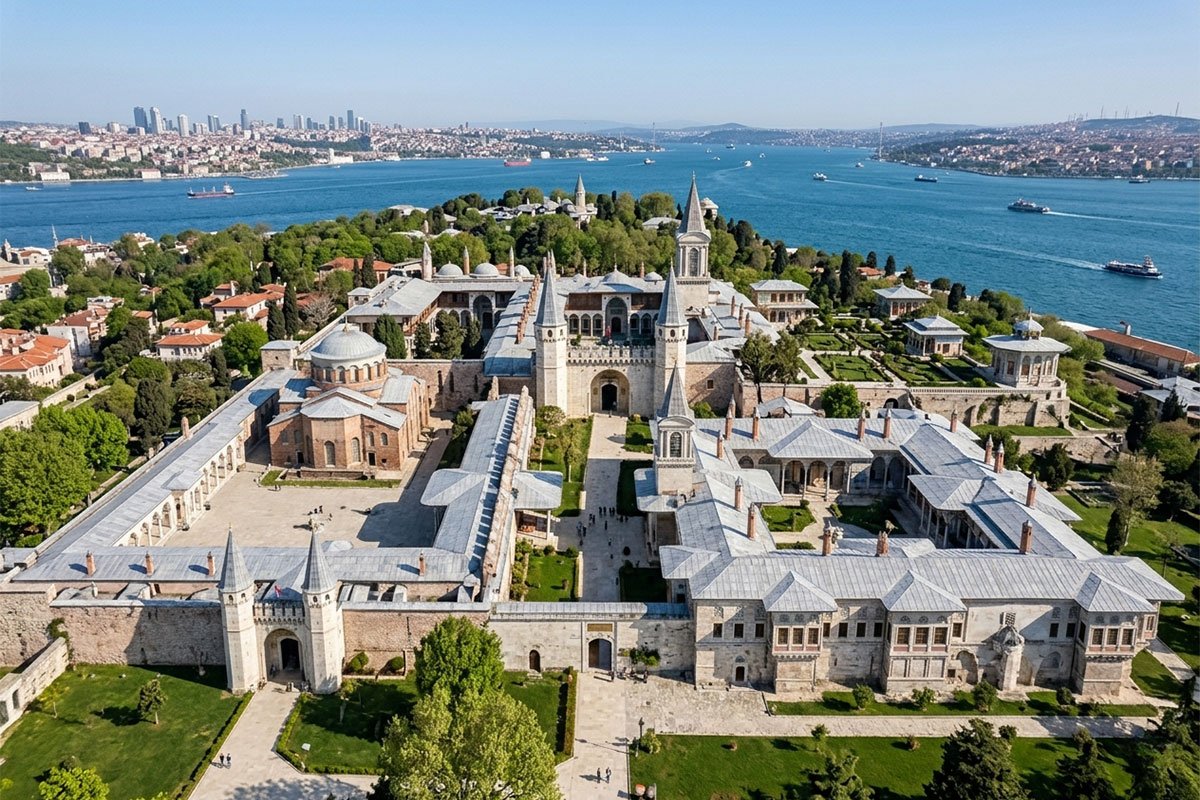
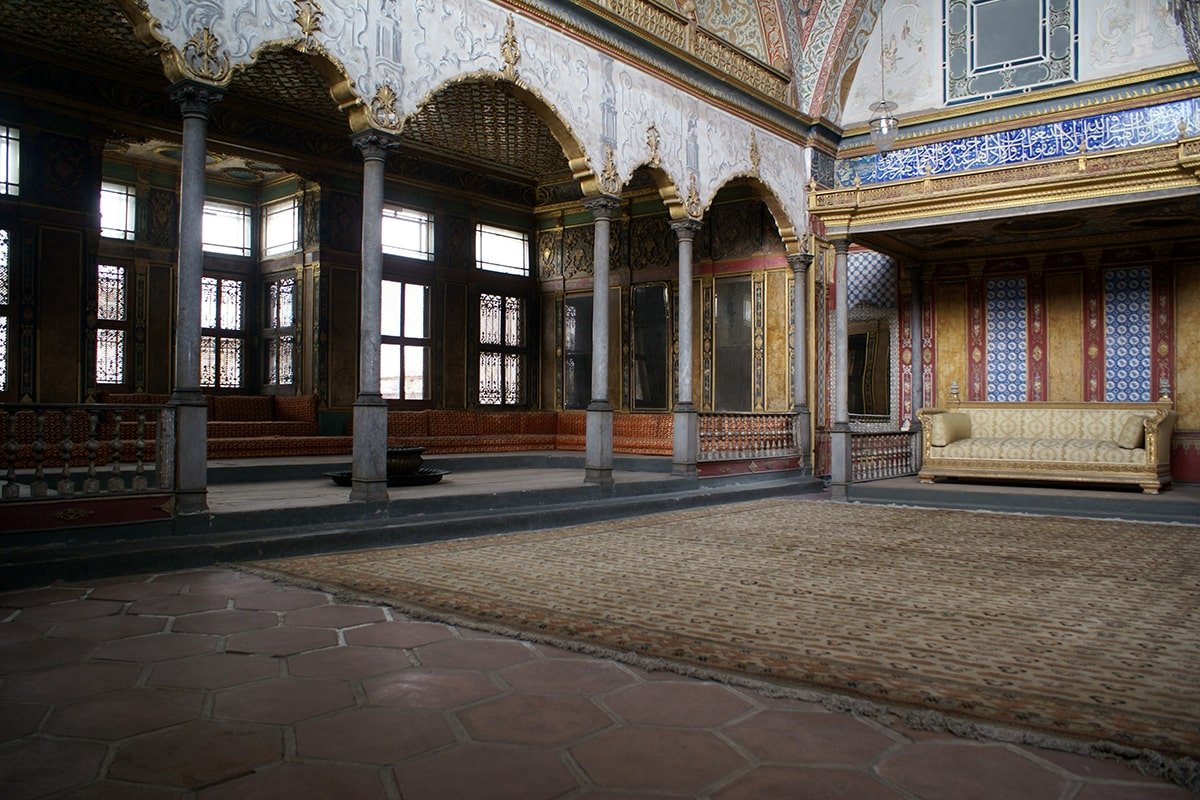
Today, visitors to Topkapi Palace can explore the Harem and gain a glimpse into the lives of the women who once resided there. Walking through the opulent chambers and courtyards, one can imagine the intricate social and political dynamics that played out within these walls. To avoid long lines, consider purchasing Skip-the-Line Tickets in advance. Don't forget to also explore the Sacred Relics & Treasury and the beautiful Topkapi Palace Gardens. For more information about planning your visit, check the Visiting Information page or the FAQ section.
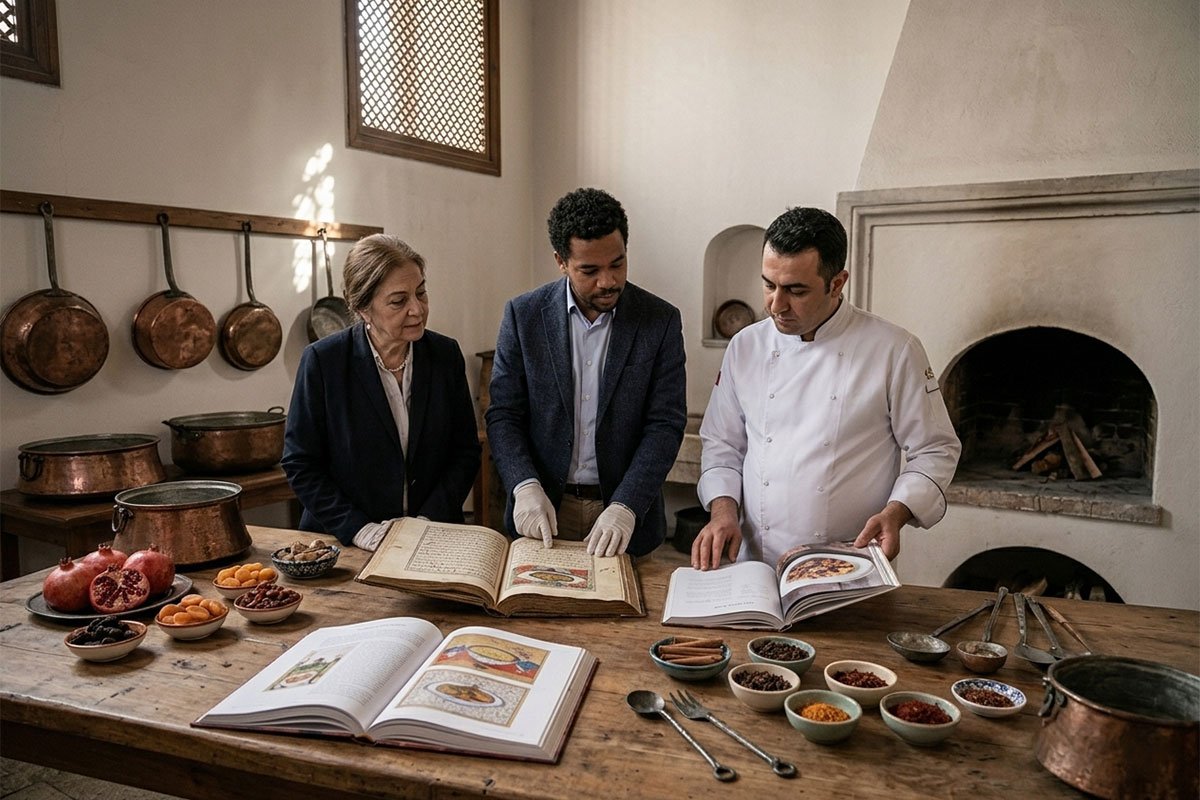
Understanding the influence of the Imperial Harem on Ottoman politics provides a richer and more nuanced understanding of Ottoman history. It challenges us to reconsider traditional narratives and to recognize the significant contributions of women in shaping the course of empires. Exploring the Topkapi Palace Kitchen can also provide insights into the daily life and logistics of the palace during that era.