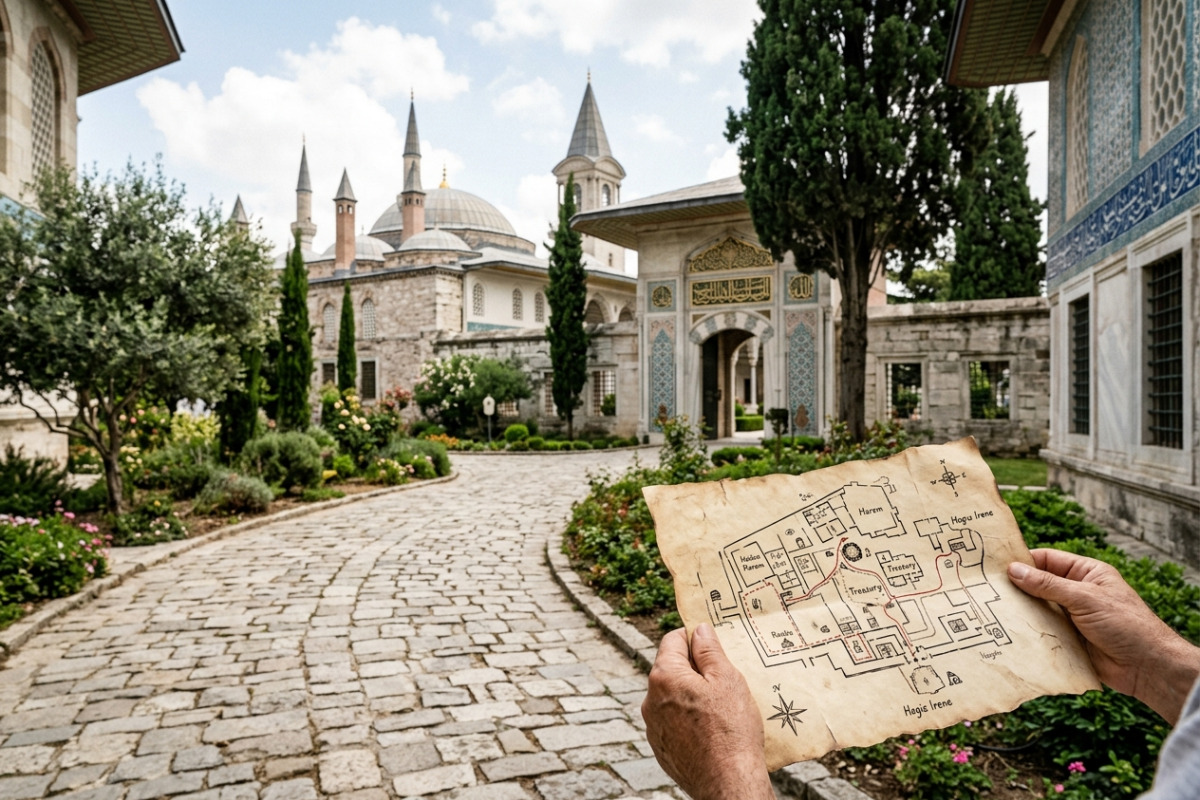
The Topkapi Palace, a sprawling complex in Istanbul, served as the Ottoman Sultans' residence and administrative center for centuries. Within its walls, opulence and intrigue intertwined, and nowhere was this more evident than in the Harem. While often romanticized, the Harem held secrets, including the existence of the "Kafes," or Cage – a gilded prison for potential heirs to the Ottoman throne. This system, known as the Kafes system, significantly impacted the lives of Ottoman princes and, ultimately, the fate of the Empire.
The Origins of the Kafes System
The Kafes system, also referred to as the "Cage," emerged as a response to a turbulent period in Ottoman history marked by fratricide. Traditionally, when a new Sultan ascended the throne, he would eliminate his brothers to prevent challenges to his rule. This practice, while ensuring stability in the short term, led to brutal power struggles and the extinction of entire branches of the Ottoman dynasty. Sultan Ahmed I, in the early 17th century, sought to break this cycle of violence and introduced a new system: confinement rather than execution.
This shift towards the Kafes system was not solely driven by humanitarian concerns. The lack of clear succession rules had often resulted in power vacuums and instability. By keeping potential heirs alive, albeit confined, the Empire theoretically had a ready pool of candidates should the Sultan die without a direct heir. However, the Kafes system had its own set of unforeseen consequences.
Life Inside the Cage: The Ottoman Princes' Prison
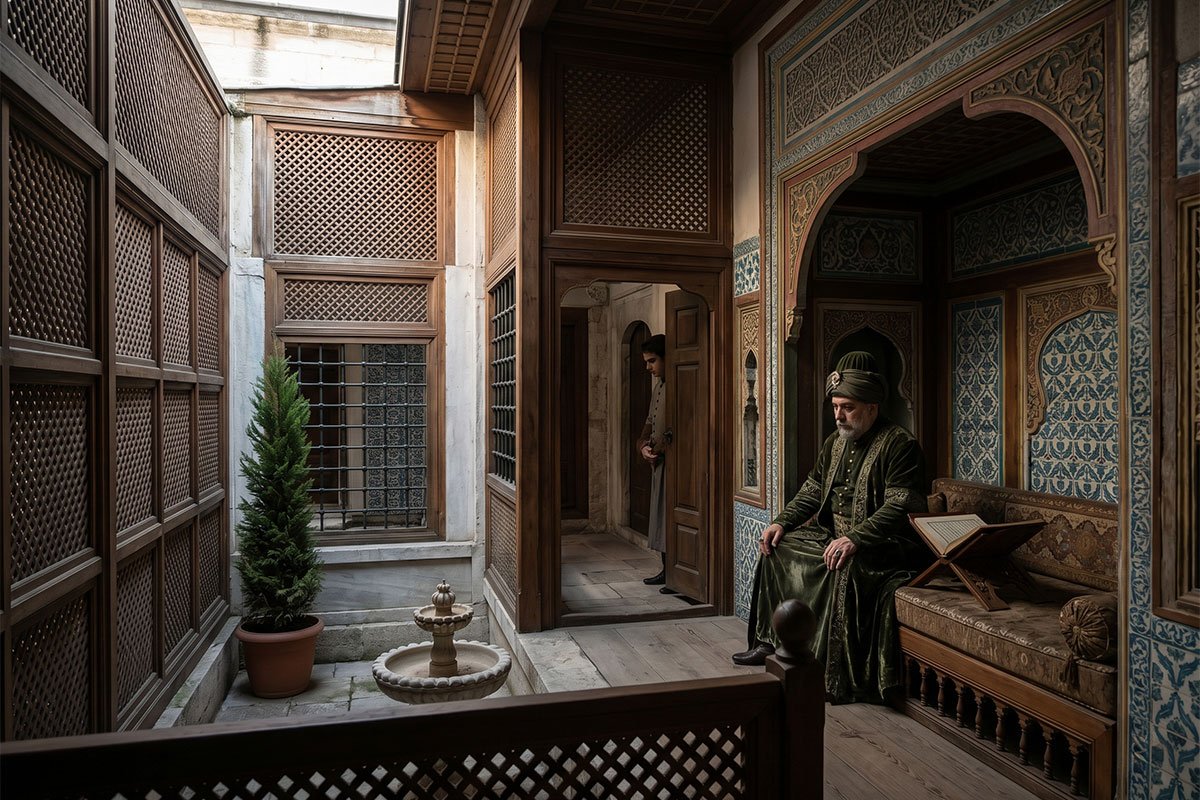
The "Kafes" itself was not a single, specific location within Topkapi Palace, but rather a designated area, often within the Harem, where princes were kept under constant surveillance. These areas varied in size and comfort depending on the Sultan's disposition and the prince's perceived threat. Some princes were confined to relatively spacious apartments, while others were relegated to smaller, more restrictive quarters. Regardless of the physical space, the psychological impact of confinement was immense.
The Daily Routine and Restrictions
Life within the Cage was characterized by isolation, restricted movement, and a lack of meaningful purpose. Princes were typically denied access to education, political involvement, and even basic social interaction. Their days were often spent in idleness, surrounded by eunuchs and servants whose primary duty was to ensure their confinement. The constant fear of assassination, coupled with the lack of stimulation, led to mental and emotional deterioration in many cases.
- Limited contact with the outside world
- Restricted access to education and training
- Constant surveillance by eunuchs and guards
- Fear of assassination or poisoning
- Lack of political involvement or influence
The Psychological Impact of Confinement
The Kafes system had a devastating impact on the mental and emotional well-being of the princes confined within its walls. Deprived of freedom, purpose, and meaningful human connection, many succumbed to depression, anxiety, and even madness. The lack of education and political experience rendered them ill-prepared to rule should they ever ascend the throne. This resulted in a succession of Sultans who were often weak, indecisive, and easily manipulated by court factions.
The psychological toll extended beyond simple boredom and isolation. Some princes developed severe paranoia, constantly suspecting those around them of plotting against them. Others exhibited signs of learned helplessness, losing all motivation and initiative. The absence of normal social development also meant that many lacked the interpersonal skills necessary to effectively govern. Imagine a life where every interaction is carefully monitored, every word potentially misinterpreted, and every ambition stifled. This constant pressure cooker environment inevitably warped the personalities of those confined within it.
Consequences for the Ottoman Empire
The long-term consequences of the Kafes system were profound. The practice of confining potential heirs, rather than educating and preparing them for leadership, contributed to the decline of the Ottoman Empire. Sultans who had spent their lives in isolation were often ill-equipped to deal with the complex challenges facing the Empire, leading to political instability, economic stagnation, and military defeats. The "Cage Topkapi Palace" created was a breeding ground for paranoia and incompetence.
The Rise of Court Factions
The weakened state of the Sultans who had spent their lives in the Kafes created opportunities for court factions to gain power and influence. Powerful viziers, influential members of the Harem, and ambitious military leaders vied for control, often manipulating the Sultan to advance their own agendas. This internal strife further weakened the Empire and made it vulnerable to external threats.
To summarize the impact of the Kafes system:
| Impact | Description |
| Weakened Leadership | Sultans lacked experience and were easily manipulated. |
| Political Instability | Court factions gained power, leading to internal strife. |
| Economic Stagnation | Poor leadership hindered economic development. |
| Military Decline | Lack of strong leadership contributed to military defeats. |
The End of the Kafes System
The Kafes system was gradually phased out in the 19th century as part of a series of reforms aimed at modernizing the Ottoman Empire. Recognizing the detrimental effects of the system on the quality of leadership, reformers advocated for a more traditional approach to succession, emphasizing education and experience. While the practice of confinement did not completely disappear, it became less prevalent, and princes were increasingly given opportunities to participate in public life.
The legacy of the Kafes system serves as a cautionary tale about the unintended consequences of well-intentioned policies. While initially designed to prevent fratricide and ensure stability, the system ultimately contributed to the decline of the Ottoman Empire by producing a succession of weak and ineffective rulers. The "what was the Kafes" question is therefore not just a historical curiosity, but a reminder of the importance of preparing future leaders for the challenges they will face.
Exploring the history of "The Cage Topkapi Palace" reveals a dark chapter in Ottoman history. Understanding the "Kafes system" and its impact provides valuable insights into the complexities of power, succession, and the importance of leadership in shaping the fate of empires. The Ottoman princes' prison, intended to secure the throne, inadvertently weakened it.