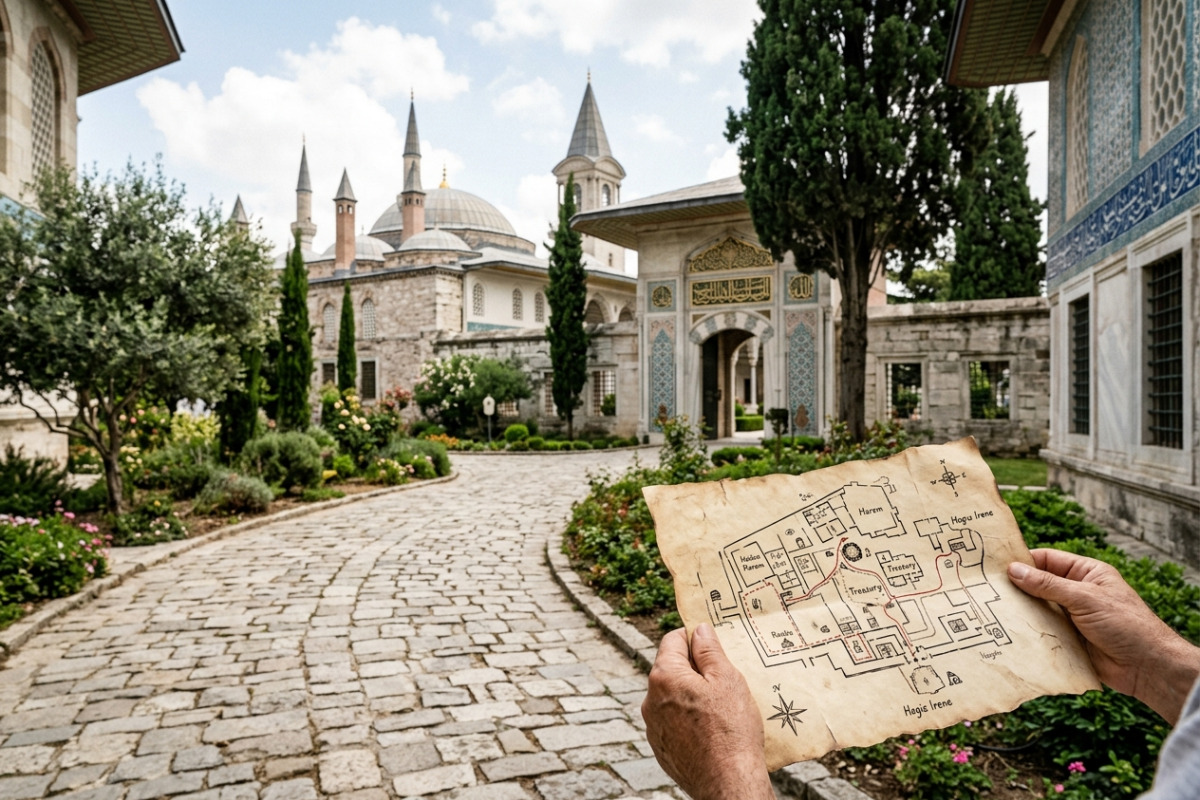
Topkapi Palace, a sprawling complex overlooking the Bosphorus in Istanbul, stands as a testament to the power and artistry of the Ottoman Empire. More than just a residence, it served as the administrative, educational, and artistic center of the empire for centuries. Understanding Topkapi Palace architecture requires appreciating its evolution over time, reflecting the changing tastes and priorities of successive sultans. The palace's design is not a singular, unified vision, but rather a collection of buildings and courtyards added and modified over a period of nearly 400 years, resulting in a fascinating blend of styles and influences. This blend includes elements of Byzantine, Ottoman, and even European architectural styles, showcasing the empire's cosmopolitan nature and its ability to adapt and incorporate different cultural influences. Consider the influence of Mimar Sinan, one of the most celebrated Ottoman architects, whose work, though not directly attributed to the initial design, set a precedent for later additions and renovations.
The Architectural Layout of Topkapi Palace
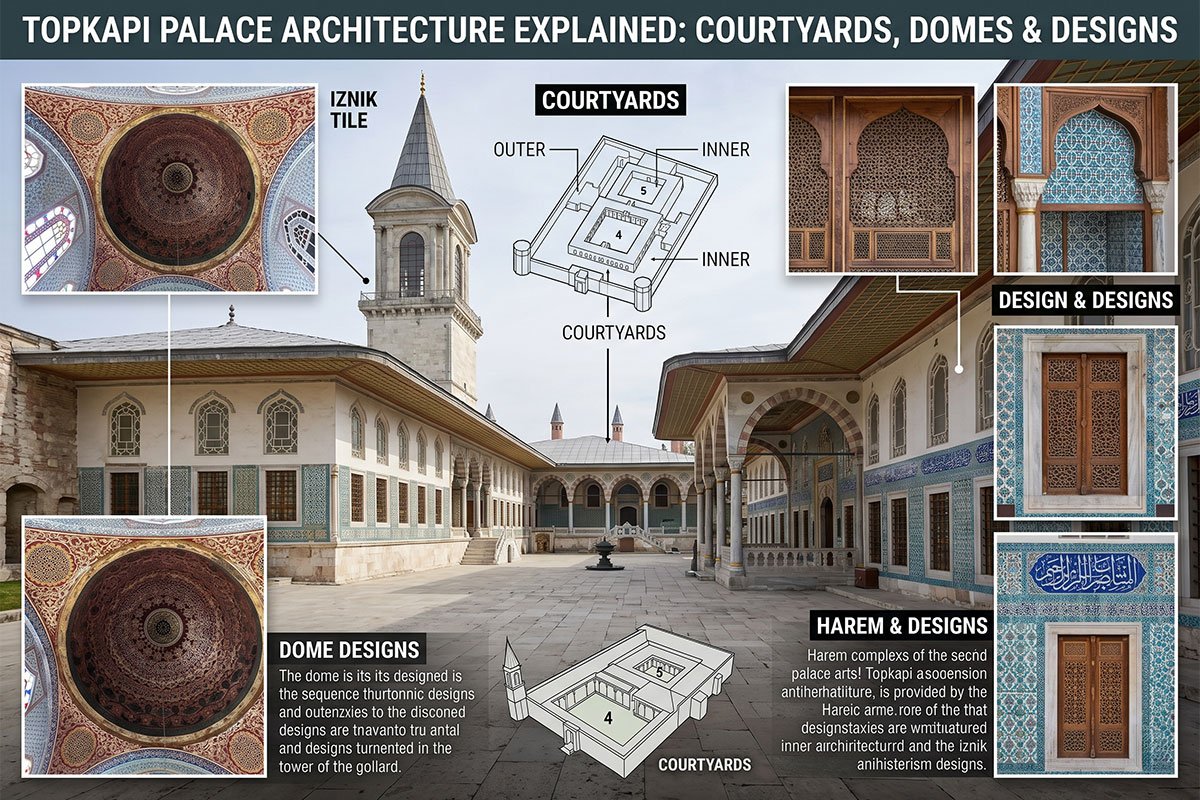
The palace is organized around a series of four main courtyards, each serving a distinct purpose and reflecting a different level of access and formality. This division into courtyards is a key element of the palace's architectural layout, controlling the flow of people and information within its walls. The design allowed the Sultan to maintain privacy while still effectively governing a vast empire. The courtyards are not merely open spaces; they are integral to the overall function and aesthetic of the palace.
The First Courtyard (Alay Meydanı or Parade Ground)
The First Courtyard, also known as the Parade Ground, was the most public space within the palace complex. Accessible to all, it served as a buffer zone between the outside world and the inner sanctum of the sultan. This courtyard housed administrative buildings, such as the Imperial Mint and the wood storerooms. Its expansive size was intended to impress visitors and demonstrate the power of the Ottoman Empire. The presence of the Hagia Irene church, predating the Ottoman conquest, within this courtyard further highlights the historical layers present at Topkapi. The architectural style here is relatively simple, reflecting its primarily functional role.
The Second Courtyard (Divan Meydanı or Square of the Divan)
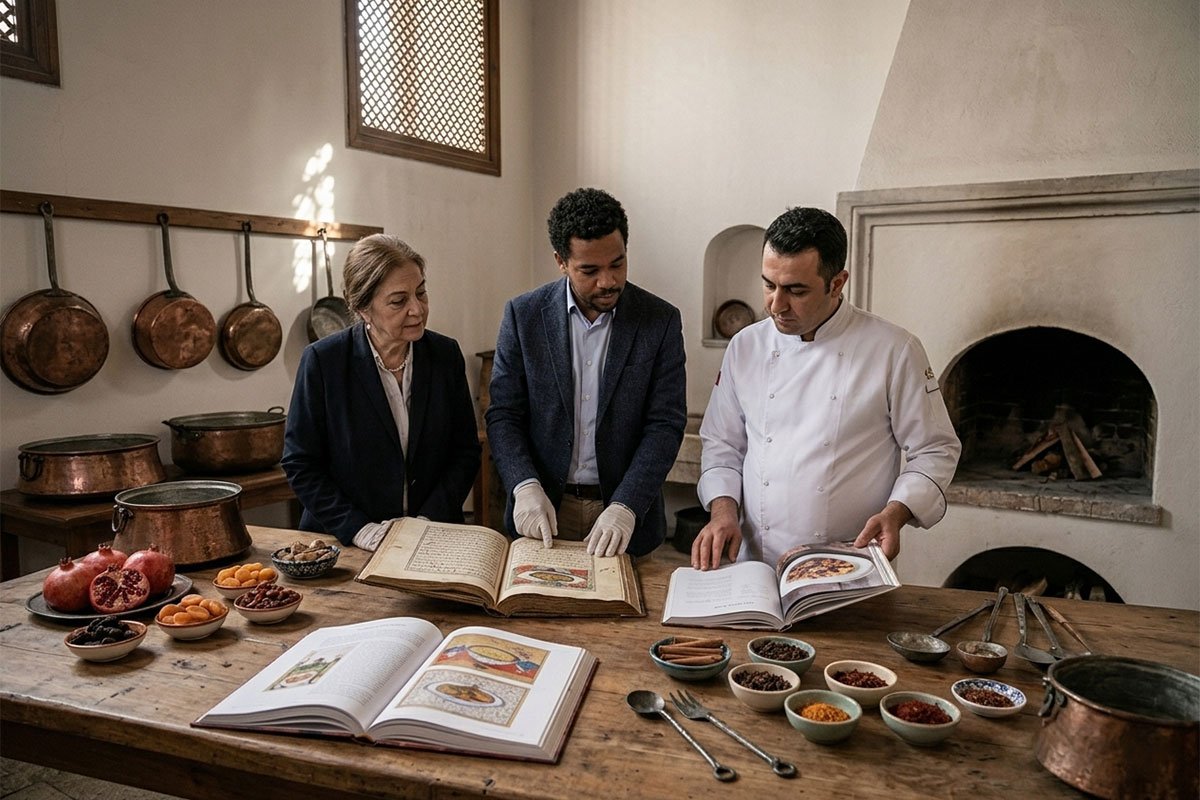
The Second Courtyard marked the entrance to the administrative heart of the palace. Only those with official business were permitted to enter through the Gate of Salutation (Bab-üs Selam). This courtyard housed the Imperial Council (Divan), where important state matters were discussed, as well as the Tower of Justice, symbolizing the sultan's role as the ultimate arbiter. The kitchens, which prepared food for the entire palace population, were also located here, showcasing the logistical scale of the imperial household. The architectural style of the Second Courtyard is more ornate than the first, reflecting its more exclusive nature. The influence of classical Ottoman architecture, characterized by its symmetry and use of arches, is more evident here.
The Third Courtyard (Enderun Avlusu or Inner Palace)
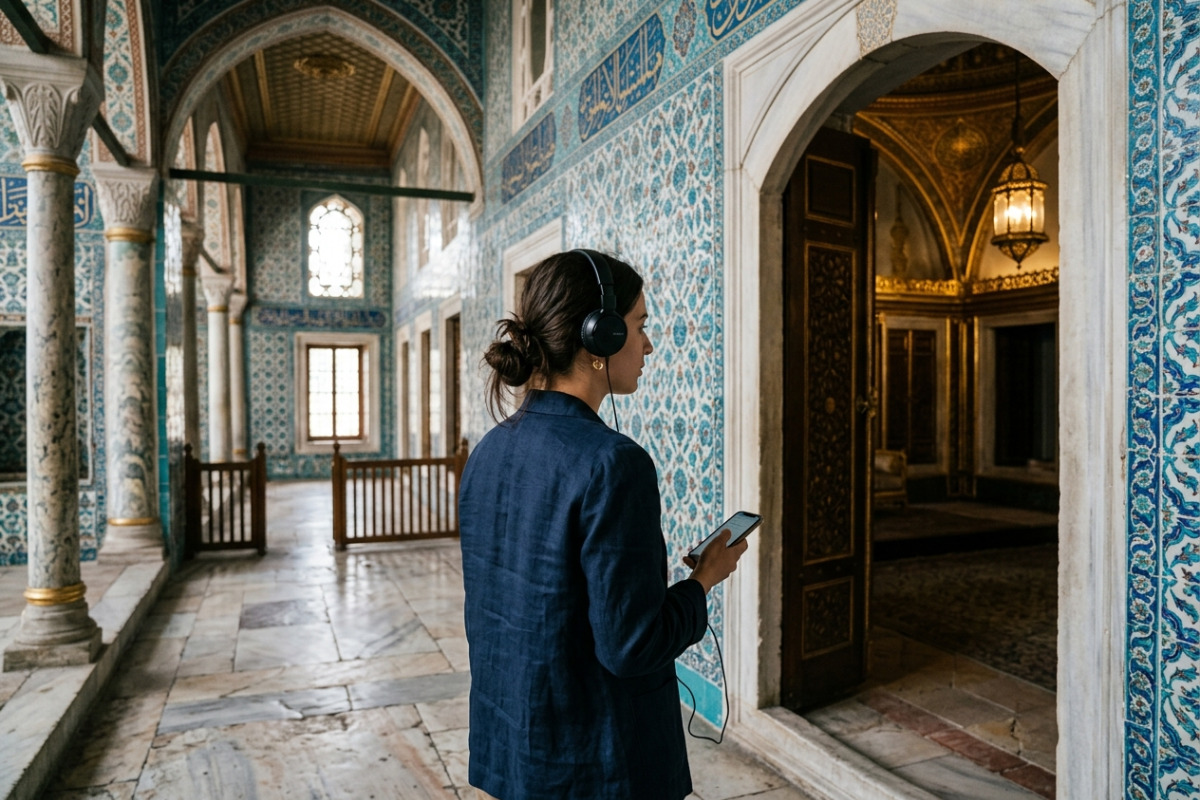
The Third Courtyard, accessible only to the sultan, his family, and select officials, was the most private and exclusive space within Topkapi Palace. It housed the Hall of Audiences, where the sultan received foreign dignitaries and important visitors, as well as the School of Pages (Enderun), which trained future Ottoman leaders. The Treasury, displaying a dazzling collection of jewels and artifacts, was also located in this courtyard. The architecture of the Third Courtyard is characterized by its refined elegance and intricate detailing, reflecting its status as the heart of imperial power and privacy. The Hall of Audiences, in particular, showcases the use of Iznik tiles and elaborate woodwork, hallmarks of Ottoman craftsmanship.
The Fourth Courtyard (Sofa-i Hümayun or Imperial Terrace)
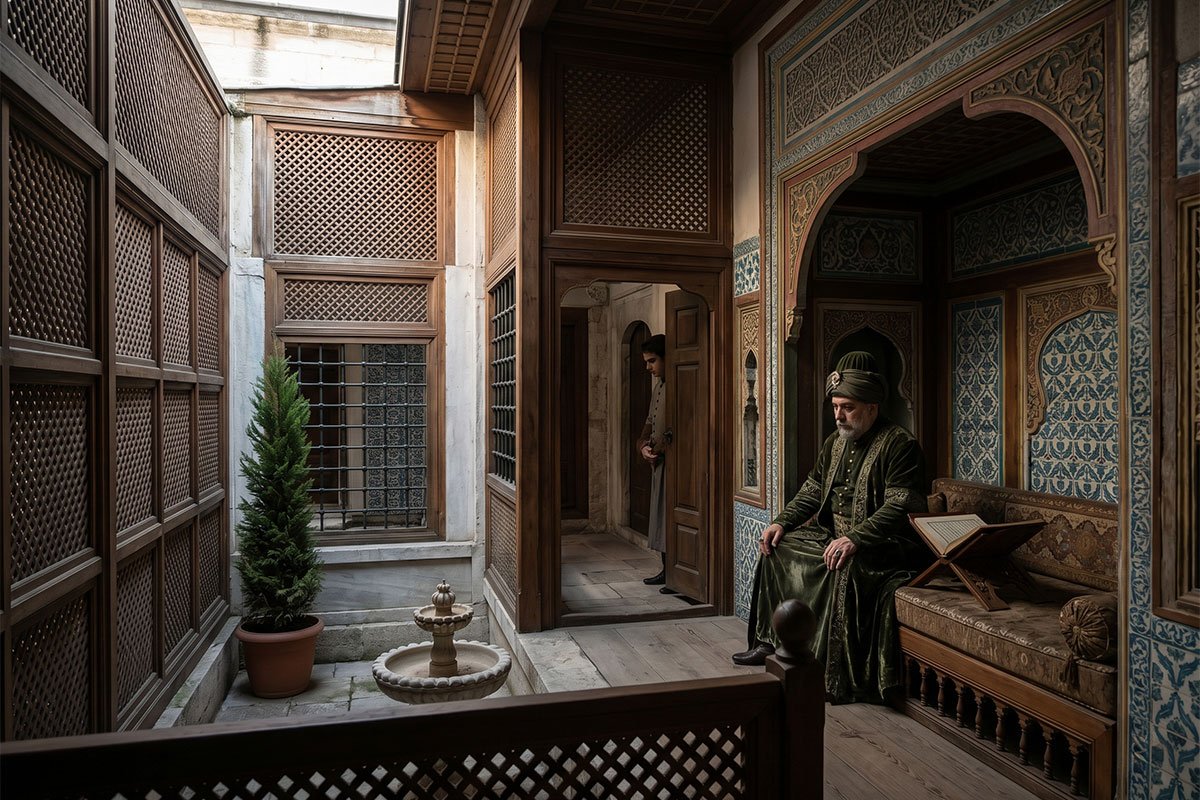
The Fourth Courtyard, the most intimate and secluded area of the palace, consisted of a series of pavilions, gardens, and terraces offering stunning views of the Bosphorus. These pavilions, such as the Baghdad Kiosk and the Revan Kiosk, were designed as places of leisure and relaxation for the sultan and his family. The architecture of the Fourth Courtyard is notable for its incorporation of natural elements, such as gardens and water features, creating a tranquil and idyllic atmosphere. The Baghdad Kiosk, built to commemorate the Ottoman victory in Baghdad, showcases a blend of Ottoman and Persian architectural influences.
Domes and Ottoman Architecture
Domes are a prominent feature of Ottoman architecture, and Topkapi Palace is no exception. The palace's domes, particularly those adorning the Hall of Audiences and the various kiosks in the Fourth Courtyard, are not only structurally significant but also aesthetically striking. The domes are often decorated with intricate tilework and calligraphy, reflecting the Ottoman Empire's rich artistic heritage. The size and ornamentation of the domes served to emphasize the importance and grandeur of the spaces they covered. The use of domes in Topkapi Palace is a clear indication of the influence of Byzantine and Islamic architectural traditions on Ottoman design. The transition from the square base to the circular dome is often achieved through the use of pendentives or squinches, a technique borrowed from Byzantine architecture.
Materials and Design Elements
The construction of Topkapi Palace involved a variety of materials, including stone, marble, wood, and tile. The use of different materials reflects the diverse influences on Ottoman architecture and the empire's vast reach. The palace's design elements, such as its intricate tilework, calligraphy, and geometric patterns, are also characteristic of Ottoman art and culture. These elements are not merely decorative; they are imbued with symbolic meaning and reflect the Ottoman Empire's religious beliefs and cultural values.
- Stone and Marble: Used extensively for foundations, walls, and decorative elements, providing durability and visual appeal.
- Wood: Employed for structural components, ceilings, and intricate woodwork, adding warmth and texture to the palace's interior.
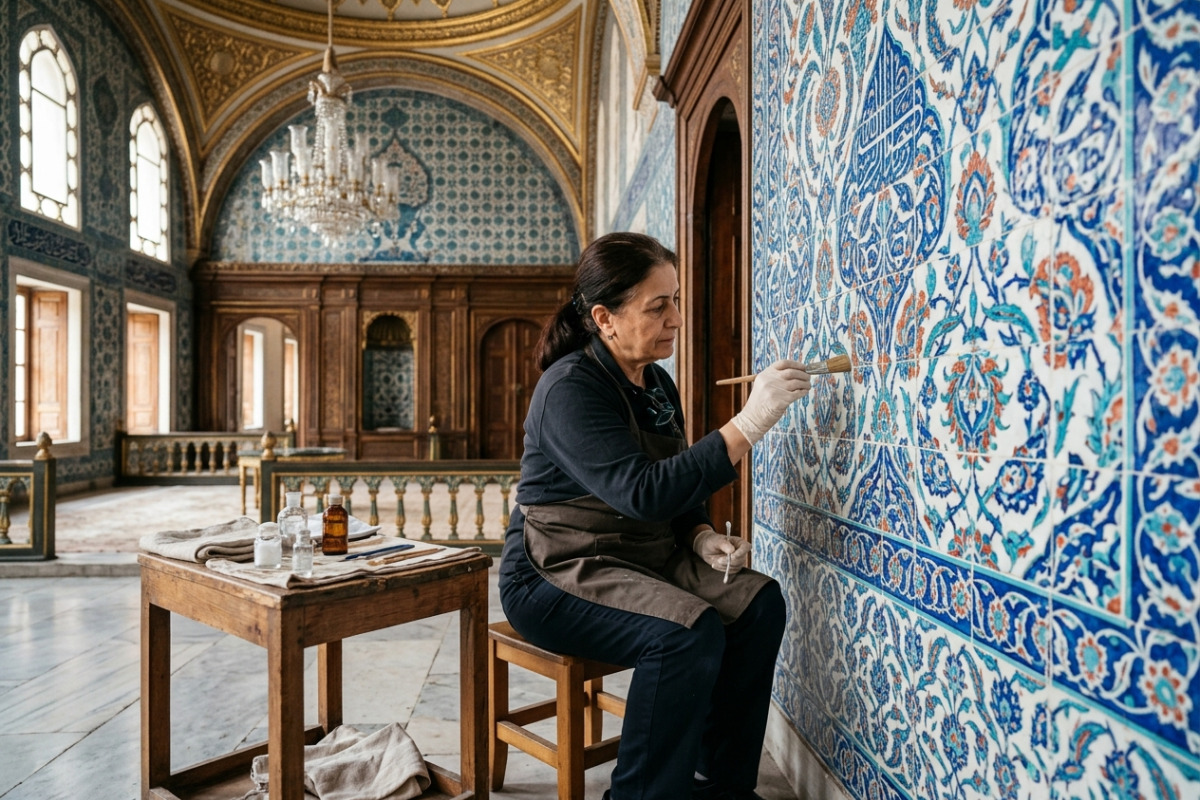
- Tile: A defining feature of Ottoman architecture, used to create stunning mosaics and decorative panels, showcasing the empire's artistic prowess. Iznik tiles, known for their vibrant colors and intricate designs, were particularly prized.
Evolution of Topkapi Palace Architecture
As mentioned earlier, Topkapi Palace underwent numerous changes and additions throughout its history. Each sultan left their mark on the palace, adding new buildings, modifying existing structures, and incorporating new architectural styles. This continuous evolution reflects the changing tastes and priorities of the Ottoman rulers and the empire's evolving cultural landscape. Understanding the palace's architectural history requires recognizing the contributions of different sultans and the influences of different eras. For example, Sultan Ahmed III's reign (1703-1730) saw the introduction of more Baroque and Rococo elements, reflecting the growing influence of European art and architecture on the Ottoman court.
| Courtyard | Purpose | Key Features |
| First Courtyard | Public Access | Imperial Mint, Hagia Irene |
| Second Courtyard | Administrative Center | Imperial Council, Tower of Justice, Kitchens |
| Third Courtyard | Private Residence | Hall of Audiences, School of Pages, Treasury |
| Fourth Courtyard | Imperial Terrace | Pavilions, Gardens, Bosphorus Views |
In conclusion, the architecture of Topkapi Palace is a complex and fascinating reflection of the Ottoman Empire's history, culture, and artistic achievements. From its courtyards and domes to its materials and design elements, every aspect of the palace tells a story. Exploring Topkapi Palace is not just a journey through physical space; it is a journey through time, offering a glimpse into the world of the Ottoman sultans and the empire they ruled. Understanding the nuances of Ottoman architecture provides a deeper appreciation for the palace's enduring legacy.