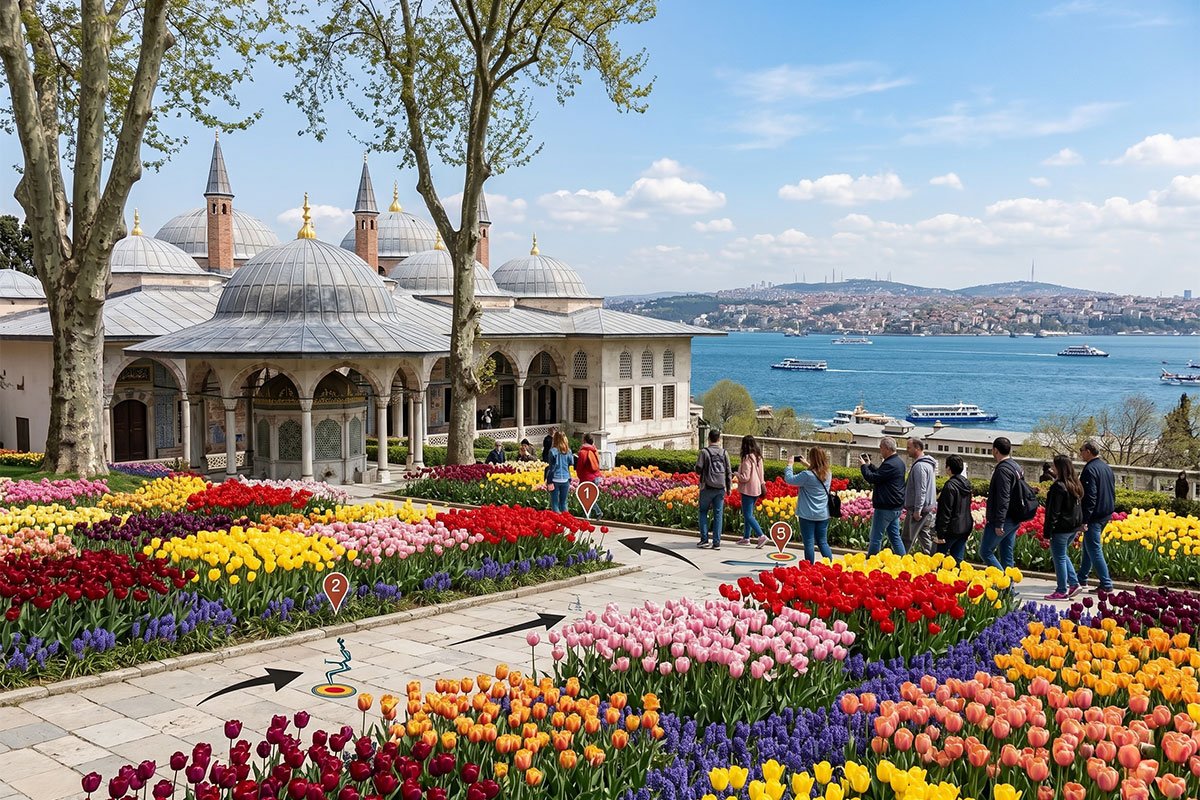
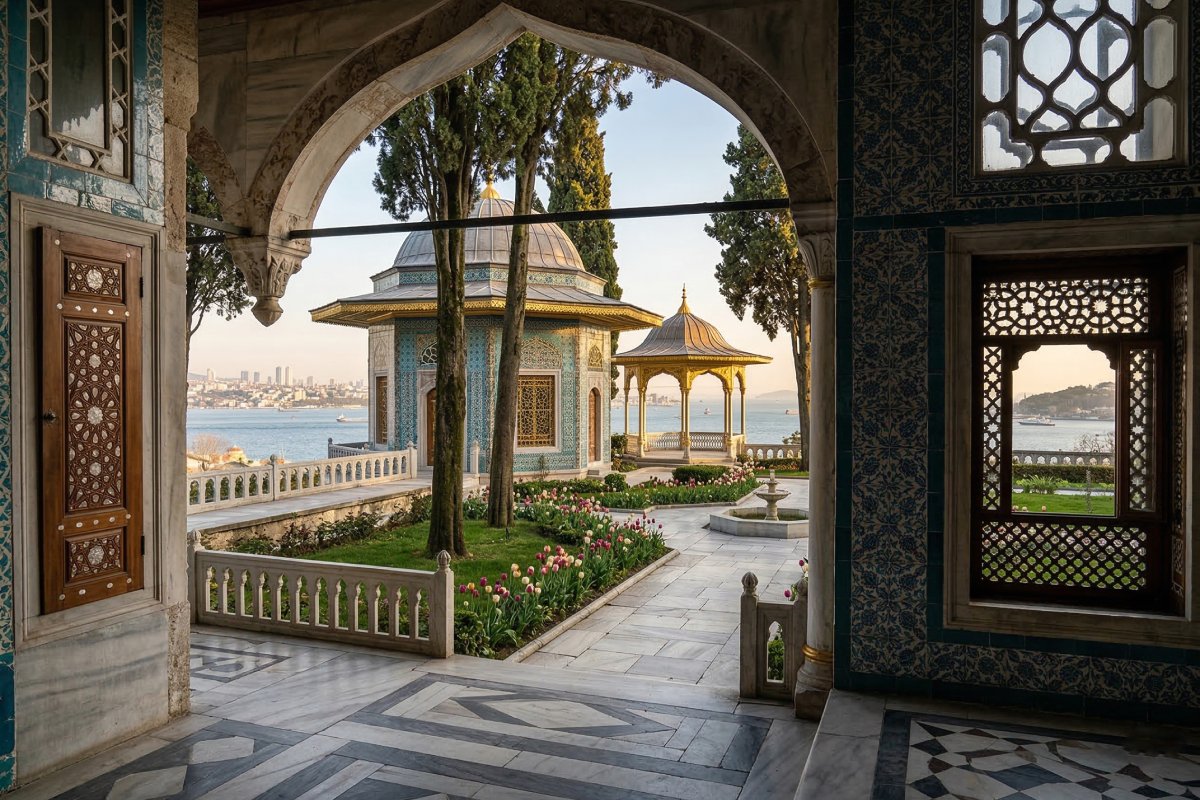
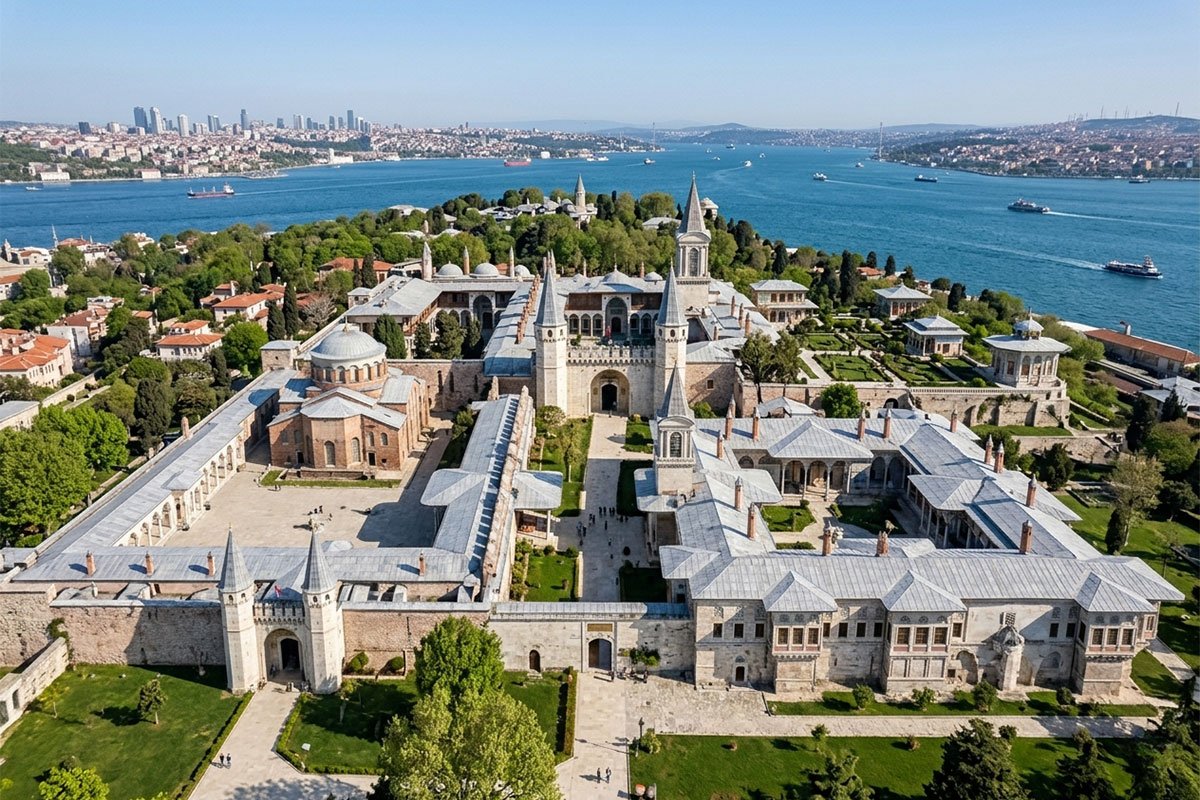
Topkapi Palace, a UNESCO World Heritage site, is breathtaking during the day. But as the sun dips below the horizon, casting a warm glow on Istanbul's skyline, the palace transforms into a magical realm, offering unparalleled opportunities for night photography. Capturing the beauty of Topkapi Palace at night requires more than just pointing and shooting; it demands understanding the nuances of light, composition, and timing. This guide will equip you with the knowledge and techniques to capture stunning images of this iconic landmark after dark, transforming your visit into a truly unforgettable photographic experience.
Planning Your Topkapi Palace Night Photography Adventure
Before you even think about pressing the shutter button, careful planning is crucial for a successful night photography session. Consider these factors:
- Timing is Everything: The “golden hour” after sunset and the “blue hour” that follows offer the most visually appealing light. Arrive at least an hour before sunset to scout locations and set up your equipment. The transition between day and night provides a soft, diffused light that enhances the palace's architectural details.
- Check the Weather: Clear skies are ideal, but a few scattered clouds can add drama to your photos. Avoid rainy or foggy nights, as they can obscure the palace and reduce visibility.
- Opening Hours: Topkapi Palace typically closes to the public in the evening. However, special events or private tours may offer opportunities for night access. Research and plan accordingly. Even shooting from the outer gardens and surrounding areas can yield incredible results.
- Security: Be mindful of security personnel and follow their instructions. Avoid areas that are restricted or poorly lit.
Essential Gear for Topkapi Palace Night Photography
Having the right equipment is essential for capturing high-quality night photos. Here's a list of must-have gear:
- Camera: A DSLR or mirrorless camera with manual mode is ideal, giving you full control over aperture, shutter speed, and ISO.
- Lens: A wide-angle lens (e.g., 16-35mm) is perfect for capturing the expansive views of the palace and surrounding cityscape. A telephoto lens (e.g., 70-200mm) can be useful for isolating specific details.
- Tripod: A sturdy tripod is absolutely essential for long exposures, preventing camera shake and ensuring sharp images.
- Remote Shutter Release: This minimizes camera shake when pressing the shutter button.
- Extra Batteries: Night photography often requires long exposures, which can drain your battery quickly.
- Flashlight or Headlamp: Useful for navigating in the dark and adjusting your camera settings.
Mastering Camera Settings for Stunning Night Photos
Understanding camera settings is key to capturing the magic of Topkapi Palace at night. Here are some tips:
- Aperture: Use a wide aperture (e.g., f/2.8 or f/4) to allow more light into the camera and create a shallow depth of field, blurring the background and emphasizing the palace.
- Shutter Speed: Experiment with different shutter speeds to achieve the desired exposure. Longer shutter speeds (e.g., several seconds or even minutes) are often necessary in low-light conditions. Use a tripod to prevent camera shake.
- ISO: Keep the ISO as low as possible (e.g., ISO 100 or 200) to minimize noise. However, you may need to increase the ISO slightly if you're shooting handheld or using a faster shutter speed.
- White Balance: Set the white balance to “Auto” or “Tungsten” to capture the warm tones of the artificial lighting.
- Focus: Use manual focus to ensure sharp images. Focus on a well-lit area of the palace.
Composition Tips for Captivating Topkapi Palace Night Photos
Composition is just as important as camera settings. Here are some tips to help you create visually appealing images:
- Rule of Thirds: Divide your frame into nine equal parts and place key elements along the lines or at the intersections.
- Leading Lines: Use lines to guide the viewer's eye through the image. The walls, pathways, and architectural features of Topkapi Palace can all be used as leading lines.
- Symmetry: Topkapi Palace features stunning symmetrical architecture. Use this to your advantage to create balanced and visually pleasing compositions.
- Foreground Interest: Include interesting elements in the foreground to add depth and context to your photos. Trees, fountains, or even people can serve as foreground interest.
- Experiment with Angles: Don't be afraid to try different angles and perspectives. Shoot from low angles to emphasize the grandeur of the palace, or from high angles to capture the sweeping views of the surrounding cityscape.
Best Night Views Sultanahmet: Beyond Topkapi Palace
While Topkapi Palace is a prime location for night photography, Sultanahmet offers numerous other stunning viewpoints. Consider exploring these areas:
- Hagia Sophia: The illuminated dome of Hagia Sophia creates a mesmerizing scene at night.
- Blue Mosque: The Blue Mosque's six minarets are beautifully lit up after dark.
- Sultanahmet Square: The square itself offers a vibrant atmosphere and stunning views of both Hagia Sophia and the Blue Mosque.
- Rooftop Restaurants and Bars: Many rooftop establishments in Sultanahmet offer panoramic views of the city, perfect for capturing stunning nightscapes.
Post-Processing Your Night Photos
Post-processing is an essential step in bringing out the best in your night photos. Use software like Adobe Lightroom or Photoshop to adjust exposure, contrast, white balance, and sharpness. Reduce noise and correct any distortions. Remember to enhance the colors and details of the palace while maintaining a natural and realistic look. Pay attention to the lighting, ensuring it complements the mood you are trying to convey. Minor adjustments can make a significant difference in the overall impact of your images.
Night photography at Topkapi Palace is a rewarding experience that allows you to capture the beauty and magic of this historical landmark in a unique and unforgettable way. By following these tips and techniques, you can create stunning images that will be cherished for years to come. Remember to be patient, experiment, and have fun! The palace offers a visual feast, and with a little planning and practice, you'll be able to capture it in all its nocturnal glory.
| Topic | Details |
| Best Time to Visit | Golden hour and blue hour after sunset |
| Essential Gear | DSLR/Mirrorless camera, wide-angle lens, tripod, remote shutter release |
| Camera Settings | Wide aperture, long shutter speed, low ISO |
| Composition Tips | Rule of thirds, leading lines, symmetry |