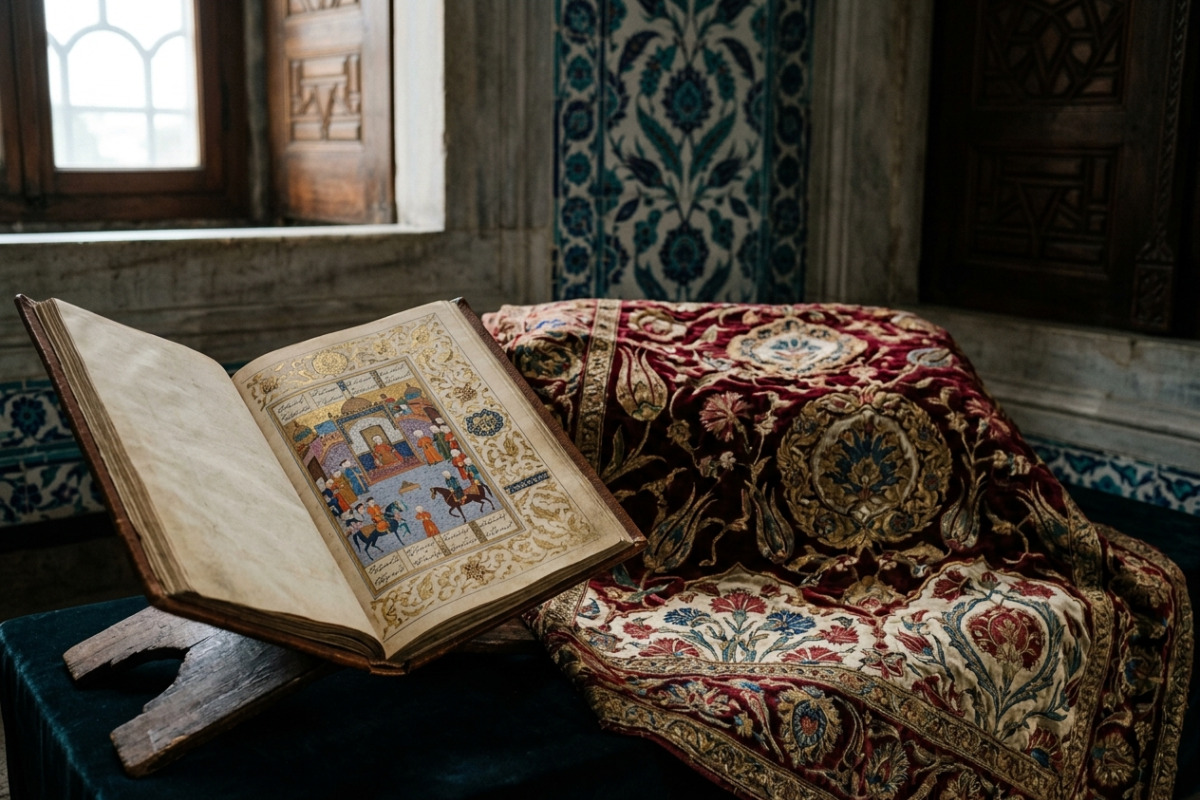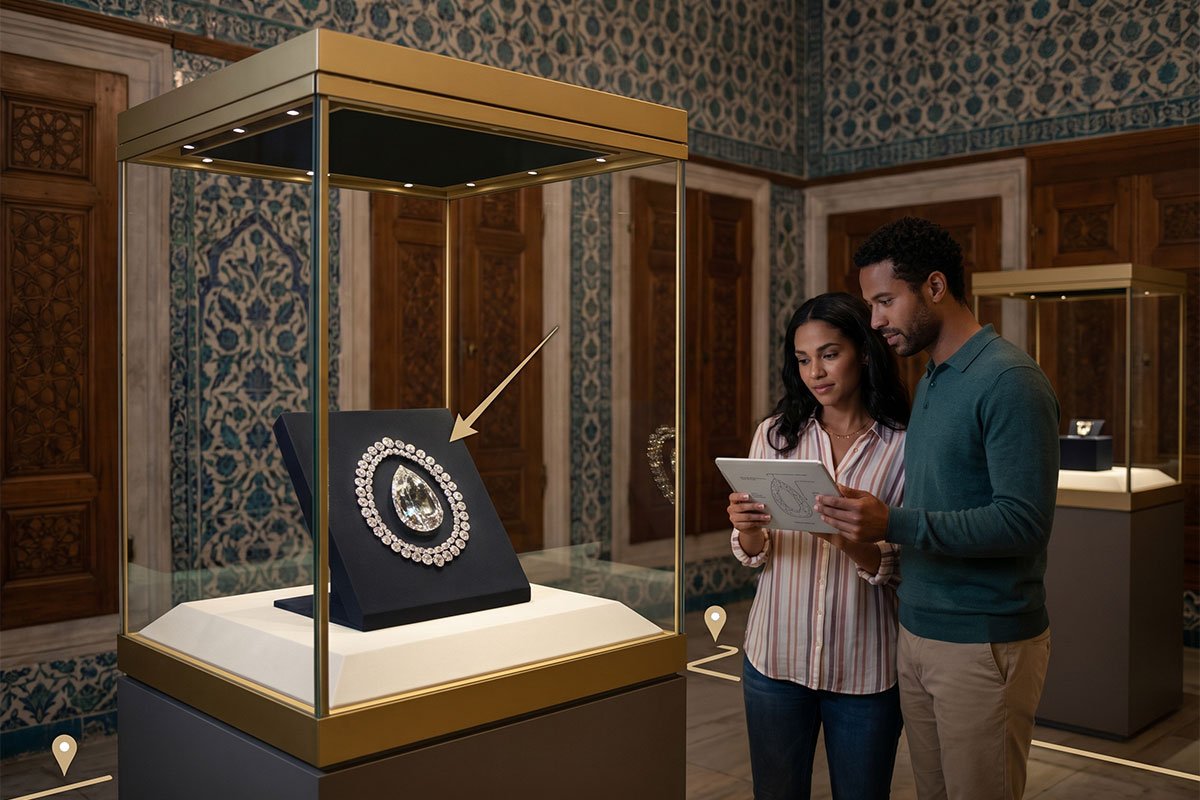
The Harem is arguably the most enigmatic and visually stunning section of Topkapi Palace. Once a forbidden sanctuary and the private residence of the Ottoman Sultans, it served as the home for the Valide Sultan (Queen Mother), the Sultan’s consorts, his children, and the staff who served them. Far from the myths of mere indulgence, the Harem was a sophisticated institution of education, hierarchy, and political power.
Today, visiting the Harem is a highlight for any traveler to Istanbul. However, navigating its labyrinthine corridors requires some preparation. This guide provides everything you need to know about the current ticketing system, the most efficient walking route, and the architectural masterpieces you shouldn't miss. Since 2024, the administrative process for visiting has changed significantly, making it easier than ever for foreign visitors to include this section in their itinerary.
Understanding the New Ticket Structure (2024 Updates)
One of the most frequent questions from visitors is whether they need a separate ticket for the Harem. As of the latest regulations, Harem access is now included in the standard combined ticket for international visitors. Previously, visitors had to purchase a separate ticket at a kiosk located inside the palace's second courtyard. This is no longer the case.
The current ticket for foreign tourists covers:
- Topkapi Palace Museum
- The Harem Section
- Hagia Irene Museum
By bundling these sections, the Ministry of Culture and Tourism has streamlined the visitor flow. When you enter the main palace grounds, your single ticket grants you entry to the Harem entrance. To avoid long queues at the main gate, it is highly recommended to purchase your ticket online or arrive at the ticket office before 09:00.
The Best Route Through the Harem
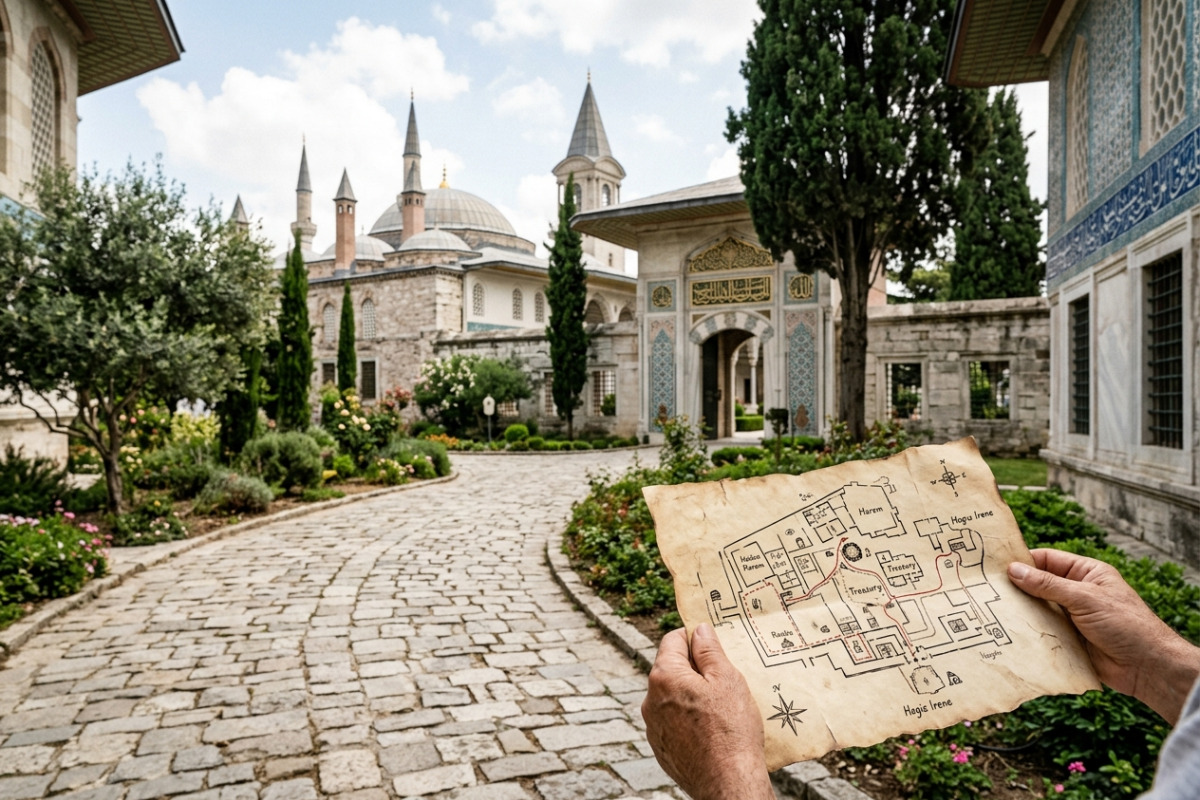
The Harem is not a single building but a sprawling complex of over 300 rooms, nine baths, and two mosques. The visitor route is strictly controlled to ensure the preservation of the delicate tiles and structures. The entrance is located in the Second Courtyard, tucked behind the Tower of Justice and the Divan (Imperial Council) chamber.
Expect to spend 45 to 75 minutes inside the Harem alone. The path is generally one-way, leading you from the administrative quarters of the eunuchs toward the increasingly lavish private suites of the Sultan and his mother, eventually exiting into the Third Courtyard near the Sacred Relics.
Phase 1: The Administrative Heart
Your journey begins at the Gate of Carts (Araba Kapısı). The first major area you encounter is the Court of the Black Eunuchs. Adorned with striking 17th-century blue, white, and green Iznik tiles, this courtyard served as the operational hub of the Harem. The eunuchs were responsible for the security and logistics of the Harem, and their dormitory—visible through the windows—reflects the strict hierarchy they lived under.
Phase 2: The Residential Quarters
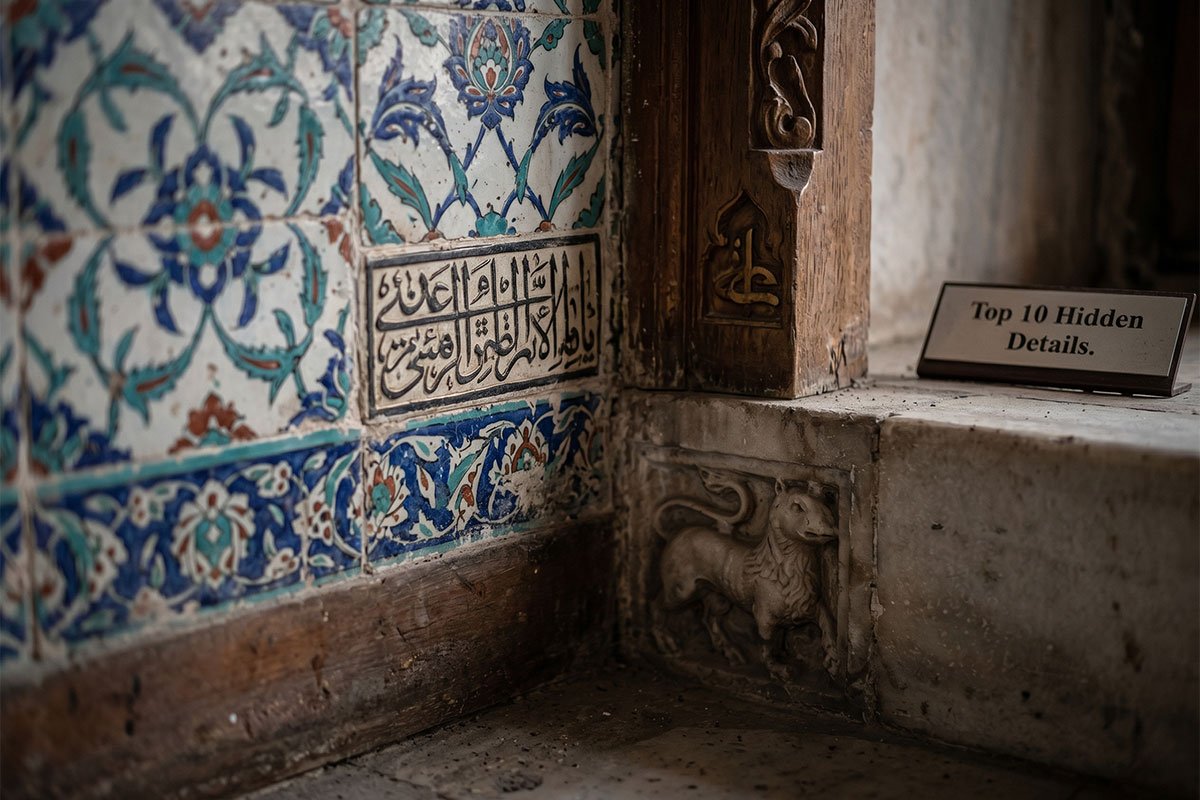
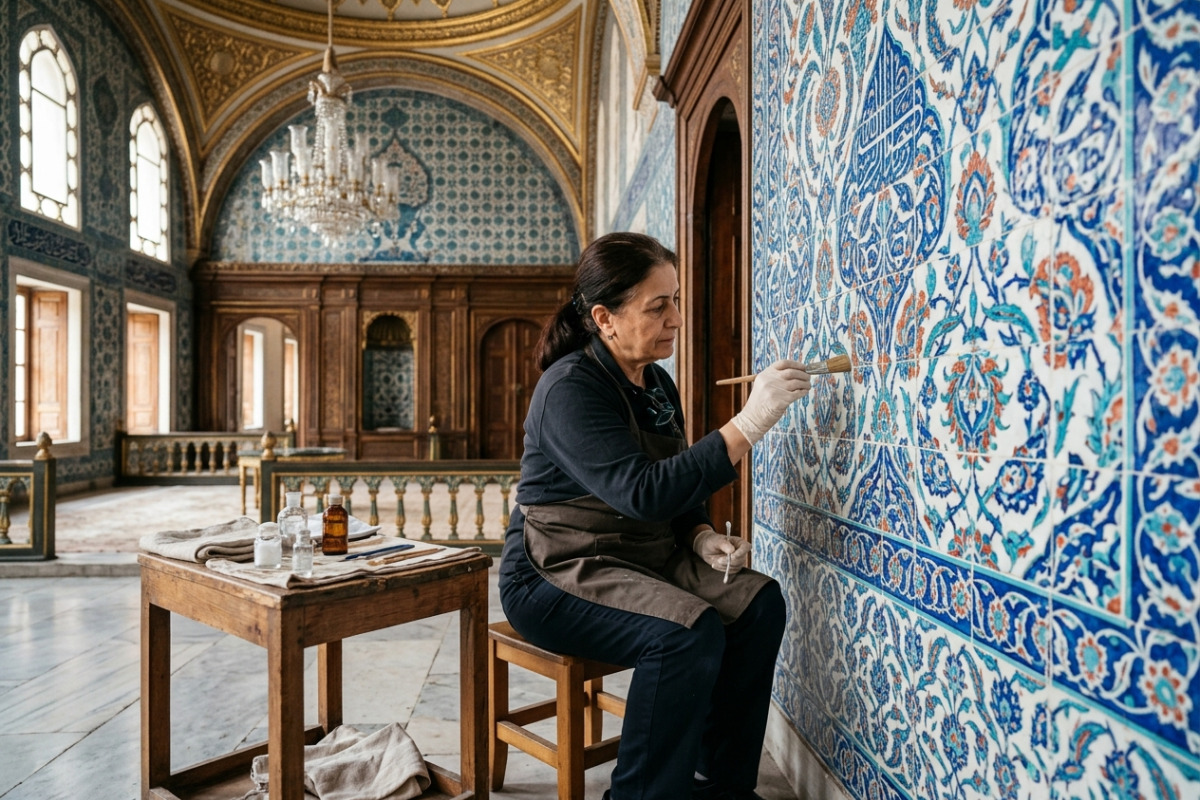
Moving deeper, you enter the Court of the Concubines and the Sultan's Consorts. This is the smallest courtyard in the Harem, surrounded by dormitories, baths, and laundry facilities. It provides a sobering look at the daily lives of the women who lived here. While the rooms are smaller here, the tilework remains exquisite, showcasing floral patterns and Quranic calligraphy.
Phase 3: The Seats of Power
The transition from the communal areas to the royal suites is marked by an increase in architectural grandeur. The Apartments of the Valide Sultan are a must-see. As the most powerful woman in the empire, the Queen Mother’s rooms feature high ceilings, marble fireplaces, and panoramic views of the palace gardens. The 16th and 17th-century tiles here are among the finest examples in the world.
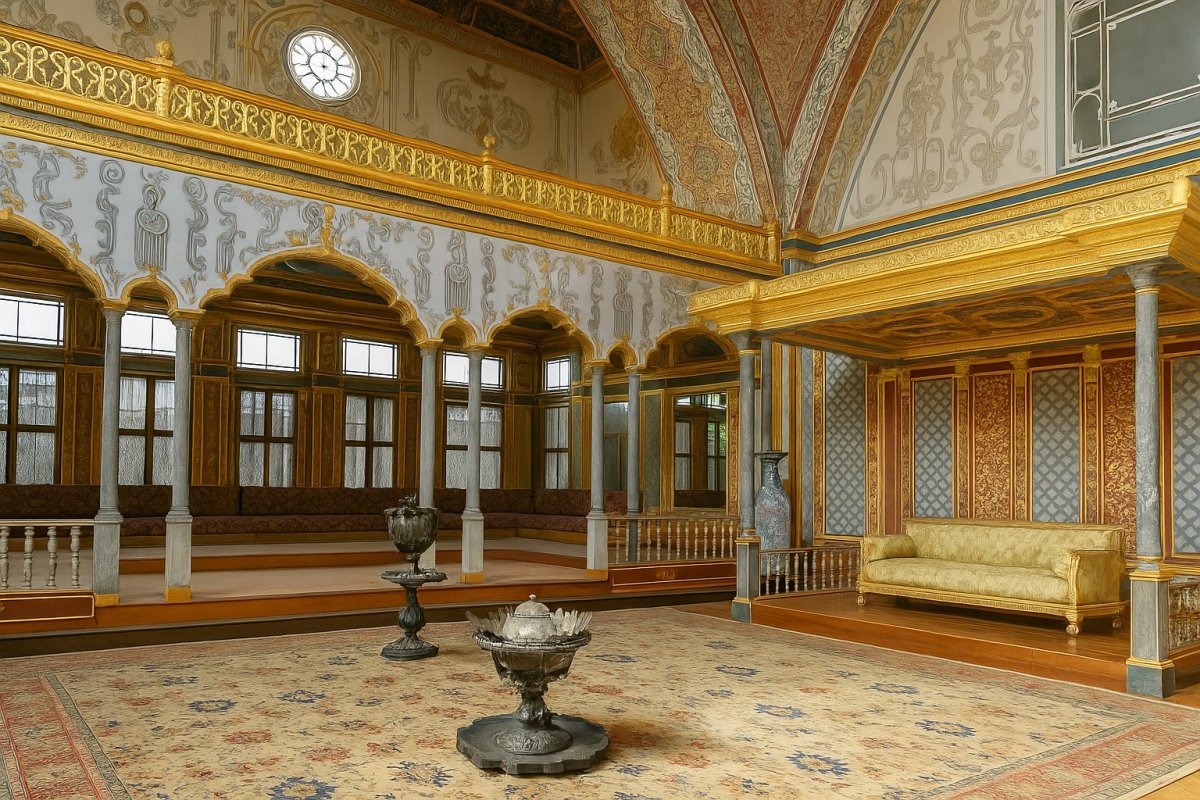
Next is the Imperial Hall (Hünkar Sofrası), the largest room in the Harem. This grand ceremonial space was used for weddings, religious celebrations, and family gatherings. Look up to see the massive dome and the gilded gallery where the Sultan’s musicians would play. The hall also contains the Sultan's throne and a magnificent collection of Delftware and European clocks, gifts from foreign monarchs.
Phase 4: The Sultan’s Private World
The route concludes with the Privy Chamber of Murad III and the Twin Kiosks (Apartments of the Crown Prince). The Privy Chamber, designed by the legendary architect Mimar Sinan, features a classic Iznik tile fireplace and a marble fountain that provided the soothing sound of running water to mask private conversations. The Twin Kiosks are famous for their stained-glass windows and intricately painted wooden ceilings, representing the pinnacle of 17th-century Ottoman interior design.
Timing and Strategy for a Better Experience
The Harem can feel claustrophobic during peak hours (11:00 to 15:00) when large tour groups converge in the narrow corridors. To truly appreciate the atmosphere, follow these timing tips:
- The Early Bird Strategy: Enter the palace as soon as it opens at 09:00 and head straight to the Harem. Most visitors linger in the First and Second Courtyards first, giving you a 30-minute window of relative silence in the Harem.
- The Late Afternoon Option: Visit after 16:00. The light filtering through the stained-glass windows of the Twin Kiosks is particularly beautiful at sunset, and the crowds begin to thin out.
- Seasonal Considerations: In the height of summer, the Harem can get quite humid. In winter, the stone floors make the interior very cold. Dress in layers regardless of the season.
Preservation and Etiquette
The Harem is a UNESCO World Heritage site, and its preservation is a monumental task. Visitors are expected to follow strict etiquette:
- Photography: While photography is generally permitted, flash is strictly prohibited. The intense light from flashes can degrade the pigments in the historic tiles and paintings over time.
- Surface Contact: Do not touch the tiles or the gilded woodwork. The natural oils and acidity from human skin cause irreversible damage to these centuries-old materials.
- Noise Levels: The Harem’s stone corridors act as an echo chamber. To maintain a respectful atmosphere, keep conversations at a whisper.
Accessibility and Practical Logistics
Due to its historic nature, the Harem presents several challenges for those with limited mobility. The floors are made of original marble and stone, which can be uneven, slippery, and punctuated by high thresholds (designed to keep out drafts and water).
Wheelchairs: While the main courtyards of Topkapi are wheelchair accessible, certain sections of the Harem have narrow doors and steps. If you are using a wheelchair, it is best to have an assistant. Palace staff are generally very helpful in pointing out the most accessible routes through the larger halls.
Footwear: This is not the place for heels or flip-flops. The walking route through the entire palace and Harem can exceed 3 kilometers. Wear sturdy, non-slip walking shoes.
Frequently Asked Questions (FAQ)
Is the Harem included in the Museum Pass Istanbul?
Yes, the Museum Pass Istanbul covers the Topkapi Palace and the Harem section. You can skip the ticket line and go straight to the security check.
How long does it take to see the Harem?
A focused walk-through takes about 45 minutes. However, if you are a fan of history and architecture, you should allow 90 minutes to read the signage and admire the tilework.
Can I visit the Harem without visiting the rest of the Palace?
Technically no, as the Harem is located deep within the palace grounds. You must enter the main palace gates to reach the Harem entrance.
Is there an audio guide for the Harem?
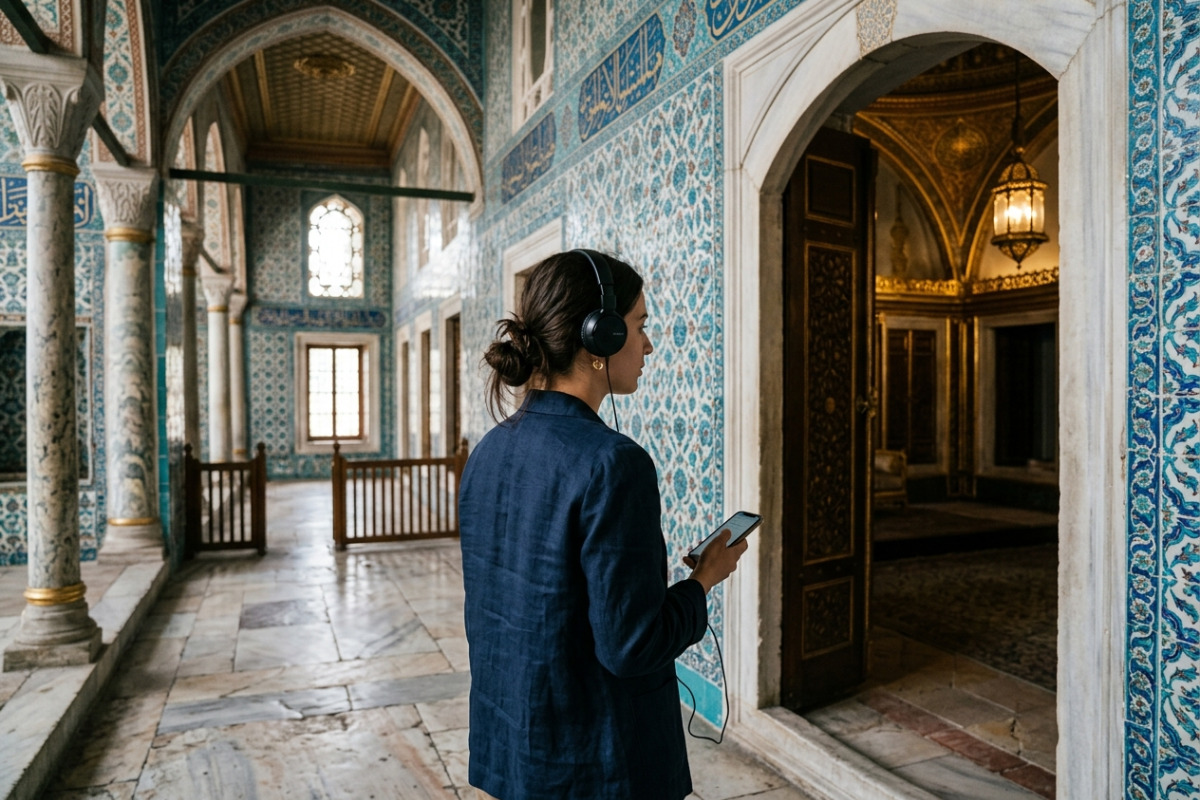
Yes, the general Topkapi Palace audio guide includes a comprehensive section on the Harem. It is highly recommended to rent one at the entrance to understand the complex social hierarchy of the rooms you are passing through.
Conclusion
Visiting the Harem is more than just a walk through beautiful rooms; it is an immersion into the private life of an empire that spanned three continents. By understanding the new ticket rules and following a strategic route, you can navigate the crowds and truly appreciate the architectural genius of the Ottoman era. After you exit the Harem, you will find yourself perfectly positioned to explore the Third Courtyard, including the Sacred Relics and the Treasury, completing your journey through the heart of Topkapi Palace.