Step into a world of unparalleled opulence and power as we journey beyond the throne and delve into the Sultan's clothing collection at Topkapi Palace. More than mere garments, these intricately designed kaftans, ceremonial robes, and everyday attire served as potent symbols of authority, wealth, and cultural identity within the Ottoman Empire. Prepare to be mesmerized by the artistry, symbolism, and sheer extravagance woven into every thread.
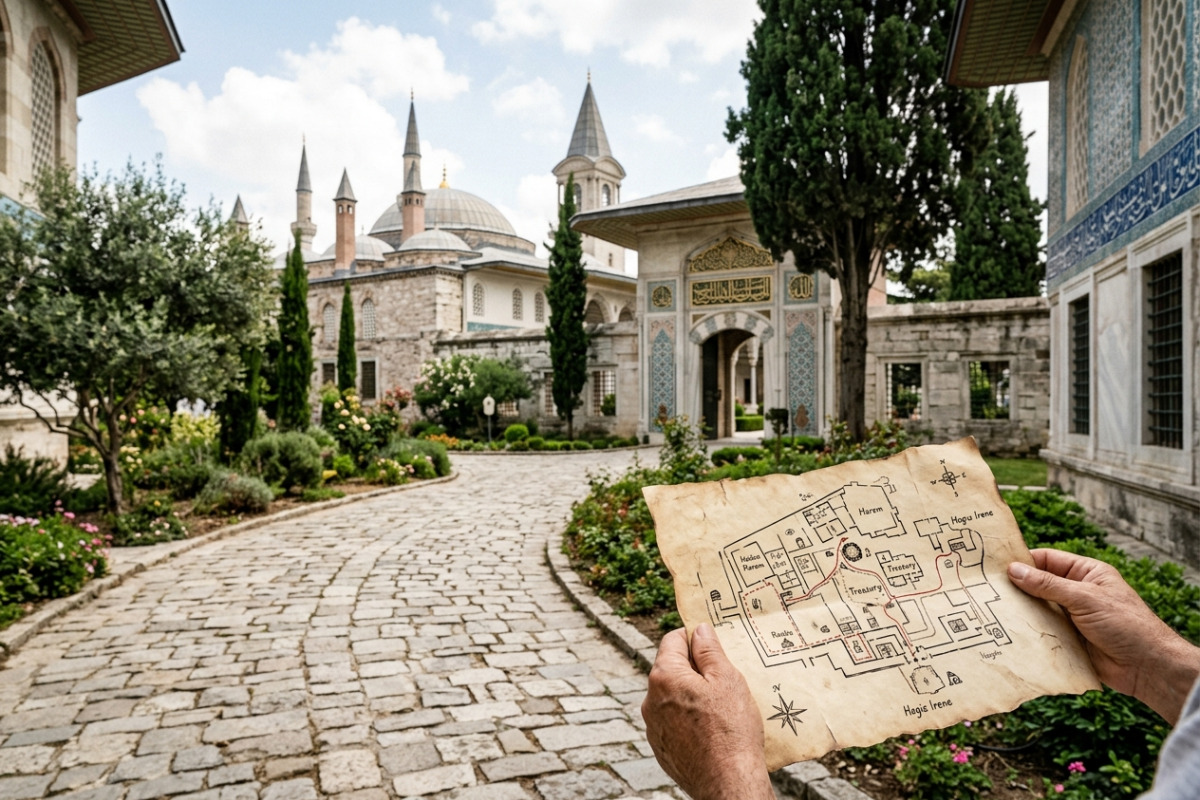
Topkapi Palace, a sprawling complex that served as the imperial residence for centuries, houses a treasure trove of Ottoman history and culture. While the dazzling Sacred Relics & Treasury and the enigmatic Harem often steal the spotlight, the Sultan's clothing collection offers a unique and intimate glimpse into the lives of the rulers who shaped the empire. To fully appreciate the grandeur of Topkapi Palace, consider purchasing Skip-the-Line Tickets to maximize your time and avoid long queues.
A Symphony of Silk, Gold, and Symbolism
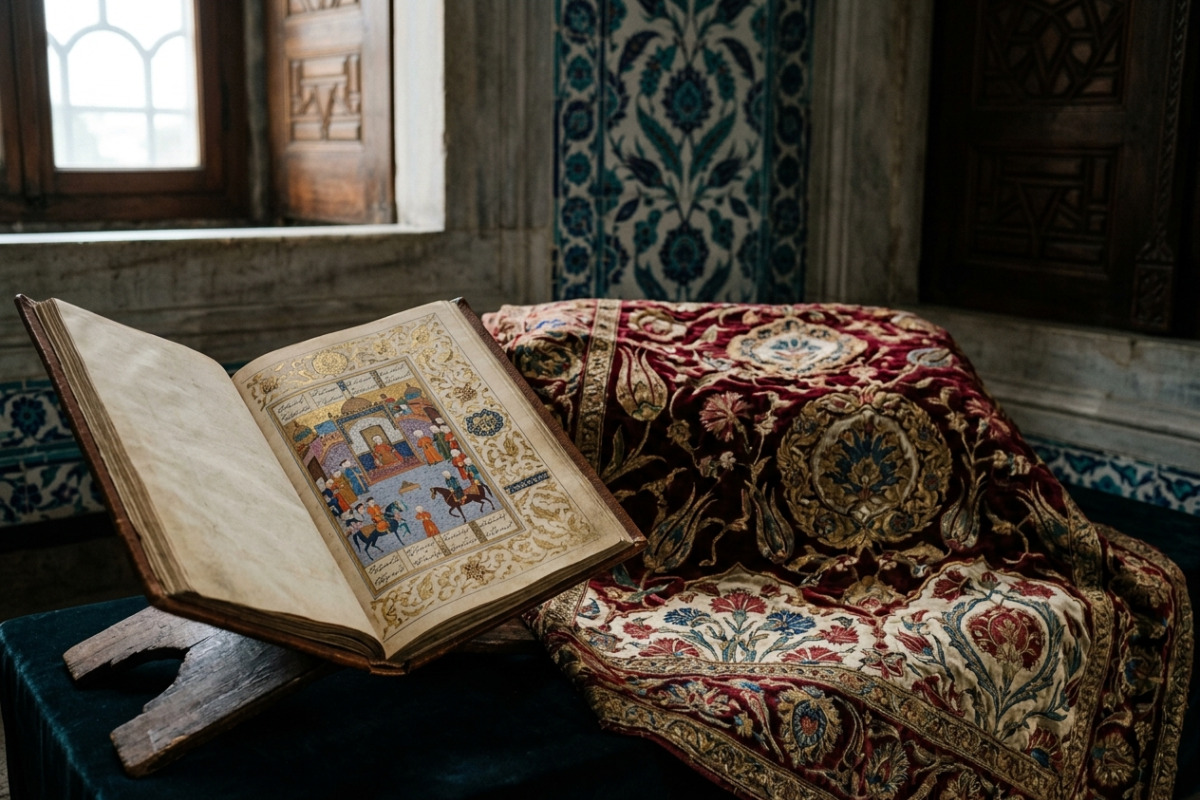
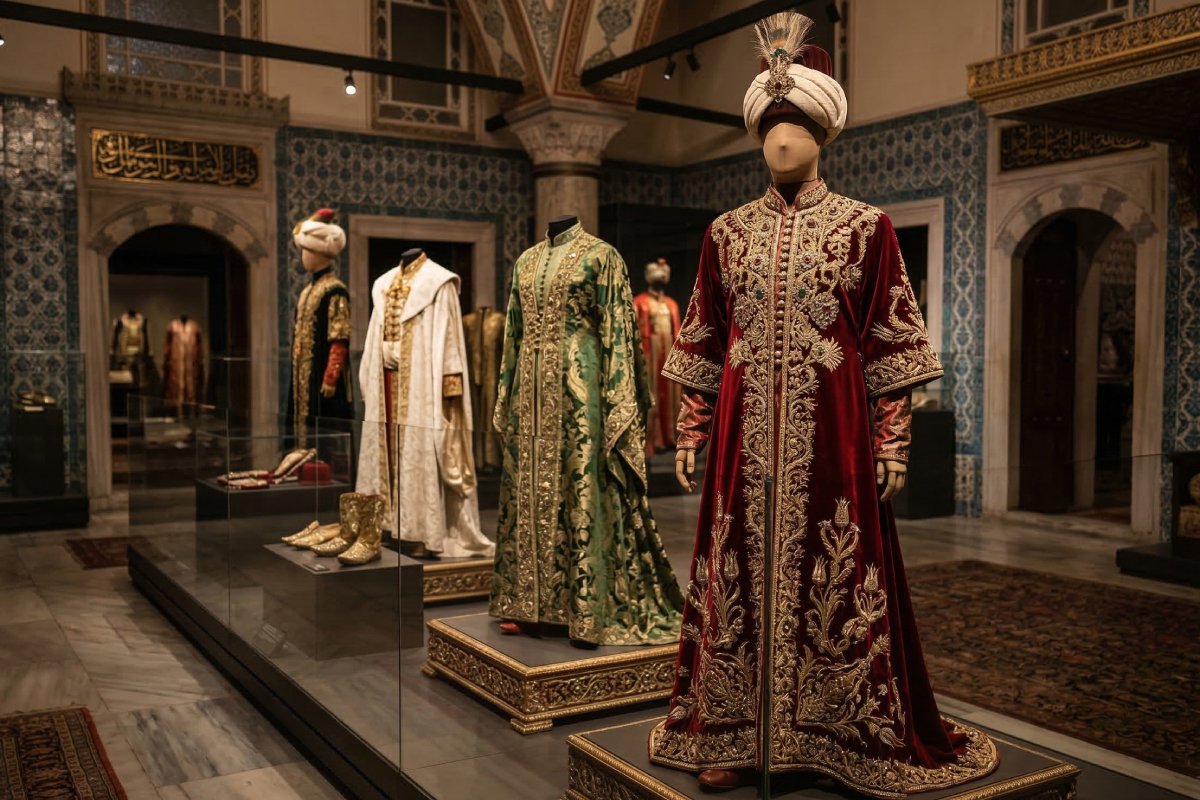
The Sultan's wardrobe was far from ordinary. Each garment was meticulously crafted from the finest materials, including silk imported from Persia and China, luxurious velvets, and shimmering brocades. Adorned with intricate embroidery using gold and silver threads, precious gemstones, and elaborate patterns, these clothes were walking works of art.
But the Sultan's clothing was more than just a display of wealth. The colors, patterns, and materials used held deep symbolic meanings, reflecting the Sultan's status, power, and religious beliefs. For example:
- Colors: Deep reds and purples signified royalty and power, while green was associated with Islam and paradise.
- Patterns: Floral motifs represented prosperity and abundance, while geometric designs symbolized order and harmony.
- Materials: The use of expensive materials like silk and gold reinforced the Sultan's elevated status.
Kaftans: A Window into Ottoman Power
The kaftan, a long, robe-like garment, was a staple of the Sultan's wardrobe. These garments were not only functional but also served as powerful symbols of authority. The number of kaftans a Sultan owned, the quality of the materials, and the intricacy of the embroidery all reflected his power and prestige. They were worn on various occasions, from everyday life within the palace to grand ceremonial events.
Imagine the scene at the Imperial Council (Divan), where the Sultan would meet with his advisors, resplendent in a kaftan that proclaimed his authority and wisdom. Or picture the Sultan receiving foreign dignitaries, his clothing a carefully calculated display of Ottoman power and wealth.
One notable example is a kaftan belonging to Sultan Ahmed I, showcasing intricate floral patterns embroidered with gold thread. This particular kaftan, made from Persian silk, features carnations and tulips, symbolizing power and fertility, respectively. Such details offer invaluable insights into the Sultan's personal tastes and the prevailing artistic trends of the era.
Beyond the Kaftan: Exploring the Wider Wardrobe
The Sultan's clothing collection extended far beyond kaftans. It included a wide range of garments, each designed for a specific purpose and occasion:
- Ceremonial Robes: Worn during important religious festivals and state occasions, these robes were often heavily adorned with gold and precious stones.
- Undergarments: Made from fine linen and cotton, these provided comfort and protection beneath the elaborate outer garments.
- Headwear: From turbans to jeweled headpieces, headwear played a crucial role in signifying the Sultan's status and authority.
- Footwear: Leather slippers and boots, often embroidered and adorned with precious stones, completed the Sultan's ensemble.
The Craftsmanship Behind the Clothes
The creation of the Sultan's clothing was a highly skilled and specialized craft. A team of master tailors, embroiderers, and other artisans worked tirelessly within the palace workshops to produce these exquisite garments. These artisans often passed down their skills from generation to generation, ensuring the continuation of Ottoman textile traditions. The Topkapi Palace Kitchen might have been responsible for feeding the palace, but these artisans were responsible for dressing it.
The process involved:
- Sourcing the finest materials: Silks, velvets, and brocades were imported from across the Ottoman Empire and beyond.
- Designing the patterns: Intricate designs were created by skilled artists, often incorporating symbolic motifs.
- Embroidery: Master embroiderers meticulously stitched gold and silver threads onto the fabric, creating dazzling patterns and textures.
- Assembly: Tailors carefully assembled the garments, ensuring a perfect fit and impeccable finish.
Visiting the Sultan's Clothing Collection
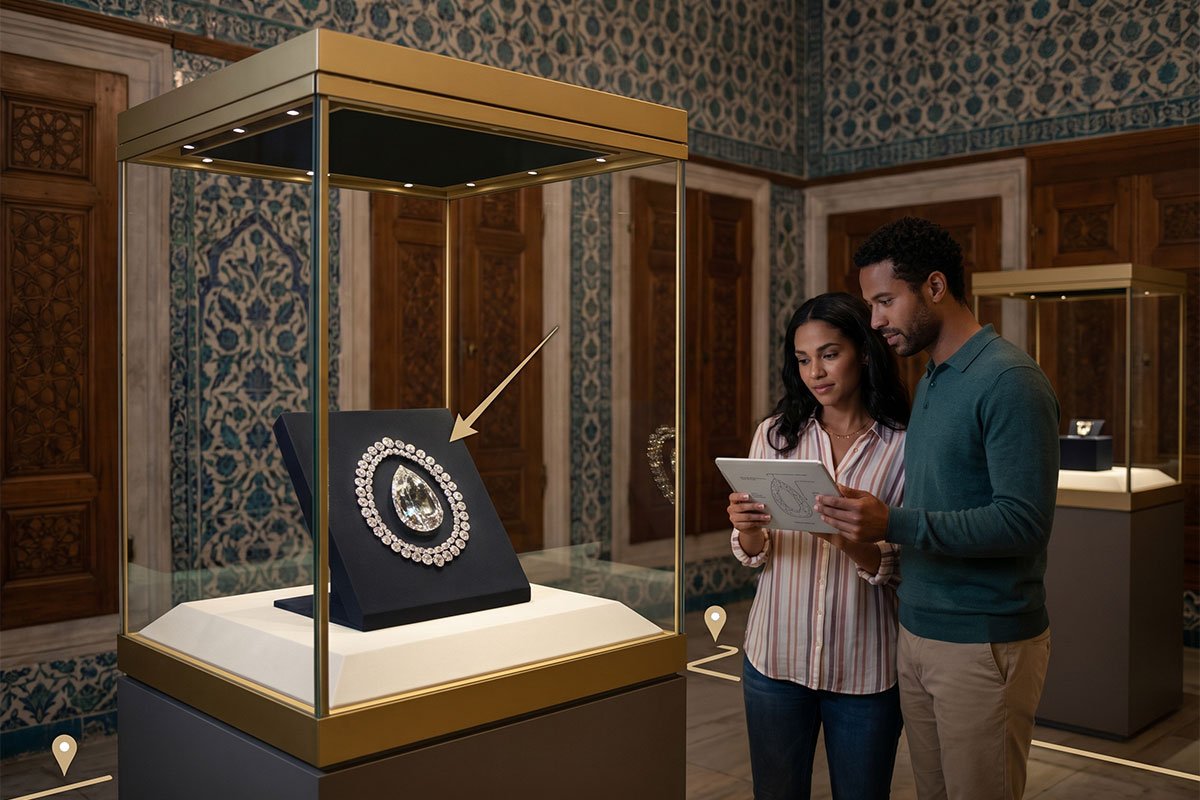
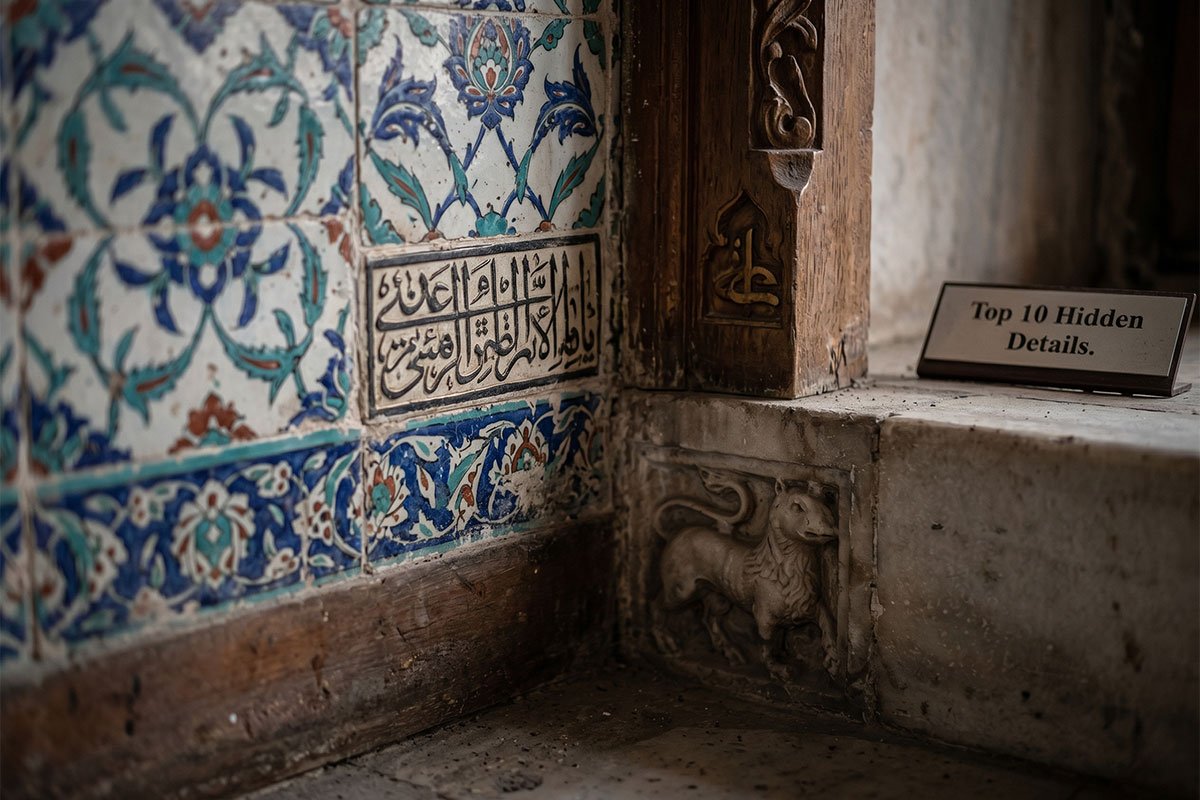
Today, the Sultan's clothing collection is one of the most popular exhibits at Topkapi Palace. Visitors can marvel at the exquisite craftsmanship, learn about the symbolism behind the garments, and gain a deeper understanding of Ottoman court life. The collection is housed in a dedicated section of the palace, allowing visitors to explore the garments up close and appreciate their intricate details.
Before you visit, be sure to check the Visiting Information for opening hours and ticket prices. It’s also a good idea to consult the FAQ section for any questions you may have about your visit, such as photography policies or accessibility. Don't forget to explore the beautiful Topkapi Palace Gardens after your visit to the clothing collection.